1. Key Populations, Drug and Alcohol Use and Abuse, High Risk Behavior and the Need for Technology-Assisted Addiction Treatment
Illicit drug abuse and alcohol use is common throughout the world. Both, illicit drug abuse and alcohol use have been shown by numerous studies to be associated with both a higher risk for HIV transmission (El-Bassel, Shaw, Dasgupta, & Strathdee, 2014; Russell, Eaton, & Petersen-William, 2013) as well as poor clinical outcomes in HIV care and treatment (Altice, Kamarulzaman, Soriano, Schecter, & Friedland, 2010; Azar, Springer, Meyer, & Altice, 2010). This association is important in the development of technology-assisted treatment interventions. For key populations, people who inject drugs, sex workers, transgendered individuals and men having sex with men, cohort studies indicate drug and/or alcohol use and abuse at high levels for these populations as they selfmedicate and deal with high levels of stress, stigma and discrimination. For example, a recent study in Thailand (Nemoto, Iwamoto, Sakata, Perngparn, & Areesantichai, 2012) revealed that substance use and HIV risk behaviors among female sex workers significantly differed depending on work venues and that sex workers, who had used illicit drugs, could be characterized as: young, with low levels of self-esteem, or reported sexually transmitted infections and frequently engaged in unprotected vaginal sex with customers. Specifically, female sex workers who worked at bars/clubs were young, had higher income, or reported sexually transmitted infections and frequently engaged in sex with customers under the influence of alcohol. Qualitative interviews illustrated female sex workers alcohol and drug use was due to their stressful life (e.g., long working hours and a large number of customers) and easy access to alcohol and drugs. This study indicates the need to address socio-cultural factors (e.g., self-esteem) and mental health in female sex workers, as well as, alcohol and drug use-specific work venues.
In Sub-Saharan Africa, multiple studies (Chersich, Luchters, Malonza, Mwarogo, King’ola, & Temmerman, 2007; Chersich, Luchters, Ntaganira, Gerbase, Lo, Scorgie, & Steen, 2013; Leggett, 1999; Luchters, Giebel, Syengo, Lango, King’ola, Temmerman, & Chersich, 2011; Needle, Kroeger, Belani, Achrekar, Parry, & Dewing, 2008; Parry, Petersen, Carney, Dewing, & Needle, 2008; Parry, Plüddemann, Louw, & Leggett, 2004; Wechsberg, Wu, Zule, Parry, Browne, Luseno, Kline, & Gentry, 2009) have shown links between commercial sex work and drug use or alcohol use with the presence of multiple overlapping risk behaviors with the potential for increased infectious disease transmission among persons in sexual and drug-using networks. Drug using female sex workers report 3 - 10 clients per day, while drug using male sex workers report 1 - 4 clients per day along with the use of drugs before, during and after sex (Needle, Kroeger, Belani, Achrekar, Parry, & Dewing, (2008); Parry, Petersen, Carney, Dewing, & Needle, 2008). Drug use impaired safe sex practices and approximately one in three sex workers were noted to be infected with HIV. Alcohol-using female sex workers report unsafe sexual practices, violence, and the presence of sexual transmitted diseases, as well as, the need for evidence-based interventions to reduce hazardous drinking levels (Chersich, Luchters, Malonza, Mwarogo, King’ola, & Temmerman 2007; Chersich, Luchters, Ntaganira, Gerbase, Lo, Scorgie, & Steen, 2013; Wechsberg, Wu, Zule, Parry, Browne, Luseno, Kline, & Gentry, 2009). Thus, there is a need for multi-component targeted technology-assisted interventions that address drug/alcohol use, as well as, infectious disease transmission for key populations in Sub-Saharan Africa.
In Asia, studies have shown a similar intersection between illicit drug use and commercial sex work. In India, of the four main pathways into sex work obtaining money through sex work to purchase drugs or alcohols was second behind only poverty (the need to provide for self and/or family) (Raut, Pal, & Das, 2003). Over two thirds of sex workers either chewed betal nut or consumed alcohol alone or with clients. Another study reported the use of illicit drugs with 78% non-injecting drug users and 22% injecting drug users (Medhi, Mahanta, Kermode, Paranjape, Adhikary, Phukan, & Ngully, 2012). Drug-using sex workers were significantly more likely to test positive for one or more sexually transmitted infections and were also significantly more likely to be currently married, widowed, or separated compared with non-drug-using female sex workers. In multiple logistic regression analysis, being an alcohol user, being married, having a larger volume of clients, and having sexual partners who have ever used or shared injecting drugs were found to be independently associated with illicit drug use. In China, screening of female sex works for alcohol consumption revealed that heavy drinkers had earlier sexual initiation, became involved in sex work at a young age, and used alcohol during sex, particularly in high risk encounters (Chen, Li, Zhang, Hong, Zhou, & Liu, 2013). Illicit drug use during commercial sex in China has been shown to be associated with HIV sero-positive status, initiating sex work at less than 20 years of age and working at a high-risk establishment (Wang, Brown, Wang, Ding, Zang, Wang, Reilly, Chen, & Wang, 2011). In Indonesia, cohort studies have shown that approximately 50% of female sex workers consume alcohol prior to interactions with clients, and those working at bars and discotheques are most frequent consumers of alcohol (Safika, Johnson, & Levy, 2011).
In Eastern Europe key drug-using populations include females who inject drugs and those who trade sex for drugs, sex partners of people who inject drugs, young people who inject drugs, and people who use non-injecttion drugs (El-Bassel, Shaw, Dasgupta, & Strathdee, 2014). Injection drug use, however, is a main driver of the HIV epidemic and a recent survey study of male and female injection drug users revealed a HIV prevalence of 32% (Taran, Johnston, Pohorila, & Saliuk, 2011). For male injection drug users, paying for sex increased the risk of HIV infection, while for females having greater than three years of injection drug use, sharing equipment, and using alcohol with drugs was significant for HIV infection. Another study has shown the importance of the age of first drink of alcohol for injection drug users as a predictor of HIV infection through an increase in the number of sexual partners and early sexual debut (Abdala, Hasen, Toussova, Krasnoselskikh, Kozlov, & Heimer, 2012). These studies and others point to the need for peer driven technology-assisted interventions to address the prevention of drug and alcohol use (Smyrnov, Broadhead, Datsenko, & Matiyash, 2012) as well as novel adherence support interventions for injection drug users who receive anti-retroviral treatment (Laisaar, Uuskula, Sharma, DeHovitz, & Amico, 2013).
While limited, studies of men having sex with men and transgender women indicate a vital need for targeted technology-assisted interventions to address their lack of access to care and treatment, the high level of stigma and discrimination, and drug and alcohol use (Breyer, Sullivan, Sanchez, Dowdy, Altman, Trapence, Collins, Katabira, Kazatchkine, Sidibe, & Mayer, 2012; Stroumsa, 2014). In Thailand, a cross-sectional survey to examine and compare sexual risk behaviors, and demographic and behavioral correlates of risk among men having sex with men and transgender women recruited from gay entertainment venues showed one in five used illicit drugs (Newman, Lee, Roungprakhon, & Tepjan, 2012). Other studies have shown a higher use of illicit drug use in men having sex with men infected with HIV (Li, Baker, Korostyshevskiy, Slack, & Plankey, 2012; Wei, Guadamuz, Lim, Huang, & Koe, 2012) as well as the use of illicit stimulants, such as methamphetamine, in men having sex with men who report depression or sadness (Carrico, Pollack, Stall, Shade, Neilands, Rice, Woods, & Moskowitz, 2012). Screening for alcohol consumption in male sex workers reported 70% consumed alcohol, 40% binge drank, 35% screened for hazardous drinking, 15% harmful drinking and 21% alcohol dependence (Luchters, Giebel, Syengo, Lango, King’ola, Temmerman, & Chersich, 2011). Taken together, these studies show members of key populations use and abuse alcohol and/or illicit drugs, experience stigma and discrimination to high degree, as well as, need technology-assisted addiction treatment that can be used to address illicit drug abuse and alcohol use.
2. Technology-Assisted Addiction Treatment
The age of information technology has allowed the rapid increase usage of the internet with access through portable, wireless devices, such as such as laptops, tablets, notebooks, smart phones and personal digital assistants. The advancing technology of mobile internet devices, including ultra-mobile personal computers, which are smarter than smart phones and lighter than traditional laptop computers, make accessing the internet faster, easier and cheaper. Connectivity can be via short range bluetooth technology, medium range WiFi, or long range networking.
Applying information technology to the medical field has created health information technology and multiple studies have evaluated the costs and benefits of implementing health information technology, in the form of electronic health records, into the care and treatment of individuals in inpatients/hospital or outpatient/ambulatory (Shekelle, Morton, & Keeler, 2006). Electronic health records have the ability to improve the quality of care in outpatient and inpatients settings through improved provider performance when clinical information and decision support tools are made available (Shekelle, Morton, & Keeler, 2006). This requires data storage capacity with high fidelity, particularly for substance abuse treatment patient data, with secure access in a context specific manner to empower the health care provider. With the expansion of substance abuse screening and treatment into primary care setting, this requires coordination of care and medical information sharing and thus a harmonized electronic medical health records system (Ghitza, Sparenborg, & Tai, 2011). The data standards and elements of the records systems must meet the federal “meaningful use” criteria as part of the development of effective coordination among substance use disorder subspecialty care and primary health care service providers. In an initial effort, the NIDA Clinical Trials Network has developed a validated screening and brief assessment instrument that is supported by clinical decision support tools for use in outpatient primary care settings (Ghitza, Gore-Langton, Lindblad, Shide, Subreamaniam, & Tai, 2013). Such efforts support the integration of substance use disorders treatment into primary care, as well as, the adoption and ‘meaningful use” of electronic health records. The adoption of electronic medical records or eprescribing into addiction treatment subspecialty care and the integration into the evolving larger electronic medical records networks of primary medical care promotes the seamless access to substance use disorders services regardless of the patient entry into the medical care system (Clark, 2011).
Treatment of substance use disorders are most effective with the use of medication-assisted treatment, that is, the use of pharmacotherapies in concert with psychosocial treatments, as part of the continuum of care and treatment (Kresina, Lubran, Clark, & Cheever, 2012). Currently, pharmacotherapies have been approved by the Food and Drug Administration for the treatment of opioid dependence and alcohol dependence (Kresina & Lubran, 2011). Psychosocial treatments alone are available for other substance use disorders. Technology can be applied to both the pharmacotherapy treatment of substance use disorders and the psychosocial treatments, as well as, throughout the continuum of care for substance use disorders-outreach, intake, inpatient, outpatient/ emergency room, maintenance treatment, relapse prevention and recovery.
2.1. Technology in the Pharmacotherapy of Substance Use Disorders
In the United States, approved pharmacotherapies for the treatment of opioid dependence are methadone, buprenorphine and naltrexone. Methadone and buprenorphine are controlled medications and thus the dispensing of methadone and prescription of buprenrophine is controlled by federal regulations (Kresina, Litwin, Marion, Lubran, & Clark, 2009). Federal regulations in the United States require methadone, for the purpose of addiction treatment, to be dispensed in opioid treatment programs and in liquid form on a daily basis. Initially, liquid methadone was dispensed using manual pumps for individual dosing. Technological advances have brought about computer controlled automated dispensing pumps, allowing for accurate measured dosing and integration with patient management software (IVEK Corporation. Accuvert Controlled Methadone Dispensing System; SciLog, Bio Processing Systems. Lab Tec Smart Methadone Dispensing Pump). Other automated dispensing systems identify patients through biometrics (iris or fingerprint recognition), dispensing the individual dosage based on the patient electronic dispensing record and upon completed dosing updating the patient electronic medical record (DRX Systems, Automated Methadone Dispensing). This integrated automated system can complete the dosing of methadone or buprenorphine to patients in as little as twenty seconds, substantially increasing efficiency. Additional clinic addiction management systems can provide inventory control, dispensing, administration, regulatory agency reporting and patient/medical provider electronic signatures (Netsmart, Clinic Addiction Management Systems). These technological advances not only increase efficiency but also are important tools for research studies that address patient and treatment issues related to pharmacologic dosing (Cleary, Reynolds, Eogen, O’Connell, Fahey, Gallagher, Clarke, White, McDermott, O’Sullivan, Carmody, Gleeson, & Murphy, 2013; Walley, Cheng, Pierce, Chen, Filippell, Same, & Alford, 2012).
Technological advances in targeted drug design and drug development have contributed to novel products that address gap areas in addiction treatment. In drug development, the concept of extended-release medications for use in the treatment of opioid dependence has resulted in an additional medication for relapse prevention that can enhance treatment adherence and reduce drug cravings (Kiome & Moeller, 2011; Syed & Keating, 2013). A concern regarding the extended time between medication visits and non-adherence to counseling or peer group support group meetings has been diminished by a recent study showing no difference in participation between patients in routine treatment and those receiving extended-release medications for relapse prevention (Cisler, Silverman, Gromov, & Gastfriend, 2010). The ever advancing technological approaches to targeted drug design have resulted in novel immunologic therapies for the treatment of substance use disorders (Atreya, Sun, & Zhao, 2013; Elkashef, Biswas, Acri, & Vocci, 2007; Loftis & Huckans, 2013). In areas where no pharmaceuticals have been approved for treatment, vaccines and monoclonal antibodies have been developed for the treatment of stimulant substance use disorders (Cai, Whitfield, Hixon, Grant, Koob, & Janda, 2013; Elkashef, Biswas, Acri, & Vocci, 2007; Kosten, Domingo, Orson, & Kinsey, 2014). In this approach, molecules are designed or induced by vaccination to mimic the receptor targets of stimulants, such as cocaine or methamphetamine, and block or sequester the circulating illicit drug. The result is the neutralization or inactivity of the illicit drug. While no vaccines have been approved, early clinical trials show promise, however some animal studies have shown that repeated exposure to the illicit drug inactivates the vaccine response (Cai, Whitfield, Hixon, Grant, Koob, & Janda, 2013).
Technological applications have occurred in two important adjuncts to addiction treatment involving medications. They are the 1) development of state prescription monitoring plans to assess drug-seeking behavior and abuse of prescription medications and 2) the use of naloxone in suspected cases of opioid overdose. Prescription drug abuse is a serious and growing public health problem in the United States and globally (Fischer, Bibby, & Bouchard, 2010; Kirsh, Peppin, & Coleman, 2012). In the United States the increased prescription of opioids for the management of chronic pain has resulted in a dramatic rise in opioid abuse, opioid addiction, treatment admissions, opioid overdoses and overdose deaths (Kirsh, Peppin, & Coleman, 2012; Strauss, Ghitza, & Tai, 2013). In response, prescription monitoring programs have been implemented, in most states, to provide health care providers with point-of-care information regarding a patient’s controlled substance use. Prescription Monitoring Programs are web-based systems that collect all scheduled (controlled) prescription information for prescriptions dispensed in or into a specific state (Cordy & Kelly, 2013). The state Department of Health usually operates this computerized program and uses the information for investigative purposes to curb drug overdose and professional overprescribing. Patient drug-seeking behavior that can be monitored include: requesting opioids by name, multiple visits for the same complaint, suspicious history, symptoms out of proportion to examination, and hospital site/emergency room visits (Weiner, Griggs, Mitchell, Langlois, Friedman, Moore, Lin, Nelson, & Feldman, 2013). Prescription monitoring programs are a key component of the United States National Drug Control Strategy (Office of the National Drug Control Program, 2013).
Drug overdose is a leading cause of death from injuries in the United States (Centers for Disease Control and Prevention, 2012; Siegler, Tuazon, Bradley O’Brian, & Paone, 2013). The Center for Disease Control and Prevention reports that in 2008, 36,450 drug overdose deaths occurred, with prescription opioid analgesics commonly involved (Centers for Disease Control and Prevention, 2012). A study in New York City indicates that overdoses that occur in the home commonly occurred with the combined use of opioid analgesics and benzodiazepines, while overdoses that occurred outside the home frequently involved heroin (Siegler, Tuazon, Bradley O’Brian, & Paone, 2013). The administration of naloxone hydrochloride during an opioid overdose reverses the overdose and can prevent death; however, only ten states have legislation implementing opioid overdose prevention programs (Doe-Simkins, Walley, Epstein, & Moyer, 2009; Hewlett & Wermeling, 2013). Naloxone is typically delivered via intramuscular injection or intravenous injection with the risk of occupational blood-borne exposure to infectious diseases (Doe-Simkins, Walley, Epstein, & Moyer, 2009). Technological advances have resulted in a nasal spray formulation as well as a nebulized formulation (Doe-Simkins, Walley, Epstein, & Moyer, 2009; Weber, Tataris, Hoffman, Aks, & Mycyk, 2012; Wermeling, 2013). The nasal spray has been shown to be effective after education and training of bystanders to overdose (Doe-Simkins, Walley, Epstein, & Moyer, 2009). The nebulized naloxone formulation has been shown to be effective with first responders in suspected opioid overdose cases (Doe-Simkins, Walley, Epstein, & Moyer, 2009; Weber, Tataris, Hoffman, Aks, & Mycyk, 2012).
2.2. Technology in the Psychosocial Treatment of Substance Use Disorders
In parallel with the impact of technology on the medications for the treatment of substance use disorders, technological advances have been achieved in the psychosocial components of addiction treatment (Marsch & Dallery, 2012). Technology-based psychosocial delivery platforms, such as internet access through wireless portable devices, have created on-demand tele-health, as well as, on-line peer support groups. The result is increased tools to enhance the effectiveness of outreach to drug-using populations and higher fidelity in replication of evidence-based treatment. A recent issue of Substance Abuse Treatment summaries salient studies that have utilized technology to deliver intervention for the treatment and recovery management of substance use disorders (Marsch, Carroll, & Kiluk, 2013). These studies include the evaluation of electronic screening and brief intervention in the emergency room, as well as, in high school or for college students. Other studies report mobile phone-based recovery support, text messaging to support HIV medication adherence, counseling via videoconferencing for opioid treatment programs, as well as, a web-based therapeutic education system for increasing abstinence rates for patients receiving methadone maintenance treatment. The use of technology, particularly cell phone-based interventions, appears to be effective at promoting rehabilitation in recovery programs (Hailey, Roine, Ohinmaa, & Dennett, 2011). Patients report being receptive to these technology-driven interventions and a one year follow-up study showed increased adherence and lower addiction related problems for buprenorphine patients participating in a phone-based patient support program (Agyapong, Milnes, McLoughlin, & Farren, 2013; Dennison, Morrison, Conway, & Yardley, 2013; Muench, Weiss, Kuerbis, & Morgenstern, 2013; Ruetsch, Tkacz, McPherson, & Cacciola, 2012). With data showing 91% of patients in substance abuse treatment reporting access to cell phones and 79% with access to text messaging, technology driven interventions for addiction treatment have a large cohort of potential recipients (McClure, Acquavita, Harding, & Stitzer, 2013) (Table 1).
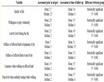
Table 1. Technology-assisted addiction treatment: salient technological innovations and their application in the treatment of substance use disorders.
3. Technology-Assisted Addiction Treatment, Global Public Health and Key Populations
The high level of use of illicit drug and alcohol in key populations coupled to the increasing development of technology driven advances in the treatment of substance-use disorders suggest merging the two issues would be important in addressing the global public health burden due to substance use disorders. Globally, over 90% of individuals have access to the internet and mobile cell phone services (International Telecommunications Union, 2012). This access, which can be used for technology-assisted addiction treatment and reducing high-risk sexual behavior, can also be used to promote substance use and high risk sexual behavior (Benotsch, Snipes, Martin, & Bull, 2013; Hanson, Cannon, Burton, & Giraud-Carrier, 2013; Reback, Grant, Fletcher, Branson, Shoptow, Bowers, Charania, & Mansergh, 2012). For key populations, technology use, particularly the internet is being increasing used for social networking which can lead to enhance illicit drug use (Barratt, Ferris, & Winstock, 2014; Rocha, Lileros, & Holme, 2010; Mackey & Liang, 2013; Young & Shoptaw, 2013). However, this technology can also be used for providing a supportive, patient friendly environment to engage key populations in access to prevention, care and retention in care (Horvath, Carrico, Simony, Boyer, Amico, & Petroll, 2013; Khosropour, Johnson, Ricca, & Sullivan, 2013). In addition, technology-assisted screening for drug use can assist in determining drug use behaviors for key populations (Guichard, Guignard, Michels, Beck, Arwidson, Lert, & Roy, 2013). Emerging data from studies are showing that integrating substance abuse treatment into available care and treatment service delivery systems, such as HIV/AIDS, provides an effective venue to meet the treatment needs of key populations (Bachireddy, Soule, Izenberg, Dvoryak, Dumchev, & Altice, 2014; Drainoni, Farrell, Sorensen-Alawad, Palmisano, Chaisson, & Walley, 2014). This integrated service delivery system provides a platform to develop and deliver technology-based intervention as part of technology-assisted addiction treatment. Currently pilot projects with key populations have been performed and shown to effectively increase engagement in care and adherence to medication in limited resource settings (Dmitrieva, Frolov, Kresina, & Slater, 2012; Mall, Sibeko, Temmingh, Stein, Milligan, & Lund, 2013). With no pilot projects going to scale, the current focus of technology driven-interventions in resource limited settings is on direct text-messaging, with cell phone based reminders to encourage follow-up appointments and healthy behaviors (Kallander, Tibenderana, Akpogheneta, Strachan, Hill, ten Asbroek, Conteh, Kirkwood, & Meek, 2013). Thus, the ground work has been laid to develop, promote and adopt technology-driven interventions to assist the global efforts to enhance addiction treatment through technological innovations.