Some Properties on the Error-Sum Function of Alternating Sylvester Series ()
1. Introduction
For any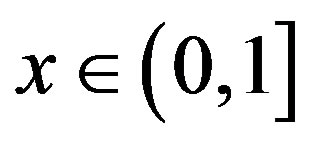 , let
, let 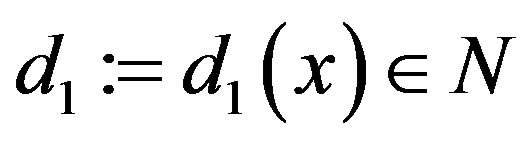 and
and 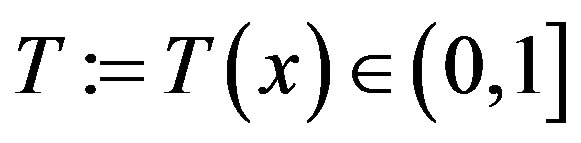 be defined as
 (1)
(1)
where 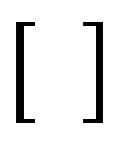 denote the integer part. And we define the sequence
 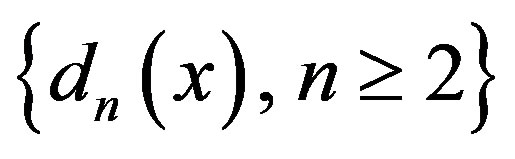 as follows:
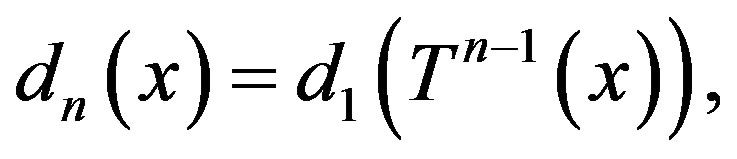 (2)
(2)
where 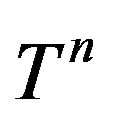 denotes the nth iterate of
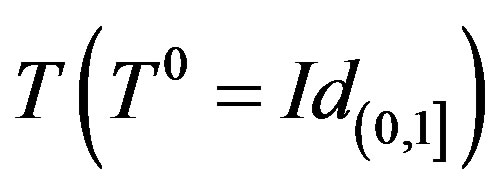 .
.
It is well known that from the algorithm (1), all 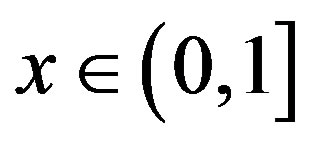 can be developped uniquely into an infinite or finite series
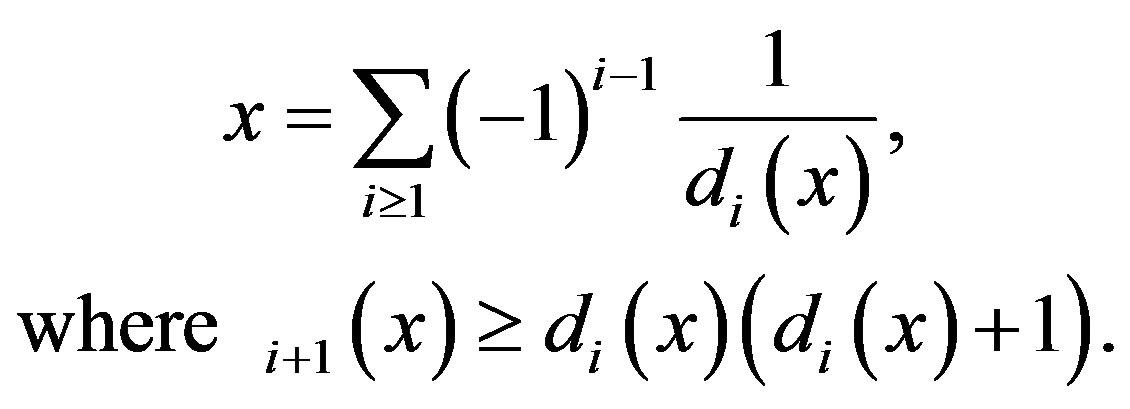 (3)
(3)
In the literature [2], (3) is called the Alternating Balkema-Oppenheim expansion of x and denoted by  for short. From the algorithm, one can see that T maps irrational element into irrational element, and the series is infinite. While for rational numbers, in fact, we have
 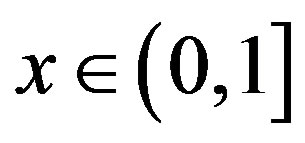 is rational if and only if its sequence of digits
 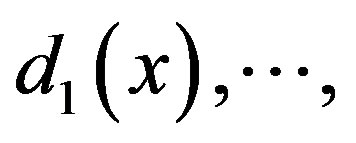 is terminate or periodic, see [1-3].
For any 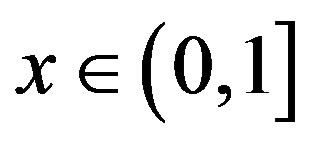 and
and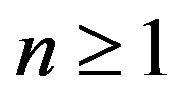 , define
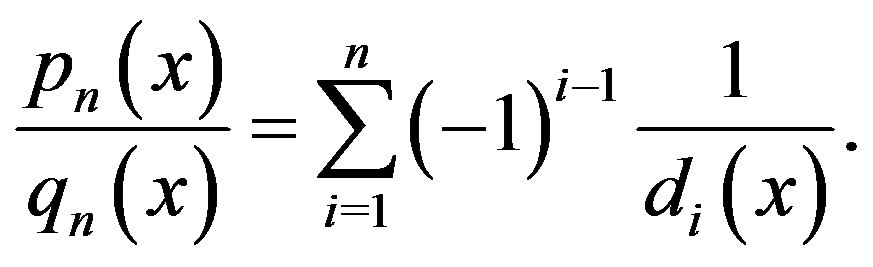
From the algorithm of (1), it is clear that
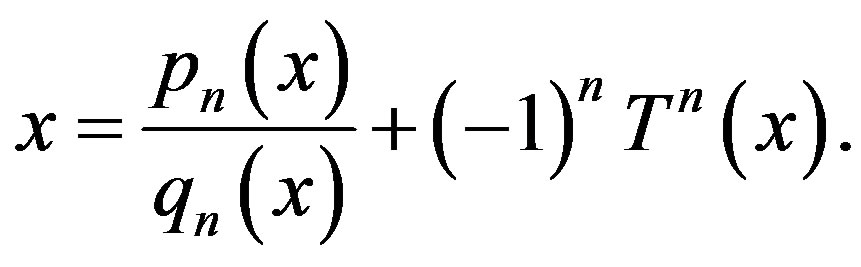 (4)
(4)
For any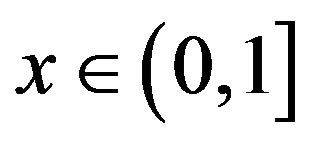 , let
, let  be its Alternating Sylvester expansion, then we have
 for any
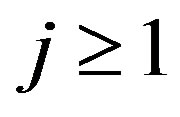 . On the other hand, any
 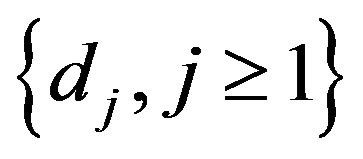 of integer sequence satisfying
 for all
 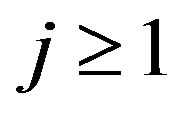 is a Sylvester admissible sequence, that is, there exists a unique
 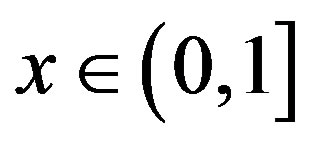 such that
 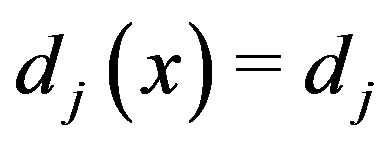 for all
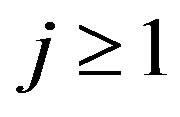 , see [9].
The behaviors of the sequence 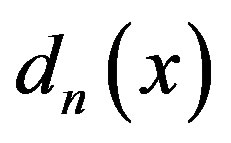 are of interest and the metric and ergodic properties of the sequence
 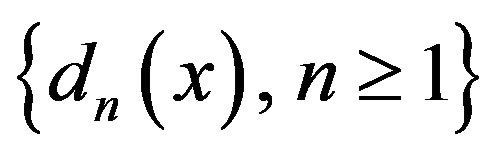 and
and  have been investigated by a number of authors, see [1-3].
For any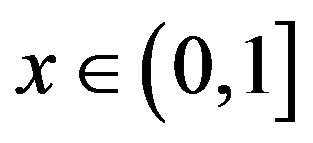 , define
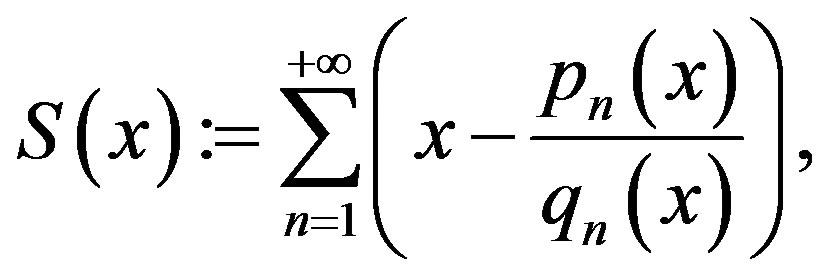 (5)
(5)
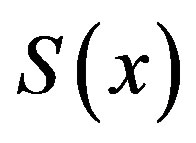
and we call 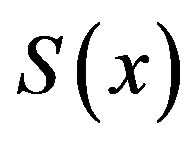 the error-sum function of Alternating Sylvester series. By (4), since
  for all
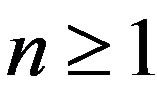 , then
 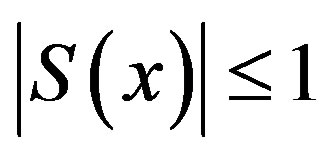 and
and 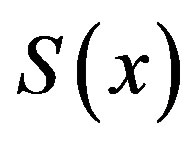 is well defined. In this paper, we shall discuss some basic nature of
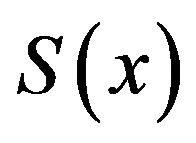 , also the Hausdorff dimension of the graph of
  is determined.
2. Some Basic Properties of 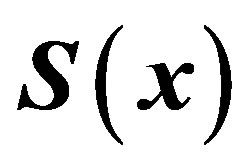
In what follows, we shall often make use of the symbolic space.
For any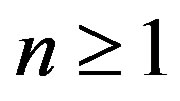 , let
, let

Define
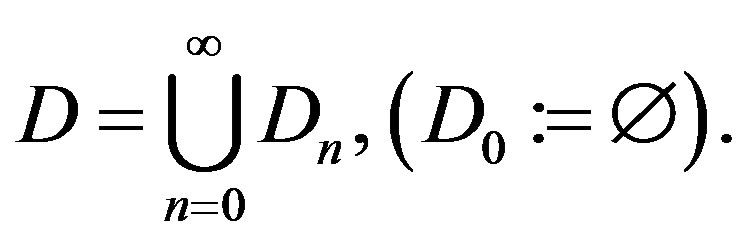
For any , write
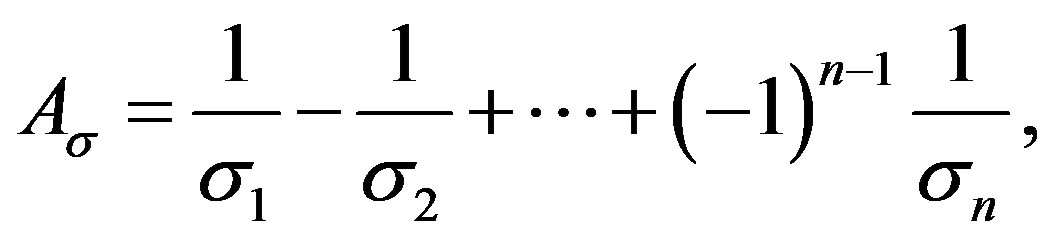 (6)
(6)
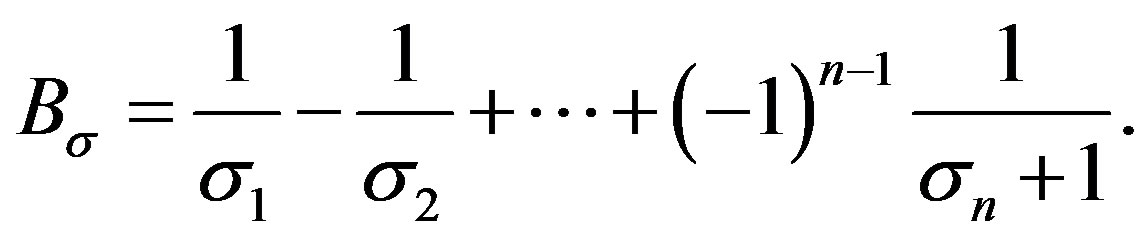 (7)
(7)
We use 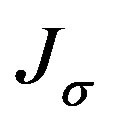 to denote the following subset of (0,1],
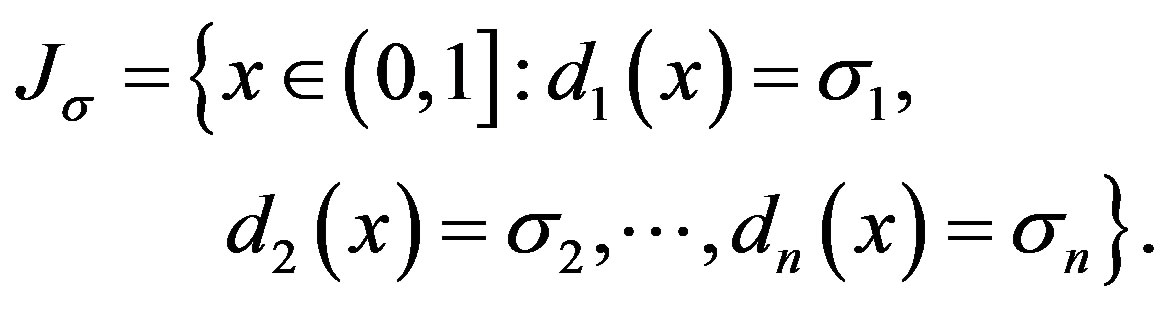 (8)
(8)
From theorem 4.14 of [8], we have 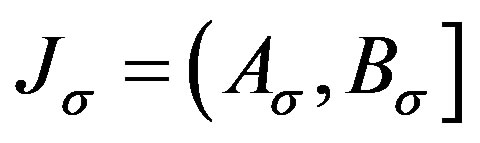 when
when  is even, and
 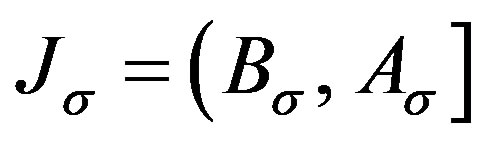 when
when  is odd. Finally, define
 (9)
(9)
Lemma 1. For any 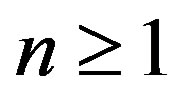 and
and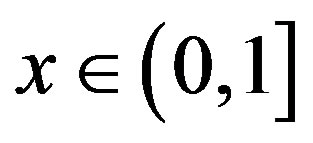 1)
1)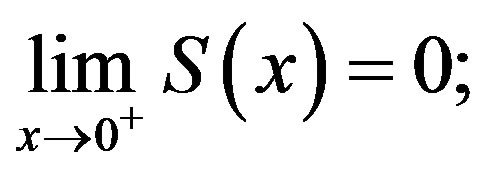 (10)
(10)
2)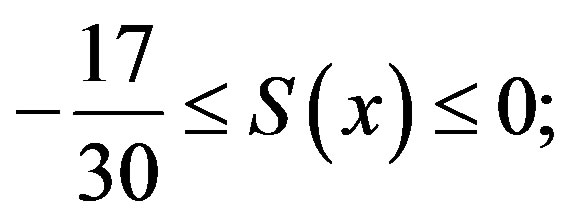 (11)
(11)
3)  (12)
(12)
Proof. 1) Since  and
and 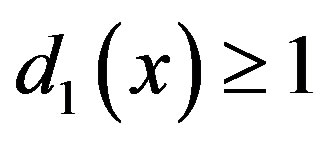 , so when
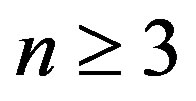 , we can get
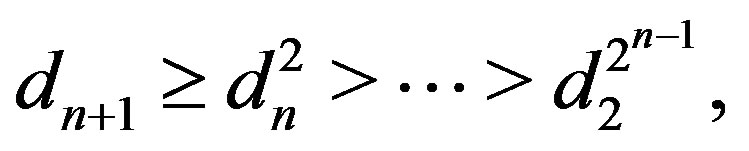
accordingly
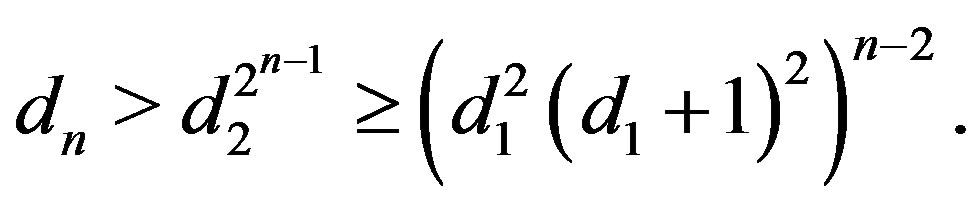
we write , so
, so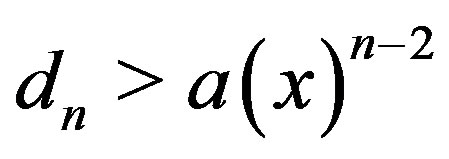 .
.
Now 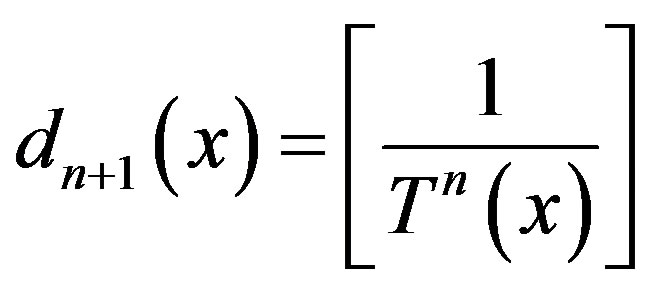 implies
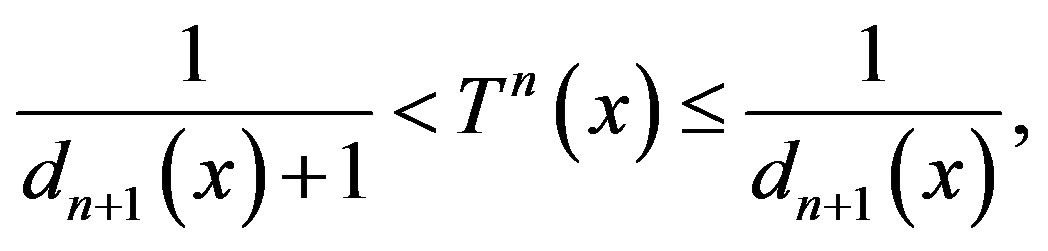 for
for 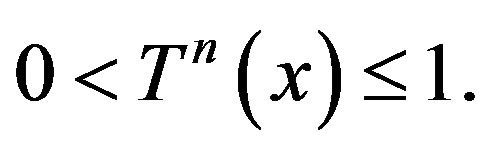
Thus
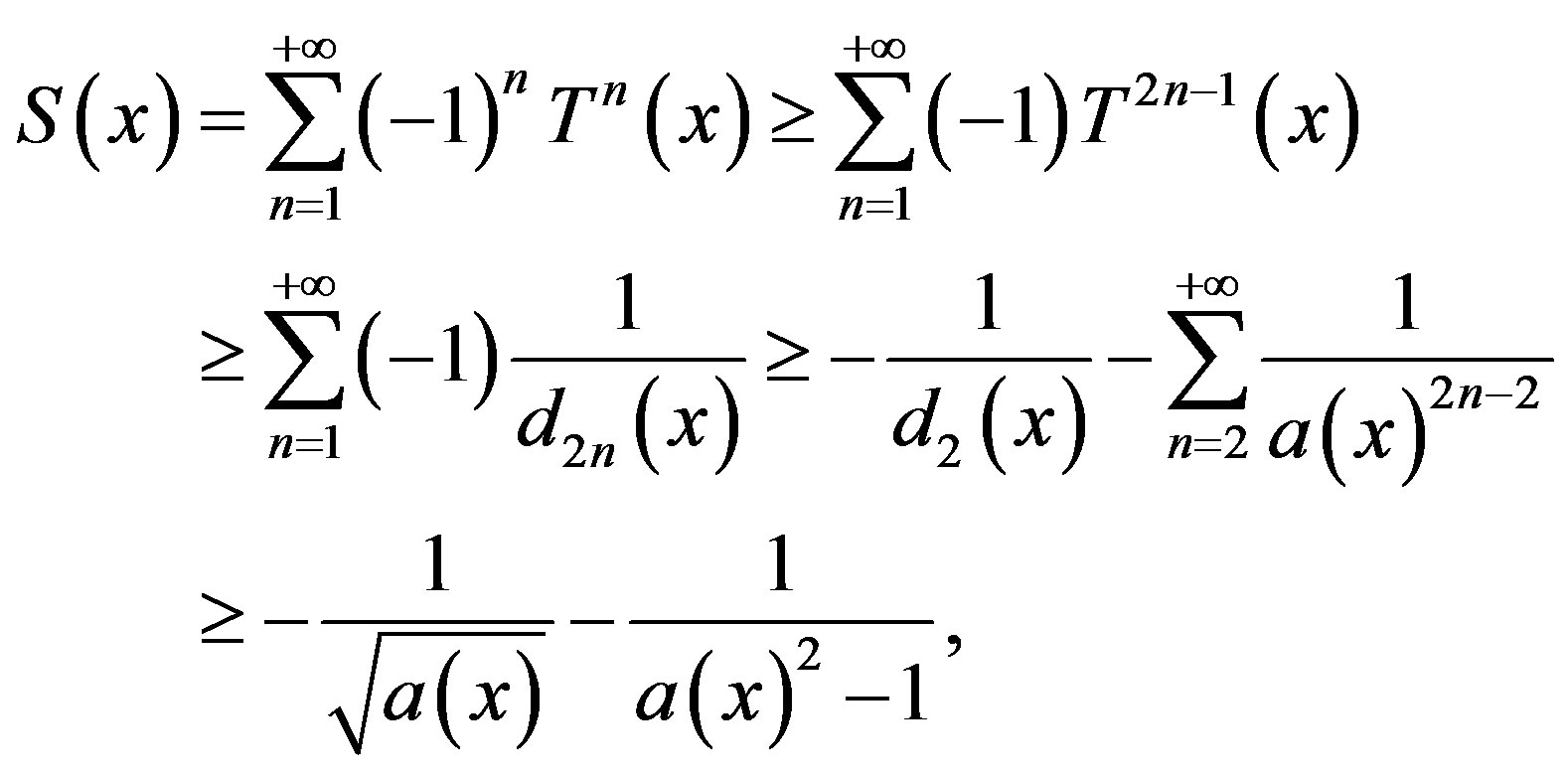
let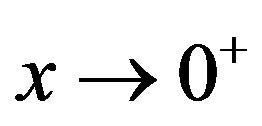 , we have
 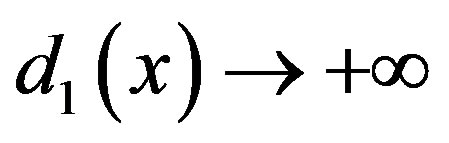 and
and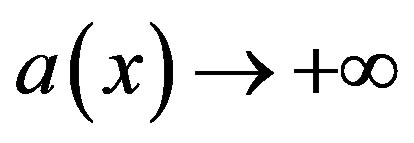 , thus
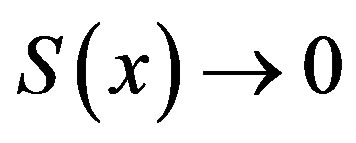
2) From 1) we know that
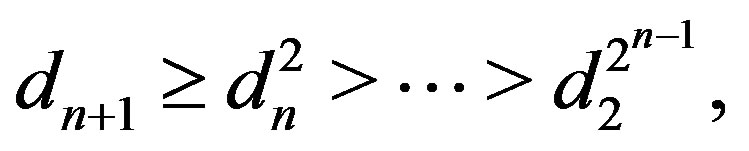
from the definition of 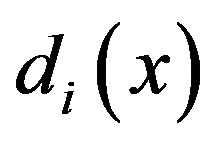 we also know that
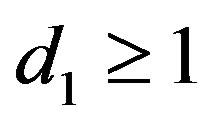 , so
, so 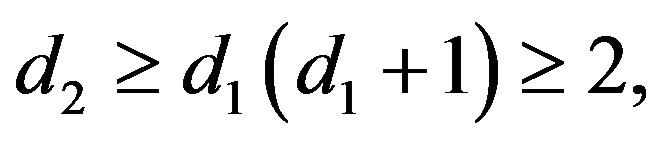
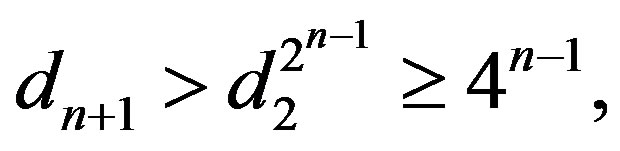
thus

3) Since as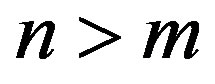 ,
,
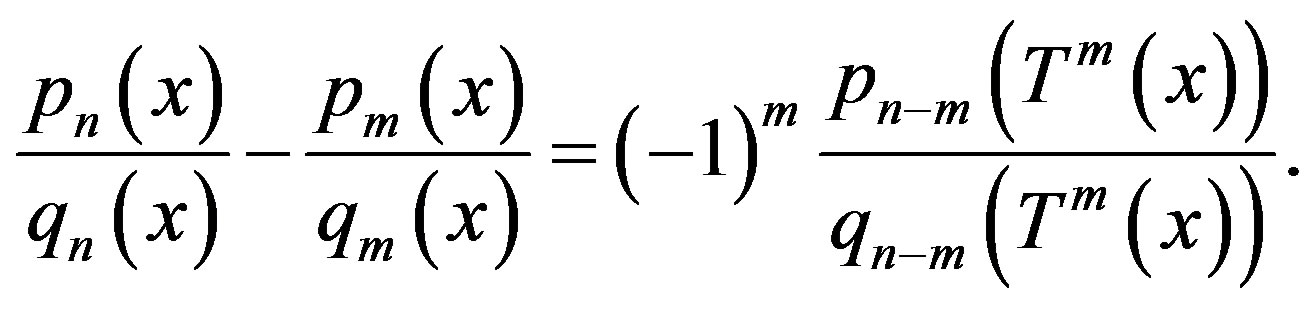
Thus
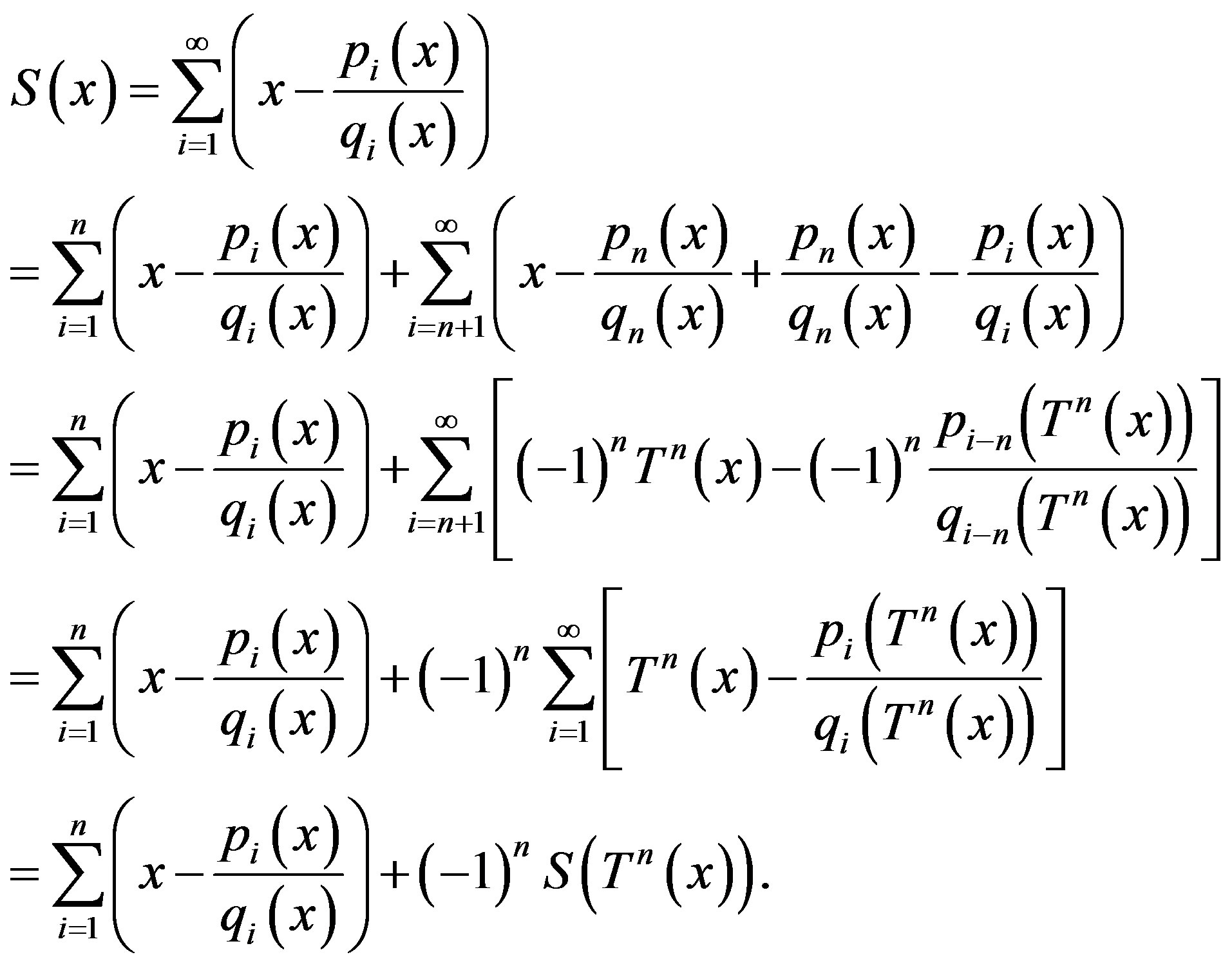
Let
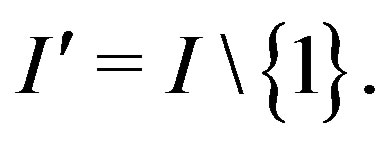
Proposition 2. For any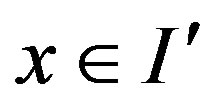 , if
, if  , then
 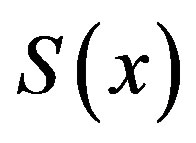 is left continuous but not right continuous. If
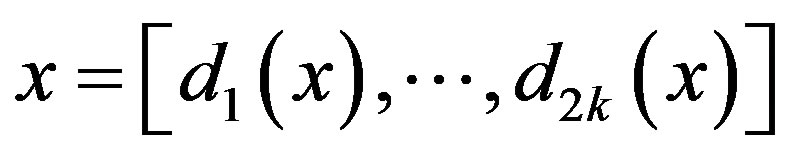 , then
 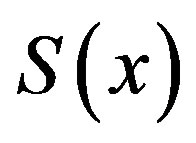 is right continuous but not left continuous.
Proof. For any 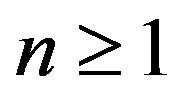 and
and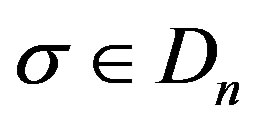 , write
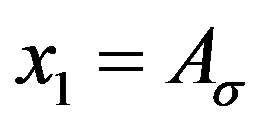 ,
, 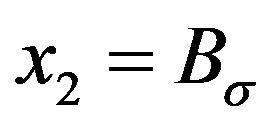 , where
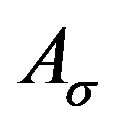 ,
, 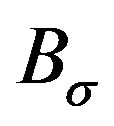 are given by (6) and (7).
Case I, 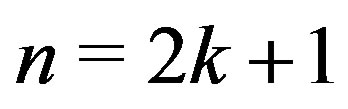 , then
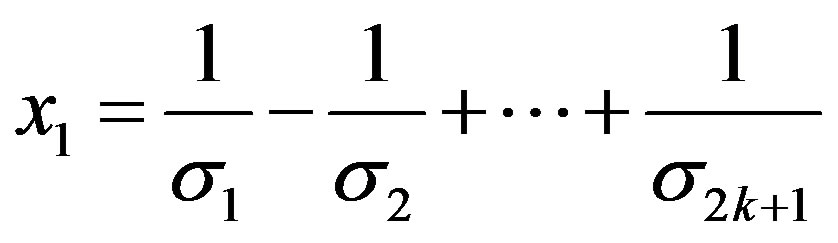 (13)
(13)
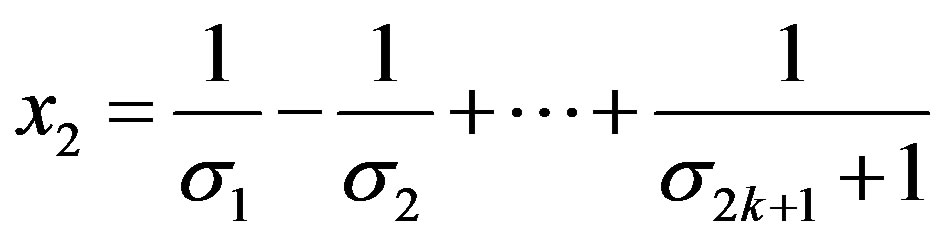 (14)
(14)
and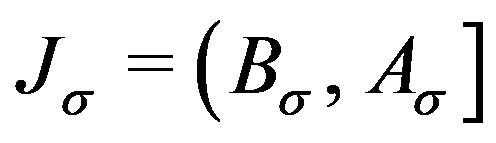 . For any
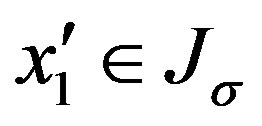 , since when
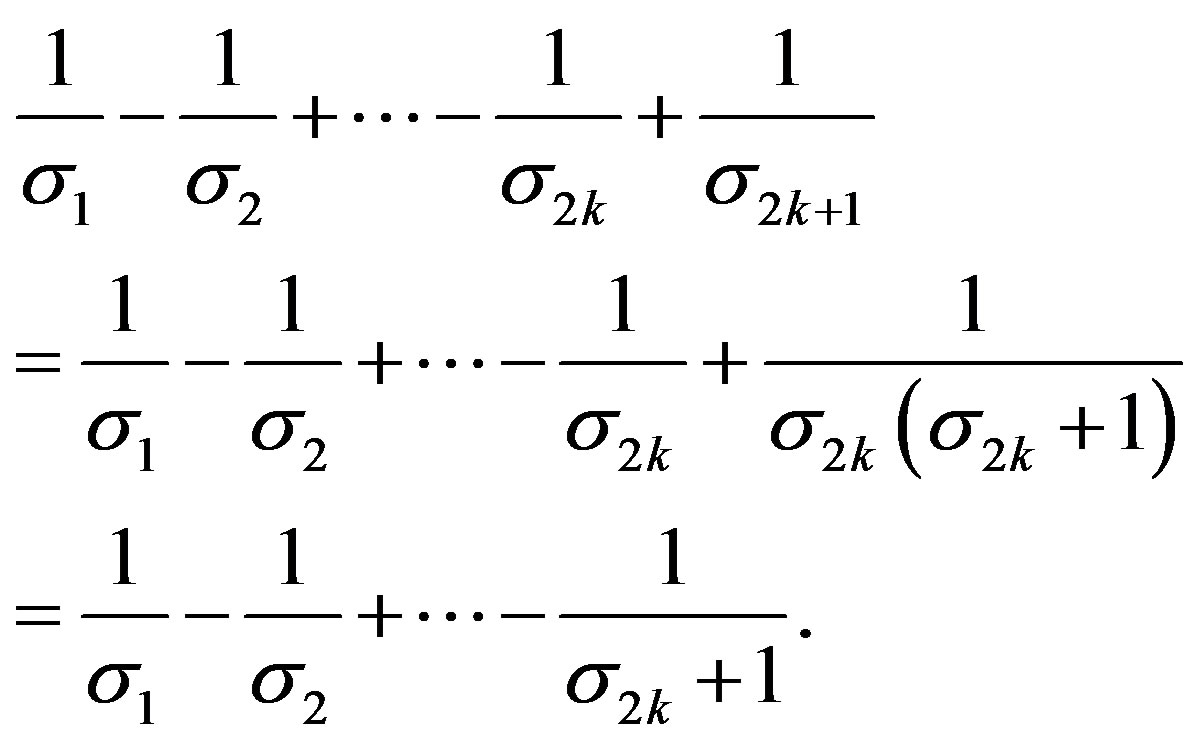
This situation is included in Case II, so we can take 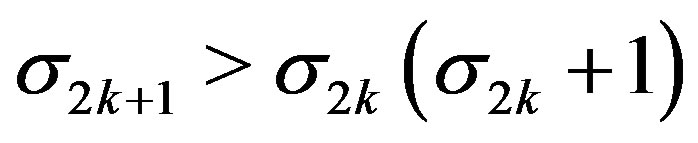 and
and

i.e.

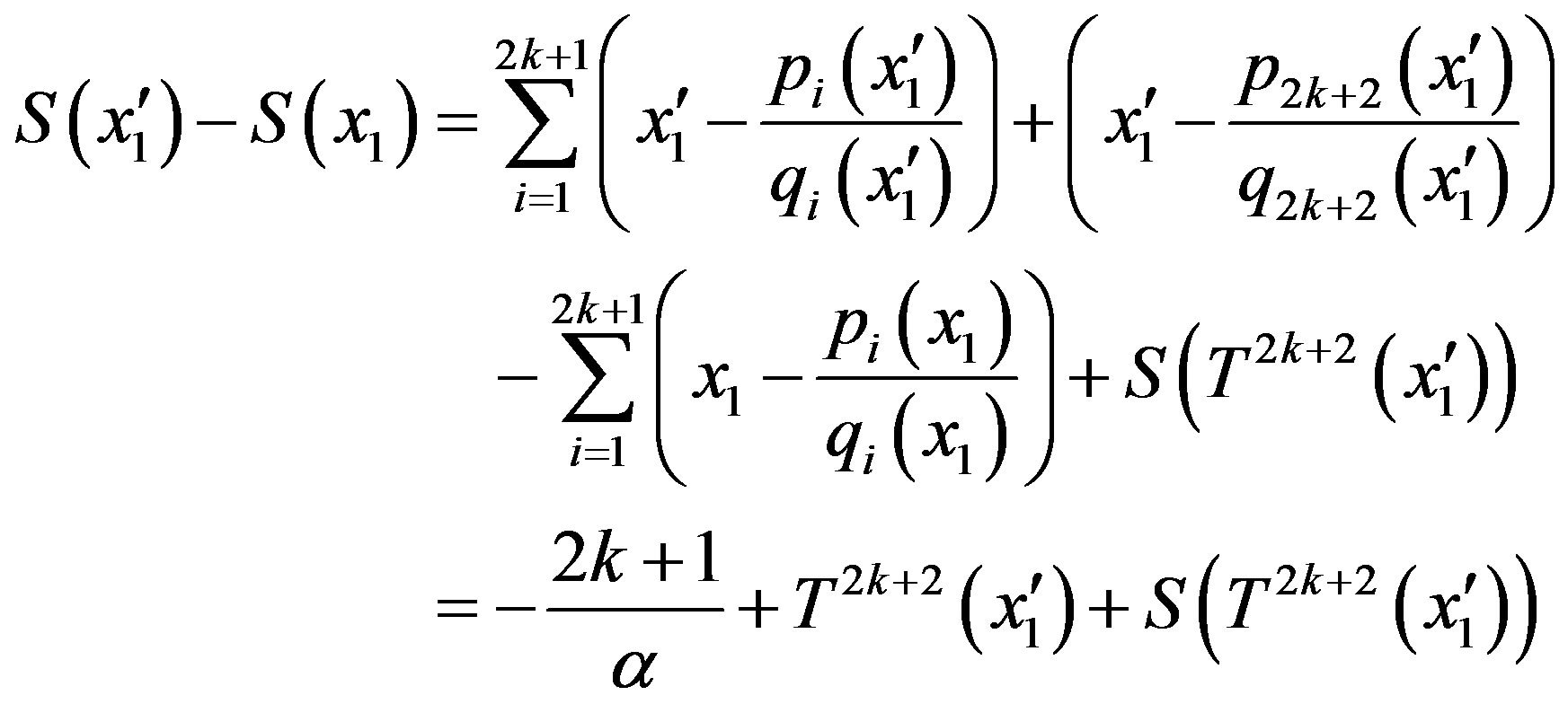
By (2),

which implies
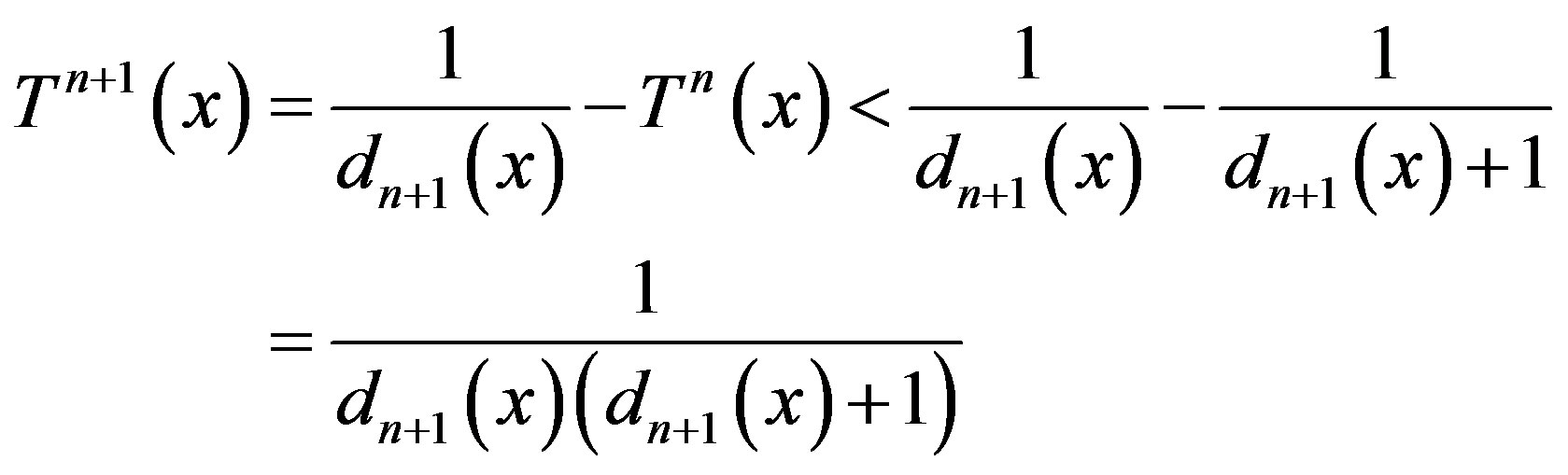
and
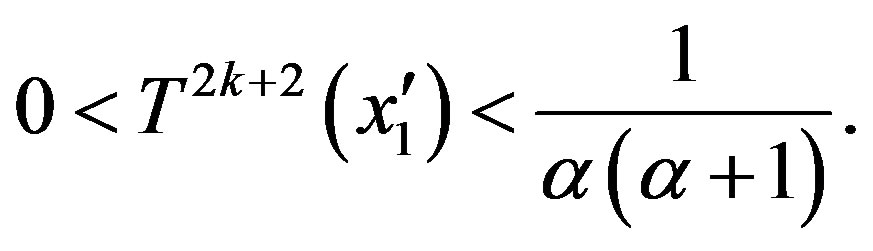
Let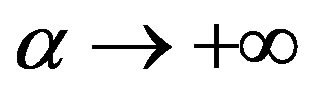 , we get
 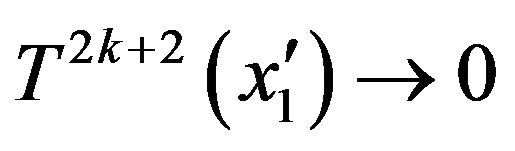 and
and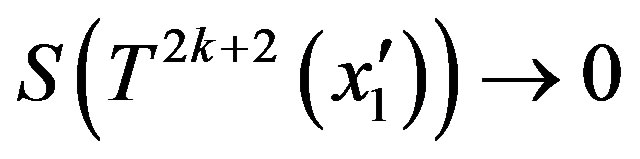 , thus
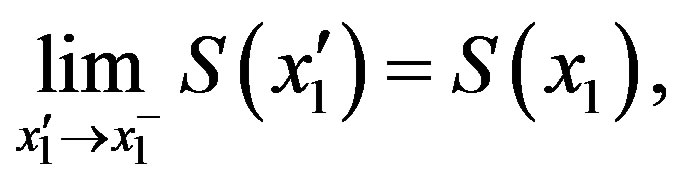
and this implies 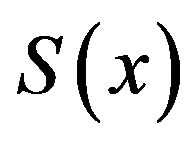 is left continuous at
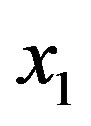 .
.
Let
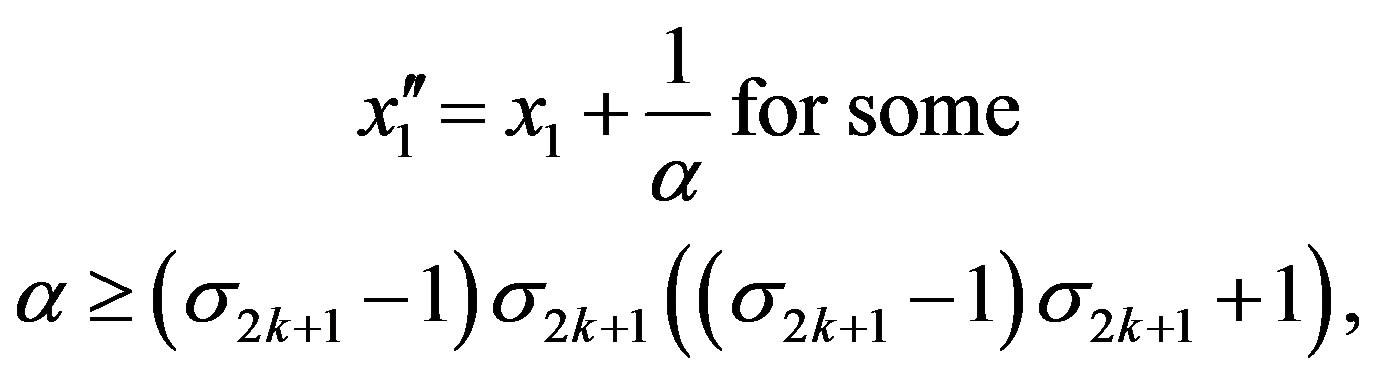

then
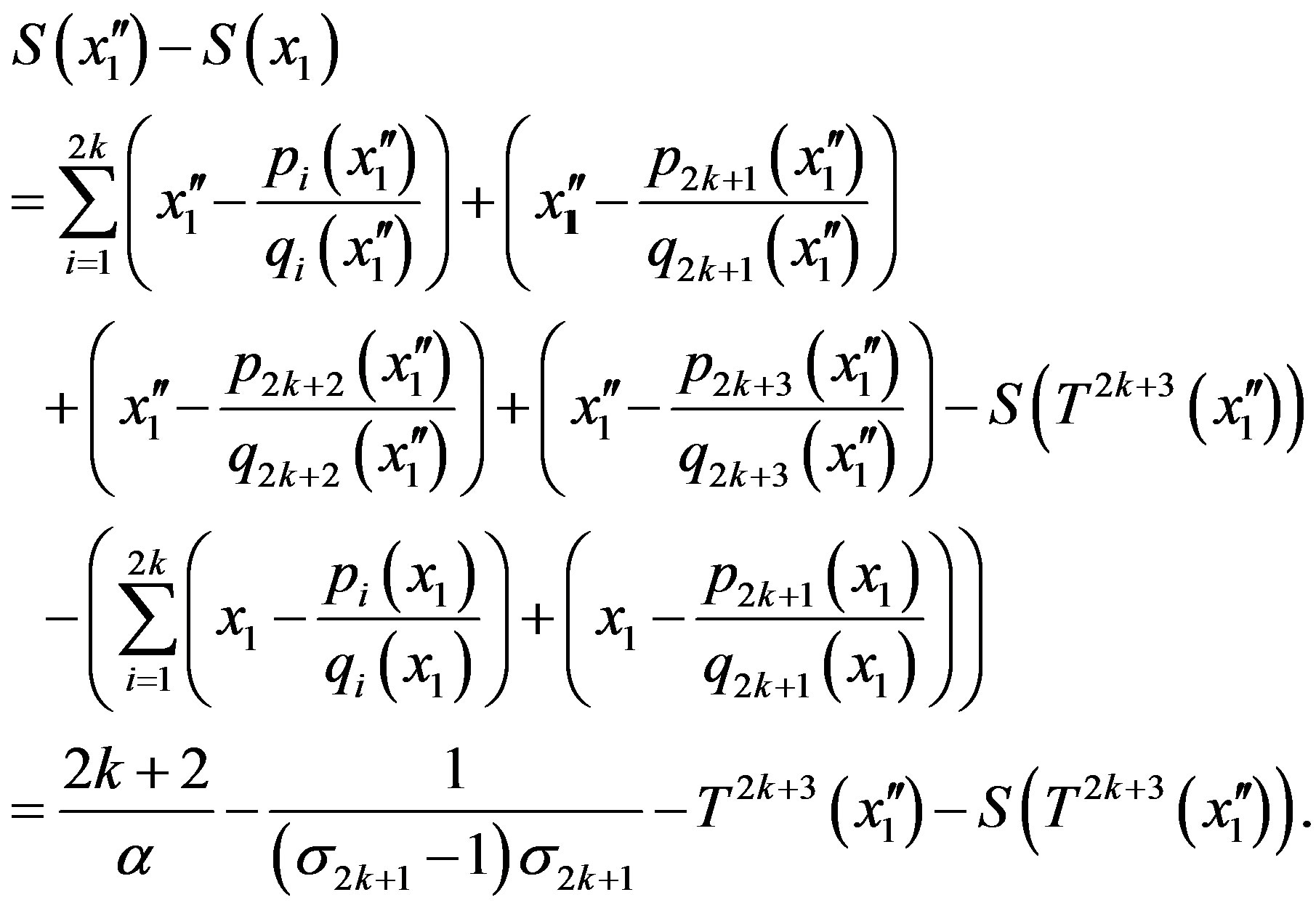
Let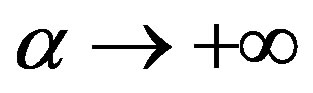 , we have
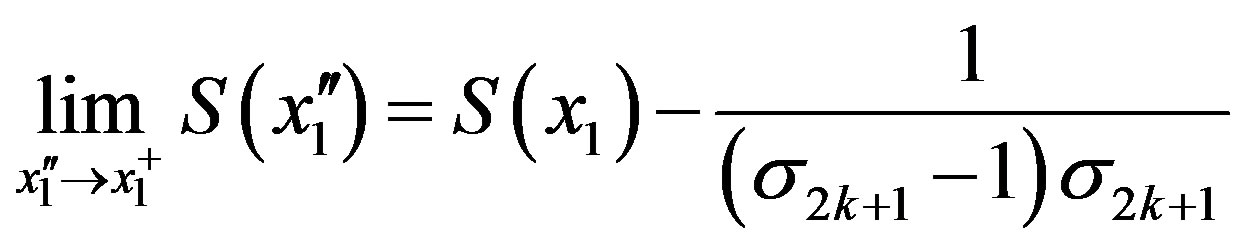
and this implies 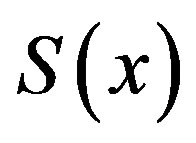 is not right continuous at
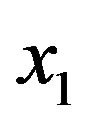 . For
. For
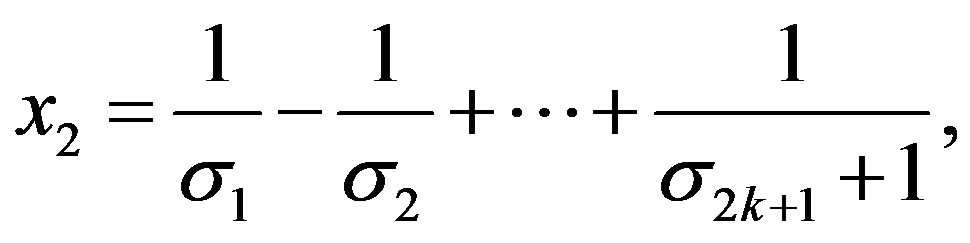 (15)
(15)
following the same line as above, we have

Case II 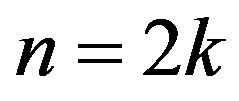
Let
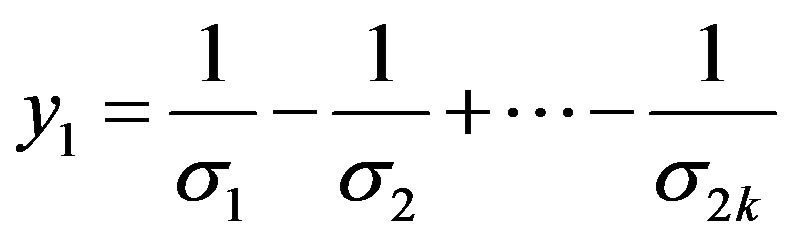 (16)
(16)
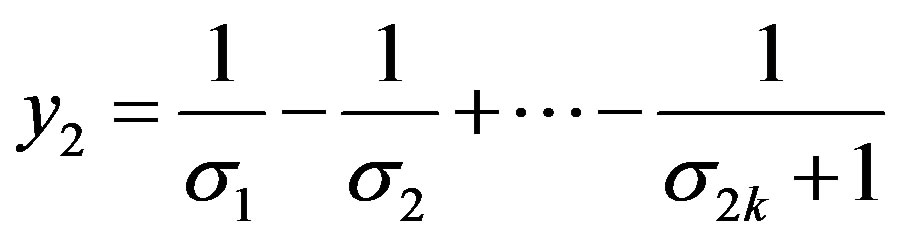 (17)
(17)
Following the same line as above, we have
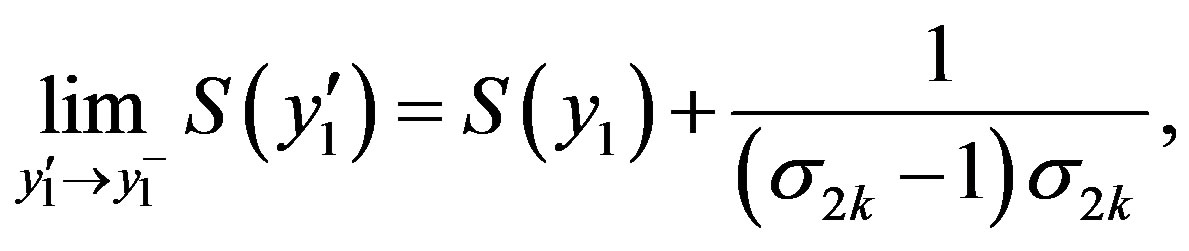
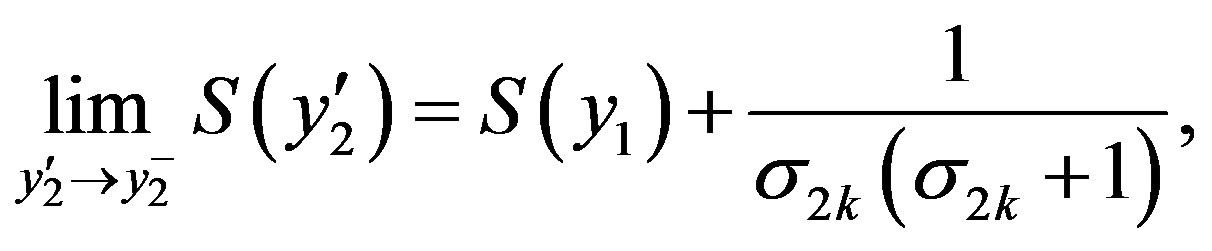
and 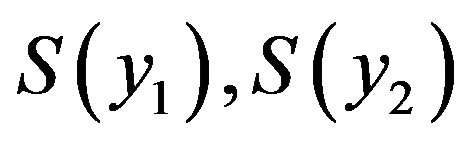 is right continuous.
Corollary 3. For any 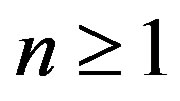 and
and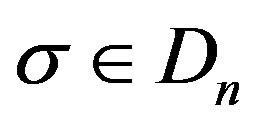 , write
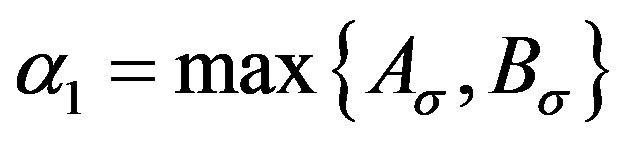 ,
,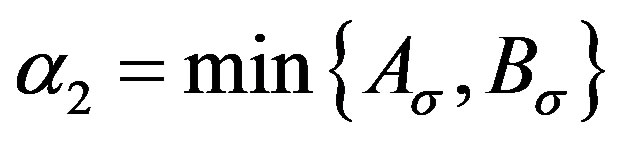 . Then for any
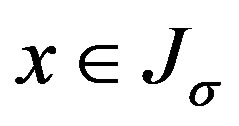 , if
, if 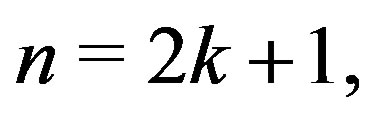 then
then

where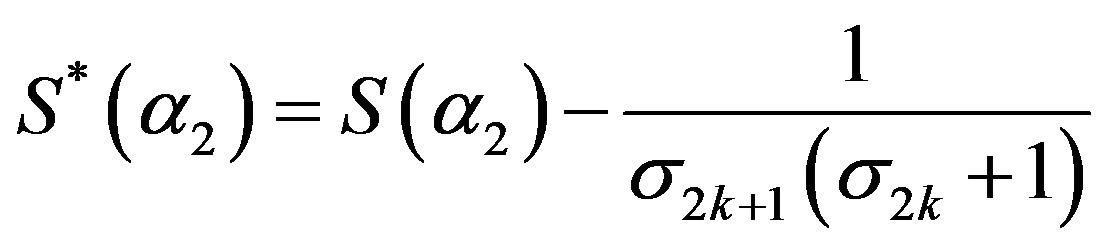 .
.
From the corollary, for any 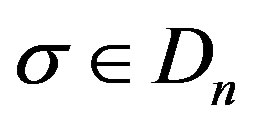

where 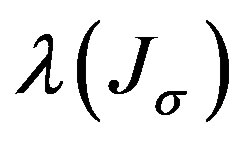 is the Lebesgue measure of
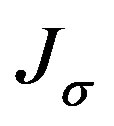 .
.
Theorem 4. 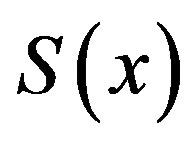 is continuous on
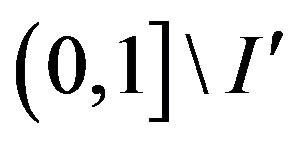 .
.
Proof: For any 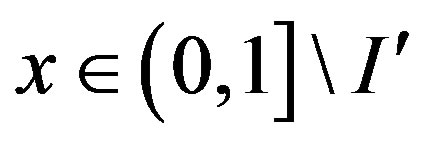 and
and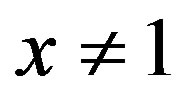 , let
, let  be its Alternating Sylvester expansion. For any
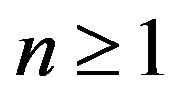 , write
 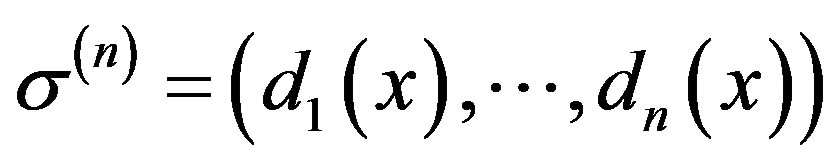 . By (Corollary 3), for any
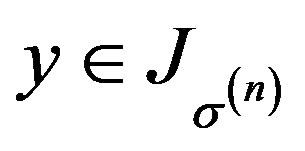 , we have

Write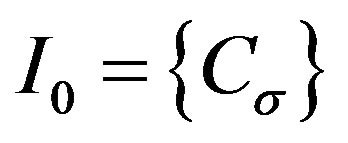 , where
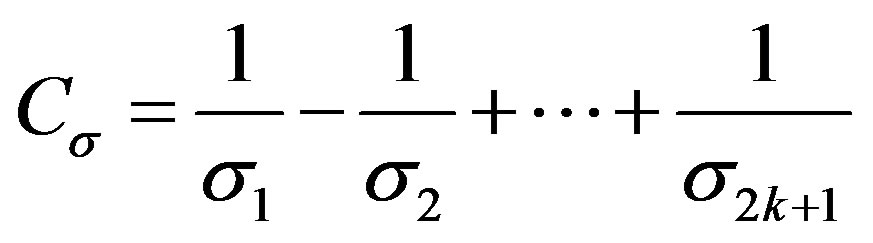
Theorem 5. If , then there exists
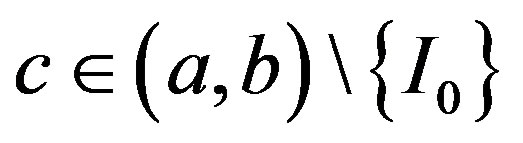 , such that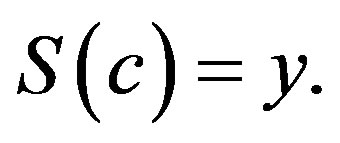
Proof. Set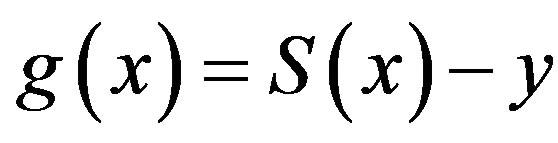 , then
 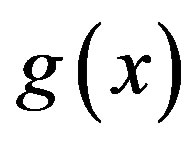 has the same continuity as
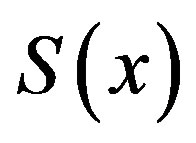 . Write

trivially, 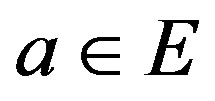 , then the set is well defined.
If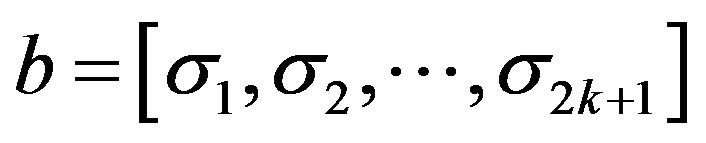 , then by the left continuity of
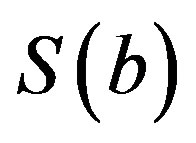 , we have
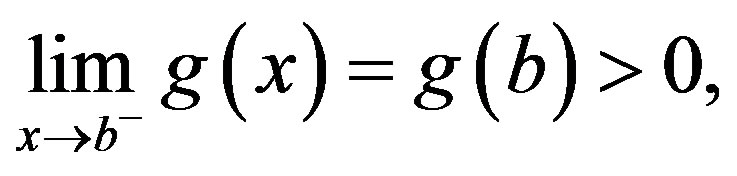
As a result, there exists a 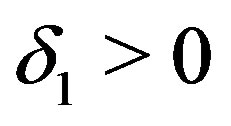 such that for any
 .
.
If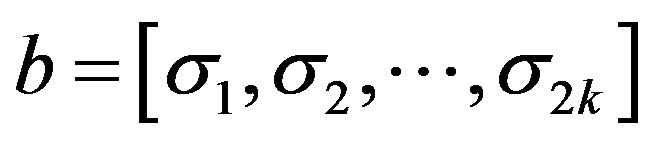 , since
 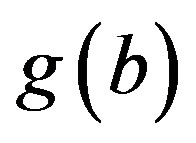 is not left continuous, then
 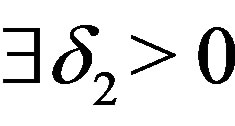 such that for any
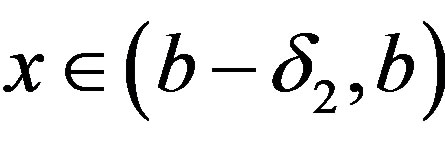 ,
, 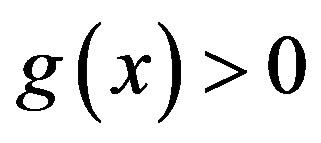 , that is
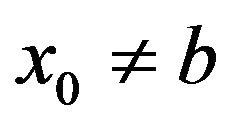 .
.
Following the same line as above, we can prove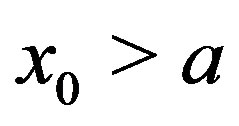 .
.
Now we shall prove that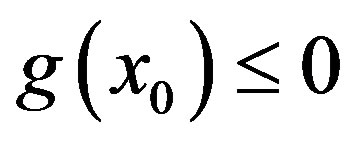 . We can choose
 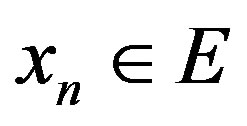 such that
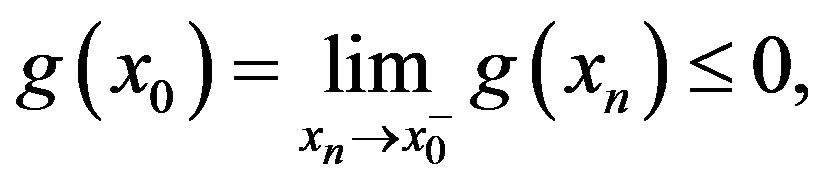
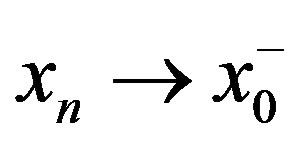 , if
, if , then
if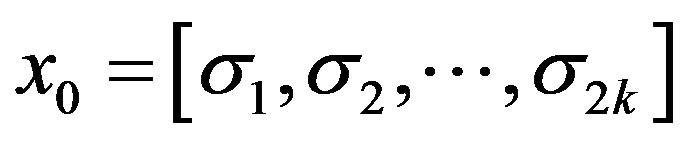 , then

In both case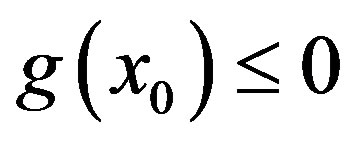 . Following the same line as above, we can prove
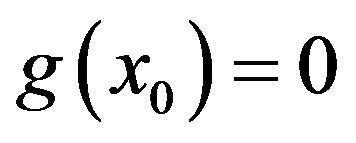 , and
, and  .
.
Therefore, there exists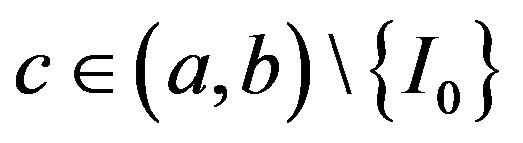 , such that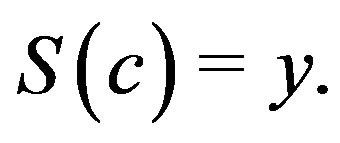
Theorem 6.  and
and 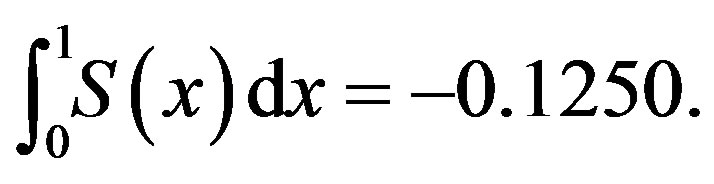
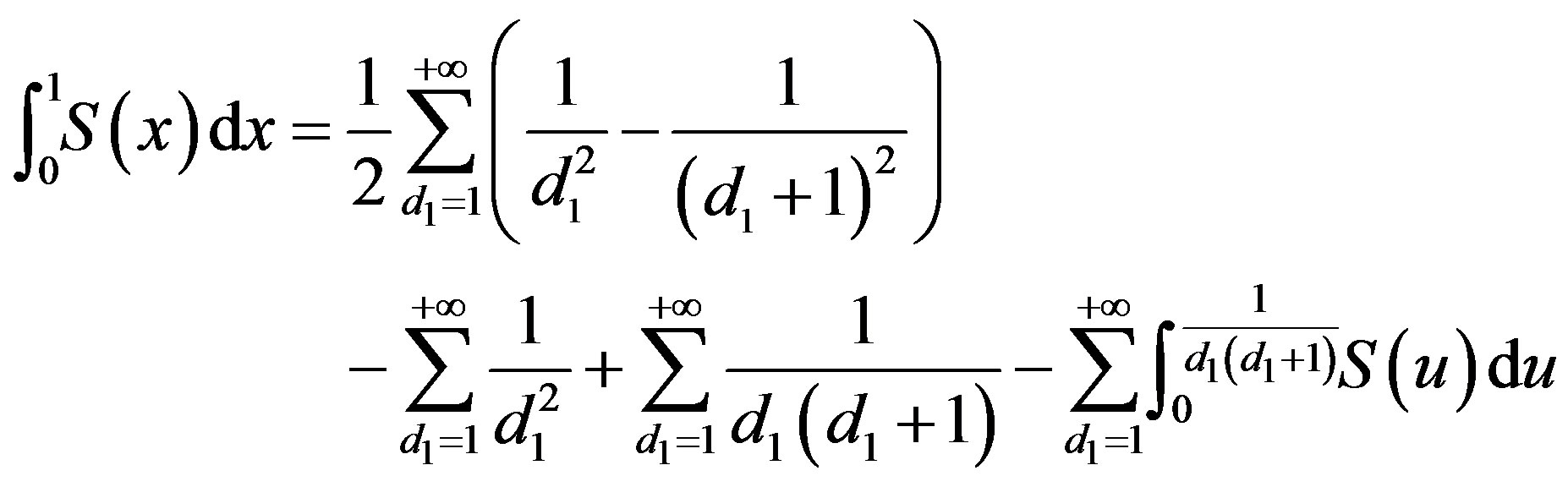
Proof.
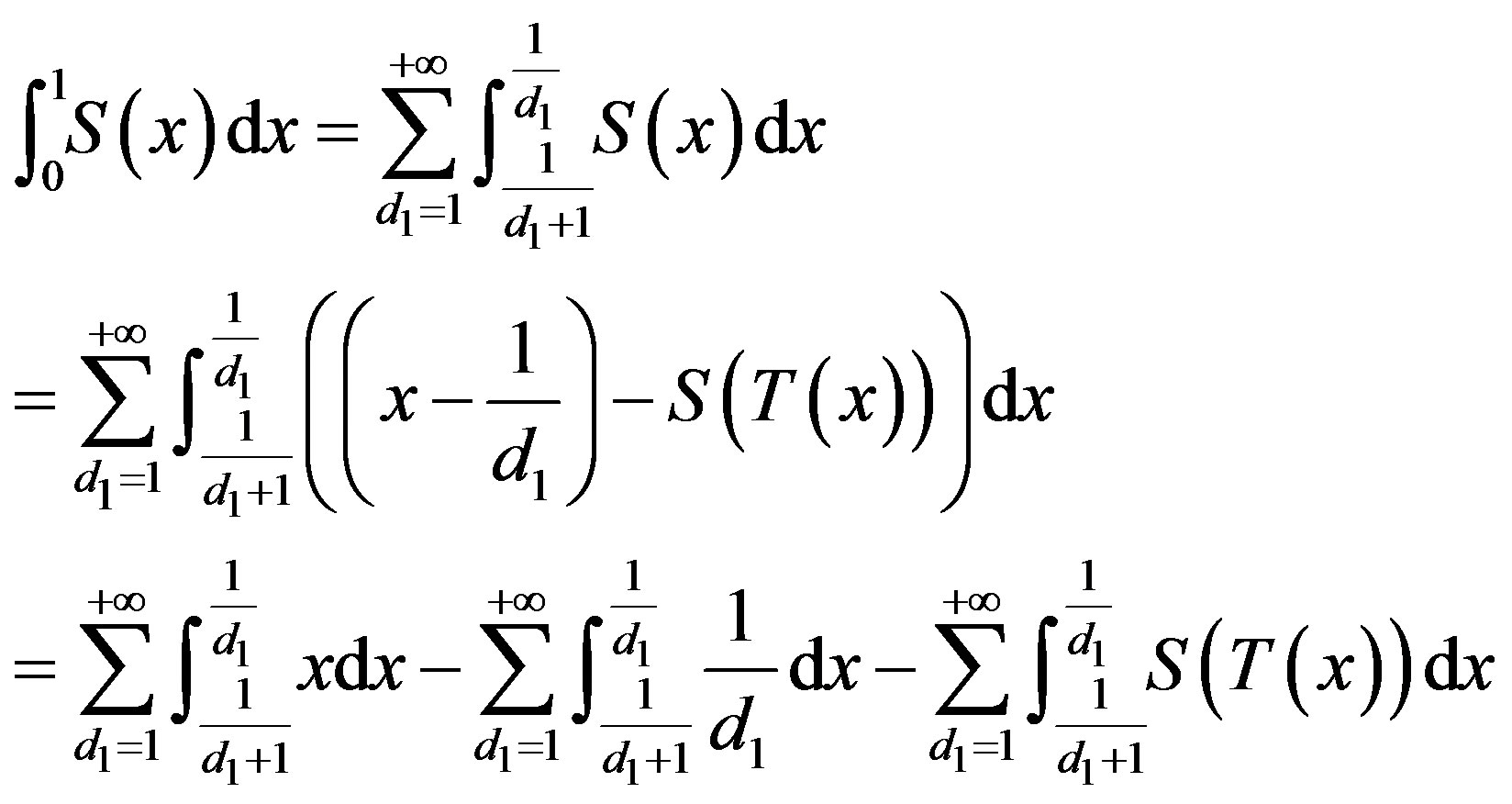
Let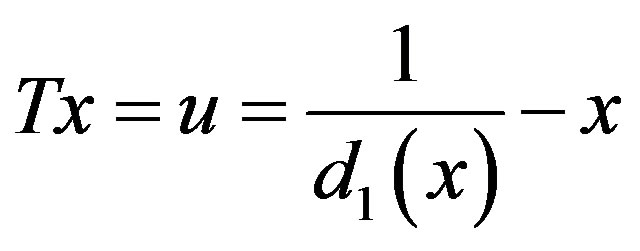 , then
 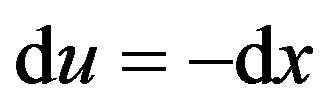 thus
thus
thus,

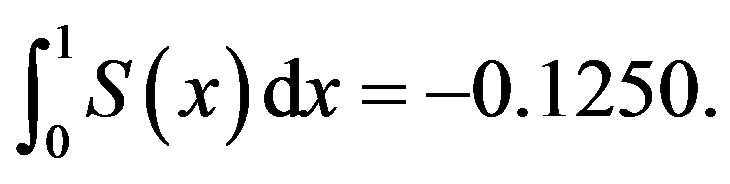
Through the MATLAB program we can get the definite integration
3. Hausdorff Dimension of Graph for 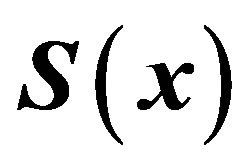
Write

Theorem 7.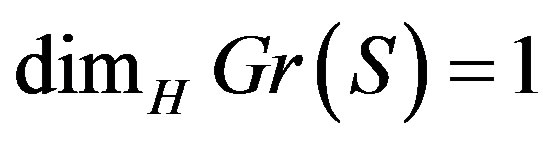 .
.
Proof. For any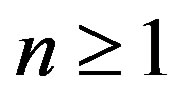 ,
, 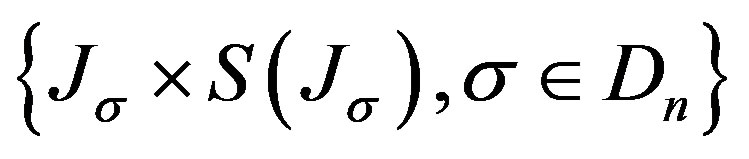 is a covering of
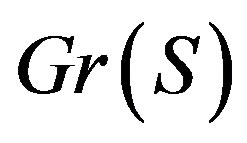 . From (Cor 3),
 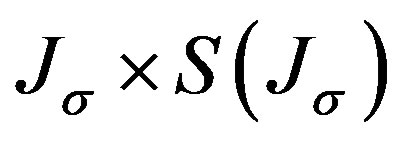 can be covered by
  squares with side of length
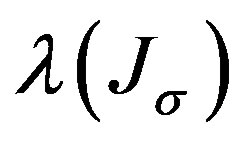 . For any
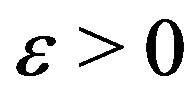 ,
,
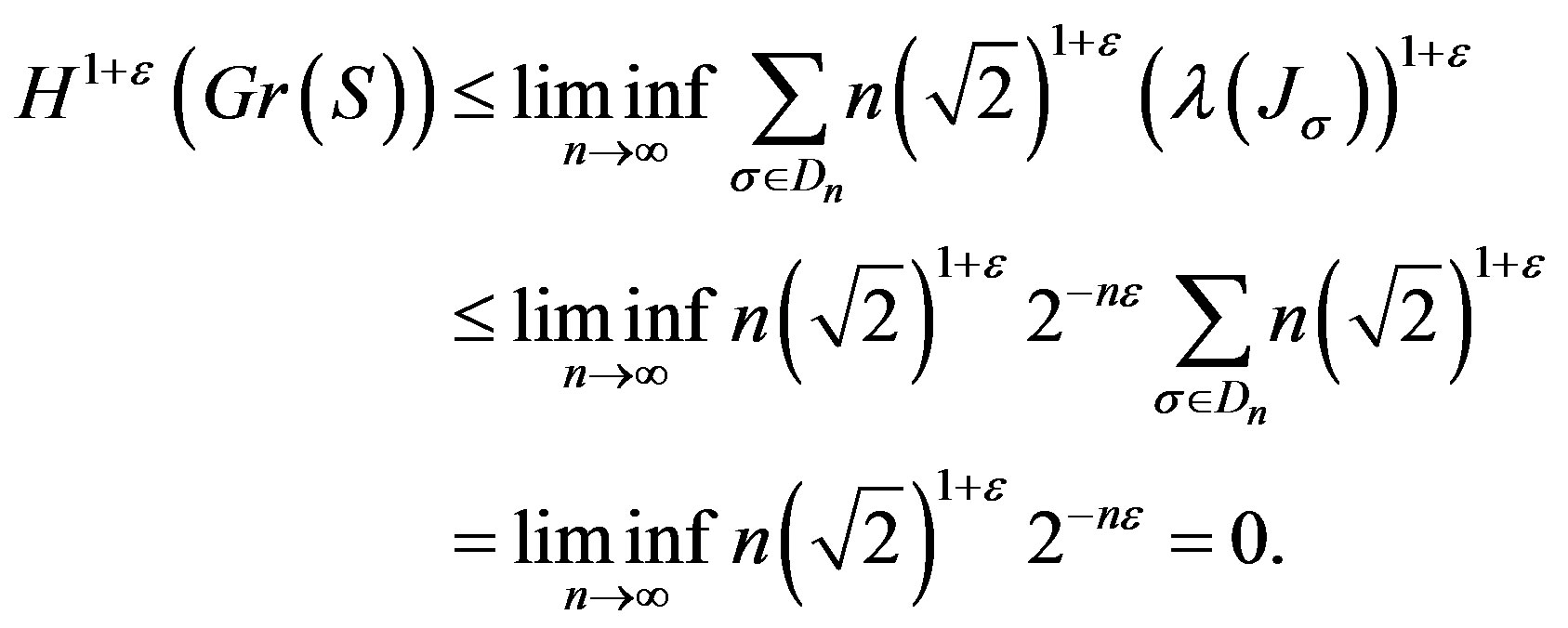
Thus, 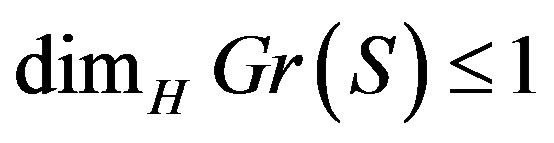
Since
 then
then

so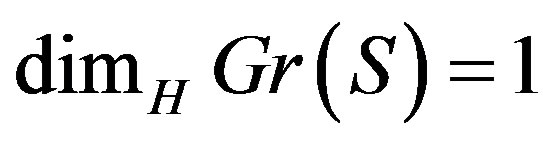 .
.
4. Acknowledgements
This work is supported by the Hunan Education Department Fund (11C671).
NOTES