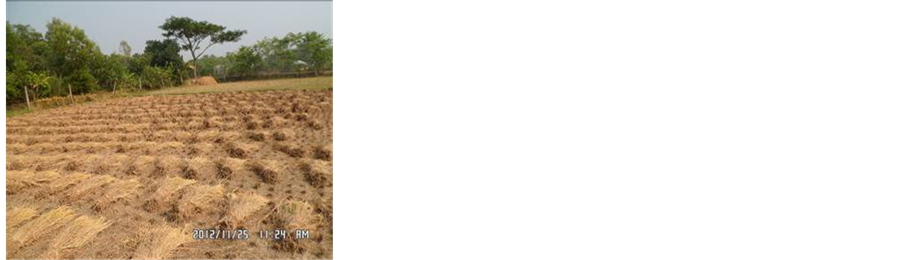
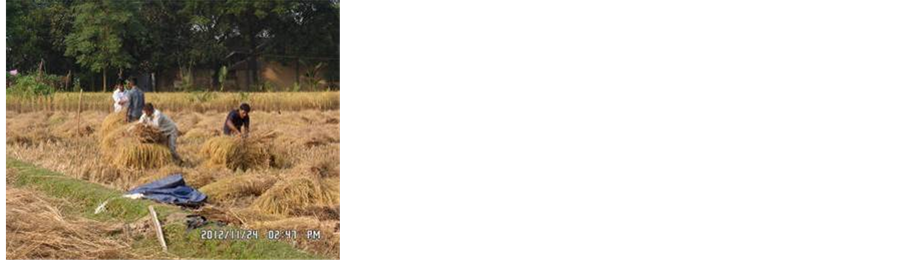
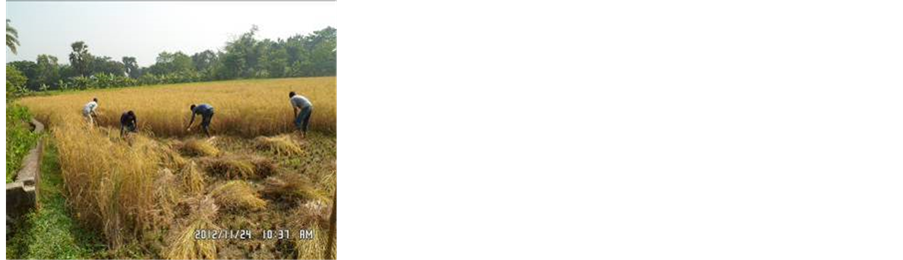
<?xml version="1.0" encoding="UTF-8"?><!DOCTYPE article  PUBLIC "-//NLM//DTD Journal Publishing DTD v3.0 20080202//EN" "http://dtd.nlm.nih.gov/publishing/3.0/journalpublishing3.dtd"><article xmlns:mml="http://www.w3.org/1998/Math/MathML" xmlns:xlink="http://www.w3.org/1999/xlink" dtd-version="3.0" xml:lang="en" article-type="research article"><front><journal-meta><journal-id journal-id-type="publisher-id">AS</journal-id><journal-title-group><journal-title>Agricultural Sciences</journal-title></journal-title-group><issn pub-type="epub">2156-8553</issn><publisher><publisher-name>Scientific Research Publishing</publisher-name></publisher></journal-meta><article-meta><article-id pub-id-type="doi">10.4236/as.2017.86037</article-id><article-id pub-id-type="publisher-id">AS-77309</article-id><article-categories><subj-group subj-group-type="heading"><subject>Articles</subject></subj-group><subj-group subj-group-type="Discipline-v2"><subject>Biomedical&amp;Life Sciences</subject><subject> Earth&amp;Environmental Sciences</subject></subj-group></article-categories><title-group><article-title>
 
 
  Status and Constrain for Mechanization of Rice Harvesting System in Bangladesh
 
</article-title></title-group><contrib-group><contrib contrib-type="author" xlink:type="simple"><name name-style="western"><surname>Bidhan</surname><given-names>Chandra Nath</given-names></name><xref ref-type="aff" rid="aff1"><sup>1</sup></xref><xref ref-type="corresp" rid="cor1"><sup>*</sup></xref></contrib><contrib contrib-type="author" xlink:type="simple"><name name-style="western"><surname>Yo-Sang</surname><given-names>Nam</given-names></name><xref ref-type="aff" rid="aff2"><sup>2</sup></xref></contrib><contrib contrib-type="author" xlink:type="simple"><name name-style="western"><surname>Md.</surname><given-names>Durrul Huda</given-names></name><xref ref-type="aff" rid="aff1"><sup>1</sup></xref></contrib><contrib contrib-type="author" xlink:type="simple"><name name-style="western"><surname>Md.</surname><given-names>Mizanur Rahman</given-names></name><xref ref-type="aff" rid="aff1"><sup>1</sup></xref></contrib><contrib contrib-type="author" xlink:type="simple"><name name-style="western"><surname>Panna</surname><given-names>Ali</given-names></name><xref ref-type="aff" rid="aff3"><sup>3</sup></xref></contrib><contrib contrib-type="author" xlink:type="simple"><name name-style="western"><surname>Subrata</surname><given-names>Paul</given-names></name><xref ref-type="aff" rid="aff1"><sup>1</sup></xref></contrib></contrib-group><aff id="aff2"><addr-line>TYM R&amp;amp;D Center, Gongju, South Korea</addr-line></aff><aff id="aff3"><addr-line>Entomology Division, Bangladesh Rice Research Institute, Gazipur, Bangladesh</addr-line></aff><aff id="aff1"><addr-line>Farm Machinery and Postharvest Technology Division, Bangladesh Rice Research Institute, Gazipur, Bangladesh</addr-line></aff><author-notes><corresp id="cor1">* E-mail:<email>bidhanbrri@gmail.com(BCN)</email>;</corresp></author-notes><pub-date pub-type="epub"><day>21</day><month>06</month><year>2017</year></pub-date><volume>08</volume><issue>06</issue><fpage>492</fpage><lpage>506</lpage><history><date date-type="received"><day>April</day>	<month>16,</month>	<year>2017</year></date><date date-type="rev-recd"><day>Accepted:</day>	<month>June</month>	<year>26,</year>	</date><date date-type="accepted"><day>June</day>	<month>29,</month>	<year>2017</year></date></history><permissions><copyright-statement>&#169; Copyright  2014 by authors and Scientific Research Publishing Inc. </copyright-statement><copyright-year>2014</copyright-year><license><license-p>This work is licensed under the Creative Commons Attribution International License (CC BY). http://creativecommons.org/licenses/by/4.0/</license-p></license></permissions><abstract><p>
 
 
  To know the position, problems and suggestion of harvest mechanization of rice, the study conducted in 21 upzillas under seven regions (Dhaka, Mymensingh, Sylhet, Comilla, Bogra, Rajshahi and Rangpur) based on different agro-climatic condition and cropping intensity and 126 farmers participated in the interview. For collecting data, a structured questionnaire was used and statistical analysis of the collected data was carried out. In study area, the average cultivable area was 225 to 1239 decimal (1 decimal = 40 m
  <sup>2</sup>) and 97.60% farmer reaping by sickle and only 0.80% used combine harvester. Cut paddy transported by head (13.49%), shoulders (12.7%) or both of them of 11.11% farmer and 44.44% of farmers used small truck or field threshed. Threshing was mainly done using (49.21%) closed drum thresher and open drum thresher (26.20%), likewise 1 of 126 farmer use head-feed combine harvester. The study area, most farmers (37.3%) used 
  kula for the cleaning of rice, but only 8.74% of farmers used winnower. In considerable amount, 80.95% of farmers had machinery, while the remaining (19.05%) did not have machines. Farmers agreed that harvesting was a labor-intensive method (35.71%) and time consuming (28.57%). Transporting of harvested paddy was dangerous and painful for head, shoulder, hand, waist, backbone, leg, etc. With mechanization and the introduction of machinery, 40.48% of farmers identified the main ceiling as the price of the machine and information/lack of credit system (21.43%). In survey area, most farmers (36.51%) identified the vital advantage of mechanized harvesting as lower labor requirement, while 21.43% of farmers said that a lower loss of rice. All farmers who participated in the interview expressed their need for machinery and mentioned agricultural credit with easy terms and conditions, subsidy for buying machinery and the ensuring of a fair market price for their rice.
 
</p></abstract><kwd-group><kwd>Crop</kwd><kwd> Harvesting</kwd><kwd> Mechanization</kwd></kwd-group></article-meta></front><body><sec id="s1"><title>1. Introduction</title><sec id="s1_1"><title>1.1. Current Status for Agriculture in Bangladesh</title><p>Rice in Bangladesh is an important cereal crop for national food security, and accounts for 93 percent of all food produced, 70% of average calorie intake and 35% of household expenditure [<xref ref-type="bibr" rid="scirp.77309-ref1">1</xref>] . Rice production in Bangladesh for FY 2011/12 was 33.88 million MT [<xref ref-type="bibr" rid="scirp.77309-ref2">2</xref>] . There are three rice growing seasons, which are called Boro, Aus and Aman. Of these, the two dominant seasons are Boro and Aman. Boro rice is grown completely under the irrigated ecosystem during the dry period (November to July) while Aman (July to December), Aus (April to August) and Upland rice (March to July) is grown under the rainfed ecosystem. Boro covers the largest land area, followed by Aman and Aus. During 1985, the postharvest loss of rice in Bangladesh was estimated as 13.84% when mechanical intervention in some of the activities, particularly tilling, spraying, and threshing, was absent. The manual rice harvesting (cutting to winnowing) caused an average loss of about 4.44% [<xref ref-type="bibr" rid="scirp.77309-ref3">3</xref>] . After 1998, the wide scale adoption of power tillers for tilling led tremendous changes in the crop production sector in Bangladesh.</p><p>The most common harvesting system was to cut crops using sickle, and make a bundle with rope and then carry the bundle by balancing it on one’s head, although some farmers use bamboo/wooden stick to carry the bundle upon their shoulders. In wet season (Aman) most of the farmers’ dried paddy in the field (<xref ref-type="fig" rid="fig1">Figure 1</xref>) and carried them to the threshing yard. Some farmers threshed their paddy in the field or road side. In some areas, farmer used paddle threshers,</p><p><img src="http://html.scirp.org/file/3-3001671x4.png" /><img src="http://html.scirp.org/file/3-3001671x3.png" /><img src="http://html.scirp.org/file/3-3001671x2.png" /></p><p>Cutting by sickle Making bundles with rope Dry season (Aman harvest)</p><fig-group id="fig1"><label><xref ref-type="fig" rid="fig1">Figure 1</xref></label><caption><title> Harvesting, bundling, field drying and transporting system.</title></caption><fig id ="fig1_1"><label></label><graphic mimetype="image"   position="float"  xlink:type="simple"  xlink:href="http://html.scirp.org/file/3-3001671x5.png"/></fig></fig-group><p>open drum threshers (ODT) or close drum threshers (CDT) for threshing the paddy (<xref ref-type="fig" rid="fig2">Figure 2</xref>). Farmers in Bangladesh winnowed the harvested crops using kula, and this activity was mostly done by women. However, some progressive farmers used mechanical winnower for cleaning the paddy (<xref ref-type="fig" rid="fig3">Figure 3</xref>).</p><p>In the contemporary context, the mechanization of harvest and post harvest work has become very important in Bangladesh because of the high rate of labor movement from rural to urban and industrial zones due to changes in the economy. Various research institutes (BRRI, BARI) and government institutes (BADC, DAE) have been working with the dissemination of modern harvesting machinery (hand reaper, power tiller operated reaper, self-propelled reaper and head feed combine harvester) and providing subsidy in the range of 25% to 60% of the original product price to the farmers (<xref ref-type="fig" rid="fig4">Figure 4</xref>).</p><fig-group id="fig2"><label><xref ref-type="fig" rid="fig2">Figure 2</xref></label><caption><title> Threshing practices and tools.</title></caption><fig id ="fig2_1"><label></label><graphic mimetype="image"   position="float"  xlink:type="simple"  xlink:href="http://html.scirp.org/file/3-3001671x8.png"/></fig><fig id ="fig2_2"><label></label><graphic mimetype="image"   position="float"  xlink:type="simple"  xlink:href="http://html.scirp.org/file/3-3001671x7.png"/></fig><fig id ="fig2_3"><label></label><graphic mimetype="image"   position="float"  xlink:type="simple"  xlink:href="http://html.scirp.org/file/3-3001671x6.png"/></fig><fig id ="fig2_4"><label></label><graphic mimetype="image"   position="float"  xlink:type="simple"  xlink:href="http://html.scirp.org/file/3-3001671x11.png"/></fig><fig id ="fig2_5"><label></label><graphic mimetype="image"   position="float"  xlink:type="simple"  xlink:href="http://html.scirp.org/file/3-3001671x10.png"/></fig><fig id ="fig2_6"><label></label><graphic mimetype="image"   position="float"  xlink:type="simple"  xlink:href="http://html.scirp.org/file/3-3001671x9.png"/></fig></fig-group><fig-group id="fig3"><label><xref ref-type="fig" rid="fig3">Figure 3</xref></label><caption><title> Cleaning practices and tools.</title></caption><fig id ="fig3_1"><label></label><graphic mimetype="image"   position="float"  xlink:type="simple"  xlink:href="http://html.scirp.org/file/3-3001671x14.png"/></fig><fig id ="fig3_2"><label></label><graphic mimetype="image"   position="float"  xlink:type="simple"  xlink:href="http://html.scirp.org/file/3-3001671x13.png"/></fig><fig id ="fig3_3"><label></label><graphic mimetype="image"   position="float"  xlink:type="simple"  xlink:href="http://html.scirp.org/file/3-3001671x12.png"/></fig></fig-group><fig-group id="fig4"><label><xref ref-type="fig" rid="fig4">Figure 4</xref></label><caption><title> Modern harvesting machinery.</title></caption><fig id ="fig4_1"><label></label><graphic mimetype="image"   position="float"  xlink:type="simple"  xlink:href="http://html.scirp.org/file/3-3001671x18.png"/></fig><fig id ="fig4_2"><label></label><graphic mimetype="image"   position="float"  xlink:type="simple"  xlink:href="http://html.scirp.org/file/3-3001671x17.png"/></fig><fig id ="fig4_3"><label></label><graphic mimetype="image"   position="float"  xlink:type="simple"  xlink:href="http://html.scirp.org/file/3-3001671x16.png"/></fig><fig id ="fig4_4"><label></label><graphic mimetype="image"   position="float"  xlink:type="simple"  xlink:href="http://html.scirp.org/file/3-3001671x15.png"/></fig></fig-group></sec><sec id="s1_2"><title>1.2. Machinery Use Status</title><p>The serious scarcity of draft power necessitates the use of mechanical power for agricultural production activities. Labor shortage during peak harvesting period compelled the farmers to switch from traditional to mechanized cultivation. The government has, therefore, attached special importance to agricultural mechanization. To encourage the use of machines in agriculture, testing and standardization restrictions have already been withdrawn in the free market distribution system. As a result, the use of agricultural machinery has increased significantly and immense potential is created for further increase. More than 400,000 power tillers are present in the country [<xref ref-type="bibr" rid="scirp.77309-ref4">4</xref>] . In the year 2007, alone 62,000 power tillers have been imported and the number of 4-wheel tractor has been reported to 12,000 and it was found 5530 in 2002. Currently 2500 to 3000 tractors per year are being imported and used for agricultural purpose, mainly for tillage and transportation [<xref ref-type="bibr" rid="scirp.77309-ref5">5</xref>] . Currently manually operated grain threshers (numbering over 200,000), including close-drum thresher (safe for eyes), along with a power operated ones (estimated number: 12,000 - 15,000) are also in widespread use. These are all made in Bangladesh by local manufacturers using some imported raw materials. The low cost manual machines (Tk 1200 to 2500 each) are generally owned by individual farmers but the power driven ones (costing Tk 15,000 to 25,000) are usually hired [<xref ref-type="bibr" rid="scirp.77309-ref6">6</xref>] . The current statistics of farm machinery in Bangladesh is presented in <xref ref-type="table" rid="table1">Table 1</xref>.</p><p>Currently, 150 rice reapers and 100 combined harvesters are being used in Bangladesh. The mechanization of rice harvesting has only reached 15% of the rice planting area. The use of mechanical harvesters in rice production can avoid losses of about 3% per season [<xref ref-type="bibr" rid="scirp.77309-ref8">8</xref>] . To establish strategies for the successful mechanization of rice harvesting, it is necessary to assess the factors affecting the mechanization of these activities. Therefore, this study was undertaken with to understand the current status, problems, prospects and probable solutions for the harvesting system and also suggestion improvements to the harvesting system.</p><p>Now, the mechanization trend is increasing (<xref ref-type="table" rid="table2">Table 2</xref>) and day by day, users attitude change, so that the area coverage occupied by machinery.</p></sec></sec><sec id="s2"><title>2. Materials and Methods</title><p>The study was done under the Korean International cooperation Agency (KOICA)- Bangladesh collaborative project titled “Development of Research Capacity of Bangladesh Rice Research Institute” and with the help of Department of Agricultural Extension (DAE).</p><sec id="s2_1"><title>2.1. Study Locations</title><p>The study was conducted in 21 villages in seven regions based on different agro- climatic condition and cropping intensity. Dhaka, Mymensingh, Sylhet, Comilla, Bogra, Rajshahi and Rangpur regions were selected based on production</p><table-wrap id="table1" ><label><xref ref-type="table" rid="table1">Table 1</xref></label><caption><title> Current statistics on farm machinery available in Bangladesh</title></caption><table><tbody><thead><tr><th align="center" valign="middle" >Sl. No.</th><th align="center" valign="middle" >Farm Machinery</th><th align="center" valign="middle" >Number of Units</th></tr></thead><tr><td align="center" valign="middle" >1</td><td align="center" valign="middle" >Power tiller</td><td align="center" valign="middle" >About 350,000</td></tr><tr><td align="center" valign="middle" >2</td><td align="center" valign="middle" >Tractor</td><td align="center" valign="middle" >&gt;25,000</td></tr><tr><td align="center" valign="middle" >3</td><td align="center" valign="middle" >High speed rotary tiller</td><td align="center" valign="middle" >30</td></tr><tr><td align="center" valign="middle" >4</td><td align="center" valign="middle" >Weeder</td><td align="center" valign="middle" >&gt;200,000</td></tr><tr><td align="center" valign="middle" >5</td><td align="center" valign="middle" >Seed-cum-fertilizer distributor</td><td align="center" valign="middle" >About 60</td></tr><tr><td align="center" valign="middle" >6</td><td align="center" valign="middle" >Sprayer</td><td align="center" valign="middle" >1,250,000</td></tr><tr><td align="center" valign="middle" >7</td><td align="center" valign="middle" >Combine harvester</td><td align="center" valign="middle" >About 30</td></tr><tr><td align="center" valign="middle" >8</td><td align="center" valign="middle" >Reaper</td><td align="center" valign="middle" >About 40</td></tr><tr><td align="center" valign="middle" >9</td><td align="center" valign="middle" >Open drum thresher</td><td align="center" valign="middle" >150,000</td></tr><tr><td align="center" valign="middle" >10</td><td align="center" valign="middle" >Closed drum thresher</td><td align="center" valign="middle" >About 35,000</td></tr><tr><td align="center" valign="middle" >11</td><td align="center" valign="middle" >Winnower</td><td align="center" valign="middle" >About 500</td></tr><tr><td align="center" valign="middle" >12</td><td align="center" valign="middle" >Dryer</td><td align="center" valign="middle" >About 500 (including rice mill dryer)</td></tr><tr><td align="center" valign="middle" >13</td><td align="center" valign="middle" >Hand maize sheller</td><td align="center" valign="middle" >12,000</td></tr><tr><td align="center" valign="middle" >14</td><td align="center" valign="middle" >Power maize sheller</td><td align="center" valign="middle" >2000</td></tr></tbody></table></table-wrap><p>Source of data: [<xref ref-type="bibr" rid="scirp.77309-ref7">7</xref>] .</p><table-wrap id="table2" ><label><xref ref-type="table" rid="table2">Table 2</xref></label><caption><title> Area coverage through farm machinery for rice production</title></caption><table><tbody><thead><tr><th align="center" valign="middle" >Sl No.</th><th align="center" valign="middle" >Operation</th><th align="center" valign="middle" >Area Coverage</th></tr></thead><tr><td align="center" valign="middle" >1</td><td align="center" valign="middle" >Tillage</td><td align="center" valign="middle" >70% power tiller, 28% tractor, 2% bullock</td></tr><tr><td align="center" valign="middle" >2</td><td align="center" valign="middle" >Transplanting</td><td align="center" valign="middle" >98% manual</td></tr><tr><td align="center" valign="middle" >3</td><td align="center" valign="middle" >Weeding</td><td align="center" valign="middle" >95% manual (by hand or manual weeder)</td></tr><tr><td align="center" valign="middle" >4</td><td align="center" valign="middle" >Spraying</td><td align="center" valign="middle" >&gt;90% knapsack sprayer</td></tr><tr><td align="center" valign="middle" >5</td><td align="center" valign="middle" >Irrigation</td><td align="center" valign="middle" >&gt;90% STW or DTW or LLP</td></tr><tr><td align="center" valign="middle" >6</td><td align="center" valign="middle" >Harvesting</td><td align="center" valign="middle" >97% manual (sickle)</td></tr><tr><td align="center" valign="middle" >7</td><td align="center" valign="middle" >Threshing</td><td align="center" valign="middle" >80% thresher</td></tr><tr><td align="center" valign="middle" >8</td><td align="center" valign="middle" >Winnowing</td><td align="center" valign="middle" >82% manual</td></tr><tr><td align="center" valign="middle" >9</td><td align="center" valign="middle" >Drying</td><td align="center" valign="middle" >Farmer’s level―100% sun drying</td></tr><tr><td align="center" valign="middle"  rowspan="2"  >10</td><td align="center" valign="middle"  rowspan="2"  >Milling</td><td align="center" valign="middle" >Village: level Engleberg huller―100%</td></tr><tr><td align="center" valign="middle" >Commercial level: Engleberg huller―30%, Rubber roll huller―70%</td></tr></tbody></table></table-wrap><p>Source: [<xref ref-type="bibr" rid="scirp.77309-ref9">9</xref>] .</p><p>volume, weather conditions, accessibility, cropping patterns and production surplus. At least one village from each upzilla was selected after considering the intensity of rice cultivation. The sample households were randomly selected using a random sampling technique with arbitrary allocation (<xref ref-type="table" rid="table3">Table 3</xref>) and minimum 3 farmers from each place were selected randomly. The total number of respondents was 126.</p></sec><sec id="s2_2"><title>2.2. Questionnaire Preparation</title><p>Farmers’/machinery users opinion was needed to establish the mechanization guidelines, as well as details on their wishes and needs. Structured questionnaire was used to collect the necessary information by interviewing the farmers. A draft survey questionnaire was prepared and pretested to refine the questionnaire.</p><table-wrap id="table3" ><label><xref ref-type="table" rid="table3">Table 3</xref></label><caption><title> Study locations</title></caption><table><tbody><thead><tr><th align="center" valign="middle" >Region</th><th align="center" valign="middle" >District</th><th align="center" valign="middle" >Upazila</th><th align="center" valign="middle" >Union/Village</th><th align="center" valign="middle" >No. of Respondent</th></tr></thead><tr><td align="center" valign="middle"  rowspan="3"  >Mymensingh</td><td align="center" valign="middle" >Mymensingh</td><td align="center" valign="middle" >Sadar North</td><td align="center" valign="middle" >Shambogonj</td><td align="center" valign="middle" >3</td></tr><tr><td align="center" valign="middle"  rowspan="2"  >Netrokona</td><td align="center" valign="middle" >Barhatta</td><td align="center" valign="middle" >Chandrapur</td><td align="center" valign="middle" >3</td></tr><tr><td align="center" valign="middle" >Netrokona Sadar</td><td align="center" valign="middle" >Shamgonj</td><td align="center" valign="middle" >3</td></tr><tr><td align="center" valign="middle"  rowspan="2"  >Dhaka</td><td align="center" valign="middle"  rowspan="2"  >Gazipur</td><td align="center" valign="middle" >Joydebpur</td><td align="center" valign="middle" >Harinal</td><td align="center" valign="middle" >3</td></tr><tr><td align="center" valign="middle" >Joydebpur</td><td align="center" valign="middle" >Tarat Para</td><td align="center" valign="middle" >3</td></tr><tr><td align="center" valign="middle"  rowspan="5"  >Comilla</td><td align="center" valign="middle"  rowspan="3"  >Comilla</td><td align="center" valign="middle" >Debirder</td><td align="center" valign="middle" >Kentment</td><td align="center" valign="middle" >3</td></tr><tr><td align="center" valign="middle" >Burichang</td><td align="center" valign="middle" >Rampur</td><td align="center" valign="middle" >3</td></tr><tr><td align="center" valign="middle" >Comilla Sadar</td><td align="center" valign="middle" >Champak Nagar</td><td align="center" valign="middle" >3</td></tr><tr><td align="center" valign="middle"  rowspan="2"  >Chandpur</td><td align="center" valign="middle" >Hazigonj</td><td align="center" valign="middle" >Balakhal</td><td align="center" valign="middle" >3</td></tr><tr><td align="center" valign="middle" >Kachua</td><td align="center" valign="middle" >Hosenpur</td><td align="center" valign="middle" >3</td></tr><tr><td align="center" valign="middle"  rowspan="3"  >Sylhet</td><td align="center" valign="middle"  rowspan="2"  >Habigonj</td><td align="center" valign="middle" >Habigonj</td><td align="center" valign="middle" >Duliakhal</td><td align="center" valign="middle" >6</td></tr><tr><td align="center" valign="middle" >Madhabpur</td><td align="center" valign="middle" >North Surma</td><td align="center" valign="middle" >6</td></tr><tr><td align="center" valign="middle" >Sunamgonj</td><td align="center" valign="middle" >Sunamgonj Sadar</td><td align="center" valign="middle" >Bajra</td><td align="center" valign="middle" >6</td></tr><tr><td align="center" valign="middle"  rowspan="4"  >Bogra</td><td align="center" valign="middle"  rowspan="2"  >Bogra</td><td align="center" valign="middle" >Bogra Sadar</td><td align="center" valign="middle" >Telihara</td><td align="center" valign="middle" >6</td></tr><tr><td align="center" valign="middle" >Gabtoli</td><td align="center" valign="middle" >Darial bazaar/Vuligari</td><td align="center" valign="middle" >6</td></tr><tr><td align="center" valign="middle"  rowspan="2"  >Joypurhat</td><td align="center" valign="middle" >Joypurhat Sadar</td><td align="center" valign="middle" >Bakila, Bakila</td><td align="center" valign="middle" >6</td></tr><tr><td align="center" valign="middle" >Panchbibi</td><td align="center" valign="middle" >Naoda, Naoda</td><td align="center" valign="middle" >6</td></tr><tr><td align="center" valign="middle"  rowspan="3"  >Rajshahi</td><td align="center" valign="middle" >Rajshahi</td><td align="center" valign="middle" >Bagha</td><td align="center" valign="middle" >Arani, Shahapur</td><td align="center" valign="middle" >6</td></tr><tr><td align="center" valign="middle" >Natore</td><td align="center" valign="middle" >Natore Sadar</td><td align="center" valign="middle" >Mazdighe</td><td align="center" valign="middle" >6</td></tr><tr><td align="center" valign="middle" >Kustia</td><td align="center" valign="middle" >Mirpur</td><td align="center" valign="middle" >Fulbaria</td><td align="center" valign="middle" >6</td></tr><tr><td align="center" valign="middle"  rowspan="6"  >Rangpur</td><td align="center" valign="middle"  rowspan="2"  >Rangpur</td><td align="center" valign="middle" >Mithapukur</td><td align="center" valign="middle" >Pira bandh/Jaforpur</td><td align="center" valign="middle" >6</td></tr><tr><td align="center" valign="middle" >Pirganj</td><td align="center" valign="middle" >Fotapur/Tularampur</td><td align="center" valign="middle" >6</td></tr><tr><td align="center" valign="middle"  rowspan="2"  >Dinajpur</td><td align="center" valign="middle" >Khansama</td><td align="center" valign="middle" >Satiangor/Vadusa</td><td align="center" valign="middle" >6</td></tr><tr><td align="center" valign="middle" >Sadar</td><td align="center" valign="middle" >Mohanpur</td><td align="center" valign="middle" >6</td></tr><tr><td align="center" valign="middle"  rowspan="2"  >Thakurgoan</td><td align="center" valign="middle" >Sadar</td><td align="center" valign="middle" >Kohor Para</td><td align="center" valign="middle" >6</td></tr><tr><td align="center" valign="middle" >Pirgoanj</td><td align="center" valign="middle" >Joykun</td><td align="center" valign="middle" >6</td></tr><tr><td align="center" valign="middle"  colspan="4"  >Total</td><td align="center" valign="middle" >126</td></tr></tbody></table></table-wrap><p>A pre-tested questionnaire was supplied to farmers to get feedback on the harvesting, threshing, cleaning system and operation-related machinery and the associated problems. Survey questionnaires were finalized after incorporating the feedback of the farmers. In the questionnaires, farmers provided relevant information on the harvesting systems what they are practicing for cutting, transporting, threshing, and cleaning.</p></sec><sec id="s2_3"><title>2.3. Sample Size</title><p>The sample size of the interview was meaningful; but the present study sample was not reasonable and total respondent was 126. This interview focused on understanding the present condition and the tendency of farmers’ prospects and needs in terms of harvesting machinery in order to formulate a strategy for mechanized harvesting. Machinery operation, advantages and disadvantages related to the harvesting system were considered. Farmers’ opinion and desire regarding machinery for harvesting were also considered. To understand the drawback for the introduction of machinery, the most important points regarding mechanization were presented to the farmers and their comments were collected. A statistical analysis of the collected data was carried out and presented in this paper.</p></sec></sec><sec id="s3"><title>3. Results and Discussion</title><sec id="s3_1"><title>3.1. Machinery Use Status</title><sec id="s3_1_1"><title>3.1.1. Farm Size</title><p>In the survey area, the average farm size (cultivation area) was 225 to 1239 decimal (1 decimal = 40 m<sup>2</sup>), and maximum ownership was 2400 decimal while minimum ownership was 50 decimal (<xref ref-type="table" rid="table4">Table 4</xref>). Farm size is a key factor for introducing mechanized harvesting to allow machinery to enter, leave, and turn.</p></sec><sec id="s3_1_2"><title>3.1.2. Harvesting</title><p>All the farmers harvested the crop manually using sickle, which indicated that mechanization in reaping was not yet started in the surveyed area (<xref ref-type="fig" rid="fig5">Figure 5</xref>).</p></sec><sec id="s3_1_3"><title>3.1.3. Transportation System</title><p>The carrying of harvested paddy is painful work. Of the 126 farmers surveyed,</p><table-wrap id="table4" ><label><xref ref-type="table" rid="table4">Table 4</xref></label><caption><title> Average cultivable farm size in surveyed area</title></caption><table><tbody><thead><tr><th align="center" valign="middle"  rowspan="2"  >Region</th><th align="center" valign="middle"  colspan="3"  >Farm size (decimal)</th></tr></thead><tr><td align="center" valign="middle" >Minimum</td><td align="center" valign="middle" >Maximum</td><td align="center" valign="middle" >Average</td></tr><tr><td align="center" valign="middle" >Mymensingh</td><td align="center" valign="middle" >70</td><td align="center" valign="middle" >2175</td><td align="center" valign="middle" >1122.5</td></tr><tr><td align="center" valign="middle" >Dhaka</td><td align="center" valign="middle" >50</td><td align="center" valign="middle" >400</td><td align="center" valign="middle" >225</td></tr><tr><td align="center" valign="middle" >Comilla</td><td align="center" valign="middle" >60</td><td align="center" valign="middle" >1000</td><td align="center" valign="middle" >530</td></tr><tr><td align="center" valign="middle" >Sylhet</td><td align="center" valign="middle" >150</td><td align="center" valign="middle" >1500</td><td align="center" valign="middle" >825</td></tr><tr><td align="center" valign="middle" >Bogra</td><td align="center" valign="middle" >400</td><td align="center" valign="middle" >1794</td><td align="center" valign="middle" >1097</td></tr><tr><td align="center" valign="middle" >Rajshahi</td><td align="center" valign="middle" >50</td><td align="center" valign="middle" >1780</td><td align="center" valign="middle" >915</td></tr><tr><td align="center" valign="middle" >Rangpur</td><td align="center" valign="middle" >78</td><td align="center" valign="middle" >2400</td><td align="center" valign="middle" >1239</td></tr></tbody></table></table-wrap><p>13.49% transported cut paddy by balancing it on their head, and 12.7% used their shoulders. 11.11% of farmers carried harvested paddy on both head and shoulders. Only 18.25% of farmers sometimes used head carry and power tiller operated trolley or manual operated trolley. 44.44% of farmers reported that they threshed the paddy in the field and used small truck (pickup) for carrying harvested paddy (<xref ref-type="fig" rid="fig6">Figure 6</xref>). Most of the farmers’ opinion, during the transported harvested paddy they feel pain in head, shoulder and waist.</p></sec><sec id="s3_1_4"><title>3.1.4. Threshing</title><p>Threshing was mainly done using either close drum thresher (49.20%) or open drum thresher (26.20%), as shown in <xref ref-type="fig" rid="fig7">Figure 7</xref>, whereas 16.70% of farmers reported that they used paddle threshers. 7.14% of farmers reported that they performed threshing by beating, treading or other methods. In the survey area, only 0.97% farmers’ use head-feed combine, but nobody use the whole feed combine harvesters and head feed thresher due to a lack of access.</p></sec><sec id="s3_1_5"><title>3.1.5. Winnowing</title><p>In the survey area, most farmers (37.3%) used kula for the cleaning of rice, and followed by 32.54% of farmers used kula with an electric fan. In the survey area,</p><fig id="fig5"  position="float"><label><xref ref-type="fig" rid="fig5">Figure 5</xref></label><caption><title> Rice cutting system by farmers</title></caption><graphic mimetype="image"   position="float"  xlink:type="simple"  xlink:href="http://html.scirp.org/file/3-3001671x19.png"/></fig><fig id="fig6"  position="float"><label><xref ref-type="fig" rid="fig6">Figure 6</xref></label><caption><title> Carrying method of harvested paddy to threshing yard</title></caption><graphic mimetype="image"   position="float"  xlink:type="simple"  xlink:href="http://html.scirp.org/file/3-3001671x20.png"/></fig><p>only 8.74% farmers used a winnower and 3.17% use other equipment for cleaning rice (<xref ref-type="fig" rid="fig8">Figure 8</xref>).</p></sec><sec id="s3_1_6"><title>3.1.6. Machinery Use Status</title><p>The overall 80.95% of farmers had machinery, while the remainder (19.05%) did not have machines. Looking at the types of machinery, 50% of farmers used whole feed thresher (close drum thresher), 26.47% of farmers used open drum thresher, while 20.59% used other machinery (paddle thresher). In the project area, only 0.98% farmers using combine harvesters, 1.96% uses reapers but none use binders (<xref ref-type="fig" rid="fig9">Figure 9</xref>).</p></sec></sec><sec id="s3_2"><title>3.2. Problems of Harvesting System</title><sec id="s3_2_1"><title>3.2.1. Problems in Harvesting</title><p>About 35.71% of farmers agreed that harvesting by sickle was a labor-intensive method (<xref ref-type="fig" rid="fig1">Figure 1</xref>0) while 28.57% of farmers described manual harvesting by sickle as time consuming. Of the respondents, 16.67% of farmers argued that manual harvesting by sickle affected the quantity of crops due to shattering.</p><fig id="fig7"  position="float"><label><xref ref-type="fig" rid="fig7">Figure 7</xref></label><caption><title> Rate of farmers using machine/tools for threshing of rice</title></caption><graphic mimetype="image"   position="float"  xlink:type="simple"  xlink:href="http://html.scirp.org/file/3-3001671x21.png"/></fig><fig id="fig8"  position="float"><label><xref ref-type="fig" rid="fig8">Figure 8</xref></label><caption><title> Rate of farmers using different tools for cleaning of rice</title></caption><graphic mimetype="image"   position="float"  xlink:type="simple"  xlink:href="http://html.scirp.org/file/3-3001671x22.png"/></fig><fig id="fig9"  position="float"><label><xref ref-type="fig" rid="fig9">Figure 9</xref></label><caption><title> Rate of farmers having harvesting machines</title></caption><graphic mimetype="image"   position="float"  xlink:type="simple"  xlink:href="http://html.scirp.org/file/3-3001671x23.png"/></fig><fig id="fig10"  position="float"><label><xref ref-type="fig" rid="fig1">Figure 1</xref>0</label><caption><title> Disadvantages of current cutting method (by sickle) of rice according to farmers’ comments</title></caption><graphic mimetype="image"   position="float"  xlink:type="simple"  xlink:href="http://html.scirp.org/file/3-3001671x24.png"/></fig><p>However, 15.08% farmers considered that current cutting methods (sickle) resulted in a quality loss and 3.97% opinion has no alternatives.</p></sec><sec id="s3_2_2"><title>3.2.2. Problems in Carrying</title><p>In the survey area, most of the farmers considered the carrying/transport method to be highly difficult. Transporting of harvested paddy was dangerous and painful for head, shoulder, hand, waist, backbone, leg, etc. The head carry caused pain in the head and neck, while shoulder carry caused pain in shoulder and arms. However, the common carrying system of head and shoulder has serious impacts for human health, even causing death. Farmers argued that they have no alternative way to carry the paddy.</p></sec><sec id="s3_2_3"><title>3.2.3. Problems in Threshing</title><p>25.40% of farmers described farming as labor-intensive work, while 34.13% described it as time-consuming work. 18.25% of farmers said that the use of open drum thresher and close drum thresher resulted in quantity loss, though 13.49% of farmers complained that it resulted in quality loss (<xref ref-type="fig" rid="fig1">Figure 1</xref>1).</p></sec><sec id="s3_2_4"><title>3.2.4. Problems in Winnowing</title><p>Kula was commonly used for cleaning of paddy/rice, grain, etc. in Bangladesh. Cleaning by kula was labor-intensive and time consuming. The kula was held by hand, and sometimes its operation caused pain in the hands and arms. The dust created during cleaning is also harmful.</p></sec></sec><sec id="s3_3"><title>3.3. Investigation for Farmers’ Opinion</title><sec id="s3_3_1"><title>3.3.1. Farmers’ wanting about Mechanical Harvesting</title><p><xref ref-type="fig" rid="fig1">Figure 1</xref>2 shows the farmers’ need and type of machinery use. 63% farmers want partial mechanization because of worry about un-employment; moreover rest (37%) of them essential full mechanized rice harvesting. The result indicated that 23.81% of farmers want to use reaper and thresher, while 14.29% of farmers are interested in head feed combine harvesters. 23.02% of farmers wanted a thresher and 5.56% of farmers desired a reaper. Only 0.79% farmers were interested in whole-feed combine, because its size made it impractical for their small fields, in contrary 26.19% farmers need winnower for cleaning rice after threshing.</p><fig id="fig11"  position="float"><label><xref ref-type="fig" rid="fig1">Figure 1</xref>1</label><caption><title> Disadvantages of current threshing method of rice according to farmers’ comments</title></caption><graphic mimetype="image"   position="float"  xlink:type="simple"  xlink:href="http://html.scirp.org/file/3-3001671x25.png"/></fig><fig id="fig12"  position="float"><label><xref ref-type="fig" rid="fig1">Figure 1</xref>2</label><caption><title> Rates of farmers need to use machines for mechanization of rice harvesting system</title></caption><graphic mimetype="image"   position="float"  xlink:type="simple"  xlink:href="http://html.scirp.org/file/3-3001671x26.png"/></fig></sec><sec id="s3_3_2"><title>3.3.2. Constraints of Harvest Mechanization</title><p>In mechanization and the introduction of machinery, 40.48% of farmers identified the main restriction as the price of the machine and 21.43% mention the information/awareness about machine, lack of credit (complicity) and government initiative is the main problem of harvest mechanization. Other minor restrictions identified were poor farm roads (6.35%) and small size of fields (5.56%) (<xref ref-type="table" rid="table5">Table 5</xref>).</p></sec><sec id="s3_3_3"><title>3.3.3. Farmers’ Opinions about Mechanized Harvesting</title><p><xref ref-type="table" rid="table6">Table 6</xref> shows that most farmers (36.51%) identified the vital advantage of mechanized harvesting as a lower labor requirement, while 21.43% of farmers said that lower loss of rice was another incentive for harvesting mechanization. Only 15.87% of farmers identified low cost of harvesting as the main purpose of harvest mechanization, moreover 14.29% farmers seems that harvesting machinery use increase the social status and better livelihood.</p></sec><sec id="s3_3_4"><title>3.3.4. Suggestions for Improved Mechanized Harvesting</title><p>Farmers expressed the opinion that they would benefit in different ways by introducing the harvesting machinery, as they would get extra time for doing off-farm work during the lean period as rice harvesting starts, neighboring farmers could borrow the machinery, and the new generation would show a greater interest in modern agriculture. It would also create an employment opportunity. Poor and marginal farmers who did not have the ability to purchase machinery could borrow to meet the requirements.</p><p>In this interview, the similar needs of the farmers were disclosed in broad outlines. All farmers who participated in the interview expressed their need for</p><table-wrap id="table5" ><label><xref ref-type="table" rid="table5">Table 5</xref></label><caption><title> Factors affecting the use of machine(s) for rice harvesting from farmers (%)</title></caption><table><tbody><thead><tr><th align="center" valign="middle" >Disadvantages/Factor</th><th align="center" valign="middle" >Farmer (%)</th><th align="center" valign="middle" >Rank</th><th align="center" valign="middle" >Remarks</th></tr></thead><tr><td align="center" valign="middle" >Price of machine</td><td align="center" valign="middle" >40.48</td><td align="center" valign="middle" >1</td><td align="center" valign="middle"  rowspan="7"  >Others: rental hire service, group of farmers</td></tr><tr><td align="center" valign="middle" >Information/awareness about machine</td><td align="center" valign="middle" >21.43</td><td align="center" valign="middle" >2</td></tr><tr><td align="center" valign="middle" >Lack of credit system and government initiative</td><td align="center" valign="middle" >21.43</td><td align="center" valign="middle" >2</td></tr><tr><td align="center" valign="middle" >Poor farm road conditions</td><td align="center" valign="middle" >6.35</td><td align="center" valign="middle" >3</td></tr><tr><td align="center" valign="middle" >Small size of fields</td><td align="center" valign="middle" >5.56</td><td align="center" valign="middle" >4</td></tr><tr><td align="center" valign="middle" >Other</td><td align="center" valign="middle" >4.76</td><td align="center" valign="middle" >5</td></tr><tr><td align="center" valign="middle" >Total</td><td align="center" valign="middle" >100</td><td align="center" valign="middle" ></td></tr></tbody></table></table-wrap><table-wrap id="table6" ><label><xref ref-type="table" rid="table6">Table 6</xref></label><caption><title> Advantages of harvest mechanization from farmers (%)</title></caption><table><tbody><thead><tr><th align="center" valign="middle" >Parameter</th><th align="center" valign="middle" >Ratio (%)</th><th align="center" valign="middle" >Rank</th><th align="center" valign="middle" >Remarks</th></tr></thead><tr><td align="center" valign="middle" >Lower loss of rice</td><td align="center" valign="middle" >21.43</td><td align="center" valign="middle" >2</td><td align="center" valign="middle"  rowspan="6"  >Others: better livelihood, social status</td></tr><tr><td align="center" valign="middle" >Lower labor requirement</td><td align="center" valign="middle" >36.51</td><td align="center" valign="middle" >1</td></tr><tr><td align="center" valign="middle" >Lower cost in harvest</td><td align="center" valign="middle" >15.87</td><td align="center" valign="middle" >3</td></tr><tr><td align="center" valign="middle" >Save quality</td><td align="center" valign="middle" >11.90</td><td align="center" valign="middle" >5</td></tr><tr><td align="center" valign="middle" >Other</td><td align="center" valign="middle" >14.29</td><td align="center" valign="middle" >4</td></tr><tr><td align="center" valign="middle" >Total</td><td align="center" valign="middle" >100</td><td align="center" valign="middle" ></td></tr></tbody></table></table-wrap><p>machinery such as USG applicator, transplanter, harvester and weeder to increase crop productivity and cropping intensity. The main problems identified in buying and using such machinery was high price and small scale of land. As suggestions to resolve the various constraints hindering the rice productivity, all participant farmers mentioned agricultural credit with easy terms and conditions, subsidy for buying machinery and the ensuring of a fair market price for their rice.</p><p>The participants urged the government to take effective initiatives via the local government or extension department to help the actual rice farmers to achieve greater rice productivity by using machinery. Finally, the participants mentioned that sustainable and field oriented suitable rice production technology needed to be introduced.</p></sec><sec id="s3_3_5"><title>3.3.5. Suggestion for Mechanized Harvesting Policy</title><p>The following suggestions are made on mechanized harvesting policy based on field information.</p><p>&#216; Farmers want have capital intensive machine on subsidized price and an easy credit facility.</p><p>&#216; Extensive field demonstrations are needed for harvesting machinery. Meetings, farmers’ workshops, training, field days and demonstrations can promote farmers knowledge on the benefit of using the machine, and learn how to operate and maintain it.</p><p>&#216; The establishment of farmer groups for harvesting service is also important. As larger rice fields can be more productive, it is necessary to form cooperatives and merge small farms together.</p><p>&#216; Development of entrepreneurship is urgently needed for providing custom hire service to the farmers.</p><p>&#216; Research institute and extension agents can play vital role by providing demonstration and training on the operation and maintenance of the modern machine which ultimately enhance the farm productivity.</p><p>So, there is a broader avenue to introduce small to large machinery for enhancing the farm income in the study area. The key strategy in harvesting mechanization is to use machinery in every stage. The suggested ultimate destination of harvesting machinery is the combine harvester, as shown in <xref ref-type="fig" rid="fig1">Figure 1</xref>3.</p></sec></sec></sec><sec id="s4"><title>4. Conclusions</title><p>In the surveyed area, every farmer harvested crops manually using a sickle. Modern harvesting machines such as reapers and combine harvesters were negligible amount in the farmers’ fields. Farmers were not so much familiar with the performance of combine harvester, or even with the reaper. Farmers described harvesting as labor-intensive and time-consuming work. Farmers used open drum thresher, close drum thresher and paddle thresher for threshing the paddy, either in the field or in the home yard. Mechanical winnowing units and traditional equipment kula were found in the surveyed area for cleaning the crop.</p><fig id="fig13"  position="float"><label><xref ref-type="fig" rid="fig1">Figure 1</xref>3</label><caption><title> Diagram for suggested harvest mechanization</title></caption><graphic mimetype="image"   position="float"  xlink:type="simple"  xlink:href="http://html.scirp.org/file/3-3001671x27.png"/></fig><p>Modern farm machinery need assessment was done in the surveyed area. Every farmer wanted modern harvesting machinery (reaper, thresher and combine harvester), but in initial investment was very high which was beyond the purchasing capacity of the farmers. Moreover, they wanted to buy the machinery for a subsidized price. The government should take an initiative to distribute such type of capital intensive machines on a subsidized basis. Demonstration and mass media publication is necessary to create faster awareness of harvesting technology. The important factors affecting farmers’ use of rice harvesting machinery include farmer education, training, knowledge, perception on machinery and capital.</p></sec><sec id="s5"><title>Conflicts of Interest</title><p>No potential conflict of interest relevant of this article was reported.</p></sec><sec id="s6"><title>Acknowledgements</title><p>The study was carried out with the support of “Development of Research Capacity of Bangladesh Rice Research Institute Project” founded by KOICA and Government of Bangladesh (GoB) and Department of Agricultural Extension (DAE).</p></sec><sec id="s7"><title>Cite this paper</title><p>Nath, B.C., Nam, Y.-S., Huda, Md.D., Rahman, Md.M., Ali, P. and Paul, S. (2017) Status and Constrain for Mechanization of Rice Harvesting System in Bangladesh. Agricultural Sciences, 8, 492-506. https://doi.org/10.4236/as.2017.86037</p></sec></body><back><ref-list><title>References</title><ref id="scirp.77309-ref1"><label>1</label><mixed-citation publication-type="other" xlink:type="simple">Abedin, M.Z., Rahman, M.Z., Mia, M.I.A. and Rahman, K.M.M. (2012) In-store Losses of Rice and Ways of Reducing Such Losses at Farmers’ Level: An Assessment in Selected Regions of Bangladesh. Journal of the Bangladesh Agricultural University, 10, 133-144. https://doi.org/10.3329/jbau.v10i1.12105</mixed-citation></ref><ref id="scirp.77309-ref2"><label>2</label><mixed-citation publication-type="other" xlink:type="simple">World Food Programme (2012) Food Security Monitoring Bulletin.  
www.wfp.org//bangladesh-food-security-monitoring-system</mixed-citation></ref><ref id="scirp.77309-ref3"><label>3</label><mixed-citation publication-type="other" xlink:type="simple">Quasem, M.A., Anwarul Haque, A.K.M., Choudhury, N.H. and Arboleda, J.R. (1985) Rice Post Harvest Practices and Loss Estimates in Bangladesh: Drying to Milling. Field Documentation No. 8, BRRI, Gazipur.</mixed-citation></ref><ref id="scirp.77309-ref4"><label>4</label><mixed-citation publication-type="other" xlink:type="simple">Alam, M.M., Kabir, W. and Khan, I.N. (2008) Booklet on Mechanization—Its Trend and Opportunities in the Agricultural Production System in SAARC Countries. SAARC Agriculture Centre, Bangladesh Agricultural Research Council (BARC), Dhaka.</mixed-citation></ref><ref id="scirp.77309-ref5"><label>5</label><mixed-citation publication-type="other" xlink:type="simple">Matin, M.A., Alam, M.M., Khan, E.N., Khan, M.H. and Khan, M.N.I. (2008) Problem and Prospect of Production of Agricultural Machinery in Bogra. A Research Report. Rural Development Academy, Bogra.</mixed-citation></ref><ref id="scirp.77309-ref6"><label>6</label><mixed-citation publication-type="other" xlink:type="simple">Farouk, S.M., Ziauddin, A.T.M. and Ahmmed, S. (2007) Agricultural Mechanization Policies and Strategies for Employment Generation and Poverty Alleviation in the Rural Areas of Bangladesh. Proceedings of the National Workshop on Agricultural Mechanization, Dhaka, 4-5 June 2007, 166-173.</mixed-citation></ref><ref id="scirp.77309-ref7"><label>7</label><mixed-citation publication-type="other" xlink:type="simple">Ahmed, N.U. and Matin, M.A. (2008) Farm Mechanization for Smallholder Agriculture in Bangladesh. Proceedings of the Regional Workshop on Farm Mechanization for Small Holder Agriculture in SAARC Countries, Dhaka, 22-24 September 2008, 106-116.</mixed-citation></ref><ref id="scirp.77309-ref8"><label>8</label><mixed-citation publication-type="other" xlink:type="simple">Wohab, M.A. (2012) Status Agricultural Mechanization in Bangladesh. 
www.unapcaem.org/Activities%20Files/A1112Rt/bd.pdf</mixed-citation></ref><ref id="scirp.77309-ref9"><label>9</label><mixed-citation publication-type="other" xlink:type="simple">Bangladesh Rice Research Institute (BRRI) (2010) Farm Level Evaluation of BRRI Developed Machinery. In: The BRRI Annual Research Review 2009-2010, A Report Presented from Farm Machinery and Postharvest Technology Division, Bangladesh Rice Research Institute, Gazipur.</mixed-citation></ref></ref-list></back></article>