<?xml version="1.0" encoding="UTF-8"?><!DOCTYPE article PUBLIC "-//NLM//DTD Journal Publishing DTD v3.0 20080202//EN" "http://dtd.nlm.nih.gov/publishing/3.0/journalpublishing3.dtd">
<article xmlns:mml="http://www.w3.org/1998/Math/MathML" xmlns:xlink="http://www.w3.org/1999/xlink" dtd-version="3.0" xml:lang="en" article-type="research article">
 <front>
  <journal-meta>
   <journal-id journal-id-type="publisher-id">
    apm
   </journal-id>
   <journal-title-group>
    <journal-title>
     Advances in Pure Mathematics
    </journal-title>
   </journal-title-group>
   <issn pub-type="epub">
    2160-0368
   </issn>
   <issn publication-format="print">
    2160-0384
   </issn>
   <publisher>
    <publisher-name>
     Scientific Research Publishing
    </publisher-name>
   </publisher>
  </journal-meta>
  <article-meta>
   <article-id pub-id-type="doi">
    10.4236/apm.2025.153008
   </article-id>
   <article-id pub-id-type="publisher-id">
    apm-141072
   </article-id>
   <article-categories>
    <subj-group subj-group-type="heading">
     <subject>
      Articles
     </subject>
    </subj-group>
    <subj-group subj-group-type="Discipline-v2">
     <subject>
      Physics 
     </subject>
     <subject>
       Mathematics
     </subject>
    </subj-group>
   </article-categories>
   <title-group>
    The Infinity of the Number of Pairs of Equidistant Primes around Any Integer over Three
   </title-group>
   <contrib-group>
    <contrib contrib-type="author" xlink:type="simple">
     <name name-style="western">
      <surname>
       Pal
      </surname>
      <given-names>
       Doroszlai
      </given-names>
     </name>
    </contrib>
    <contrib contrib-type="author" xlink:type="simple">
     <name name-style="western">
      <surname>
       Horacio
      </surname>
      <given-names>
       Keller
      </given-names>
     </name>
    </contrib>
   </contrib-group> 
   <aff id="affnull">
    <addr-line>
     aZollikon, Switzerland
    </addr-line> 
   </aff> 
   <pub-date pub-type="epub">
    <day>
     07
    </day> 
    <month>
     03
    </month>
    <year>
     2025
    </year>
   </pub-date> 
   <volume>
    15
   </volume> 
   <issue>
    03
   </issue>
   <fpage>
    183
   </fpage>
   <lpage>
    207
   </lpage>
   <history>
    <date date-type="received">
     <day>
      29,
     </day>
     <month>
      November
     </month>
     <year>
      2024
     </year>
    </date>
    <date date-type="published">
     <day>
      4,
     </day>
     <month>
      November
     </month>
     <year>
      2024
     </year> 
    </date> 
    <date date-type="accepted">
     <day>
      4,
     </day>
     <month>
      March
     </month>
     <year>
      2025
     </year> 
    </date>
   </history>
   <permissions>
    <copyright-statement>
     © Copyright 2014 by authors and Scientific Research Publishing Inc. 
    </copyright-statement>
    <copyright-year>
     2014
    </copyright-year>
    <license>
     <license-p>
      This work is licensed under the Creative Commons Attribution International License (CC BY). http://creativecommons.org/licenses/by/4.0/
     </license-p>
    </license>
   </permissions>
   <abstract>
    From Goldbach’s conjecture to Goldbach’s law, the present proof is based on reflecting the series of the primes over any integer, giving the double density of occupation of integer positions. The remaining free positions are diads, equidistant primes to the point of reflection. Based on the symmetry due to the reflection different proofs are given on Goldbach’s conjecture. One of the proofs requires the asymptotically exact number of primes up to a growing number of integers. Based on the prime-number-formula a correction as the best estimating function of the number of primes, the complete-prime-number-formula is evaluated. Similarly to the primes, a diads-number formula is evaluated. The dispersion of the effective number of primes and diads around the corresponding best estimation functions allows us to prove the asymptotic continuity of both functions. The asymptotic continuity of the best estimate functions the prime-number-formula and the diads-number formula may be proved as low limit functions of the effective number of primes and diads. This gives the first proof of Goldbach’s conjecture. Two others follow. The theoretical evaluation is followed in annexes by numerical evaluation, demonstrating the theoretical results. The numerical evaluation results in different constants and relations, which represent inherent properties of the set of primes.
   </abstract>
   <kwd-group> 
    <kwd>
     Prime-Number-Formula
    </kwd> 
    <kwd>
      Complete-Prime-Number-Formula
    </kwd> 
    <kwd>
      Diads-Number-Formula
    </kwd> 
    <kwd>
      Goldbach’s Conjecture
    </kwd> 
    <kwd>
      Twin Primes
    </kwd>
   </kwd-group>
  </article-meta>
 </front>
 <body>
  <sec id="s1">
   <title>1. Introduction</title>
   <p>Goldbach’s conjecture may be formulated stating that any even greater than three has at least one pair of equidistant primes around it. To prove this conjecture, the following steps are shortly repeated, with references to more detailed evaluations.</p>
   <p>The density of primes over the positive integers as distance is given with the fundamental identity of Riemann, by the identity of Euler as the Euler product. The integral of the density gives the number of primes at any distance. A first approximation of the integral of the density of primes by summation has an error. This error is compensated by a recursive formula, resulting in the complete-prime-number-formula (see Ref. <xref ref-type="bibr" rid="scirp.141072-1">
     [1]
    </xref>). A further simplification of the summation formula results in the prime-number-formula.</p>
   <p>Next the double density of occupation by the straight and over an integer point reflected union of the series of multiples of the primes is defined (see Ref. <xref ref-type="bibr" rid="scirp.141072-2">
     [2]
    </xref>). Applying the same method of the prime-number-formula on the double density of occupation gives the diads-number-formula. Because of the symmetry of the double density of occupation, the remaining free positions around the point of reflection compose diads, equidistant primes to the point of reflection and there is no error to be compensated by a recursive formula.</p>
   <p>The dispersion of the number of primes and of diads around their best estimate functions is evaluated. Both are proportional to the number of primes present to the square root of the distance of the point of reflection. Divided by this value, the standard deviation of the resulting relative values remains constant over the distance in both cases; by the primes and by the diads. But divided by the distance both relative dispersions are approaching zero. Thus, both functions are becoming smooth with growing distance.</p>
   <p>The difference between the best estimate number of the primes and the prime-number-formula is the error of this last function. Similarly, the error of the diads-number-formula is the difference between the best estimate function of the diads and the diads-number-formula. Both errors are proportional to the power of nearly two of the number of primes present up to the square root of the distance, respectively of the distance of the point of reflection.</p>
   <p>Therefore, with the best estimate functions approaching smooth functions, the prime-number-formula respectively the diads-number-formula are low limit functions of the number of primes, respectively of the number of diads. The low limit of the number of primes and of diads rising to infinity is the base of a first proof of Goldbach’s conjecture. The share of primes at any distance is proportional to the inverse of the logarithm of the distance. This fact follows from the fundamental identity of Riemann, respectively from the Euler product. But this law is valid not only for the set of all positive integers but for any arithmetic progression as a subset of all integers. This is the base of the second proof of Goldbach’s conjecture.</p>
   <p>The double density of occupation results from the reflection of the union of the set of multiples of the primes over any integer greater than three. It is not possible to cover all reflected prime positions of the strait union of the multiples of the primes by the reflected union. This is the base of the third proof of Goldbach’s conjecture.</p>
  </sec><sec id="s2">
   <title>2. The Best Estimate Number of Primes and of Diads</title>
   <p>The series of multiples, arithmetic progression, of any prime covers the share ( 
    <math xmlns="http://www.w3.org/1998/Math/MathML"> <mrow> 
      <mfrac> 
       <mn>
         1 
       </mn> 
       <mrow> 
        <msub> 
         <mi>
           P 
         </mi> 
         <mrow> 
          <mrow> 
           <mo>
             ( 
           </mo> 
           <mi>
             n 
           </mi> 
           <mo>
             ) 
           </mo> 
          </mrow> 
         </mrow> 
        </msub> 
       </mrow> 
      </mfrac> 
     </mrow> 
    </math>) of all positive integer positions. The share of positions left free by these multiples is ( 
    <math xmlns="http://www.w3.org/1998/Math/MathML"> <mrow> 
      <mn>
        1 
      </mn> 
      <mo>
        − 
      </mo> 
      <mfrac> 
       <mn>
         1 
       </mn> 
       <mrow> 
        <msub> 
         <mi>
           P 
         </mi> 
         <mrow> 
          <mrow> 
           <mo>
             ( 
           </mo> 
           <mi>
             n 
           </mi> 
           <mo>
             ) 
           </mo> 
          </mrow> 
         </mrow> 
        </msub> 
       </mrow> 
      </mfrac> 
     </mrow> 
    </math>). The share of free positions is multiplicative. For all ( 
    <math xmlns="http://www.w3.org/1998/Math/MathML"> <mrow> 
      <mi>
        S 
      </mi> 
      <mrow> 
       <mo>
         ( 
       </mo> 
       <mi>
         c 
       </mi> 
       <mo>
         ) 
       </mo> 
      </mrow> 
      <mo>
        = 
      </mo> 
      <mfrac> 
       <mi>
         c 
       </mi> 
       <mrow> 
        <mi>
          ln 
        </mi> 
        <mrow> 
         <mo>
           ( 
         </mo> 
         <mi>
           c 
         </mi> 
         <mo>
           ) 
         </mo> 
        </mrow> 
       </mrow> 
      </mfrac> 
     </mrow> 
    </math>) primes the density of free positions left is given with the fundamental identity of Riemann for ( 
    <math xmlns="http://www.w3.org/1998/Math/MathML"> <mrow> 
      <mi>
        s 
      </mi> 
      <mo>
        = 
      </mo> 
      <mn>
        1 
      </mn> 
     </mrow> 
    </math>), by the identity of Euler as the Euler product, with the Mertens constant ( 
    <math xmlns="http://www.w3.org/1998/Math/MathML"> <mrow> 
      <msub> 
       <mi>
         δ 
       </mi> 
       <mn>
         1 
       </mn> 
      </msub> 
      <mo>
        = 
      </mo> 
      <msup> 
       <mtext>
         e 
       </mtext> 
       <mi>
         γ 
       </mi> 
      </msup> 
     </mrow> 
    </math>):</p>
   <p>
    <math xmlns="http://www.w3.org/1998/Math/MathML"> <mrow> 
      <munder> 
       <mrow> 
        <mi>
          lim 
        </mi> 
       </mrow> 
       <mrow> 
        <mi>
          c 
        </mi> 
        <mo>
          → 
        </mo> 
        <mi>
          ∞ 
        </mi> 
       </mrow> 
      </munder> 
      <mrow> 
       <mo>
         [ 
       </mo> 
       <mrow> 
        <msub> 
         <mi>
           δ 
         </mi> 
         <mn>
           1 
         </mn> 
        </msub> 
        <mo>
          ⋅ 
        </mo> 
        <mstyle displaystyle="true"> 
         <munderover> 
          <mo>
            ∏ 
          </mo> 
          <mrow> 
           <mi>
             j 
           </mi> 
           <mo>
             = 
           </mo> 
           <mn>
             1 
           </mn> 
          </mrow> 
          <mrow> 
           <mi>
             S 
           </mi> 
           <mrow> 
            <mo>
              ( 
            </mo> 
            <mi>
              c 
            </mi> 
            <mo>
              ) 
            </mo> 
           </mrow> 
          </mrow> 
         </munderover> 
         <mrow> 
          <mrow> 
           <mo>
             ( 
           </mo> 
           <mrow> 
            <mn>
              1 
            </mn> 
            <mo>
              − 
            </mo> 
            <mfrac> 
             <mn>
               1 
             </mn> 
             <mrow> 
              <msub> 
               <mi>
                 P 
               </mi> 
               <mrow> 
                <mrow> 
                 <mo>
                   ( 
                 </mo> 
                 <mi>
                   j 
                 </mi> 
                 <mo>
                   ) 
                 </mo> 
                </mrow> 
               </mrow> 
              </msub> 
             </mrow> 
            </mfrac> 
           </mrow> 
           <mo>
             ) 
           </mo> 
          </mrow> 
         </mrow> 
        </mstyle> 
       </mrow> 
       <mo>
         ] 
       </mo> 
      </mrow> 
      <mo>
        = 
      </mo> 
      <mfrac> 
       <mn>
         1 
       </mn> 
       <mrow> 
        <mi>
          ln 
        </mi> 
        <mrow> 
         <mo>
           ( 
         </mo> 
         <mi>
           c 
         </mi> 
         <mo>
           ) 
         </mo> 
        </mrow> 
       </mrow> 
      </mfrac> 
     </mrow> 
    </math>(1)</p>
   <p>All components of the Euler product are positive and approach unity with the distance.</p>
   <p>
    <xref ref-type="bibr" rid="scirp.141072-"></xref>De la Valée Poussin établi 1899, (Ref. <xref ref-type="bibr" rid="scirp.141072-3">
     [3]
    </xref>), that the number of primes up to the distance ( 
    <math display="inline" xmlns="http://www.w3.org/1998/Math/MathML"> <mi>
       c 
     </mi> 
    </math>) is given by the integral of the logarithmic density, which may be written, as part of a first simplification, as sum over all positive integers:</p>
   <p>
    <math xmlns="http://www.w3.org/1998/Math/MathML"> <mrow> 
      <mi>
        π 
      </mi> 
      <mrow> 
       <mo>
         ( 
       </mo> 
       <mi>
         c 
       </mi> 
       <mo>
         ) 
       </mo> 
      </mrow> 
      <mo>
        = 
      </mo> 
      <mi>
        L 
      </mi> 
      <mi>
        i 
      </mi> 
      <mrow> 
       <mo>
         ( 
       </mo> 
       <mi>
         c 
       </mi> 
       <mo>
         ) 
       </mo> 
      </mrow> 
      <mo>
        + 
      </mo> 
      <mi>
        O 
      </mi> 
      <mrow> 
       <mo>
         ( 
       </mo> 
       <mi>
         c 
       </mi> 
       <mo>
         ) 
       </mo> 
      </mrow> 
      <mo>
        ≈ 
      </mo> 
      <mstyle displaystyle="true"> 
       <mrow> 
        <munderover> 
         <mo>
           ∫ 
         </mo> 
         <mn>
           2 
         </mn> 
         <mi>
           c 
         </mi> 
        </munderover> 
        <mrow> 
         <mfrac> 
          <mn>
            1 
          </mn> 
          <mrow> 
           <mi>
             ln 
           </mi> 
           <mrow> 
            <mo>
              ( 
            </mo> 
            <mi>
              c 
            </mi> 
            <mo>
              ) 
            </mo> 
           </mrow> 
          </mrow> 
         </mfrac> 
        </mrow> 
       </mrow> 
      </mstyle> 
      <mo>
        ⋅ 
      </mo> 
      <mtext>
        d 
      </mtext> 
      <mi>
        c 
      </mi> 
     </mrow> 
    </math>; 
    <math xmlns="http://www.w3.org/1998/Math/MathML"> <mrow> 
      <msub> 
       <mi>
         π 
       </mi> 
       <mrow> 
        <mi>
          a 
        </mi> 
        <mi>
          p 
        </mi> 
        <mi>
          p 
        </mi> 
        <mi>
          r 
        </mi> 
       </mrow> 
      </msub> 
      <mrow> 
       <mo>
         ( 
       </mo> 
       <mi>
         c 
       </mi> 
       <mo>
         ) 
       </mo> 
      </mrow> 
      <mo>
        ≈ 
      </mo> 
      <mstyle displaystyle="true"> 
       <munderover> 
        <mo>
          ∑ 
        </mo> 
        <mrow> 
         <mi>
           n 
         </mi> 
         <mo>
           = 
         </mo> 
         <mn>
           2 
         </mn> 
        </mrow> 
        <mi>
          c 
        </mi> 
       </munderover> 
       <mrow> 
        <mfrac> 
         <mn>
           1 
         </mn> 
         <mrow> 
          <mi>
            ln 
          </mi> 
          <mrow> 
           <mo>
             ( 
           </mo> 
           <mi>
             n 
           </mi> 
           <mo>
             ) 
           </mo> 
          </mrow> 
         </mrow> 
        </mfrac> 
       </mrow> 
      </mstyle> 
     </mrow> 
    </math>(2)</p>
   <p>This summary above may be written as summing up first over all integers within the sections of the length ( 
    <math xmlns="http://www.w3.org/1998/Math/MathML"> <mrow> 
      <msqrt> 
       <mi>
         c 
       </mi> 
      </msqrt> 
     </mrow> 
    </math>) and then summing up over all the ( 
    <math xmlns="http://www.w3.org/1998/Math/MathML"> <mrow> 
      <msqrt> 
       <mi>
         c 
       </mi> 
      </msqrt> 
     </mrow> 
    </math>) sections of the length ( 
    <math xmlns="http://www.w3.org/1998/Math/MathML"> <mrow> 
      <msqrt> 
       <mi>
         c 
       </mi> 
      </msqrt> 
     </mrow> 
    </math>). Taking the average value over each section and summing up over the sections, as part of the first simplification, (see Annex 2) gives the sum over all sections:</p>
   <p>
    <math display="inline" xmlns="http://www.w3.org/1998/Math/MathML"> <mrow> 
      <msub> 
       <mi>
         π 
       </mi> 
       <mrow> 
        <mi>
          a 
        </mi> 
        <mi>
          p 
        </mi> 
        <mi>
          p 
        </mi> 
        <mi>
          r 
        </mi> 
       </mrow> 
      </msub> 
      <mrow> 
       <mo>
         ( 
       </mo> 
       <mi>
         c 
       </mi> 
       <mo>
         ) 
       </mo> 
      </mrow> 
      <mo>
        ≈ 
      </mo> 
      <mstyle displaystyle="true"> 
       <munderover> 
        <mo>
          ∑ 
        </mo> 
        <mrow> 
         <mi>
           n 
         </mi> 
         <mo>
           = 
         </mo> 
         <mn>
           2 
         </mn> 
        </mrow> 
        <mi>
          c 
        </mi> 
       </munderover> 
       <mrow> 
        <mfrac> 
         <mn>
           1 
         </mn> 
         <mrow> 
          <mi>
            ln 
          </mi> 
          <mrow> 
           <mo>
             ( 
           </mo> 
           <mi>
             n 
           </mi> 
           <mo>
             ) 
           </mo> 
          </mrow> 
         </mrow> 
        </mfrac> 
       </mrow> 
      </mstyle> 
      <mo>
        = 
      </mo> 
      <mstyle displaystyle="true"> 
       <munderover> 
        <mo>
          ∑ 
        </mo> 
        <mrow> 
         <mi>
           j 
         </mi> 
         <mo>
           = 
         </mo> 
         <mn>
           2 
         </mn> 
        </mrow> 
        <mrow> 
         <msqrt> 
          <mi>
            c 
          </mi> 
         </msqrt> 
        </mrow> 
       </munderover> 
       <mrow> 
        <mrow> 
         <mo>
           [ 
         </mo> 
         <mrow> 
          <mstyle displaystyle="true"> 
           <munderover> 
            <mo>
              ∑ 
            </mo> 
            <mrow> 
             <mi>
               n 
             </mi> 
             <mo>
               = 
             </mo> 
             <mrow> 
              <mo>
                ( 
              </mo> 
              <mrow> 
               <mi>
                 j 
               </mi> 
               <mo>
                 − 
               </mo> 
               <mn>
                 1 
               </mn> 
              </mrow> 
              <mo>
                ) 
              </mo> 
             </mrow> 
             <mo>
               ⋅ 
             </mo> 
             <msqrt> 
              <mi>
                c 
              </mi> 
             </msqrt> 
            </mrow> 
            <mrow> 
             <mi>
               j 
             </mi> 
             <mo>
               ⋅ 
             </mo> 
             <msqrt> 
              <mi>
                c 
              </mi> 
             </msqrt> 
            </mrow> 
           </munderover> 
           <mrow> 
            <mfrac> 
             <mn>
               1 
             </mn> 
             <mrow> 
              <mi>
                ln 
              </mi> 
              <mrow> 
               <mo>
                 ( 
               </mo> 
               <mi>
                 n 
               </mi> 
               <mo>
                 ) 
               </mo> 
              </mrow> 
             </mrow> 
            </mfrac> 
           </mrow> 
          </mstyle> 
         </mrow> 
         <mo>
           ] 
         </mo> 
        </mrow> 
       </mrow> 
      </mstyle> 
      <mo>
        ≈ 
      </mo> 
      <mstyle displaystyle="true"> 
       <munderover> 
        <mo>
          ∑ 
        </mo> 
        <mrow> 
         <mi>
           j 
         </mi> 
         <mo>
           = 
         </mo> 
         <mn>
           1 
         </mn> 
        </mrow> 
        <mrow> 
         <msqrt> 
          <mi>
            c 
          </mi> 
         </msqrt> 
        </mrow> 
       </munderover> 
       <mrow> 
        <mfrac> 
         <mrow> 
          <msqrt> 
           <mi>
             c 
           </mi> 
          </msqrt> 
         </mrow> 
         <mrow> 
          <mi>
            ln 
          </mi> 
          <mrow> 
           <mo>
             ( 
           </mo> 
           <mrow> 
            <mi>
              j 
            </mi> 
            <mo>
              ⋅ 
            </mo> 
            <msqrt> 
             <mi>
               c 
             </mi> 
            </msqrt> 
           </mrow> 
           <mo>
             ) 
           </mo> 
          </mrow> 
         </mrow> 
        </mfrac> 
       </mrow> 
      </mstyle> 
     </mrow> 
    </math>(3)</p>
   <p>The well-proven prime-number-formula PNF results from a second simplification of the above approximation by taking for each of the sections the smallest value of the density at the end of the sections ( 
    <math xmlns="http://www.w3.org/1998/Math/MathML"> <mrow> 
      <mi>
        j 
      </mi> 
      <mo>
        = 
      </mo> 
      <msqrt> 
       <mi>
         c 
       </mi> 
      </msqrt> 
     </mrow> 
    </math>):</p>
   <p>
    <math xmlns="http://www.w3.org/1998/Math/MathML"> <mrow> 
      <mstyle displaystyle="true"> 
       <munderover> 
        <mo>
          ∑ 
        </mo> 
        <mrow> 
         <mi>
           j 
         </mi> 
         <mo>
           = 
         </mo> 
         <mn>
           1 
         </mn> 
        </mrow> 
        <mrow> 
         <msqrt> 
          <mi>
            c 
          </mi> 
         </msqrt> 
        </mrow> 
       </munderover> 
       <mrow> 
        <mfrac> 
         <mrow> 
          <msqrt> 
           <mi>
             c 
           </mi> 
          </msqrt> 
         </mrow> 
         <mrow> 
          <mi>
            ln 
          </mi> 
          <mrow> 
           <mo>
             ( 
           </mo> 
           <mrow> 
            <mi>
              j 
            </mi> 
            <mo>
              ⋅ 
            </mo> 
            <msqrt> 
             <mi>
               c 
             </mi> 
            </msqrt> 
           </mrow> 
           <mo>
             ) 
           </mo> 
          </mrow> 
         </mrow> 
        </mfrac> 
       </mrow> 
      </mstyle> 
      <mo>
        &gt; 
      </mo> 
      <mi>
        P 
      </mi> 
      <mi>
        N 
      </mi> 
      <mi>
        F 
      </mi> 
      <mrow> 
       <mo>
         ( 
       </mo> 
       <mi>
         c 
       </mi> 
       <mo>
         ) 
       </mo> 
      </mrow> 
      <mo>
        = 
      </mo> 
      <mstyle displaystyle="true"> 
       <munderover> 
        <mo>
          ∑ 
        </mo> 
        <mrow> 
         <mi>
           j 
         </mi> 
         <mo>
           = 
         </mo> 
         <mn>
           1 
         </mn> 
        </mrow> 
        <mrow> 
         <msqrt> 
          <mi>
            c 
          </mi> 
         </msqrt> 
        </mrow> 
       </munderover> 
       <mrow> 
        <mfrac> 
         <mrow> 
          <msqrt> 
           <mi>
             c 
           </mi> 
          </msqrt> 
         </mrow> 
         <mrow> 
          <mi>
            ln 
          </mi> 
          <mrow> 
           <mo>
             ( 
           </mo> 
           <mrow> 
            <msqrt> 
             <mi>
               c 
             </mi> 
            </msqrt> 
            <mo>
              ⋅ 
            </mo> 
            <msqrt> 
             <mi>
               c 
             </mi> 
            </msqrt> 
           </mrow> 
           <mo>
             ) 
           </mo> 
          </mrow> 
         </mrow> 
        </mfrac> 
       </mrow> 
      </mstyle> 
      <mo>
        = 
      </mo> 
      <mfrac> 
       <mi>
         c 
       </mi> 
       <mrow> 
        <mi>
          ln 
        </mi> 
        <mrow> 
         <mo>
           ( 
         </mo> 
         <mi>
           c 
         </mi> 
         <mo>
           ) 
         </mo> 
        </mrow> 
       </mrow> 
      </mfrac> 
      <mo>
        = 
      </mo> 
      <mi>
        S 
      </mi> 
      <mrow> 
       <mo>
         ( 
       </mo> 
       <mi>
         c 
       </mi> 
       <mo>
         ) 
       </mo> 
      </mrow> 
     </mrow> 
    </math>(4)</p>
   <p>The systematic error of the sum over all sections may be corrected by recursive application of a correction algorithm, resulting in the function of the best estimate values of the number of primes, the complete-prime-number-formula (CPNF) below, evaluated and demonstrated in ref <xref ref-type="bibr" rid="scirp.141072-1">
     [1]
    </xref>:</p>
   <p>
    <math display="inline" xmlns="http://www.w3.org/1998/Math/MathML"> <mrow> 
      <msub> 
       <mi>
         π 
       </mi> 
       <mrow> 
        <mi>
          a 
        </mi> 
        <mi>
          p 
        </mi> 
        <mi>
          p 
        </mi> 
        <mi>
          r 
        </mi> 
        <mrow> 
         <mo>
           ( 
         </mo> 
         <mi>
           c 
         </mi> 
         <mo>
           ) 
         </mo> 
        </mrow> 
       </mrow> 
      </msub> 
      <mo>
        = 
      </mo> 
      <mstyle displaystyle="true"> 
       <munderover> 
        <mo>
          ∑ 
        </mo> 
        <mrow> 
         <mi>
           j 
         </mi> 
         <mo>
           = 
         </mo> 
         <mn>
           1 
         </mn> 
        </mrow> 
        <mrow> 
         <msqrt> 
          <mi>
            c 
          </mi> 
         </msqrt> 
        </mrow> 
       </munderover> 
       <mrow> 
        <mfrac> 
         <mrow> 
          <msqrt> 
           <mi>
             c 
           </mi> 
          </msqrt> 
         </mrow> 
         <mrow> 
          <mi>
            ln 
          </mi> 
          <mrow> 
           <mo>
             ( 
           </mo> 
           <mrow> 
            <mi>
              j 
            </mi> 
            <mo>
              ⋅ 
            </mo> 
            <msqrt> 
             <mi>
               c 
             </mi> 
            </msqrt> 
           </mrow> 
           <mo>
             ) 
           </mo> 
          </mrow> 
         </mrow> 
        </mfrac> 
       </mrow> 
      </mstyle> 
      <mo>
        + 
      </mo> 
      <mstyle displaystyle="true"> 
       <munderover> 
        <mo>
          ∑ 
        </mo> 
        <mrow> 
         <mi>
           m 
         </mi> 
         <mo>
           = 
         </mo> 
         <mn>
           1 
         </mn> 
        </mrow> 
        <mrow> 
         <msqrt> 
          <mi>
            c 
          </mi> 
         </msqrt> 
        </mrow> 
       </munderover> 
       <mrow> 
        <mrow> 
         <mo>
           [ 
         </mo> 
         <mrow> 
          <msup> 
           <mrow> 
            <mrow> 
             <mo>
               ( 
             </mo> 
             <mrow> 
              <msub> 
               <mi>
                 γ 
               </mi> 
               <mrow> 
                <mi>
                  s 
                </mi> 
                <mi>
                  e 
                </mi> 
                <mi>
                  c 
                </mi> 
               </mrow> 
              </msub> 
             </mrow> 
             <mo>
               ) 
             </mo> 
            </mrow> 
           </mrow> 
           <mi>
             m 
           </mi> 
          </msup> 
          <mo>
            ⋅ 
          </mo> 
          <mstyle displaystyle="true"> 
           <munderover> 
            <mo>
              ∑ 
            </mo> 
            <mrow> 
             <mi>
               j 
             </mi> 
             <mo>
               = 
             </mo> 
             <mn>
               1 
             </mn> 
            </mrow> 
            <mrow> 
             <msup> 
              <mi>
                c 
              </mi> 
              <mrow> 
               <mrow> 
                <mo>
                  ( 
                </mo> 
                <mrow> 
                 <mfrac> 
                  <mn>
                    1 
                  </mn> 
                  <mrow> 
                   <msup> 
                    <mn>
                      2 
                    </mn> 
                    <mrow> 
                     <mi>
                       m 
                     </mi> 
                     <mo>
                       + 
                     </mo> 
                     <mn>
                       1 
                     </mn> 
                    </mrow> 
                   </msup> 
                  </mrow> 
                 </mfrac> 
                </mrow> 
                <mo>
                  ) 
                </mo> 
               </mrow> 
              </mrow> 
             </msup> 
            </mrow> 
           </munderover> 
           <mrow> 
            <mfrac> 
             <mrow> 
              <msup> 
               <mi>
                 c 
               </mi> 
               <mrow> 
                <mrow> 
                 <mo>
                   ( 
                 </mo> 
                 <mrow> 
                  <mfrac> 
                   <mn>
                     1 
                   </mn> 
                   <mrow> 
                    <msup> 
                     <mn>
                       2 
                     </mn> 
                     <mrow> 
                      <mi>
                        m 
                      </mi> 
                      <mo>
                        + 
                      </mo> 
                      <mn>
                        1 
                      </mn> 
                     </mrow> 
                    </msup> 
                   </mrow> 
                  </mfrac> 
                 </mrow> 
                 <mo>
                   ) 
                 </mo> 
                </mrow> 
               </mrow> 
              </msup> 
             </mrow> 
             <mrow> 
              <mi>
                ln 
              </mi> 
              <mrow> 
               <mo>
                 [ 
               </mo> 
               <mrow> 
                <mi>
                  j 
                </mi> 
                <mo>
                  ⋅ 
                </mo> 
                <msup> 
                 <mi>
                   c 
                 </mi> 
                 <mrow> 
                  <mrow> 
                   <mo>
                     ( 
                   </mo> 
                   <mrow> 
                    <mfrac> 
                     <mn>
                       1 
                     </mn> 
                     <mrow> 
                      <msup> 
                       <mn>
                         2 
                       </mn> 
                       <mrow> 
                        <mi>
                          m 
                        </mi> 
                        <mo>
                          + 
                        </mo> 
                        <mn>
                          1 
                        </mn> 
                       </mrow> 
                      </msup> 
                     </mrow> 
                    </mfrac> 
                   </mrow> 
                   <mo>
                     ) 
                   </mo> 
                  </mrow> 
                 </mrow> 
                </msup> 
               </mrow> 
               <mo>
                 ] 
               </mo> 
              </mrow> 
             </mrow> 
            </mfrac> 
           </mrow> 
          </mstyle> 
         </mrow> 
         <mo>
           ] 
         </mo> 
        </mrow> 
       </mrow> 
      </mstyle> 
     </mrow> 
    </math>(5)</p>
   <p>This formula converges extremely fast: Two steps with ( 
    <math xmlns="http://www.w3.org/1998/Math/MathML"> <mrow> 
      <mi>
        m 
      </mi> 
      <mo>
        = 
      </mo> 
      <mn>
        2 
      </mn> 
     </mrow> 
    </math>) are already sufficient.</p>
   <p>The factor ( 
    <math display="inline" xmlns="http://www.w3.org/1998/Math/MathML"> <mrow> 
      <msub> 
       <mi>
         γ 
       </mi> 
       <mrow> 
        <mi>
          s 
        </mi> 
        <mi>
          e 
        </mi> 
        <mi>
          c 
        </mi> 
       </mrow> 
      </msub> 
      <mo>
        = 
      </mo> 
      <mo>
        − 
      </mo> 
      <mn>
        0.041663 
      </mn> 
     </mrow> 
    </math>) is an inherent property of the set of primes. Further, this formula gives identical results (see Annex 2) as ( 
    <math xmlns="http://www.w3.org/1998/Math/MathML"> <mrow> 
      <mi>
        L 
      </mi> 
      <mi>
        i 
      </mi> 
      <mrow> 
       <mo>
         ( 
       </mo> 
       <mi>
         c 
       </mi> 
       <mo>
         ) 
       </mo> 
      </mrow> 
     </mrow> 
    </math>):</p>
   <p>
    <math display="inline" xmlns="http://www.w3.org/1998/Math/MathML"> <mrow> 
      <mi>
        π 
      </mi> 
      <mrow> 
       <mo>
         ( 
       </mo> 
       <mi>
         c 
       </mi> 
       <mo>
         ) 
       </mo> 
      </mrow> 
      <mo>
        = 
      </mo> 
      <mi>
        L 
      </mi> 
      <mi>
        i 
      </mi> 
      <mrow> 
       <mo>
         ( 
       </mo> 
       <mi>
         c 
       </mi> 
       <mo>
         ) 
       </mo> 
      </mrow> 
      <mo>
        + 
      </mo> 
      <mi>
        O 
      </mi> 
      <mrow> 
       <mo>
         ( 
       </mo> 
       <mi>
         c 
       </mi> 
       <mo>
         ) 
       </mo> 
      </mrow> 
      <mo>
        = 
      </mo> 
      <msub> 
       <mi>
         π 
       </mi> 
       <mrow> 
        <mi>
          a 
        </mi> 
        <mi>
          p 
        </mi> 
        <mi>
          p 
        </mi> 
        <mi>
          r 
        </mi> 
        <mtext>
          _ 
        </mtext> 
       </mrow> 
      </msub> 
      <mrow> 
       <mo>
         ( 
       </mo> 
       <mi>
         c 
       </mi> 
       <mo>
         ) 
       </mo> 
      </mrow> 
      <mo>
        + 
      </mo> 
      <mi>
        O 
      </mi> 
      <mrow> 
       <mo>
         ( 
       </mo> 
       <mi>
         c 
       </mi> 
       <mo>
         ) 
       </mo> 
      </mrow> 
     </mrow> 
    </math>; 
    <math xmlns="http://www.w3.org/1998/Math/MathML"> <mrow> 
      <mi>
        Δ 
      </mi> 
      <msub> 
       <mi>
         π 
       </mi> 
       <mrow> 
        <mi>
          a 
        </mi> 
        <mi>
          p 
        </mi> 
        <mi>
          p 
        </mi> 
        <mi>
          r 
        </mi> 
       </mrow> 
      </msub> 
      <mrow> 
       <mo>
         ( 
       </mo> 
       <mi>
         c 
       </mi> 
       <mo>
         ) 
       </mo> 
      </mrow> 
      <mo>
        = 
      </mo> 
      <msub> 
       <mi>
         π 
       </mi> 
       <mrow> 
        <mi>
          a 
        </mi> 
        <mi>
          p 
        </mi> 
        <mi>
          p 
        </mi> 
        <mi>
          r 
        </mi> 
       </mrow> 
      </msub> 
      <mrow> 
       <mo>
         ( 
       </mo> 
       <mi>
         c 
       </mi> 
       <mo>
         ) 
       </mo> 
      </mrow> 
      <mo>
        − 
      </mo> 
      <mi>
        π 
      </mi> 
      <mrow> 
       <mo>
         ( 
       </mo> 
       <mi>
         c 
       </mi> 
       <mo>
         ) 
       </mo> 
      </mrow> 
     </mrow> 
    </math>(6)</p>
   <p>Reflecting the series of multiples of any prime over a point at the distance ( 
    <math xmlns="http://www.w3.org/1998/Math/MathML"> <mi>
       c 
     </mi> 
    </math>) from the origin results the double density of occupation of integer positions within the interval ( 
    <math xmlns="http://www.w3.org/1998/Math/MathML"> <mrow> 
      <mn>
        0 
      </mn> 
      <mo>
        &lt; 
      </mo> 
      <mi>
        c 
      </mi> 
      <mo>
        &lt; 
      </mo> 
      <mn>
        2 
      </mn> 
      <mo>
        ⋅ 
      </mo> 
      <mi>
        c 
      </mi> 
     </mrow> 
    </math>) by the series of multiples of the primes, if all the primes are relative primes to the point of reflection ( 
    <math xmlns="http://www.w3.org/1998/Math/MathML"> <mi>
       c 
     </mi> 
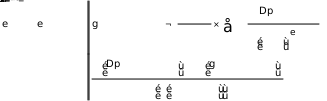
    </math>) (see left side of <xref ref-type="fig" rid="fig1">
     Figure 1
    </xref>). This is, because the positions covered by the straight and the reflected series of multiples are mutually exclusive for each prime if ( 
    <math xmlns="http://www.w3.org/1998/Math/MathML"> <mi>
       c 
     </mi> 
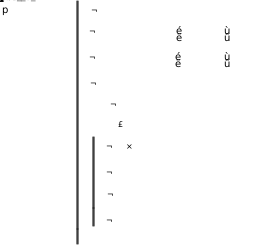
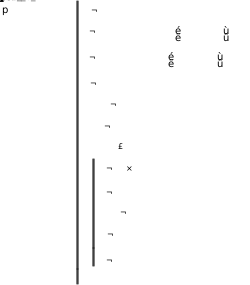
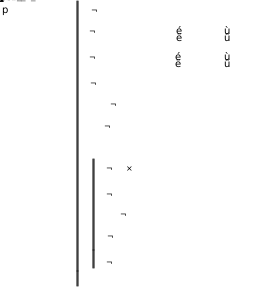
    </math>) is equal to a prime, greater than two. In the figure, empty circles mark diads and full circles mark positions covered by multiples of primes.</p>
   <fig id="fig1" position="float">
    <label>Figure 1</label>
    <caption>
     <title>Figure 1. The double density of occupation in case of the point reflection being a prime or an even number.</title>
    </caption>
    <graphic mimetype="image" position="float" xlink:type="simple" xlink:href="https://html.scirp.org/file/5302540-rId64.jpeg?20250307030425" />
   </fig>
   <p>Again, reflecting the union of the series of multiples of all primes over a point at the distance ( 
    <math xmlns="http://www.w3.org/1998/Math/MathML"> <mi>
       c 
     </mi> 
    </math>) from the origin results the double density of occupation of integer positions within the interval ( 
    <math xmlns="http://www.w3.org/1998/Math/MathML"> <mrow> 
      <mn>
        0 
      </mn> 
      <mo>
        &lt; 
      </mo> 
      <mi>
        c 
      </mi> 
      <mo>
        &lt; 
      </mo> 
      <mn>
        2 
      </mn> 
      <mo>
        ⋅ 
      </mo> 
      <mi>
        c 
      </mi> 
     </mrow> 
    </math>) by the union of the series of multiples of the primes ( see left side of <xref ref-type="fig" rid="fig1">
     Figure 1
    </xref>). This is, because the positions covered by the straight and by the reflected series of multiples are mutually exclusive for each prime if ( 
    <math xmlns="http://www.w3.org/1998/Math/MathML"> <mi>
       c 
     </mi> 
    </math>) is equal to a prime greater than three. The integer positions remaining free by the double density of occupation represent equidistant primes to the point of reflection, composing diads (see ref. <xref ref-type="bibr" rid="scirp.141072-2">
     [2]
    </xref>).</p>
   <p>The straight and the reflected series of multiples of any prime covers in this case the share ( 
    <math xmlns="http://www.w3.org/1998/Math/MathML"> <mrow> 
      <mfrac> 
       <mn>
         2 
       </mn> 
       <mrow> 
        <msub> 
         <mi>
           P 
         </mi> 
         <mrow> 
          <mrow> 
           <mo>
             ( 
           </mo> 
           <mi>
             n 
           </mi> 
           <mo>
             ) 
           </mo> 
          </mrow> 
         </mrow> 
        </msub> 
       </mrow> 
      </mfrac> 
     </mrow> 
    </math>) of all positive integer positions. The share of positions left free is ( 
    <math xmlns="http://www.w3.org/1998/Math/MathML"> <mrow> 
      <mn>
        1 
      </mn> 
      <mo>
        − 
      </mo> 
      <mfrac> 
       <mn>
         2 
       </mn> 
       <mrow> 
        <msub> 
         <mi>
           P 
         </mi> 
         <mrow> 
          <mrow> 
           <mo>
             ( 
           </mo> 
           <mi>
             n 
           </mi> 
           <mo>
             ) 
           </mo> 
          </mrow> 
         </mrow> 
        </msub> 
       </mrow> 
      </mfrac> 
     </mrow> 
    </math>). The share of free positions is multiplicative. For all ( 
    <math xmlns="http://www.w3.org/1998/Math/MathML"> <mrow> 
      <mi>
        S 
      </mi> 
      <mrow> 
       <mo>
         ( 
       </mo> 
       <mi>
         c 
       </mi> 
       <mo>
         ) 
       </mo> 
      </mrow> 
      <mo>
        = 
      </mo> 
      <mfrac> 
       <mn>
         1 
       </mn> 
       <mrow> 
        <mi>
          ln 
        </mi> 
        <mrow> 
         <mo>
           ( 
         </mo> 
         <mi>
           c 
         </mi> 
         <mo>
           ) 
         </mo> 
        </mrow> 
       </mrow> 
      </mfrac> 
     </mrow> 
    </math>) primes, with the constant ( 
    <math xmlns="http://www.w3.org/1998/Math/MathML"> <mrow> 
      <msub> 
       <mi>
         δ 
       </mi> 
       <mn>
         2 
       </mn> 
      </msub> 
      <mo>
        = 
      </mo> 
      <mn>
        1.320324 
      </mn> 
     </mrow> 
    </math>), the density of free positions left is given herewith again with the corresponding Euler product:</p>
   <p>
    <math xmlns="http://www.w3.org/1998/Math/MathML"> <mrow> 
      <munder> 
       <mrow> 
        <mi>
          lim 
        </mi> 
       </mrow> 
       <mrow> 
        <mi>
          c 
        </mi> 
        <mo>
          → 
        </mo> 
        <mi>
          ∞ 
        </mi> 
       </mrow> 
      </munder> 
      <mrow> 
       <mo>
         [ 
       </mo> 
       <mrow> 
        <mfrac> 
         <mn>
           1 
         </mn> 
         <mn>
           2 
         </mn> 
        </mfrac> 
        <mo>
          ⋅ 
        </mo> 
        <mstyle displaystyle="true"> 
         <munderover> 
          <mo>
            ∏ 
          </mo> 
          <mrow> 
           <mi>
             n 
           </mi> 
           <mo>
             = 
           </mo> 
           <mn>
             2 
           </mn> 
          </mrow> 
          <mrow> 
           <mi>
             S 
           </mi> 
           <mrow> 
            <mo>
              ( 
            </mo> 
            <mi>
              c 
            </mi> 
            <mo>
              ) 
            </mo> 
           </mrow> 
          </mrow> 
         </munderover> 
         <mrow> 
          <mrow> 
           <mo>
             ( 
           </mo> 
           <mrow> 
            <mn>
              1 
            </mn> 
            <mo>
              − 
            </mo> 
            <mfrac> 
             <mn>
               2 
             </mn> 
             <mrow> 
              <msub> 
               <mi>
                 P 
               </mi> 
               <mrow> 
                <mrow> 
                 <mo>
                   ( 
                 </mo> 
                 <mi>
                   n 
                 </mi> 
                 <mo>
                   ) 
                 </mo> 
                </mrow> 
               </mrow> 
              </msub> 
             </mrow> 
            </mfrac> 
           </mrow> 
           <mo>
             ) 
           </mo> 
          </mrow> 
         </mrow> 
        </mstyle> 
       </mrow> 
       <mo>
         ] 
       </mo> 
      </mrow> 
      <mo>
        = 
      </mo> 
      <msub> 
       <mi>
         δ 
       </mi> 
       <mn>
         2 
       </mn> 
      </msub> 
      <mrow> 
       <mo>
         ( 
       </mo> 
       <mi>
         c 
       </mi> 
       <mo>
         ) 
       </mo> 
      </mrow> 
      <mo>
        ⋅ 
      </mo> 
      <munder> 
       <mrow> 
        <mi>
          lim 
        </mi> 
       </mrow> 
       <mrow> 
        <mi>
          c 
        </mi> 
        <mo>
          → 
        </mo> 
        <mi>
          ∞ 
        </mi> 
       </mrow> 
      </munder> 
      <mrow> 
       <mo>
         [ 
       </mo> 
       <mrow> 
        <mfrac> 
         <mn>
           1 
         </mn> 
         <mrow> 
          <msup> 
           <mn>
             2 
           </mn> 
           <mn>
             2 
           </mn> 
          </msup> 
         </mrow> 
        </mfrac> 
        <mo>
          ⋅ 
        </mo> 
        <mstyle displaystyle="true"> 
         <munderover> 
          <mo>
            ∏ 
          </mo> 
          <mrow> 
           <mi>
             n 
           </mi> 
           <mo>
             = 
           </mo> 
           <mn>
             2 
           </mn> 
          </mrow> 
          <mrow> 
           <mi>
             S 
           </mi> 
           <mrow> 
            <mo>
              ( 
            </mo> 
            <mi>
              c 
            </mi> 
            <mo>
              ) 
            </mo> 
           </mrow> 
          </mrow> 
         </munderover> 
         <mrow> 
          <msup> 
           <mrow> 
            <mrow> 
             <mo>
               ( 
             </mo> 
             <mrow> 
              <mn>
                1 
              </mn> 
              <mo>
                − 
              </mo> 
              <mfrac> 
               <mn>
                 1 
               </mn> 
               <mrow> 
                <msub> 
                 <mi>
                   P 
                 </mi> 
                 <mrow> 
                  <mrow> 
                   <mo>
                     ( 
                   </mo> 
                   <mi>
                     n 
                   </mi> 
                   <mo>
                     ) 
                   </mo> 
                  </mrow> 
                 </mrow> 
                </msub> 
               </mrow> 
              </mfrac> 
             </mrow> 
             <mo>
               ) 
             </mo> 
            </mrow> 
           </mrow> 
           <mn>
             2 
           </mn> 
          </msup> 
         </mrow> 
        </mstyle> 
       </mrow> 
       <mo>
         ] 
       </mo> 
      </mrow> 
     </mrow> 
    </math>; 
    <math xmlns="http://www.w3.org/1998/Math/MathML"> <mrow> 
      <msub> 
       <mi>
         δ 
       </mi> 
       <mn>
         2 
       </mn> 
      </msub> 
      <mo>
        = 
      </mo> 
      <mn>
        2 
      </mn> 
      <mo>
        ⋅ 
      </mo> 
      <mstyle displaystyle="true"> 
       <munderover> 
        <mo>
          ∏ 
        </mo> 
        <mrow> 
         <mi>
           n 
         </mi> 
         <mo>
           = 
         </mo> 
         <mn>
           2 
         </mn> 
        </mrow> 
        <mrow> 
         <msub> 
          <mi>
            S 
          </mi> 
          <mrow> 
           <mi>
             e 
           </mi> 
           <mi>
             f 
           </mi> 
           <mi>
             f 
           </mi> 
          </mrow> 
         </msub> 
         <mrow> 
          <mo>
            ( 
          </mo> 
          <mi>
            ∞ 
          </mi> 
          <mo>
            ) 
          </mo> 
         </mrow> 
        </mrow> 
       </munderover> 
       <mrow> 
        <mrow> 
         <mo>
           [ 
         </mo> 
         <mrow> 
          <mfrac> 
           <mrow> 
            <mn>
              1 
            </mn> 
            <mo>
              − 
            </mo> 
            <mfrac> 
             <mn>
               2 
             </mn> 
             <mrow> 
              <msub> 
               <mi>
                 P 
               </mi> 
               <mrow> 
                <mrow> 
                 <mo>
                   ( 
                 </mo> 
                 <mi>
                   n 
                 </mi> 
                 <mo>
                   ) 
                 </mo> 
                </mrow> 
               </mrow> 
              </msub> 
             </mrow> 
            </mfrac> 
           </mrow> 
           <mrow> 
            <msup> 
             <mrow> 
              <mrow> 
               <mo>
                 ( 
               </mo> 
               <mrow> 
                <mn>
                  1 
                </mn> 
                <mo>
                  − 
                </mo> 
                <mfrac> 
                 <mn>
                   1 
                 </mn> 
                 <mrow> 
                  <msub> 
                   <mi>
                     P 
                   </mi> 
                   <mrow> 
                    <mrow> 
                     <mo>
                       ( 
                     </mo> 
                     <mi>
                       n 
                     </mi> 
                     <mo>
                       ) 
                     </mo> 
                    </mrow> 
                   </mrow> 
                  </msub> 
                 </mrow> 
                </mfrac> 
               </mrow> 
               <mo>
                 ) 
               </mo> 
              </mrow> 
             </mrow> 
             <mn>
               2 
             </mn> 
            </msup> 
           </mrow> 
          </mfrac> 
         </mrow> 
         <mo>
           ] 
         </mo> 
        </mrow> 
       </mrow> 
      </mstyle> 
     </mrow> 
    </math> (7)</p>
   <p>All components of the Euler product are positive and the product results in positive values for all distances.</p>
   <p>Reflected series of multiples of prime divisors of ( 
    <math xmlns="http://www.w3.org/1998/Math/MathML"> <mi>
       c 
     </mi> 
    </math>) do not change the occupation of integer positions by such primes: Therefore, the number of remaining free integer positions has a minimum, if the point of reflection is a prime. This is shown on the right side of <xref ref-type="fig" rid="fig1">
     Figure 1
    </xref> and demonstrated in Annex A2, <xref ref-type="fig" rid="figFigures A1-3">
     Figures A1-3
    </xref>, (see Ref. <xref ref-type="bibr" rid="scirp.141072-2">
     [2]
    </xref>). The quadrics with empty circles represent diads, with primes in all corners. Together with the central prime they are triads.</p>
   <p>The prime positions within the interval ( 
    <math xmlns="http://www.w3.org/1998/Math/MathML"> <mrow> 
      <mn>
        0 
      </mn> 
      <mo>
        &lt; 
      </mo> 
      <mi>
        c 
      </mi> 
      <mo>
        &lt; 
      </mo> 
      <mn>
        2 
      </mn> 
      <mo>
        ⋅ 
      </mo> 
      <mi>
        c 
      </mi> 
     </mrow> 
    </math>) reflected over the point of reflection are independent of the union of the series of multiples of primes covering positions within the lower half of the interval ( 
    <math xmlns="http://www.w3.org/1998/Math/MathML"> <mrow> 
      <mn>
        0 
      </mn> 
      <mo>
        &lt; 
      </mo> 
      <mi>
        c 
      </mi> 
      <mo>
        &lt; 
      </mo> 
      <mn>
        2 
      </mn> 
      <mo>
        ⋅ 
      </mo> 
      <mi>
        c 
      </mi> 
     </mrow> 
    </math>): They cover the ( 
    <math xmlns="http://www.w3.org/1998/Math/MathML"> <mrow> 
      <mfrac> 
       <mn>
         1 
       </mn> 
       <mrow> 
        <mi>
          ln 
        </mi> 
        <mrow> 
         <mo>
           ( 
         </mo> 
         <mi>
           c 
         </mi> 
         <mo>
           ) 
         </mo> 
        </mrow> 
       </mrow> 
      </mfrac> 
     </mrow> 
    </math>)-th part of the integer positions.</p>
   <p>The local density of free positions left by the density of occupation of the straight series of multiples of primes at the distance ( 
    <math xmlns="http://www.w3.org/1998/Math/MathML"> <mrow> 
      <mi>
        c 
      </mi> 
      <mo>
        − 
      </mo> 
      <mi>
        d 
      </mi> 
     </mrow> 
    </math>) from the point of reflection with ( 
    <math xmlns="http://www.w3.org/1998/Math/MathML"> <mi>
       d 
     </mi> 
    </math>, 
    <math xmlns="http://www.w3.org/1998/Math/MathML"> <mrow> 
      <mn>
        1 
      </mn> 
      <mo>
        &lt; 
      </mo> 
      <mi>
        d 
      </mi> 
      <mo>
        &lt; 
      </mo> 
      <mi>
        c 
      </mi> 
     </mrow> 
    </math>) is ( 
    <math xmlns="http://www.w3.org/1998/Math/MathML"> <mrow> 
      <mfrac> 
       <mn>
         1 
       </mn> 
       <mrow> 
        <mi>
          ln 
        </mi> 
        <mrow> 
         <mo>
           ( 
         </mo> 
         <mi>
           d 
         </mi> 
         <mo>
           ) 
         </mo> 
        </mrow> 
       </mrow> 
      </mfrac> 
     </mrow> 
    </math>).</p>
   <p>By the reflected series it is ( 
    <math xmlns="http://www.w3.org/1998/Math/MathML"> <mrow> 
      <mfrac> 
       <mn>
         1 
       </mn> 
       <mrow> 
        <mi>
          ln 
        </mi> 
        <mrow> 
         <mo>
           ( 
         </mo> 
         <mrow> 
          <mn>
            2 
          </mn> 
          <mo>
            ⋅ 
          </mo> 
          <mi>
            c 
          </mi> 
          <mo>
            − 
          </mo> 
          <mi>
            d 
          </mi> 
         </mrow> 
         <mo>
           ) 
         </mo> 
        </mrow> 
       </mrow> 
      </mfrac> 
     </mrow> 
    </math>). The combined local density of free positions, the density of diads, is evaluated in ref. <xref ref-type="bibr" rid="scirp.141072-2">
     [2]
    </xref>, <xref ref-type="bibr" rid="scirp.141072-3">
     [3]
    </xref> as product of the densities. The constant (7) has double the value of the twin prime constant (C2), defined by G. H. Hardy and John Littlewood, (see Ref. <xref ref-type="bibr" rid="scirp.141072-4">
     [4]
    </xref>):</p>
   <p>
    <math xmlns="http://www.w3.org/1998/Math/MathML"> <mrow> 
      <msub> 
       <mi>
         D 
       </mi> 
       <mrow> 
        <mi>
          l 
        </mi> 
        <mi>
          o 
        </mi> 
        <mi>
          c 
        </mi> 
        <mi>
          a 
        </mi> 
        <mi>
          l 
        </mi> 
       </mrow> 
      </msub> 
      <mrow> 
       <mo>
         ( 
       </mo> 
       <mrow> 
        <mi>
          c 
        </mi> 
        <mo>
          , 
        </mo> 
        <mi>
          d 
        </mi> 
       </mrow> 
       <mo>
         ) 
       </mo> 
      </mrow> 
      <mo>
        = 
      </mo> 
      <mfrac> 
       <mrow> 
        <msub> 
         <mi>
           δ 
         </mi> 
         <mn>
           2 
         </mn> 
        </msub> 
       </mrow> 
       <mrow> 
        <mi>
          ln 
        </mi> 
        <mrow> 
         <mo>
           ( 
         </mo> 
         <mi>
           d 
         </mi> 
         <mo>
           ) 
         </mo> 
        </mrow> 
        <mo>
          ⋅ 
        </mo> 
        <mi>
          ln 
        </mi> 
        <mrow> 
         <mo>
           ( 
         </mo> 
         <mrow> 
          <mn>
            2 
          </mn> 
          <mo>
            ⋅ 
          </mo> 
          <mi>
            c 
          </mi> 
          <mo>
            − 
          </mo> 
          <mi>
            d 
          </mi> 
         </mrow> 
         <mo>
           ) 
         </mo> 
        </mrow> 
       </mrow> 
      </mfrac> 
      <mo>
        &gt; 
      </mo> 
      <mfrac> 
       <mrow> 
        <msub> 
         <mi>
           δ 
         </mi> 
         <mn>
           2 
         </mn> 
        </msub> 
       </mrow> 
       <mrow> 
        <mi>
          ln 
        </mi> 
        <msup> 
         <mrow> 
          <mrow> 
           <mo>
             ( 
           </mo> 
           <mi>
             c 
           </mi> 
           <mo>
             ) 
           </mo> 
          </mrow> 
         </mrow> 
         <mn>
           2 
         </mn> 
        </msup> 
       </mrow> 
      </mfrac> 
     </mrow> 
    </math>(8)</p>
   <p>Similarly to the evaluation of the number of primes as integral of the local logarithmic density of primes in (2), the number of the diads results as integral of the above density. Again, as part of a first simplification, the integral of the above density we may replace by the sum over all integers (This same generalization from the primes to the twins, respectively to the k-tuples made already by G. H. Hardy and John Littlewood):</p>
   <p>
    <math xmlns="http://www.w3.org/1998/Math/MathML"> <mrow> 
      <msub> 
       <mi>
         π 
       </mi> 
       <mrow> 
        <mi>
          d 
        </mi> 
        <mi>
          i 
        </mi> 
        <mi>
          a 
        </mi> 
        <mi>
          d 
        </mi> 
        <mi>
          s 
        </mi> 
        <mtext>
          _ 
        </mtext> 
        <mi>
          a 
        </mi> 
        <mi>
          p 
        </mi> 
        <mi>
          p 
        </mi> 
        <mi>
          r 
        </mi> 
       </mrow> 
      </msub> 
      <mrow> 
       <mo>
         ( 
       </mo> 
       <mi>
         c 
       </mi> 
       <mo>
         ) 
       </mo> 
      </mrow> 
      <mo>
        = 
      </mo> 
      <mstyle displaystyle="true"> 
       <mrow> 
        <munderover> 
         <mo>
           ∫ 
         </mo> 
         <mn>
           0 
         </mn> 
         <mrow> 
          <mi>
            x 
          </mi> 
          <mo>
            − 
          </mo> 
          <mn>
            2 
          </mn> 
         </mrow> 
        </munderover> 
        <mrow> 
         <mfrac> 
          <mn>
            1 
          </mn> 
          <mrow> 
           <mi>
             ln 
           </mi> 
           <mrow> 
            <mo>
              ( 
            </mo> 
            <mrow> 
             <mi>
               c 
             </mi> 
             <mo>
               − 
             </mo> 
             <mi>
               x 
             </mi> 
            </mrow> 
            <mo>
              ) 
            </mo> 
           </mrow> 
           <mo>
             ⋅ 
           </mo> 
           <mi>
             ln 
           </mi> 
           <mrow> 
            <mo>
              ( 
            </mo> 
            <mrow> 
             <mi>
               c 
             </mi> 
             <mo>
               + 
             </mo> 
             <mi>
               x 
             </mi> 
            </mrow> 
            <mo>
              ) 
            </mo> 
           </mrow> 
          </mrow> 
         </mfrac> 
         <mtext>
           d 
         </mtext> 
         <mi>
           x 
         </mi> 
        </mrow> 
       </mrow> 
      </mstyle> 
      <mo>
        ≈ 
      </mo> 
      <mstyle displaystyle="true"> 
       <munderover> 
        <mo>
          ∑ 
        </mo> 
        <mrow> 
         <mi>
           n 
         </mi> 
         <mo>
           = 
         </mo> 
         <mn>
           1 
         </mn> 
        </mrow> 
        <mi>
          c 
        </mi> 
       </munderover> 
       <mrow> 
        <mfrac> 
         <mrow> 
          <msub> 
           <mi>
             δ 
           </mi> 
           <mn>
             2 
           </mn> 
          </msub> 
         </mrow> 
         <mrow> 
          <mi>
            ln 
          </mi> 
          <mrow> 
           <mo>
             ( 
           </mo> 
           <mrow> 
            <mi>
              c 
            </mi> 
            <mo>
              − 
            </mo> 
            <mi>
              n 
            </mi> 
           </mrow> 
           <mo>
             ) 
           </mo> 
          </mrow> 
          <mo>
            ⋅ 
          </mo> 
          <mi>
            ln 
          </mi> 
          <mrow> 
           <mo>
             ( 
           </mo> 
           <mrow> 
            <mi>
              c 
            </mi> 
            <mo>
              + 
            </mo> 
            <mi>
              n 
            </mi> 
           </mrow> 
           <mo>
             ) 
           </mo> 
          </mrow> 
         </mrow> 
        </mfrac> 
       </mrow> 
      </mstyle> 
     </mrow> 
    </math>(9)</p>
   <p>In cases of the diads, similarly to (3) the sum of the diads (9) we may write as summing up first over all integers within the sections of the length ( 
    <math xmlns="http://www.w3.org/1998/Math/MathML"> <mrow> 
      <msqrt> 
       <mi>
         c 
       </mi> 
      </msqrt> 
     </mrow> 
    </math>) and then summing up over all the ( 
    <math xmlns="http://www.w3.org/1998/Math/MathML"> <mrow> 
      <msqrt> 
       <mi>
         c 
       </mi> 
      </msqrt> 
     </mrow> 
    </math>) sections. Taking the average value over each section, as part of the first simplification, and summing over the sections gives the best estimate value of the number of diads, respectively of the complete diads number formula CDNF and taking account of the density of the prime at the point of reflection of the complete triads number formula CTNF:</p>
   <p>
    <math xmlns="http://www.w3.org/1998/Math/MathML"> <mtable> 
      <mtr> 
       <mtd> 
        <msub> 
         <mi>
           π 
         </mi> 
         <mrow> 
          <mi>
            d 
          </mi> 
          <mi>
            i 
          </mi> 
          <mi>
            a 
          </mi> 
          <mi>
            d 
          </mi> 
          <mi>
            s 
          </mi> 
          <mtext>
            _ 
          </mtext> 
          <mi>
            a 
          </mi> 
          <mi>
            p 
          </mi> 
          <mi>
            p 
          </mi> 
          <mi>
            r 
          </mi> 
         </mrow> 
        </msub> 
        <mrow> 
         <mo>
           ( 
         </mo> 
         <mi>
           c 
         </mi> 
         <mo>
           ) 
         </mo> 
        </mrow> 
        <mo>
          = 
        </mo> 
        <mstyle displaystyle="true"> 
         <munderover> 
          <mo>
            ∑ 
          </mo> 
          <mrow> 
           <mi>
             j 
           </mi> 
           <mo>
             = 
           </mo> 
           <mn>
             1 
           </mn> 
          </mrow> 
          <mrow> 
           <msqrt> 
            <mi>
              c 
            </mi> 
           </msqrt> 
          </mrow> 
         </munderover> 
         <mrow> 
          <mstyle displaystyle="true"> 
           <munderover> 
            <mo>
              ∑ 
            </mo> 
            <mrow> 
             <mi>
               n 
             </mi> 
             <mo>
               = 
             </mo> 
             <mrow> 
              <mo>
                ( 
              </mo> 
              <mrow> 
               <mi>
                 j 
               </mi> 
               <mo>
                 − 
               </mo> 
               <mn>
                 1 
               </mn> 
              </mrow> 
              <mo>
                ) 
              </mo> 
             </mrow> 
             <mo>
               ⋅ 
             </mo> 
             <msqrt> 
              <mi>
                c 
              </mi> 
             </msqrt> 
            </mrow> 
            <mrow> 
             <mi>
               j 
             </mi> 
             <mo>
               ⋅ 
             </mo> 
             <msqrt> 
              <mi>
                c 
              </mi> 
             </msqrt> 
            </mrow> 
           </munderover> 
           <mrow> 
            <mfrac> 
             <mrow> 
              <msub> 
               <mi>
                 δ 
               </mi> 
               <mn>
                 2 
               </mn> 
              </msub> 
             </mrow> 
             <mrow> 
              <mi>
                ln 
              </mi> 
              <mrow> 
               <mo>
                 ( 
               </mo> 
               <mi>
                 n 
               </mi> 
               <mo>
                 ) 
               </mo> 
              </mrow> 
              <mo>
                ⋅ 
              </mo> 
              <mi>
                ln 
              </mi> 
              <mrow> 
               <mo>
                 ( 
               </mo> 
               <mrow> 
                <mn>
                  2 
                </mn> 
                <mo>
                  ⋅ 
                </mo> 
                <mi>
                  c 
                </mi> 
                <mo>
                  − 
                </mo> 
                <mi>
                  n 
                </mi> 
               </mrow> 
               <mo>
                 ) 
               </mo> 
              </mrow> 
             </mrow> 
            </mfrac> 
           </mrow> 
          </mstyle> 
         </mrow> 
        </mstyle> 
       </mtd> 
      </mtr> 
      <mtr> 
       <mtd> 
        <mo>
          ≈ 
        </mo> 
        <mstyle displaystyle="true"> 
         <munderover> 
          <mo>
            ∑ 
          </mo> 
          <mrow> 
           <mi>
             j 
           </mi> 
           <mo>
             = 
           </mo> 
           <mn>
             1 
           </mn> 
          </mrow> 
          <mrow> 
           <msqrt> 
            <mi>
              c 
            </mi> 
           </msqrt> 
          </mrow> 
         </munderover> 
         <mrow> 
          <mfrac> 
           <mrow> 
            <msub> 
             <mi>
               δ 
             </mi> 
             <mn>
               2 
             </mn> 
            </msub> 
            <mo>
              ⋅ 
            </mo> 
            <msqrt> 
             <mi>
               c 
             </mi> 
            </msqrt> 
           </mrow> 
           <mrow> 
            <mi>
              ln 
            </mi> 
            <mrow> 
             <mo>
               ( 
             </mo> 
             <mrow> 
              <mi>
                j 
              </mi> 
              <mo>
                ⋅ 
              </mo> 
              <msqrt> 
               <mi>
                 c 
               </mi> 
              </msqrt> 
             </mrow> 
             <mo>
               ) 
             </mo> 
            </mrow> 
            <mo>
              ⋅ 
            </mo> 
            <mi>
              ln 
            </mi> 
            <mrow> 
             <mo>
               ( 
             </mo> 
             <mrow> 
              <mn>
                2 
              </mn> 
              <mo>
                ⋅ 
              </mo> 
              <mi>
                c 
              </mi> 
              <mo>
                − 
              </mo> 
              <mi>
                j 
              </mi> 
              <mo>
                ⋅ 
              </mo> 
              <msqrt> 
               <mi>
                 c 
               </mi> 
              </msqrt> 
             </mrow> 
             <mo>
               ) 
             </mo> 
            </mrow> 
           </mrow> 
          </mfrac> 
         </mrow> 
        </mstyle> 
       </mtd> 
      </mtr> 
     </mtable> 
    </math>(10)</p>
   <p>
    <math xmlns="http://www.w3.org/1998/Math/MathML"> <mtable> 
      <mtr> 
       <mtd> 
        <msub> 
         <mi>
           π 
         </mi> 
         <mrow> 
          <mi>
            t 
          </mi> 
          <mi>
            r 
          </mi> 
          <mi>
            i 
          </mi> 
          <mi>
            a 
          </mi> 
          <mi>
            d 
          </mi> 
          <mi>
            s 
          </mi> 
          <mtext>
            _ 
          </mtext> 
          <mi>
            a 
          </mi> 
          <mi>
            p 
          </mi> 
          <mi>
            p 
          </mi> 
          <mi>
            r 
          </mi> 
         </mrow> 
        </msub> 
        <mrow> 
         <mo>
           ( 
         </mo> 
         <mi>
           c 
         </mi> 
         <mo>
           ) 
         </mo> 
        </mrow> 
        <mo>
          = 
        </mo> 
        <mstyle displaystyle="true"> 
         <munderover> 
          <mo>
            ∑ 
          </mo> 
          <mrow> 
           <mi>
             j 
           </mi> 
           <mo>
             = 
           </mo> 
           <mn>
             1 
           </mn> 
          </mrow> 
          <mrow> 
           <msqrt> 
            <mi>
              c 
            </mi> 
           </msqrt> 
          </mrow> 
         </munderover> 
         <mrow> 
          <mstyle displaystyle="true"> 
           <munderover> 
            <mo>
              ∑ 
            </mo> 
            <mrow> 
             <mi>
               n 
             </mi> 
             <mo>
               = 
             </mo> 
             <mrow> 
              <mo>
                ( 
              </mo> 
              <mrow> 
               <mi>
                 j 
               </mi> 
               <mo>
                 − 
               </mo> 
               <mn>
                 1 
               </mn> 
              </mrow> 
              <mo>
                ) 
              </mo> 
             </mrow> 
             <mo>
               ⋅ 
             </mo> 
             <msqrt> 
              <mi>
                c 
              </mi> 
             </msqrt> 
            </mrow> 
            <mrow> 
             <mi>
               j 
             </mi> 
             <mo>
               ⋅ 
             </mo> 
             <msqrt> 
              <mi>
                c 
              </mi> 
             </msqrt> 
            </mrow> 
           </munderover> 
           <mrow> 
            <mfrac> 
             <mrow> 
              <msub> 
               <mi>
                 δ 
               </mi> 
               <mn>
                 2 
               </mn> 
              </msub> 
             </mrow> 
             <mrow> 
              <mi>
                ln 
              </mi> 
              <mrow> 
               <mo>
                 ( 
               </mo> 
               <mi>
                 n 
               </mi> 
               <mo>
                 ) 
               </mo> 
              </mrow> 
              <mo>
                ⋅ 
              </mo> 
              <mi>
                ln 
              </mi> 
              <mrow> 
               <mo>
                 ( 
               </mo> 
               <mi>
                 c 
               </mi> 
               <mo>
                 ) 
               </mo> 
              </mrow> 
              <mo>
                ⋅ 
              </mo> 
              <mi>
                ln 
              </mi> 
              <mrow> 
               <mo>
                 ( 
               </mo> 
               <mrow> 
                <mn>
                  2 
                </mn> 
                <mo>
                  ⋅ 
                </mo> 
                <mi>
                  c 
                </mi> 
                <mo>
                  − 
                </mo> 
                <mi>
                  n 
                </mi> 
               </mrow> 
               <mo>
                 ) 
               </mo> 
              </mrow> 
             </mrow> 
            </mfrac> 
           </mrow> 
          </mstyle> 
         </mrow> 
        </mstyle> 
       </mtd> 
      </mtr> 
      <mtr> 
       <mtd> 
        <mo>
          ≈ 
        </mo> 
        <mstyle displaystyle="true"> 
         <munderover> 
          <mo>
            ∑ 
          </mo> 
          <mrow> 
           <mi>
             j 
           </mi> 
           <mo>
             = 
           </mo> 
           <mn>
             1 
           </mn> 
          </mrow> 
          <mrow> 
           <msqrt> 
            <mi>
              c 
            </mi> 
           </msqrt> 
          </mrow> 
         </munderover> 
         <mrow> 
          <mfrac> 
           <mrow> 
            <msub> 
             <mi>
               δ 
             </mi> 
             <mn>
               2 
             </mn> 
            </msub> 
            <mo>
              ⋅ 
            </mo> 
            <msqrt> 
             <mi>
               c 
             </mi> 
            </msqrt> 
           </mrow> 
           <mrow> 
            <mi>
              ln 
            </mi> 
            <mrow> 
             <mo>
               ( 
             </mo> 
             <mrow> 
              <mi>
                j 
              </mi> 
              <mo>
                ⋅ 
              </mo> 
              <msqrt> 
               <mi>
                 c 
               </mi> 
              </msqrt> 
             </mrow> 
             <mo>
               ) 
             </mo> 
            </mrow> 
            <mo>
              ⋅ 
            </mo> 
            <mi>
              ln 
            </mi> 
            <mrow> 
             <mo>
               ( 
             </mo> 
             <mi>
               c 
             </mi> 
             <mo>
               ) 
             </mo> 
            </mrow> 
            <mo>
              ⋅ 
            </mo> 
            <mi>
              ln 
            </mi> 
            <mrow> 
             <mo>
               ( 
             </mo> 
             <mrow> 
              <mn>
                2 
              </mn> 
              <mo>
                ⋅ 
              </mo> 
              <mi>
                c 
              </mi> 
              <mo>
                − 
              </mo> 
              <mi>
                j 
              </mi> 
              <mo>
                ⋅ 
              </mo> 
              <msqrt> 
               <mi>
                 c 
               </mi> 
              </msqrt> 
             </mrow> 
             <mo>
               ) 
             </mo> 
            </mrow> 
           </mrow> 
          </mfrac> 
         </mrow> 
        </mstyle> 
       </mtd> 
      </mtr> 
     </mtable> 
    </math></p>
   <p>The dispersion of the effective number of diads around this function is symmetrical (see Annex 3), there is no correction of this function required, like at CPNF. The reason for this is the symmetricity of the set of diads.</p>
   <p>Similarly, to the second simplification in cases of the primes in (4), the low limit of the best estimated number of diads results the diads-number-formula (DNF), if the density is taken for all sections of the length ( 
    <math xmlns="http://www.w3.org/1998/Math/MathML"> <mrow> 
      <msqrt> 
       <mi>
         c 
       </mi> 
      </msqrt> 
     </mrow> 
    </math>) at the upper limit of the sections at ( 
    <math xmlns="http://www.w3.org/1998/Math/MathML"> <mrow> 
      <mi>
        j 
      </mi> 
      <mo>
        = 
      </mo> 
      <msqrt> 
       <mi>
         c 
       </mi> 
      </msqrt> 
     </mrow> 
    </math>):</p>
   <p>
    <math xmlns="http://www.w3.org/1998/Math/MathML"> <mrow> 
      <msub> 
       <mi>
         π 
       </mi> 
       <mrow> 
        <mi>
          d 
        </mi> 
        <mi>
          i 
        </mi> 
        <mi>
          a 
        </mi> 
        <mi>
          d 
        </mi> 
        <mi>
          s 
        </mi> 
        <mtext>
          _ 
        </mtext> 
        <mi>
          a 
        </mi> 
        <mi>
          p 
        </mi> 
        <mi>
          p 
        </mi> 
        <mi>
          r 
        </mi> 
        <mtext>
          _ 
        </mtext> 
        <mi>
          l 
        </mi> 
        <mi>
          o 
        </mi> 
        <mi>
          w 
        </mi> 
       </mrow> 
      </msub> 
      <mrow> 
       <mo>
         ( 
       </mo> 
       <mi>
         c 
       </mi> 
       <mo>
         ) 
       </mo> 
      </mrow> 
      <mo>
        = 
      </mo> 
      <mstyle displaystyle="true"> 
       <munderover> 
        <mo>
          ∑ 
        </mo> 
        <mrow> 
         <mi>
           j 
         </mi> 
         <mo>
           = 
         </mo> 
         <mn>
           1 
         </mn> 
        </mrow> 
        <mrow> 
         <msqrt> 
          <mi>
            c 
          </mi> 
         </msqrt> 
        </mrow> 
       </munderover> 
       <mrow> 
        <mfrac> 
         <mrow> 
          <msub> 
           <mi>
             δ 
           </mi> 
           <mn>
             2 
           </mn> 
          </msub> 
          <mo>
            ⋅ 
          </mo> 
          <msqrt> 
           <mi>
             c 
           </mi> 
          </msqrt> 
         </mrow> 
         <mrow> 
          <mi>
            ln 
          </mi> 
          <mrow> 
           <mo>
             ( 
           </mo> 
           <mrow> 
            <msqrt> 
             <mi>
               c 
             </mi> 
            </msqrt> 
            <mo>
              ⋅ 
            </mo> 
            <msqrt> 
             <mi>
               c 
             </mi> 
            </msqrt> 
           </mrow> 
           <mo>
             ) 
           </mo> 
          </mrow> 
          <mo>
            ⋅ 
          </mo> 
          <mi>
            ln 
          </mi> 
          <mrow> 
           <mo>
             ( 
           </mo> 
           <mrow> 
            <mn>
              2 
            </mn> 
            <mo>
              ⋅ 
            </mo> 
            <mi>
              c 
            </mi> 
            <mo>
              − 
            </mo> 
            <msqrt> 
             <mi>
               c 
             </mi> 
            </msqrt> 
            <mo>
              ⋅ 
            </mo> 
            <msqrt> 
             <mi>
               c 
             </mi> 
            </msqrt> 
           </mrow> 
           <mo>
             ) 
           </mo> 
          </mrow> 
         </mrow> 
        </mfrac> 
       </mrow> 
      </mstyle> 
      <mo>
        = 
      </mo> 
      <mfrac> 
       <mrow> 
        <msub> 
         <mi>
           δ 
         </mi> 
         <mn>
           2 
         </mn> 
        </msub> 
        <mo>
          ⋅ 
        </mo> 
        <mi>
          c 
        </mi> 
       </mrow> 
       <mrow> 
        <mi>
          ln 
        </mi> 
        <msup> 
         <mrow> 
          <mrow> 
           <mo>
             ( 
           </mo> 
           <mi>
             c 
           </mi> 
           <mo>
             ) 
           </mo> 
          </mrow> 
         </mrow> 
         <mn>
           2 
         </mn> 
        </msup> 
       </mrow> 
      </mfrac> 
     </mrow> 
    </math>(11)</p>
  </sec><sec id="s3">
   <title>3. The Dispersion around the Best Estimate Number of Primes and Diads</title>
   <p>The remaining error of the number of primes is the symmetric dispersion around the CPNF (see (53) and <xref ref-type="fig" rid="figA4">
     Figure A4
    </xref>). It is proportional to the number of primes up to ( 
    <math xmlns="http://www.w3.org/1998/Math/MathML"> <mrow> 
      <mi>
        R 
      </mi> 
      <mrow> 
       <mo>
         ( 
       </mo> 
       <mi>
         c 
       </mi> 
       <mo>
         ) 
       </mo> 
      </mrow> 
     </mrow> 
    </math>), the series of multiples which are covering positions at ( 
    <math xmlns="http://www.w3.org/1998/Math/MathML"> <mi>
       c 
     </mi> 
    </math>). This is because each series of multiples of the first ( 
    <math xmlns="http://www.w3.org/1998/Math/MathML"> <mrow> 
      <mi>
        R 
      </mi> 
      <mrow> 
       <mo>
         ( 
       </mo> 
       <mi>
         c 
       </mi> 
       <mo>
         ) 
       </mo> 
      </mrow> 
     </mrow> 
    </math>) primes may contribute just one uncertainty to the number of primes at the position ( 
    <math xmlns="http://www.w3.org/1998/Math/MathML"> <mi>
       c 
     </mi> 
    </math>). The dispersion is additive, therefore the dispersion around the CDNF, in case of the double density of occupation, is proportional to ( 
    <math xmlns="http://www.w3.org/1998/Math/MathML"> <mrow> 
      <mi>
        R 
      </mi> 
      <mrow> 
       <mo>
         ( 
       </mo> 
       <mi>
         c 
       </mi> 
       <mo>
         ) 
       </mo> 
      </mrow> 
     </mrow> 
    </math>) as well:</p>
   <p>
    <math xmlns="http://www.w3.org/1998/Math/MathML"> <mrow> 
      <mi>
        Δ 
      </mi> 
      <mi>
        π 
      </mi> 
      <mrow> 
       <mo>
         ( 
       </mo> 
       <mi>
         c 
       </mi> 
       <mo>
         ) 
       </mo> 
      </mrow> 
      <mo>
        = 
      </mo> 
      <msub> 
       <mi>
         π 
       </mi> 
       <mrow> 
        <mi>
          a 
        </mi> 
        <mi>
          p 
        </mi> 
        <mi>
          p 
        </mi> 
        <mi>
          r 
        </mi> 
       </mrow> 
      </msub> 
      <mrow> 
       <mo>
         ( 
       </mo> 
       <mi>
         c 
       </mi> 
       <mo>
         ) 
       </mo> 
      </mrow> 
      <mo>
        − 
      </mo> 
      <mi>
        π 
      </mi> 
      <mrow> 
       <mo>
         ( 
       </mo> 
       <mi>
         c 
       </mi> 
       <mo>
         ) 
       </mo> 
      </mrow> 
     </mrow> 
    </math>; 
    <math xmlns="http://www.w3.org/1998/Math/MathML"> <mrow> 
      <mi>
        Δ 
      </mi> 
      <msub> 
       <mi>
         π 
       </mi> 
       <mrow> 
        <mi>
          r 
        </mi> 
        <mi>
          e 
        </mi> 
        <mi>
          l 
        </mi> 
       </mrow> 
      </msub> 
      <mrow> 
       <mo>
         ( 
       </mo> 
       <mi>
         c 
       </mi> 
       <mo>
         ) 
       </mo> 
      </mrow> 
      <mo>
        = 
      </mo> 
      <mfrac> 
       <mrow> 
        <mi>
          Δ 
        </mi> 
        <mi>
          π 
        </mi> 
        <mrow> 
         <mo>
           ( 
         </mo> 
         <mi>
           c 
         </mi> 
         <mo>
           ) 
         </mo> 
        </mrow> 
       </mrow> 
       <mrow> 
        <mi>
          R 
        </mi> 
        <mrow> 
         <mo>
           ( 
         </mo> 
         <mi>
           c 
         </mi> 
         <mo>
           ) 
         </mo> 
        </mrow> 
       </mrow> 
      </mfrac> 
     </mrow> 
    </math>(12)</p>
   <p>
    <math xmlns="http://www.w3.org/1998/Math/MathML"> <mrow> 
      <mi>
        Δ 
      </mi> 
      <msub> 
       <mi>
         π 
       </mi> 
       <mrow> 
        <mi>
          t 
        </mi> 
        <mi>
          r 
        </mi> 
        <mi>
          i 
        </mi> 
        <mi>
          a 
        </mi> 
        <mi>
          d 
        </mi> 
        <mi>
          s 
        </mi> 
       </mrow> 
      </msub> 
      <mrow> 
       <mo>
         ( 
       </mo> 
       <mi>
         c 
       </mi> 
       <mo>
         ) 
       </mo> 
      </mrow> 
      <mo>
        = 
      </mo> 
      <msub> 
       <mi>
         π 
       </mi> 
       <mrow> 
        <mi>
          t 
        </mi> 
        <mi>
          r 
        </mi> 
        <mi>
          i 
        </mi> 
        <mi>
          a 
        </mi> 
        <mi>
          d 
        </mi> 
        <mi>
          s 
        </mi> 
       </mrow> 
      </msub> 
      <mrow> 
       <mo>
         ( 
       </mo> 
       <mi>
         c 
       </mi> 
       <mo>
         ) 
       </mo> 
      </mrow> 
      <mo>
        − 
      </mo> 
      <msub> 
       <mi>
         π 
       </mi> 
       <mrow> 
        <mi>
          d 
        </mi> 
        <mi>
          i 
        </mi> 
        <mi>
          a 
        </mi> 
        <mi>
          d 
        </mi> 
        <mi>
          s 
        </mi> 
        <mtext>
          _ 
        </mtext> 
        <mi>
          a 
        </mi> 
        <mi>
          p 
        </mi> 
        <mi>
          p 
        </mi> 
        <mi>
          r 
        </mi> 
       </mrow> 
      </msub> 
      <mrow> 
       <mo>
         ( 
       </mo> 
       <mi>
         c 
       </mi> 
       <mo>
         ) 
       </mo> 
      </mrow> 
     </mrow> 
    </math>; 
    <math xmlns="http://www.w3.org/1998/Math/MathML"> <mrow> 
      <mi>
        Δ 
      </mi> 
      <msub> 
       <mi>
         π 
       </mi> 
       <mrow> 
        <mi>
          t 
        </mi> 
        <mi>
          r 
        </mi> 
        <mi>
          i 
        </mi> 
        <mi>
          a 
        </mi> 
        <mi>
          d 
        </mi> 
        <mi>
          s 
        </mi> 
        <mtext>
          _ 
        </mtext> 
        <mi>
          r 
        </mi> 
        <mi>
          e 
        </mi> 
        <mi>
          l 
        </mi> 
       </mrow> 
      </msub> 
      <mrow> 
       <mo>
         ( 
       </mo> 
       <mi>
         c 
       </mi> 
       <mo>
         ) 
       </mo> 
      </mrow> 
      <mo>
        = 
      </mo> 
      <mfrac> 
       <mrow> 
        <mi>
          Δ 
        </mi> 
        <msub> 
         <mi>
           π 
         </mi> 
         <mrow> 
          <mi>
            t 
          </mi> 
          <mi>
            r 
          </mi> 
          <mi>
            i 
          </mi> 
          <mi>
            a 
          </mi> 
          <mi>
            d 
          </mi> 
          <mi>
            s 
          </mi> 
         </mrow> 
        </msub> 
        <mrow> 
         <mo>
           ( 
         </mo> 
         <mi>
           c 
         </mi> 
         <mo>
           ) 
         </mo> 
        </mrow> 
       </mrow> 
       <mrow> 
        <mi>
          R 
        </mi> 
        <mrow> 
         <mo>
           ( 
         </mo> 
         <mi>
           c 
         </mi> 
         <mo>
           ) 
         </mo> 
        </mrow> 
       </mrow> 
      </mfrac> 
     </mrow> 
    </math></p>
   <p>The standard deviation of the dispersion relative to ( 
    <math xmlns="http://www.w3.org/1998/Math/MathML"> <mrow> 
      <mi>
        R 
      </mi> 
      <mrow> 
       <mo>
         ( 
       </mo> 
       <mi>
         c 
       </mi> 
       <mo>
         ) 
       </mo> 
      </mrow> 
      <mo>
        = 
      </mo> 
      <mfrac> 
       <mrow> 
        <msqrt> 
         <mi>
           c 
         </mi> 
        </msqrt> 
       </mrow> 
       <mrow> 
        <mi>
          ln 
        </mi> 
        <mrow> 
         <mo>
           ( 
         </mo> 
         <mrow> 
          <msqrt> 
           <mi>
             c 
           </mi> 
          </msqrt> 
         </mrow> 
         <mo>
           ) 
         </mo> 
        </mrow> 
       </mrow> 
      </mfrac> 
     </mrow> 
    </math>) is approaching a constant value in both cases, see Annex 3, (53) and (58).</p>
   <p>
    <math xmlns="http://www.w3.org/1998/Math/MathML"> <mrow> 
      <munder> 
       <mrow> 
        <mi>
          lim 
        </mi> 
       </mrow> 
       <mrow> 
        <mi>
          c 
        </mi> 
        <mo>
          → 
        </mo> 
        <mi>
          ∞ 
        </mi> 
       </mrow> 
      </munder> 
      <mi>
        S 
      </mi> 
      <msub> 
       <mi>
         D 
       </mi> 
       <mrow> 
        <mi>
          Δ 
        </mi> 
        <mi>
          π 
        </mi> 
        <mtext>
          _ 
        </mtext> 
        <mi>
          r 
        </mi> 
        <mi>
          e 
        </mi> 
        <mi>
          l 
        </mi> 
       </mrow> 
      </msub> 
      <mrow> 
       <mo>
         ( 
       </mo> 
       <mi>
         c 
       </mi> 
       <mo>
         ) 
       </mo> 
      </mrow> 
      <mo>
        = 
      </mo> 
      <munder> 
       <mrow> 
        <mi>
          lim 
        </mi> 
       </mrow> 
       <mrow> 
        <mi>
          c 
        </mi> 
        <mo>
          → 
        </mo> 
        <mi>
          ∞ 
        </mi> 
       </mrow> 
      </munder> 
      <msqrt> 
       <mrow> 
        <mfrac> 
         <mn>
           1 
         </mn> 
         <mi>
           c 
         </mi> 
        </mfrac> 
        <mo>
          ⋅ 
        </mo> 
        <mrow> 
         <mo>
           [ 
         </mo> 
         <mrow> 
          <mstyle displaystyle="true"> 
           <munder> 
            <mo>
              ∑ 
            </mo> 
            <mi>
              c 
            </mi> 
           </munder> 
           <mrow> 
            <mi>
              Δ 
            </mi> 
            <msub> 
             <mi>
               π 
             </mi> 
             <mrow> 
              <mi>
                r 
              </mi> 
              <mi>
                e 
              </mi> 
              <mi>
                l 
              </mi> 
             </mrow> 
            </msub> 
            <msup> 
             <mrow> 
              <mrow> 
               <mo>
                 ( 
               </mo> 
               <mi>
                 c 
               </mi> 
               <mo>
                 ) 
               </mo> 
              </mrow> 
             </mrow> 
             <mn>
               2 
             </mn> 
            </msup> 
           </mrow> 
          </mstyle> 
         </mrow> 
         <mo>
           ] 
         </mo> 
        </mrow> 
       </mrow> 
      </msqrt> 
      <mo>
        = 
      </mo> 
      <msub> 
       <mi>
         F 
       </mi> 
       <mrow> 
        <mi>
          S 
        </mi> 
        <mi>
          D 
        </mi> 
        <mtext>
          _ 
        </mtext> 
        <mi>
          Δ 
        </mi> 
        <mi>
          π 
        </mi> 
       </mrow> 
      </msub> 
      <mo>
        = 
      </mo> 
      <mn>
        0.160989 
      </mn> 
     </mrow> 
    </math>(13)</p>
   <p>
    <math xmlns="http://www.w3.org/1998/Math/MathML"> <mrow> 
      <munder> 
       <mrow> 
        <mi>
          lim 
        </mi> 
       </mrow> 
       <mrow> 
        <mi>
          c 
        </mi> 
        <mo>
          → 
        </mo> 
        <mi>
          ∞ 
        </mi> 
       </mrow> 
      </munder> 
      <mi>
        S 
      </mi> 
      <msub> 
       <mi>
         D 
       </mi> 
       <mrow> 
        <mi>
          Δ 
        </mi> 
        <mi>
          π 
        </mi> 
        <mtext>
          _ 
        </mtext> 
        <mi>
          t 
        </mi> 
        <mi>
          r 
        </mi> 
        <mi>
          i 
        </mi> 
        <mi>
          a 
        </mi> 
        <mi>
          d 
        </mi> 
        <mi>
          s 
        </mi> 
        <mtext>
          _ 
        </mtext> 
        <mi>
          r 
        </mi> 
        <mi>
          e 
        </mi> 
        <mi>
          l 
        </mi> 
       </mrow> 
      </msub> 
      <mrow> 
       <mo>
         ( 
       </mo> 
       <mi>
         c 
       </mi> 
       <mo>
         ) 
       </mo> 
      </mrow> 
      <mo>
        = 
      </mo> 
      <munder> 
       <mrow> 
        <mi>
          lim 
        </mi> 
       </mrow> 
       <mrow> 
        <mi>
          c 
        </mi> 
        <mo>
          → 
        </mo> 
        <mi>
          ∞ 
        </mi> 
       </mrow> 
      </munder> 
      <msqrt> 
       <mrow> 
        <mfrac> 
         <mn>
           1 
         </mn> 
         <mi>
           c 
         </mi> 
        </mfrac> 
        <mo>
          ⋅ 
        </mo> 
        <mrow> 
         <mo>
           [ 
         </mo> 
         <mrow> 
          <mstyle displaystyle="true"> 
           <munder> 
            <mo>
              ∑ 
            </mo> 
            <mi>
              c 
            </mi> 
           </munder> 
           <mrow> 
            <mi>
              Δ 
            </mi> 
            <msub> 
             <mi>
               π 
             </mi> 
             <mrow> 
              <mi>
                t 
              </mi> 
              <mi>
                r 
              </mi> 
              <mi>
                i 
              </mi> 
              <mi>
                a 
              </mi> 
              <mi>
                d 
              </mi> 
              <mi>
                s 
              </mi> 
              <mtext>
                _ 
              </mtext> 
              <mi>
                r 
              </mi> 
              <mi>
                e 
              </mi> 
              <mi>
                l 
              </mi> 
             </mrow> 
            </msub> 
            <msup> 
             <mrow> 
              <mrow> 
               <mo>
                 ( 
               </mo> 
               <mi>
                 c 
               </mi> 
               <mo>
                 ) 
               </mo> 
              </mrow> 
             </mrow> 
             <mn>
               2 
             </mn> 
            </msup> 
           </mrow> 
          </mstyle> 
         </mrow> 
         <mo>
           ] 
         </mo> 
        </mrow> 
       </mrow> 
      </msqrt> 
      <mo>
        = 
      </mo> 
      <msub> 
       <mi>
         F 
       </mi> 
       <mrow> 
        <mi>
          S 
        </mi> 
        <mi>
          D 
        </mi> 
        <mtext>
          _ 
        </mtext> 
        <mi>
          Δ 
        </mi> 
        <mi>
          π 
        </mi> 
        <mtext>
          _ 
        </mtext> 
        <mi>
          t 
        </mi> 
        <mi>
          r 
        </mi> 
        <mi>
          i 
        </mi> 
        <mi>
          a 
        </mi> 
        <mi>
          d 
        </mi> 
        <mi>
          s 
        </mi> 
       </mrow> 
      </msub> 
      <mo>
        = 
      </mo> 
      <mn>
        0.16089 
      </mn> 
     </mrow> 
    </math></p>
   <p>Therefore, the standard deviation of the relative dispersion of the diads approaches a constant value, similarly to the standard deviation of the dispersion of the effective number of the primes around the CPNF. The error term is limited and approaches zero.</p>
   <p>
    <math xmlns="http://www.w3.org/1998/Math/MathML"> <mrow> 
      <mi>
        S 
      </mi> 
      <msub> 
       <mi>
         D 
       </mi> 
       <mrow> 
        <mi>
          Δ 
        </mi> 
        <mi>
          π 
        </mi> 
        <mtext>
          _ 
        </mtext> 
        <mi>
          a 
        </mi> 
        <mi>
          p 
        </mi> 
        <mi>
          p 
        </mi> 
        <mi>
          r 
        </mi> 
       </mrow> 
      </msub> 
      <mrow> 
       <mo>
         ( 
       </mo> 
       <mi>
         c 
       </mi> 
       <mo>
         ) 
       </mo> 
      </mrow> 
      <mo>
        = 
      </mo> 
      <mrow> 
       <mo>
         ( 
       </mo> 
       <mrow> 
        <msub> 
         <mi>
           F 
         </mi> 
         <mrow> 
          <mi>
            S 
          </mi> 
          <mi>
            D 
          </mi> 
          <mtext>
            _ 
          </mtext> 
          <mi>
            Δ 
          </mi> 
          <mi>
            π 
          </mi> 
         </mrow> 
        </msub> 
        <mo>
          ± 
        </mo> 
        <msub> 
         <mi>
           Δ 
         </mi> 
         <mrow> 
          <mi>
            S 
          </mi> 
          <mi>
            D 
          </mi> 
          <mtext>
            _ 
          </mtext> 
          <mi>
            π 
          </mi> 
         </mrow> 
        </msub> 
       </mrow> 
       <mo>
         ) 
       </mo> 
      </mrow> 
      <mo>
        ⋅ 
      </mo> 
      <mi>
        R 
      </mi> 
      <mrow> 
       <mo>
         ( 
       </mo> 
       <mi>
         c 
       </mi> 
       <mo>
         ) 
       </mo> 
      </mrow> 
     </mrow> 
    </math>: 
    <math xmlns="http://www.w3.org/1998/Math/MathML"> <mrow> 
      <msub> 
       <mi>
         Δ 
       </mi> 
       <mrow> 
        <mi>
          S 
        </mi> 
        <mi>
          D 
        </mi> 
        <mtext>
          _ 
        </mtext> 
        <mi>
          π 
        </mi> 
       </mrow> 
      </msub> 
      <mo>
        &lt; 
      </mo> 
      <mn>
        0.02 
      </mn> 
     </mrow> 
    </math>; 
    <math xmlns="http://www.w3.org/1998/Math/MathML"> <mrow> 
      <munder> 
       <mrow> 
        <mi>
          lim 
        </mi> 
       </mrow> 
       <mrow> 
        <mi>
          c 
        </mi> 
        <mo>
          → 
        </mo> 
        <mi>
          ∞ 
        </mi> 
       </mrow> 
      </munder> 
      <mi>
        Δ 
      </mi> 
      <msub> 
       <mi>
         π 
       </mi> 
       <mrow> 
        <mi>
          a 
        </mi> 
        <mi>
          p 
        </mi> 
        <mi>
          p 
        </mi> 
        <mi>
          r 
        </mi> 
       </mrow> 
      </msub> 
      <mrow> 
       <mo>
         ( 
       </mo> 
       <mi>
         c 
       </mi> 
       <mo>
         ) 
       </mo> 
      </mrow> 
      <mo>
        = 
      </mo> 
      <mi>
        O 
      </mi> 
      <mrow> 
       <mo>
         ( 
       </mo> 
       <mi>
         c 
       </mi> 
       <mo>
         ) 
       </mo> 
      </mrow> 
      <mo>
        = 
      </mo> 
      <mn>
        0 
      </mn> 
     </mrow> 
    </math> (14)</p>
   <p>
    <math xmlns="http://www.w3.org/1998/Math/MathML"> <mrow> 
      <mi>
        S 
      </mi> 
      <msub> 
       <mi>
         D 
       </mi> 
       <mrow> 
        <mi>
          Δ 
        </mi> 
        <mi>
          π 
        </mi> 
        <mtext>
          _ 
        </mtext> 
        <mi>
          t 
        </mi> 
        <mi>
          r 
        </mi> 
        <mi>
          i 
        </mi> 
        <mi>
          a 
        </mi> 
        <mi>
          d 
        </mi> 
        <mi>
          s 
        </mi> 
        <mtext>
          _ 
        </mtext> 
        <mi>
          a 
        </mi> 
        <mi>
          p 
        </mi> 
        <mi>
          p 
        </mi> 
        <mi>
          r 
        </mi> 
       </mrow> 
      </msub> 
      <mrow> 
       <mo>
         ( 
       </mo> 
       <mi>
         c 
       </mi> 
       <mo>
         ) 
       </mo> 
      </mrow> 
      <mo>
        = 
      </mo> 
      <mrow> 
       <mo>
         ( 
       </mo> 
       <mrow> 
        <msub> 
         <mi>
           F 
         </mi> 
         <mrow> 
          <mi>
            S 
          </mi> 
          <mi>
            D 
          </mi> 
          <mtext>
            _ 
          </mtext> 
          <mi>
            Δ 
          </mi> 
          <mi>
            π 
          </mi> 
          <mtext>
            _ 
          </mtext> 
          <mi>
            t 
          </mi> 
          <mi>
            r 
          </mi> 
          <mi>
            i 
          </mi> 
          <mi>
            a 
          </mi> 
          <mi>
            d 
          </mi> 
          <mi>
            s 
          </mi> 
         </mrow> 
        </msub> 
        <mo>
          ± 
        </mo> 
        <msub> 
         <mi>
           Δ 
         </mi> 
         <mrow> 
          <mi>
            S 
          </mi> 
          <mi>
            D 
          </mi> 
          <mtext>
            _ 
          </mtext> 
          <mi>
            π 
          </mi> 
          <mtext>
            _ 
          </mtext> 
          <mi>
            t 
          </mi> 
          <mi>
            r 
          </mi> 
          <mi>
            i 
          </mi> 
          <mi>
            a 
          </mi> 
          <mi>
            d 
          </mi> 
          <mi>
            s 
          </mi> 
         </mrow> 
        </msub> 
       </mrow> 
       <mo>
         ) 
       </mo> 
      </mrow> 
      <mo>
        ⋅ 
      </mo> 
      <mi>
        R 
      </mi> 
      <mrow> 
       <mo>
         ( 
       </mo> 
       <mi>
         c 
       </mi> 
       <mo>
         ) 
       </mo> 
      </mrow> 
     </mrow> 
    </math>; 
    <math xmlns="http://www.w3.org/1998/Math/MathML"> <mrow> 
      <msub> 
       <mi>
         Δ 
       </mi> 
       <mrow> 
        <mi>
          S 
        </mi> 
        <mi>
          D 
        </mi> 
        <mtext>
          _ 
        </mtext> 
        <mi>
          π 
        </mi> 
        <mtext>
          _ 
        </mtext> 
        <mi>
          t 
        </mi> 
        <mi>
          r 
        </mi> 
        <mi>
          i 
        </mi> 
        <mi>
          a 
        </mi> 
        <mi>
          d 
        </mi> 
        <mi>
          s 
        </mi> 
       </mrow> 
      </msub> 
      <mo>
        &lt; 
      </mo> 
      <mn>
        0.02 
      </mn> 
     </mrow> 
    </math>; 
    <math xmlns="http://www.w3.org/1998/Math/MathML"> <mrow> 
      <munder> 
       <mrow> 
        <mi>
          lim 
        </mi> 
       </mrow> 
       <mrow> 
        <mi>
          c 
        </mi> 
        <mo>
          → 
        </mo> 
        <mi>
          ∞ 
        </mi> 
       </mrow> 
      </munder> 
      <mi>
        Δ 
      </mi> 
      <msub> 
       <mi>
         π 
       </mi> 
       <mrow> 
        <mi>
          t 
        </mi> 
        <mi>
          r 
        </mi> 
        <mi>
          i 
        </mi> 
        <mi>
          a 
        </mi> 
        <mi>
          d 
        </mi> 
        <mi>
          s 
        </mi> 
        <mtext>
          _ 
        </mtext> 
        <mi>
          a 
        </mi> 
        <mi>
          p 
        </mi> 
        <mi>
          p 
        </mi> 
        <mi>
          r 
        </mi> 
       </mrow> 
      </msub> 
      <mrow> 
       <mo>
         ( 
       </mo> 
       <mi>
         c 
       </mi> 
       <mo>
         ) 
       </mo> 
      </mrow> 
      <mo>
        = 
      </mo> 
      <mi>
        O 
      </mi> 
      <mrow> 
       <mo>
         ( 
       </mo> 
       <mi>
         c 
       </mi> 
       <mo>
         ) 
       </mo> 
      </mrow> 
      <mo>
        = 
      </mo> 
      <mn>
        0 
      </mn> 
     </mrow> 
    </math></p>
  </sec><sec id="s4">
   <title>4. The Prime-Number-Formula and the Diads-Number-Formula as Low Limits</title>
   <p>The well-known and proven prime-number-formula PNF as well as the diads-number-formula DNF results from the sum over all sections formula (3) respectively (9), by replacing the local density of primes respectively diads by the density at the upper limit of the sections, at ( 
    <math xmlns="http://www.w3.org/1998/Math/MathML"> <mrow> 
      <mi>
        j 
      </mi> 
      <mo>
        = 
      </mo> 
      <msqrt> 
       <mi>
         c 
       </mi> 
      </msqrt> 
     </mrow> 
    </math>). The error of each section due to this approximation is ( 
    <math xmlns="http://www.w3.org/1998/Math/MathML"> <mrow> 
      <mfrac> 
       <mrow> 
        <msqrt> 
         <mi>
           c 
         </mi> 
        </msqrt> 
       </mrow> 
       <mrow> 
        <mi>
          ln 
        </mi> 
        <mrow> 
         <mo>
           ( 
         </mo> 
         <mrow> 
          <mi>
            j 
          </mi> 
          <mo>
            ⋅ 
          </mo> 
          <msqrt> 
           <mi>
             c 
           </mi> 
          </msqrt> 
         </mrow> 
         <mo>
           ) 
         </mo> 
        </mrow> 
       </mrow> 
      </mfrac> 
      <mo>
        − 
      </mo> 
      <mfrac> 
       <mrow> 
        <msqrt> 
         <mi>
           c 
         </mi> 
        </msqrt> 
       </mrow> 
       <mrow> 
        <mi>
          ln 
        </mi> 
        <mrow> 
         <mo>
           ( 
         </mo> 
         <mi>
           c 
         </mi> 
         <mo>
           ) 
         </mo> 
        </mrow> 
       </mrow> 
      </mfrac> 
     </mrow> 
    </math>) respectively ( 
    <math xmlns="http://www.w3.org/1998/Math/MathML"> <mrow> 
      <mfrac> 
       <mrow> 
        <msub> 
         <mi>
           δ 
         </mi> 
         <mn>
           2 
         </mn> 
        </msub> 
        <mo>
          ⋅ 
        </mo> 
        <msqrt> 
         <mi>
           c 
         </mi> 
        </msqrt> 
       </mrow> 
       <mrow> 
        <mi>
          ln 
        </mi> 
        <mrow> 
         <mo>
           ( 
         </mo> 
         <mrow> 
          <mi>
            j 
          </mi> 
          <mo>
            ⋅ 
          </mo> 
          <msqrt> 
           <mi>
             c 
           </mi> 
          </msqrt> 
         </mrow> 
         <mo>
           ) 
         </mo> 
        </mrow> 
        <mo>
          ⋅ 
        </mo> 
        <mi>
          ln 
        </mi> 
        <mrow> 
         <mo>
           ( 
         </mo> 
         <mrow> 
          <mn>
            2 
          </mn> 
          <mo>
            ⋅ 
          </mo> 
          <mi>
            c 
          </mi> 
          <mo>
            − 
          </mo> 
          <mi>
            j 
          </mi> 
          <mo>
            ⋅ 
          </mo> 
          <msqrt> 
           <mi>
             c 
           </mi> 
          </msqrt> 
         </mrow> 
         <mo>
           ) 
         </mo> 
        </mrow> 
       </mrow> 
      </mfrac> 
      <mo>
        − 
      </mo> 
      <mfrac> 
       <mrow> 
        <msub> 
         <mi>
           δ 
         </mi> 
         <mn>
           2 
         </mn> 
        </msub> 
        <mo>
          ⋅ 
        </mo> 
        <msqrt> 
         <mi>
           c 
         </mi> 
        </msqrt> 
       </mrow> 
       <mrow> 
        <mi>
          ln 
        </mi> 
        <msup> 
         <mrow> 
          <mrow> 
           <mo>
             ( 
           </mo> 
           <mi>
             c 
           </mi> 
           <mo>
             ) 
           </mo> 
          </mrow> 
         </mrow> 
         <mn>
           2 
         </mn> 
        </msup> 
       </mrow> 
      </mfrac> 
     </mrow> 
    </math>). The total error is:</p>
   <p>
    <math xmlns="http://www.w3.org/1998/Math/MathML"> <mrow> 
      <mstyle displaystyle="true"> 
       <munderover> 
        <mo>
          ∑ 
        </mo> 
        <mrow> 
         <mi>
           j 
         </mi> 
         <mo>
           = 
         </mo> 
         <mn>
           1 
         </mn> 
        </mrow> 
        <mrow> 
         <msqrt> 
          <mi>
            c 
          </mi> 
         </msqrt> 
        </mrow> 
       </munderover> 
       <mrow> 
        <mfrac> 
         <mrow> 
          <msqrt> 
           <mi>
             c 
           </mi> 
          </msqrt> 
         </mrow> 
         <mrow> 
          <mi>
            ln 
          </mi> 
          <mrow> 
           <mo>
             ( 
           </mo> 
           <mrow> 
            <mi>
              j 
            </mi> 
            <mo>
              ⋅ 
            </mo> 
            <msqrt> 
             <mi>
               c 
             </mi> 
            </msqrt> 
           </mrow> 
           <mo>
             ) 
           </mo> 
          </mrow> 
         </mrow> 
        </mfrac> 
       </mrow> 
      </mstyle> 
      <mo>
        − 
      </mo> 
      <mfrac> 
       <mi>
         c 
       </mi> 
       <mrow> 
        <mi>
          ln 
        </mi> 
        <mrow> 
         <mo>
           ( 
         </mo> 
         <mi>
           c 
         </mi> 
         <mo>
           ) 
         </mo> 
        </mrow> 
       </mrow> 
      </mfrac> 
     </mrow> 
    </math> respectively 
    <math xmlns="http://www.w3.org/1998/Math/MathML"> <mrow> 
      <mstyle displaystyle="true"> 
       <munderover> 
        <mo>
          ∑ 
        </mo> 
        <mrow> 
         <mi>
           j 
         </mi> 
         <mo>
           = 
         </mo> 
         <mn>
           1 
         </mn> 
        </mrow> 
        <mrow> 
         <msqrt> 
          <mi>
            c 
          </mi> 
         </msqrt> 
        </mrow> 
       </munderover> 
       <mrow> 
        <mfrac> 
         <mrow> 
          <msub> 
           <mi>
             δ 
           </mi> 
           <mn>
             2 
           </mn> 
          </msub> 
          <mo>
            ⋅ 
          </mo> 
          <msqrt> 
           <mi>
             c 
           </mi> 
          </msqrt> 
         </mrow> 
         <mrow> 
          <mi>
            ln 
          </mi> 
          <mrow> 
           <mo>
             ( 
           </mo> 
           <mrow> 
            <mi>
              j 
            </mi> 
            <mo>
              ⋅ 
            </mo> 
            <msqrt> 
             <mi>
               c 
             </mi> 
            </msqrt> 
           </mrow> 
           <mo>
             ) 
           </mo> 
          </mrow> 
          <mo>
            ⋅ 
          </mo> 
          <mi>
            ln 
          </mi> 
          <mrow> 
           <mo>
             ( 
           </mo> 
           <mrow> 
            <mn>
              2 
            </mn> 
            <mo>
              ⋅ 
            </mo> 
            <mi>
              c 
            </mi> 
            <mo>
              − 
            </mo> 
            <mi>
              j 
            </mi> 
            <mo>
              ⋅ 
            </mo> 
            <msqrt> 
             <mi>
               c 
             </mi> 
            </msqrt> 
           </mrow> 
           <mo>
             ) 
           </mo> 
          </mrow> 
         </mrow> 
        </mfrac> 
       </mrow> 
      </mstyle> 
      <mo>
        − 
      </mo> 
      <mfrac> 
       <mrow> 
        <msub> 
         <mi>
           δ 
         </mi> 
         <mn>
           2 
         </mn> 
        </msub> 
        <mo>
          ⋅ 
        </mo> 
        <mi>
          c 
        </mi> 
       </mrow> 
       <mrow> 
        <mi>
          ln 
        </mi> 
        <msup> 
         <mrow> 
          <mrow> 
           <mo>
             ( 
           </mo> 
           <mi>
             c 
           </mi> 
           <mo>
             ) 
           </mo> 
          </mrow> 
         </mrow> 
         <mn>
           2 
         </mn> 
        </msup> 
       </mrow> 
      </mfrac> 
     </mrow> 
    </math>(15)</p>
   <p>The difference between the sum over all sections of the number of primes and the value resulting from the PNF (see Annex 4), is proportional to the power near two of ( 
    <math xmlns="http://www.w3.org/1998/Math/MathML"> <mrow> 
      <mi>
        R 
      </mi> 
      <mrow> 
       <mo>
         ( 
       </mo> 
       <mi>
         c 
       </mi> 
       <mo>
         ) 
       </mo> 
      </mrow> 
     </mrow> 
    </math>), the near square of the number of primes up to the distance ( 
    <math xmlns="http://www.w3.org/1998/Math/MathML"> <mrow> 
      <msqrt> 
       <mi>
         c 
       </mi> 
      </msqrt> 
     </mrow> 
    </math>). With (4) gives:</p>
   <p>
    <math xmlns="http://www.w3.org/1998/Math/MathML"> <mrow> 
      <mstyle displaystyle="true"> 
       <munderover> 
        <mo>
          ∑ 
        </mo> 
        <mrow> 
         <mi>
           j 
         </mi> 
         <mo>
           = 
         </mo> 
         <mn>
           1 
         </mn> 
        </mrow> 
        <mrow> 
         <msqrt> 
          <mi>
            c 
          </mi> 
         </msqrt> 
        </mrow> 
       </munderover> 
       <mrow> 
        <mfrac> 
         <mrow> 
          <msqrt> 
           <mi>
             c 
           </mi> 
          </msqrt> 
         </mrow> 
         <mrow> 
          <mi>
            ln 
          </mi> 
          <mrow> 
           <mo>
             ( 
           </mo> 
           <mrow> 
            <mi>
              j 
            </mi> 
            <mo>
              ⋅ 
            </mo> 
            <msqrt> 
             <mi>
               c 
             </mi> 
            </msqrt> 
           </mrow> 
           <mo>
             ) 
           </mo> 
          </mrow> 
         </mrow> 
        </mfrac> 
       </mrow> 
      </mstyle> 
      <mo>
        − 
      </mo> 
      <mstyle displaystyle="true"> 
       <munderover> 
        <mo>
          ∑ 
        </mo> 
        <mrow> 
         <mi>
           j 
         </mi> 
         <mo>
           = 
         </mo> 
         <mn>
           1 
         </mn> 
        </mrow> 
        <mrow> 
         <msqrt> 
          <mi>
            c 
          </mi> 
         </msqrt> 
        </mrow> 
       </munderover> 
       <mrow> 
        <mfrac> 
         <mrow> 
          <msqrt> 
           <mi>
             c 
           </mi> 
          </msqrt> 
         </mrow> 
         <mrow> 
          <mi>
            ln 
          </mi> 
          <mrow> 
           <mo>
             ( 
           </mo> 
           <mrow> 
            <msqrt> 
             <mi>
               c 
             </mi> 
            </msqrt> 
            <mo>
              ⋅ 
            </mo> 
            <msqrt> 
             <mi>
               c 
             </mi> 
            </msqrt> 
           </mrow> 
           <mo>
             ) 
           </mo> 
          </mrow> 
         </mrow> 
        </mfrac> 
       </mrow> 
      </mstyle> 
      <mo>
        = 
      </mo> 
      <mstyle displaystyle="true"> 
       <munderover> 
        <mo>
          ∑ 
        </mo> 
        <mrow> 
         <mi>
           j 
         </mi> 
         <mo>
           = 
         </mo> 
         <mn>
           1 
         </mn> 
        </mrow> 
        <mrow> 
         <msqrt> 
          <mi>
            c 
          </mi> 
         </msqrt> 
        </mrow> 
       </munderover> 
       <mrow> 
        <mfrac> 
         <mrow> 
          <msqrt> 
           <mi>
             c 
           </mi> 
          </msqrt> 
         </mrow> 
         <mrow> 
          <mi>
            ln 
          </mi> 
          <mrow> 
           <mo>
             ( 
           </mo> 
           <mrow> 
            <mi>
              j 
            </mi> 
            <mo>
              ⋅ 
            </mo> 
            <msqrt> 
             <mi>
               c 
             </mi> 
            </msqrt> 
           </mrow> 
           <mo>
             ) 
           </mo> 
          </mrow> 
         </mrow> 
        </mfrac> 
       </mrow> 
      </mstyle> 
      <mo>
        − 
      </mo> 
      <mi>
        S 
      </mi> 
      <mrow> 
       <mo>
         ( 
       </mo> 
       <mi>
         c 
       </mi> 
       <mo>
         ) 
       </mo> 
      </mrow> 
      <mo>
        = 
      </mo> 
      <msub> 
       <mi>
         γ 
       </mi> 
       <mi>
         p 
       </mi> 
      </msub> 
      <mo>
        ⋅ 
      </mo> 
      <mi>
        R 
      </mi> 
      <msup> 
       <mrow> 
        <mrow> 
         <mo>
           ( 
         </mo> 
         <mi>
           c 
         </mi> 
         <mo>
           ) 
         </mo> 
        </mrow> 
       </mrow> 
       <mrow> 
        <msub> 
         <mi>
           ε 
         </mi> 
         <mi>
           p 
         </mi> 
        </msub> 
       </mrow> 
      </msup> 
     </mrow> 
    </math>(16)</p>
   <p>From the two parameters ( 
    <math xmlns="http://www.w3.org/1998/Math/MathML"> <mrow> 
      <msub> 
       <mi>
         ε 
       </mi> 
       <mi>
         p 
       </mi> 
      </msub> 
     </mrow> 
    </math>) and ( 
    <math xmlns="http://www.w3.org/1998/Math/MathML"> <mrow> 
      <msub> 
       <mi>
         γ 
       </mi> 
       <mi>
         p 
       </mi> 
      </msub> 
     </mrow> 
    </math>) the first one, the exponent ( 
    <math xmlns="http://www.w3.org/1998/Math/MathML"> <mrow> 
      <msub> 
       <mi>
         ε 
       </mi> 
       <mi>
         p 
       </mi> 
      </msub> 
     </mrow> 
    </math>), is evaluated in annex 4 on the condition, that the value of the second one ( 
    <math xmlns="http://www.w3.org/1998/Math/MathML"> <mrow> 
      <msub> 
       <mi>
         γ 
       </mi> 
       <mi>
         p 
       </mi> 
      </msub> 
     </mrow> 
    </math>) remains, on average, constant over increasing distance. The second one is ( 
    <math xmlns="http://www.w3.org/1998/Math/MathML"> <mrow> 
      <msub> 
       <mi>
         γ 
       </mi> 
       <mi>
         p 
       </mi> 
      </msub> 
     </mrow> 
    </math>) quickly and asymptotically converges with a recursive formula for a constant value:</p>
   <p>
    <math xmlns="http://www.w3.org/1998/Math/MathML"> <mtable> 
      <mtr> 
       <mtd> 
        <msub> 
         <mi>
           γ 
         </mi> 
         <mi>
           p 
         </mi> 
        </msub> 
        <mo>
          = 
        </mo> 
        <mfrac> 
         <mrow> 
          <msqrt> 
           <mi>
             c 
           </mi> 
          </msqrt> 
         </mrow> 
         <mrow> 
          <mi>
            ln 
          </mi> 
          <mrow> 
           <mo>
             ( 
           </mo> 
           <mi>
             c 
           </mi> 
           <mo>
             ) 
           </mo> 
          </mrow> 
          <mo>
            ⋅ 
          </mo> 
          <mi>
            R 
          </mi> 
          <msup> 
           <mrow> 
            <mrow> 
             <mo>
               ( 
             </mo> 
             <mi>
               c 
             </mi> 
             <mo>
               ) 
             </mo> 
            </mrow> 
           </mrow> 
           <mrow> 
            <msub> 
             <mi>
               ε 
             </mi> 
             <mi>
               p 
             </mi> 
            </msub> 
           </mrow> 
          </msup> 
         </mrow> 
        </mfrac> 
        <mo>
          ⋅ 
        </mo> 
        <mrow> 
         <mo>
           ( 
         </mo> 
         <mrow> 
          <mstyle displaystyle="true"> 
           <munderover> 
            <mo>
              ∑ 
            </mo> 
            <mrow> 
             <mi>
               j 
             </mi> 
             <mo>
               = 
             </mo> 
             <mn>
               1 
             </mn> 
            </mrow> 
            <mrow> 
             <msqrt> 
              <mi>
                c 
              </mi> 
             </msqrt> 
            </mrow> 
           </munderover> 
           <mrow> 
            <mfrac> 
             <mrow> 
              <mi>
                ln 
              </mi> 
              <mrow> 
               <mo>
                 ( 
               </mo> 
               <mi>
                 c 
               </mi> 
               <mo>
                 ) 
               </mo> 
              </mrow> 
             </mrow> 
             <mrow> 
              <mi>
                ln 
              </mi> 
              <mrow> 
               <mo>
                 ( 
               </mo> 
               <mrow> 
                <mi>
                  j 
                </mi> 
                <mo>
                  ⋅ 
                </mo> 
                <msqrt> 
                 <mi>
                   c 
                 </mi> 
                </msqrt> 
               </mrow> 
               <mo>
                 ) 
               </mo> 
              </mrow> 
             </mrow> 
            </mfrac> 
            <mo>
              − 
            </mo> 
            <msqrt> 
             <mi>
               c 
             </mi> 
            </msqrt> 
           </mrow> 
          </mstyle> 
         </mrow> 
         <mo>
           ) 
         </mo> 
        </mrow> 
       </mtd> 
      </mtr> 
      <mtr> 
       <mtd> 
        <mo>
          = 
        </mo> 
        <mfrac> 
         <mn>
           1 
         </mn> 
         <mrow> 
          <mn>
            2 
          </mn> 
          <mo>
            ⋅ 
          </mo> 
          <mi>
            R 
          </mi> 
          <msup> 
           <mrow> 
            <mrow> 
             <mo>
               ( 
             </mo> 
             <mi>
               c 
             </mi> 
             <mo>
               ) 
             </mo> 
            </mrow> 
           </mrow> 
           <mrow> 
            <msub> 
             <mi>
               ε 
             </mi> 
             <mrow> 
              <mi>
                p 
              </mi> 
              <mtext> 
              </mtext> 
             </mrow> 
            </msub> 
            <mo>
              − 
            </mo> 
            <mn>
              1 
            </mn> 
           </mrow> 
          </msup> 
         </mrow> 
        </mfrac> 
        <mo>
          ⋅ 
        </mo> 
        <mrow> 
         <mo>
           ( 
         </mo> 
         <mrow> 
          <mstyle displaystyle="true"> 
           <munderover> 
            <mo>
              ∑ 
            </mo> 
            <mrow> 
             <mi>
               j 
             </mi> 
             <mo>
               = 
             </mo> 
             <mn>
               1 
             </mn> 
            </mrow> 
            <mrow> 
             <msqrt> 
              <mi>
                c 
              </mi> 
             </msqrt> 
            </mrow> 
           </munderover> 
           <mrow> 
            <mfrac> 
             <mrow> 
              <mi>
                ln 
              </mi> 
              <mrow> 
               <mo>
                 ( 
               </mo> 
               <mi>
                 c 
               </mi> 
               <mo>
                 ) 
               </mo> 
              </mrow> 
             </mrow> 
             <mrow> 
              <mi>
                ln 
              </mi> 
              <mrow> 
               <mo>
                 ( 
               </mo> 
               <mrow> 
                <mi>
                  j 
                </mi> 
                <mo>
                  ⋅ 
                </mo> 
                <msqrt> 
                 <mi>
                   c 
                 </mi> 
                </msqrt> 
               </mrow> 
               <mo>
                 ) 
               </mo> 
              </mrow> 
             </mrow> 
            </mfrac> 
            <mo>
              − 
            </mo> 
            <msqrt> 
             <mi>
               c 
             </mi> 
            </msqrt> 
           </mrow> 
          </mstyle> 
         </mrow> 
         <mo>
           ) 
         </mo> 
        </mrow> 
       </mtd> 
      </mtr> 
     </mtable> 
    </math>(17)</p>
   <p>The resulting error of the PNF is: ( 
    <math xmlns="http://www.w3.org/1998/Math/MathML"> <mrow> 
      <msub> 
       <mi>
         π 
       </mi> 
       <mrow> 
        <mi>
          a 
        </mi> 
        <mi>
          p 
        </mi> 
        <mi>
          p 
        </mi> 
        <mi>
          r 
        </mi> 
       </mrow> 
      </msub> 
      <mrow> 
       <mo>
         ( 
       </mo> 
       <mi>
         c 
       </mi> 
       <mo>
         ) 
       </mo> 
      </mrow> 
      <mo>
        − 
      </mo> 
      <mfrac> 
       <mi>
         c 
       </mi> 
       <mrow> 
        <mi>
          ln 
        </mi> 
        <mrow> 
         <mo>
           ( 
         </mo> 
         <mi>
           c 
         </mi> 
         <mo>
           ) 
         </mo> 
        </mrow> 
       </mrow> 
      </mfrac> 
      <mo>
        = 
      </mo> 
      <msub> 
       <mi>
         γ 
       </mi> 
       <mi>
         p 
       </mi> 
      </msub> 
      <mo>
        ⋅ 
      </mo> 
      <mi>
        R 
      </mi> 
      <msup> 
       <mrow> 
        <mrow> 
         <mo>
           ( 
         </mo> 
         <mi>
           c 
         </mi> 
         <mo>
           ) 
         </mo> 
        </mrow> 
       </mrow> 
       <mrow> 
        <msub> 
         <mi>
           ε 
         </mi> 
         <mi>
           p 
         </mi> 
        </msub> 
       </mrow> 
      </msup> 
     </mrow> 
    </math>, 
    <math xmlns="http://www.w3.org/1998/Math/MathML"> <mrow> 
      <msub> 
       <mi>
         γ 
       </mi> 
       <mi>
         p 
       </mi> 
      </msub> 
      <mo>
        = 
      </mo> 
      <mn>
        0.32073756 
      </mn> 
     </mrow> 
    </math>), 
    <math xmlns="http://www.w3.org/1998/Math/MathML"> <mrow> 
      <msub> 
       <mi>
         ε 
       </mi> 
       <mi>
         p 
       </mi> 
      </msub> 
      <mo>
        = 
      </mo> 
      <mn>
        1.9816424 
      </mn> 
     </mrow> 
    </math>.</p>
   <p>Thus, the error of the second simplification resulting in the PNF at the distance ( 
    <math xmlns="http://www.w3.org/1998/Math/MathML"> <mi>
       c 
     </mi> 
    </math>) is proportional to ( 
    <math xmlns="http://www.w3.org/1998/Math/MathML"> <mrow> 
      <mi>
        R 
      </mi> 
      <msup> 
       <mrow> 
        <mrow> 
         <mo>
           ( 
         </mo> 
         <mi>
           c 
         </mi> 
         <mo>
           ) 
         </mo> 
        </mrow> 
       </mrow> 
       <mrow> 
        <msub> 
         <mi>
           ε 
         </mi> 
         <mi>
           p 
         </mi> 
        </msub> 
       </mrow> 
      </msup> 
     </mrow> 
    </math>), close to the square of the number of primes present up to ( 
    <math xmlns="http://www.w3.org/1998/Math/MathML"> <mrow> 
      <msqrt> 
       <mi>
         c 
       </mi> 
      </msqrt> 
     </mrow> 
    </math>).</p>
   <p>The relation between the error of the PNF at ( 
    <math xmlns="http://www.w3.org/1998/Math/MathML"> <mi>
       c 
     </mi> 
    </math>) and the near square power of the number of primes up to ( 
    <math xmlns="http://www.w3.org/1998/Math/MathML"> <mrow> 
      <msqrt> 
       <mi>
         c 
       </mi> 
      </msqrt> 
     </mrow> 
    </math>) is invariant. The power value ( 
    <math xmlns="http://www.w3.org/1998/Math/MathML"> <mrow> 
      <msub> 
       <mi>
         ε 
       </mi> 
       <mi>
         p 
       </mi> 
      </msub> 
     </mrow> 
    </math>) and the constant factor of proportionality ( 
    <math xmlns="http://www.w3.org/1998/Math/MathML"> <mrow> 
      <msub> 
       <mi>
         γ 
       </mi> 
       <mi>
         p 
       </mi> 
      </msub> 
     </mrow> 
    </math>) are inherent proprieties of the number of primes.</p>
   <p>Herewith the difference between the CPNF and the PNF, the error of the PNF, is growing proportional to ( 
    <math xmlns="http://www.w3.org/1998/Math/MathML"> <mrow> 
      <mi>
        R 
      </mi> 
      <msup> 
       <mrow> 
        <mrow> 
         <mo>
           ( 
         </mo> 
         <mi>
           c 
         </mi> 
         <mo>
           ) 
         </mo> 
        </mrow> 
       </mrow> 
       <mrow> 
        <msub> 
         <mi>
           ε 
         </mi> 
         <mi>
           p 
         </mi> 
        </msub> 
       </mrow> 
      </msup> 
     </mrow> 
    </math>) while the width of the dispersion around the CPNF grows proportional to ( 
    <math xmlns="http://www.w3.org/1998/Math/MathML"> <mrow> 
      <mi>
        R 
      </mi> 
      <mrow> 
       <mo>
         ( 
       </mo> 
       <mi>
         c 
       </mi> 
       <mo>
         ) 
       </mo> 
      </mrow> 
     </mrow> 
    </math>). Therefore, the relation of the width of the dispersion around the CPNF to the error of the PNF is approaching zero with the distance ( 
    <math xmlns="http://www.w3.org/1998/Math/MathML"> <mi>
       c 
     </mi> 
    </math>) growing to infinity (see Annex 4):</p>
   <p>
    <math xmlns="http://www.w3.org/1998/Math/MathML"> <mrow> 
      <munder> 
       <mrow> 
        <mi>
          lim 
        </mi> 
       </mrow> 
       <mrow> 
        <mi>
          c 
        </mi> 
        <mo>
          → 
        </mo> 
        <mi>
          ∞ 
        </mi> 
       </mrow> 
      </munder> 
      <mrow> 
       <mo>
         ( 
       </mo> 
       <mrow> 
        <mfrac> 
         <mrow> 
          <msub> 
           <mi>
             F 
           </mi> 
           <mrow> 
            <mi>
              S 
            </mi> 
            <mi>
              D 
            </mi> 
            <mtext>
              _ 
            </mtext> 
            <mi>
              Δ 
            </mi> 
            <mi>
              π 
            </mi> 
           </mrow> 
          </msub> 
          <mo>
            ⋅ 
          </mo> 
          <mi>
            R 
          </mi> 
          <mrow> 
           <mo>
             ( 
           </mo> 
           <mi>
             c 
           </mi> 
           <mo>
             ) 
           </mo> 
          </mrow> 
         </mrow> 
         <mrow> 
          <msub> 
           <mi>
             γ 
           </mi> 
           <mi>
             p 
           </mi> 
          </msub> 
          <mo>
            ⋅ 
          </mo> 
          <mi>
            R 
          </mi> 
          <msup> 
           <mrow> 
            <mrow> 
             <mo>
               ( 
             </mo> 
             <mi>
               c 
             </mi> 
             <mo>
               ) 
             </mo> 
            </mrow> 
           </mrow> 
           <mrow> 
            <msub> 
             <mi>
               ε 
             </mi> 
             <mi>
               p 
             </mi> 
            </msub> 
           </mrow> 
          </msup> 
         </mrow> 
        </mfrac> 
       </mrow> 
       <mo>
         ) 
       </mo> 
      </mrow> 
      <mo>
        = 
      </mo> 
      <munder> 
       <mrow> 
        <mi>
          lim 
        </mi> 
       </mrow> 
       <mrow> 
        <mi>
          c 
        </mi> 
        <mo>
          → 
        </mo> 
        <mi>
          ∞ 
        </mi> 
       </mrow> 
      </munder> 
      <mrow> 
       <mo>
         ( 
       </mo> 
       <mrow> 
        <mfrac> 
         <mrow> 
          <msub> 
           <mi>
             F 
           </mi> 
           <mrow> 
            <mi>
              S 
            </mi> 
            <mi>
              D 
            </mi> 
            <mtext>
              _ 
            </mtext> 
            <mi>
              Δ 
            </mi> 
            <mi>
              π 
            </mi> 
           </mrow> 
          </msub> 
         </mrow> 
         <mrow> 
          <msub> 
           <mi>
             γ 
           </mi> 
           <mi>
             p 
           </mi> 
          </msub> 
          <mo>
            ⋅ 
          </mo> 
          <mi>
            R 
          </mi> 
          <msup> 
           <mrow> 
            <mrow> 
             <mo>
               ( 
             </mo> 
             <mi>
               c 
             </mi> 
             <mo>
               ) 
             </mo> 
            </mrow> 
           </mrow> 
           <mrow> 
            <msub> 
             <mi>
               ε 
             </mi> 
             <mi>
               p 
             </mi> 
            </msub> 
            <mo>
              − 
            </mo> 
            <mn>
              1 
            </mn> 
           </mrow> 
          </msup> 
         </mrow> 
        </mfrac> 
       </mrow> 
       <mo>
         ) 
       </mo> 
      </mrow> 
      <mo>
        &lt; 
      </mo> 
      <munder> 
       <mrow> 
        <mi>
          lim 
        </mi> 
       </mrow> 
       <mrow> 
        <mi>
          c 
        </mi> 
        <mo>
          → 
        </mo> 
        <mi>
          ∞ 
        </mi> 
       </mrow> 
      </munder> 
      <mrow> 
       <mo>
         ( 
       </mo> 
       <mrow> 
        <mfrac> 
         <mrow> 
          <msub> 
           <mi>
             F 
           </mi> 
           <mrow> 
            <mi>
              S 
            </mi> 
            <mi>
              D 
            </mi> 
            <mtext>
              _ 
            </mtext> 
            <mi>
              Δ 
            </mi> 
            <mi>
              π 
            </mi> 
           </mrow> 
          </msub> 
         </mrow> 
         <mrow> 
          <msub> 
           <mi>
             γ 
           </mi> 
           <mi>
             p 
           </mi> 
          </msub> 
          <mo>
            ⋅ 
          </mo> 
          <msqrt> 
           <mrow> 
            <mi>
              R 
            </mi> 
            <mrow> 
             <mo>
               ( 
             </mo> 
             <mi>
               c 
             </mi> 
             <mo>
               ) 
             </mo> 
            </mrow> 
           </mrow> 
          </msqrt> 
         </mrow> 
        </mfrac> 
       </mrow> 
       <mo>
         ) 
       </mo> 
      </mrow> 
      <mo>
        = 
      </mo> 
      <mn>
        0 
      </mn> 
     </mrow> 
    </math>(18)</p>
   <p>Herewith the PNF represents the low limit of the number of primes. The fact that the dispersion of the effective number of primes around the CPNF relative to the PNF approaches zero with increasing distance proves that the PNF represents the low limit of the number of primes and indicates that the set of primes is approaching continuity:</p>
   <p>
    <math display="inline" xmlns="http://www.w3.org/1998/Math/MathML"> <mrow> 
      <munder> 
       <mrow> 
        <mi>
          lim 
        </mi> 
       </mrow> 
       <mrow> 
        <mi>
          c 
        </mi> 
        <mo>
          → 
        </mo> 
        <mi>
          ∞ 
        </mi> 
       </mrow> 
      </munder> 
      <mrow> 
       <mo>
         ( 
       </mo> 
       <mrow> 
        <mfrac> 
         <mrow> 
          <msub> 
           <mi>
             F 
           </mi> 
           <mrow> 
            <mi>
              S 
            </mi> 
            <mi>
              D 
            </mi> 
            <mtext>
              _ 
            </mtext> 
            <mi>
              Δ 
            </mi> 
            <mi>
              π 
            </mi> 
           </mrow> 
          </msub> 
          <mo>
            ⋅ 
          </mo> 
          <mi>
            R 
          </mi> 
          <mrow> 
           <mo>
             ( 
           </mo> 
           <mi>
             c 
           </mi> 
           <mo>
             ) 
           </mo> 
          </mrow> 
         </mrow> 
         <mrow> 
          <msub> 
           <mi>
             π 
           </mi> 
           <mrow> 
            <mi>
              a 
            </mi> 
            <mi>
              p 
            </mi> 
            <mi>
              p 
            </mi> 
            <mi>
              r 
            </mi> 
            <mtext>
              _ 
            </mtext> 
            <mi>
              l 
            </mi> 
            <mi>
              o 
            </mi> 
            <mi>
              w 
            </mi> 
           </mrow> 
          </msub> 
          <mrow> 
           <mo>
             ( 
           </mo> 
           <mi>
             c 
           </mi> 
           <mo>
             ) 
           </mo> 
          </mrow> 
         </mrow> 
        </mfrac> 
       </mrow> 
       <mo>
         ) 
       </mo> 
      </mrow> 
      <mo>
        = 
      </mo> 
      <munder> 
       <mrow> 
        <mi>
          lim 
        </mi> 
       </mrow> 
       <mrow> 
        <mi>
          c 
        </mi> 
        <mo>
          → 
        </mo> 
        <mi>
          ∞ 
        </mi> 
       </mrow> 
      </munder> 
      <mrow> 
       <mo>
         ( 
       </mo> 
       <mrow> 
        <mfrac> 
         <mrow> 
          <msub> 
           <mi>
             F 
           </mi> 
           <mrow> 
            <mi>
              S 
            </mi> 
            <mi>
              D 
            </mi> 
            <mtext>
              _ 
            </mtext> 
            <mi>
              Δ 
            </mi> 
            <mi>
              π 
            </mi> 
           </mrow> 
          </msub> 
          <mo>
            ⋅ 
          </mo> 
          <mfrac> 
           <mrow> 
            <msqrt> 
             <mi>
               c 
             </mi> 
            </msqrt> 
           </mrow> 
           <mrow> 
            <mi>
              ln 
            </mi> 
            <mrow> 
             <mo>
               ( 
             </mo> 
             <mrow> 
              <msqrt> 
               <mi>
                 c 
               </mi> 
              </msqrt> 
             </mrow> 
             <mo>
               ) 
             </mo> 
            </mrow> 
           </mrow> 
          </mfrac> 
         </mrow> 
         <mrow> 
          <mfrac> 
           <mi>
             c 
           </mi> 
           <mrow> 
            <mi>
              ln 
            </mi> 
            <mrow> 
             <mo>
               ( 
             </mo> 
             <mi>
               c 
             </mi> 
             <mo>
               ) 
             </mo> 
            </mrow> 
           </mrow> 
          </mfrac> 
         </mrow> 
        </mfrac> 
       </mrow> 
       <mo>
         ) 
       </mo> 
      </mrow> 
      <mo>
        = 
      </mo> 
      <munder> 
       <mrow> 
        <mi>
          lim 
        </mi> 
       </mrow> 
       <mrow> 
        <mi>
          c 
        </mi> 
        <mo>
          → 
        </mo> 
        <mi>
          ∞ 
        </mi> 
       </mrow> 
      </munder> 
      <mrow> 
       <mo>
         ( 
       </mo> 
       <mrow> 
        <mfrac> 
         <mrow> 
          <mn>
            2 
          </mn> 
          <mo>
            ⋅ 
          </mo> 
          <msub> 
           <mi>
             F 
           </mi> 
           <mrow> 
            <mi>
              S 
            </mi> 
            <mi>
              D 
            </mi> 
            <mtext>
              _ 
            </mtext> 
            <mi>
              Δ 
            </mi> 
            <mi>
              π 
            </mi> 
           </mrow> 
          </msub> 
         </mrow> 
         <mrow> 
          <msqrt> 
           <mi>
             c 
           </mi> 
          </msqrt> 
         </mrow> 
        </mfrac> 
       </mrow> 
       <mo>
         ) 
       </mo> 
      </mrow> 
      <mo>
        = 
      </mo> 
      <mn>
        0 
      </mn> 
     </mrow> 
    </math>(19)</p>
   <p>Therefore, PNF represents for each distance a monotonously to infinity growing low limit function.</p>
   <p>Similarly, the difference between the number of diads CDNF and the value resulting from the DNF, is proportional to ( 
    <math xmlns="http://www.w3.org/1998/Math/MathML"> <mrow> 
      <mi>
        R 
      </mi> 
      <msup> 
       <mrow> 
        <mrow> 
         <mo>
           ( 
         </mo> 
         <mi>
           c 
         </mi> 
         <mo>
           ) 
         </mo> 
        </mrow> 
       </mrow> 
       <mrow> 
        <msub> 
         <mi>
           ε 
         </mi> 
         <mi>
           d 
         </mi> 
        </msub> 
       </mrow> 
      </msup> 
     </mrow> 
    </math>), the near square power of the number of primes up to the distance ( 
    <math xmlns="http://www.w3.org/1998/Math/MathML"> <mrow> 
      <msqrt> 
       <mi>
         c 
       </mi> 
      </msqrt> 
     </mrow> 
    </math>).</p>
   <p>Again, from the two parameters ( 
    <math display="inline" xmlns="http://www.w3.org/1998/Math/MathML"> <mrow> 
      <msub> 
       <mi>
         ε 
       </mi> 
       <mi>
         d 
       </mi> 
      </msub> 
     </mrow> 
    </math> ) and ( 
    <math display="inline" xmlns="http://www.w3.org/1998/Math/MathML"> <mrow> 
      <msub> 
       <mi>
         γ 
       </mi> 
       <mi>
         d 
       </mi> 
      </msub> 
     </mrow> 
    </math>) the first one, the exponent ( 
    <math display="inline" xmlns="http://www.w3.org/1998/Math/MathML"> <mrow> 
      <msub> 
       <mi>
         ε 
       </mi> 
       <mi>
         d 
       </mi> 
      </msub> 
      <mo>
        = 
      </mo> 
      <mn>
        1.8350218 
      </mn> 
     </mrow> 
    </math> ) is evaluated in Annex 4 on the condition that the value of the second one remains, on average, constant over increasing distance. This second one quickly and asymptotically converges with a recursive formula to a constant value ( 
    <math display="inline" xmlns="http://www.w3.org/1998/Math/MathML"> <mrow> 
      <msub> 
       <mi>
         γ 
       </mi> 
       <mi>
         d 
       </mi> 
      </msub> 
      <mo>
        = 
      </mo> 
      <mn>
        0.04073037 
      </mn> 
     </mrow> 
    </math>), as shown in Annex 4.</p>
   <p>
    <math xmlns="http://www.w3.org/1998/Math/MathML"> <mtable columnalign="left"> 
      <mtr> 
       <mtd> 
        <mstyle displaystyle="true"> 
         <munderover> 
          <mo>
            ∑ 
          </mo> 
          <mrow> 
           <mi>
             j 
           </mi> 
           <mo>
             = 
           </mo> 
           <mn>
             1 
           </mn> 
          </mrow> 
          <mrow> 
           <msqrt> 
            <mi>
              c 
            </mi> 
           </msqrt> 
          </mrow> 
         </munderover> 
         <mrow> 
          <mfrac> 
           <mrow> 
            <msub> 
             <mi>
               δ 
             </mi> 
             <mn>
               2 
             </mn> 
            </msub> 
            <mo>
              ⋅ 
            </mo> 
            <msqrt> 
             <mi>
               c 
             </mi> 
            </msqrt> 
           </mrow> 
           <mrow> 
            <mi>
              ln 
            </mi> 
            <mrow> 
             <mo>
               ( 
             </mo> 
             <mrow> 
              <mi>
                j 
              </mi> 
              <mo>
                ⋅ 
              </mo> 
              <msqrt> 
               <mi>
                 c 
               </mi> 
              </msqrt> 
             </mrow> 
             <mo>
               ) 
             </mo> 
            </mrow> 
            <mo>
              ⋅ 
            </mo> 
            <mi>
              ln 
            </mi> 
            <mrow> 
             <mo>
               ( 
             </mo> 
             <mrow> 
              <mn>
                2 
              </mn> 
              <mo>
                ⋅ 
              </mo> 
              <mi>
                c 
              </mi> 
              <mo>
                − 
              </mo> 
              <mi>
                j 
              </mi> 
              <mo>
                ⋅ 
              </mo> 
              <msqrt> 
               <mi>
                 c 
               </mi> 
              </msqrt> 
             </mrow> 
             <mo>
               ) 
             </mo> 
            </mrow> 
           </mrow> 
          </mfrac> 
         </mrow> 
        </mstyle> 
        <mo>
          − 
        </mo> 
        <mstyle displaystyle="true"> 
         <munderover> 
          <mo>
            ∑ 
          </mo> 
          <mrow> 
           <mi>
             j 
           </mi> 
           <mo>
             = 
           </mo> 
           <mn>
             1 
           </mn> 
          </mrow> 
          <mrow> 
           <msqrt> 
            <mi>
              c 
            </mi> 
           </msqrt> 
          </mrow> 
         </munderover> 
         <mrow> 
          <mfrac> 
           <mrow> 
            <msub> 
             <mi>
               δ 
             </mi> 
             <mn>
               2 
             </mn> 
            </msub> 
            <mo>
              ⋅ 
            </mo> 
            <msqrt> 
             <mi>
               c 
             </mi> 
            </msqrt> 
           </mrow> 
           <mrow> 
            <mi>
              ln 
            </mi> 
            <mrow> 
             <mo>
               ( 
             </mo> 
             <mrow> 
              <msqrt> 
               <mi>
                 c 
               </mi> 
              </msqrt> 
              <mo>
                ⋅ 
              </mo> 
              <msqrt> 
               <mi>
                 c 
               </mi> 
              </msqrt> 
             </mrow> 
             <mo>
               ) 
             </mo> 
            </mrow> 
            <mo>
              ⋅ 
            </mo> 
            <mi>
              ln 
            </mi> 
            <mrow> 
             <mo>
               ( 
             </mo> 
             <mrow> 
              <mn>
                2 
              </mn> 
              <mo>
                ⋅ 
              </mo> 
              <mi>
                c 
              </mi> 
              <mo>
                − 
              </mo> 
              <msqrt> 
               <mi>
                 c 
               </mi> 
              </msqrt> 
              <mo>
                ⋅ 
              </mo> 
              <msqrt> 
               <mi>
                 c 
               </mi> 
              </msqrt> 
             </mrow> 
             <mo>
               ) 
             </mo> 
            </mrow> 
           </mrow> 
          </mfrac> 
         </mrow> 
        </mstyle> 
       </mtd> 
      </mtr> 
      <mtr> 
       <mtd> 
        <mo>
          = 
        </mo> 
        <mstyle displaystyle="true"> 
         <munderover> 
          <mo>
            ∑ 
          </mo> 
          <mrow> 
           <mi>
             j 
           </mi> 
           <mo>
             = 
           </mo> 
           <mn>
             1 
           </mn> 
          </mrow> 
          <mrow> 
           <msqrt> 
            <mi>
              c 
            </mi> 
           </msqrt> 
          </mrow> 
         </munderover> 
         <mrow> 
          <mfrac> 
           <mrow> 
            <msub> 
             <mi>
               δ 
             </mi> 
             <mn>
               2 
             </mn> 
            </msub> 
            <mo>
              ⋅ 
            </mo> 
            <msqrt> 
             <mi>
               c 
             </mi> 
            </msqrt> 
           </mrow> 
           <mrow> 
            <mi>
              ln 
            </mi> 
            <mrow> 
             <mo>
               ( 
             </mo> 
             <mrow> 
              <mi>
                j 
              </mi> 
              <mo>
                ⋅ 
              </mo> 
              <msqrt> 
               <mi>
                 c 
               </mi> 
              </msqrt> 
             </mrow> 
             <mo>
               ) 
             </mo> 
            </mrow> 
            <mo>
              ⋅ 
            </mo> 
            <mi>
              ln 
            </mi> 
            <mrow> 
             <mo>
               ( 
             </mo> 
             <mrow> 
              <mn>
                2 
              </mn> 
              <mo>
                ⋅ 
              </mo> 
              <mi>
                c 
              </mi> 
              <mo>
                − 
              </mo> 
              <mi>
                j 
              </mi> 
              <mo>
                ⋅ 
              </mo> 
              <msqrt> 
               <mi>
                 c 
               </mi> 
              </msqrt> 
             </mrow> 
             <mo>
               ) 
             </mo> 
            </mrow> 
           </mrow> 
          </mfrac> 
         </mrow> 
        </mstyle> 
        <mo>
          − 
        </mo> 
        <mfrac> 
         <mrow> 
          <msub> 
           <mi>
             δ 
           </mi> 
           <mn>
             2 
           </mn> 
          </msub> 
          <mo>
            ⋅ 
          </mo> 
          <mi>
            c 
          </mi> 
         </mrow> 
         <mrow> 
          <mi>
            ln 
          </mi> 
          <msup> 
           <mrow> 
            <mrow> 
             <mo>
               ( 
             </mo> 
             <mi>
               c 
             </mi> 
             <mo>
               ) 
             </mo> 
            </mrow> 
           </mrow> 
           <mn>
             2 
           </mn> 
          </msup> 
         </mrow> 
        </mfrac> 
       </mtd> 
      </mtr> 
     </mtable> 
    </math>(20)</p>
   <p>Therefore, the error of the DNF is:</p>
   <p>
    <math xmlns="http://www.w3.org/1998/Math/MathML"> <mrow> 
      <msub> 
       <mi>
         π 
       </mi> 
       <mrow> 
        <mi>
          d 
        </mi> 
        <mi>
          i 
        </mi> 
        <mi>
          a 
        </mi> 
        <mi>
          d 
        </mi> 
        <mi>
          s 
        </mi> 
        <mtext>
          _ 
        </mtext> 
        <mi>
          a 
        </mi> 
        <mi>
          p 
        </mi> 
        <mi>
          p 
        </mi> 
        <mi>
          r 
        </mi> 
       </mrow> 
      </msub> 
      <mrow> 
       <mo>
         ( 
       </mo> 
       <mi>
         c 
       </mi> 
       <mo>
         ) 
       </mo> 
      </mrow> 
      <mo>
        − 
      </mo> 
      <mfrac> 
       <mrow> 
        <msub> 
         <mi>
           δ 
         </mi> 
         <mn>
           2 
         </mn> 
        </msub> 
        <mo>
          ⋅ 
        </mo> 
        <mi>
          c 
        </mi> 
       </mrow> 
       <mrow> 
        <mi>
          ln 
        </mi> 
        <msup> 
         <mrow> 
          <mrow> 
           <mo>
             ( 
           </mo> 
           <mi>
             c 
           </mi> 
           <mo>
             ) 
           </mo> 
          </mrow> 
         </mrow> 
         <mn>
           2 
         </mn> 
        </msup> 
       </mrow> 
      </mfrac> 
      <mo>
        = 
      </mo> 
      <msub> 
       <mi>
         γ 
       </mi> 
       <mi>
         d 
       </mi> 
      </msub> 
      <mo>
        ⋅ 
      </mo> 
      <mi>
        R 
      </mi> 
      <msup> 
       <mrow> 
        <mrow> 
         <mo>
           ( 
         </mo> 
         <mi>
           c 
         </mi> 
         <mo>
           ) 
         </mo> 
        </mrow> 
       </mrow> 
       <mrow> 
        <msub> 
         <mi>
           ε 
         </mi> 
         <mi>
           d 
         </mi> 
        </msub> 
       </mrow> 
      </msup> 
     </mrow> 
    </math>(21)</p>
   <p>Herewith the difference between the CDNF and the DNF, the error of the DNF, is growing proportional to ( 
    <math xmlns="http://www.w3.org/1998/Math/MathML"> <mrow> 
      <mi>
        R 
      </mi> 
      <msup> 
       <mrow> 
        <mrow> 
         <mo>
           ( 
         </mo> 
         <mi>
           c 
         </mi> 
         <mo>
           ) 
         </mo> 
        </mrow> 
       </mrow> 
       <mrow> 
        <msub> 
         <mi>
           ε 
         </mi> 
         <mi>
           d 
         </mi> 
        </msub> 
       </mrow> 
      </msup> 
     </mrow> 
    </math>). The width of the dispersion around the CDNF grows proportional to ( 
    <math xmlns="http://www.w3.org/1998/Math/MathML"> <mrow> 
      <mi>
        R 
      </mi> 
      <mrow> 
       <mo>
         ( 
       </mo> 
       <mi>
         c 
       </mi> 
       <mo>
         ) 
       </mo> 
      </mrow> 
     </mrow> 
    </math>). Therefore, the relation of the width of the dispersion around the CDNF, to the error of the DNF is approaching zero with growing distance ( 
    <math xmlns="http://www.w3.org/1998/Math/MathML"> <mi>
       c 
     </mi> 
    </math>):</p>
   <p>
    <math xmlns="http://www.w3.org/1998/Math/MathML"> <mrow> 
      <munder> 
       <mrow> 
        <mi>
          lim 
        </mi> 
       </mrow> 
       <mrow> 
        <mi>
          c 
        </mi> 
        <mo>
          → 
        </mo> 
        <mi>
          ∞ 
        </mi> 
       </mrow> 
      </munder> 
      <mrow> 
       <mo>
         ( 
       </mo> 
       <mrow> 
        <mfrac> 
         <mrow> 
          <msub> 
           <mi>
             F 
           </mi> 
           <mrow> 
            <mi>
              S 
            </mi> 
            <mi>
              D 
            </mi> 
            <mtext>
              _ 
            </mtext> 
            <mi>
              Δ 
            </mi> 
            <mi>
              π 
            </mi> 
            <mtext>
              _ 
            </mtext> 
            <mi>
              d 
            </mi> 
            <mi>
              i 
            </mi> 
            <mi>
              a 
            </mi> 
            <mi>
              d 
            </mi> 
            <mi>
              s 
            </mi> 
           </mrow> 
          </msub> 
          <mo>
            ⋅ 
          </mo> 
          <mi>
            R 
          </mi> 
          <mrow> 
           <mo>
             ( 
           </mo> 
           <mi>
             c 
           </mi> 
           <mo>
             ) 
           </mo> 
          </mrow> 
         </mrow> 
         <mrow> 
          <msub> 
           <mi>
             γ 
           </mi> 
           <mi>
             d 
           </mi> 
          </msub> 
          <mo>
            ⋅ 
          </mo> 
          <mi>
            R 
          </mi> 
          <msup> 
           <mrow> 
            <mrow> 
             <mo>
               ( 
             </mo> 
             <mi>
               c 
             </mi> 
             <mo>
               ) 
             </mo> 
            </mrow> 
           </mrow> 
           <mrow> 
            <msub> 
             <mi>
               ε 
             </mi> 
             <mi>
               d 
             </mi> 
            </msub> 
           </mrow> 
          </msup> 
         </mrow> 
        </mfrac> 
       </mrow> 
       <mo>
         ) 
       </mo> 
      </mrow> 
      <mo>
        = 
      </mo> 
      <munder> 
       <mrow> 
        <mi>
          lim 
        </mi> 
       </mrow> 
       <mrow> 
        <mi>
          c 
        </mi> 
        <mo>
          → 
        </mo> 
        <mi>
          ∞ 
        </mi> 
       </mrow> 
      </munder> 
      <mrow> 
       <mo>
         ( 
       </mo> 
       <mrow> 
        <mfrac> 
         <mrow> 
          <msub> 
           <mi>
             F 
           </mi> 
           <mrow> 
            <mi>
              S 
            </mi> 
            <mi>
              D 
            </mi> 
            <mtext>
              _ 
            </mtext> 
            <mi>
              Δ 
            </mi> 
            <mi>
              π 
            </mi> 
            <mtext>
              _ 
            </mtext> 
            <mi>
              d 
            </mi> 
            <mi>
              i 
            </mi> 
            <mi>
              a 
            </mi> 
            <mi>
              d 
            </mi> 
            <mi>
              s 
            </mi> 
           </mrow> 
          </msub> 
         </mrow> 
         <mrow> 
          <msub> 
           <mi>
             γ 
           </mi> 
           <mi>
             d 
           </mi> 
          </msub> 
          <mo>
            ⋅ 
          </mo> 
          <mi>
            R 
          </mi> 
          <msup> 
           <mrow> 
            <mrow> 
             <mo>
               ( 
             </mo> 
             <mi>
               c 
             </mi> 
             <mo>
               ) 
             </mo> 
            </mrow> 
           </mrow> 
           <mrow> 
            <msub> 
             <mi>
               ε 
             </mi> 
             <mi>
               d 
             </mi> 
            </msub> 
            <mo>
              − 
            </mo> 
            <mn>
              1 
            </mn> 
           </mrow> 
          </msup> 
         </mrow> 
        </mfrac> 
       </mrow> 
       <mo>
         ) 
       </mo> 
      </mrow> 
      <mo>
        = 
      </mo> 
      <mn>
        0 
      </mn> 
     </mrow> 
    </math> (22)</p>
   <p>As well as the relation of the error of the DNF to the number of diads:</p>
   <p>
    <math xmlns="http://www.w3.org/1998/Math/MathML"> <mtable> 
      <mtr> 
       <mtd> 
        <munder> 
         <mrow> 
          <mi>
            lim 
          </mi> 
         </mrow> 
         <mrow> 
          <mi>
            c 
          </mi> 
          <mo>
            → 
          </mo> 
          <mi>
            ∞ 
          </mi> 
         </mrow> 
        </munder> 
        <mrow> 
         <mo>
           ( 
         </mo> 
         <mrow> 
          <mfrac> 
           <mrow> 
            <msub> 
             <mi>
               γ 
             </mi> 
             <mi>
               d 
             </mi> 
            </msub> 
            <mo>
              ⋅ 
            </mo> 
            <mi>
              R 
            </mi> 
            <msup> 
             <mrow> 
              <mrow> 
               <mo>
                 ( 
               </mo> 
               <mi>
                 c 
               </mi> 
               <mo>
                 ) 
               </mo> 
              </mrow> 
             </mrow> 
             <mrow> 
              <msub> 
               <mi>
                 ε 
               </mi> 
               <mi>
                 d 
               </mi> 
              </msub> 
             </mrow> 
            </msup> 
            <mo>
              ⋅ 
            </mo> 
            <mi>
              ln 
            </mi> 
            <msup> 
             <mrow> 
              <mrow> 
               <mo>
                 ( 
               </mo> 
               <mi>
                 c 
               </mi> 
               <mo>
                 ) 
               </mo> 
              </mrow> 
             </mrow> 
             <mn>
               2 
             </mn> 
            </msup> 
           </mrow> 
           <mrow> 
            <msub> 
             <mi>
               δ 
             </mi> 
             <mn>
               2 
             </mn> 
            </msub> 
            <mo>
              ⋅ 
            </mo> 
            <mi>
              c 
            </mi> 
           </mrow> 
          </mfrac> 
         </mrow> 
         <mo>
           ) 
         </mo> 
        </mrow> 
        <mo>
          = 
        </mo> 
        <munder> 
         <mrow> 
          <mi>
            lim 
          </mi> 
         </mrow> 
         <mrow> 
          <mi>
            c 
          </mi> 
          <mo>
            → 
          </mo> 
          <mi>
            ∞ 
          </mi> 
         </mrow> 
        </munder> 
        <mrow> 
         <mo>
           ( 
         </mo> 
         <mrow> 
          <mfrac> 
           <mrow> 
            <msub> 
             <mi>
               γ 
             </mi> 
             <mi>
               d 
             </mi> 
            </msub> 
            <mo>
              ⋅ 
            </mo> 
            <mi>
              ln 
            </mi> 
            <msup> 
             <mrow> 
              <mrow> 
               <mo>
                 ( 
               </mo> 
               <mi>
                 c 
               </mi> 
               <mo>
                 ) 
               </mo> 
              </mrow> 
             </mrow> 
             <mrow> 
              <mn>
                2 
              </mn> 
              <mo>
                − 
              </mo> 
              <msub> 
               <mi>
                 ε 
               </mi> 
               <mi>
                 d 
               </mi> 
              </msub> 
             </mrow> 
            </msup> 
            <mo>
              ⋅ 
            </mo> 
            <msup> 
             <mn>
               2 
             </mn> 
             <mrow> 
              <msub> 
               <mi>
                 ε 
               </mi> 
               <mi>
                 d 
               </mi> 
              </msub> 
             </mrow> 
            </msup> 
           </mrow> 
           <mrow> 
            <msub> 
             <mi>
               δ 
             </mi> 
             <mn>
               2 
             </mn> 
            </msub> 
            <mo>
              ⋅ 
            </mo> 
            <msup> 
             <mi>
               c 
             </mi> 
             <mrow> 
              <mn>
                1 
              </mn> 
              <mo>
                − 
              </mo> 
              <mfrac> 
               <mrow> 
                <msub> 
                 <mi>
                   ε 
                 </mi> 
                 <mi>
                   d 
                 </mi> 
                </msub> 
               </mrow> 
               <mn>
                 2 
               </mn> 
              </mfrac> 
             </mrow> 
            </msup> 
           </mrow> 
          </mfrac> 
         </mrow> 
         <mo>
           ) 
         </mo> 
        </mrow> 
       </mtd> 
      </mtr> 
      <mtr> 
       <mtd> 
        <mo>
          = 
        </mo> 
        <munder> 
         <mrow> 
          <mi>
            lim 
          </mi> 
         </mrow> 
         <mrow> 
          <mi>
            c 
          </mi> 
          <mo>
            → 
          </mo> 
          <mi>
            ∞ 
          </mi> 
         </mrow> 
        </munder> 
        <mrow> 
         <mo>
           ( 
         </mo> 
         <mrow> 
          <mfrac> 
           <mrow> 
            <msub> 
             <mi>
               γ 
             </mi> 
             <mi>
               d 
             </mi> 
            </msub> 
            <mo>
              ⋅ 
            </mo> 
            <mi>
              ln 
            </mi> 
            <msup> 
             <mrow> 
              <mrow> 
               <mo>
                 ( 
               </mo> 
               <mi>
                 c 
               </mi> 
               <mo>
                 ) 
               </mo> 
              </mrow> 
             </mrow> 
             <mrow> 
              <mn>
                0.164 
              </mn> 
             </mrow> 
            </msup> 
            <mo>
              ⋅ 
            </mo> 
            <msup> 
             <mn>
               2 
             </mn> 
             <mrow> 
              <mn>
                1.836 
              </mn> 
             </mrow> 
            </msup> 
           </mrow> 
           <mrow> 
            <msub> 
             <mi>
               δ 
             </mi> 
             <mn>
               2 
             </mn> 
            </msub> 
            <mo>
              ⋅ 
            </mo> 
            <msup> 
             <mi>
               c 
             </mi> 
             <mrow> 
              <mn>
                0.082 
              </mn> 
             </mrow> 
            </msup> 
           </mrow> 
          </mfrac> 
         </mrow> 
         <mo>
           ) 
         </mo> 
        </mrow> 
        <mo>
          = 
        </mo> 
        <mn>
          0 
        </mn> 
       </mtd> 
      </mtr> 
     </mtable> 
    </math>(23)</p>
  </sec><sec id="s5">
   <title>5. The Infinity of the Number of Diads</title>
   <p>First, we must consider the following statement: The best estimate values of the diads, the dispersion of the effective values around the best estimate values and the low limit functions evaluated with the same method as the prime-number-formula. Because of the well proven PNF for the set of primes, the DNF and the other results for the diads we may consider as proven on the same right.</p>
   <p>The infinity of the number of diads around any integer which is rising to infinity proven additionally in the following in diverse ways for integers to rise to infinity. First, we formulate the following conjecture:</p>
  </sec><sec id="s6">
   <title>Conjecture:</title>
   <p>Any integer over three has at least one pair of equidistant primes around it.</p>
   <p>Proof 1: A first proof is based on the fact, that diads-number-formula is the low limit of the number of diads, like the prime-number-formula being the low limit of the number of primes. To prove this, we formulate the following lemma:</p>
   <p>Lemma 1: The number of primes and the number of triads are approaching smooth analytical functions.</p>
   <p>Proof: Taking account of the constancy of the relative dispersion of the number of primes around CPNF (5), the dispersion of the number of primes around CPNF (5) relative to the PNF approaches zero with growing distances:</p>
   <p>
    <math xmlns="http://www.w3.org/1998/Math/MathML"> <mrow> 
      <munder> 
       <mrow> 
        <mi>
          lim 
        </mi> 
       </mrow> 
       <mrow> 
        <mi>
          c 
        </mi> 
        <mo>
          → 
        </mo> 
        <mi>
          ∞ 
        </mi> 
       </mrow> 
      </munder> 
      <mrow> 
       <mo>
         ( 
       </mo> 
       <mrow> 
        <mfrac> 
         <mrow> 
          <msub> 
           <mi>
             F 
           </mi> 
           <mrow> 
            <mi>
              S 
            </mi> 
            <mi>
              D 
            </mi> 
            <mtext>
              _ 
            </mtext> 
            <mi>
              Δ 
            </mi> 
            <mi>
              π 
            </mi> 
           </mrow> 
          </msub> 
          <mo>
            ⋅ 
          </mo> 
          <mi>
            R 
          </mi> 
          <mrow> 
           <mo>
             ( 
           </mo> 
           <mi>
             c 
           </mi> 
           <mo>
             ) 
           </mo> 
          </mrow> 
         </mrow> 
         <mrow> 
          <msub> 
           <mi>
             π 
           </mi> 
           <mrow> 
            <mi>
              a 
            </mi> 
            <mi>
              p 
            </mi> 
            <mi>
              p 
            </mi> 
            <mi>
              r 
            </mi> 
            <mtext>
              _ 
            </mtext> 
            <mi>
              l 
            </mi> 
            <mi>
              o 
            </mi> 
            <mi>
              w 
            </mi> 
           </mrow> 
          </msub> 
          <mrow> 
           <mo>
             ( 
           </mo> 
           <mi>
             c 
           </mi> 
           <mo>
             ) 
           </mo> 
          </mrow> 
         </mrow> 
        </mfrac> 
       </mrow> 
       <mo>
         ) 
       </mo> 
      </mrow> 
      <mo>
        = 
      </mo> 
      <munder> 
       <mrow> 
        <mi>
          lim 
        </mi> 
       </mrow> 
       <mrow> 
        <mi>
          c 
        </mi> 
        <mo>
          → 
        </mo> 
        <mi>
          ∞ 
        </mi> 
       </mrow> 
      </munder> 
      <mrow> 
       <mo>
         ( 
       </mo> 
       <mrow> 
        <msub> 
         <mi>
           F 
         </mi> 
         <mrow> 
          <mi>
            S 
          </mi> 
          <mi>
            D 
          </mi> 
          <mtext>
            _ 
          </mtext> 
          <mi>
            Δ 
          </mi> 
          <mi>
            π 
          </mi> 
         </mrow> 
        </msub> 
        <mo>
          ⋅ 
        </mo> 
        <mfrac> 
         <mrow> 
          <msqrt> 
           <mi>
             c 
           </mi> 
          </msqrt> 
          <mo>
            ⋅ 
          </mo> 
          <mi>
            ln 
          </mi> 
          <mrow> 
           <mo>
             ( 
           </mo> 
           <mi>
             c 
           </mi> 
           <mo>
             ) 
           </mo> 
          </mrow> 
         </mrow> 
         <mrow> 
          <mi>
            ln 
          </mi> 
          <mrow> 
           <mo>
             ( 
           </mo> 
           <mrow> 
            <msqrt> 
             <mi>
               c 
             </mi> 
            </msqrt> 
           </mrow> 
           <mo>
             ) 
           </mo> 
          </mrow> 
          <mo>
            ⋅ 
          </mo> 
          <mi>
            c 
          </mi> 
         </mrow> 
        </mfrac> 
       </mrow> 
       <mo>
         ) 
       </mo> 
      </mrow> 
      <mo>
        = 
      </mo> 
      <munder> 
       <mrow> 
        <mi>
          lim 
        </mi> 
       </mrow> 
       <mrow> 
        <mi>
          c 
        </mi> 
        <mo>
          → 
        </mo> 
        <mi>
          ∞ 
        </mi> 
       </mrow> 
      </munder> 
      <mrow> 
       <mo>
         ( 
       </mo> 
       <mrow> 
        <mfrac> 
         <mrow> 
          <mn>
            2 
          </mn> 
          <mo>
            ⋅ 
          </mo> 
          <msub> 
           <mi>
             F 
           </mi> 
           <mrow> 
            <mi>
              S 
            </mi> 
            <mi>
              D 
            </mi> 
            <mtext>
              _ 
            </mtext> 
            <mi>
              Δ 
            </mi> 
            <mi>
              π 
            </mi> 
           </mrow> 
          </msub> 
         </mrow> 
         <mrow> 
          <msqrt> 
           <mi>
             c 
           </mi> 
          </msqrt> 
         </mrow> 
        </mfrac> 
       </mrow> 
       <mo>
         ) 
       </mo> 
      </mrow> 
      <mo>
        = 
      </mo> 
      <mn>
        0 
      </mn> 
     </mrow> 
    </math></p>
   <p>Similarly, taking account of the constancy of the relative dispersion of the number of diads around CDNF (10), the dispersion of the diads around CDNF (10) relative to the DNF approaches zero with growing distances:</p>
   <p>
    <math xmlns="http://www.w3.org/1998/Math/MathML"> <mrow> 
      <munder> 
       <mrow> 
        <mi>
          lim 
        </mi> 
       </mrow> 
       <mrow> 
        <mi>
          c 
        </mi> 
        <mo>
          → 
        </mo> 
        <mi>
          ∞ 
        </mi> 
       </mrow> 
      </munder> 
      <mrow> 
       <mo>
         ( 
       </mo> 
       <mrow> 
        <mfrac> 
         <mrow> 
          <msub> 
           <mi>
             F 
           </mi> 
           <mrow> 
            <mi>
              S 
            </mi> 
            <mi>
              D 
            </mi> 
            <mtext>
              _ 
            </mtext> 
            <mi>
              Δ 
            </mi> 
            <mi>
              π 
            </mi> 
            <mtext>
              _ 
            </mtext> 
            <mi>
              d 
            </mi> 
            <mi>
              i 
            </mi> 
            <mi>
              a 
            </mi> 
            <mi>
              d 
            </mi> 
            <mi>
              s 
            </mi> 
           </mrow> 
          </msub> 
          <mo>
            ⋅ 
          </mo> 
          <mi>
            R 
          </mi> 
          <mrow> 
           <mo>
             ( 
           </mo> 
           <mi>
             c 
           </mi> 
           <mo>
             ) 
           </mo> 
          </mrow> 
         </mrow> 
         <mrow> 
          <msub> 
           <mi>
             π 
           </mi> 
           <mrow> 
            <mi>
              d 
            </mi> 
            <mi>
              i 
            </mi> 
            <mi>
              a 
            </mi> 
            <mi>
              d 
            </mi> 
            <mi>
              s 
            </mi> 
            <mtext>
              _ 
            </mtext> 
            <mi>
              a 
            </mi> 
            <mi>
              p 
            </mi> 
            <mi>
              p 
            </mi> 
            <mi>
              r 
            </mi> 
            <mtext>
              _ 
            </mtext> 
            <mi>
              l 
            </mi> 
            <mi>
              o 
            </mi> 
            <mi>
              w 
            </mi> 
           </mrow> 
          </msub> 
          <mrow> 
           <mo>
             ( 
           </mo> 
           <mi>
             c 
           </mi> 
           <mo>
             ) 
           </mo> 
          </mrow> 
         </mrow> 
        </mfrac> 
       </mrow> 
       <mo>
         ) 
       </mo> 
      </mrow> 
      <mo>
        = 
      </mo> 
      <munder> 
       <mrow> 
        <mi>
          lim 
        </mi> 
       </mrow> 
       <mrow> 
        <mi>
          c 
        </mi> 
        <mo>
          → 
        </mo> 
        <mi>
          ∞ 
        </mi> 
       </mrow> 
      </munder> 
      <mrow> 
       <mo>
         ( 
       </mo> 
       <mrow> 
        <msub> 
         <mi>
           F 
         </mi> 
         <mrow> 
          <mi>
            S 
          </mi> 
          <mi>
            D 
          </mi> 
          <mtext>
            _ 
          </mtext> 
          <mi>
            Δ 
          </mi> 
          <mi>
            π 
          </mi> 
          <mtext>
            _ 
          </mtext> 
          <mi>
            d 
          </mi> 
          <mi>
            i 
          </mi> 
          <mi>
            a 
          </mi> 
          <mi>
            d 
          </mi> 
          <mi>
            s 
          </mi> 
         </mrow> 
        </msub> 
        <mo>
          ⋅ 
        </mo> 
        <mfrac> 
         <mrow> 
          <msqrt> 
           <mi>
             c 
           </mi> 
          </msqrt> 
          <mo>
            ⋅ 
          </mo> 
          <mi>
            ln 
          </mi> 
          <msup> 
           <mrow> 
            <mrow> 
             <mo>
               ( 
             </mo> 
             <mi>
               c 
             </mi> 
             <mo>
               ) 
             </mo> 
            </mrow> 
           </mrow> 
           <mn>
             2 
           </mn> 
          </msup> 
         </mrow> 
         <mrow> 
          <mi>
            ln 
          </mi> 
          <mrow> 
           <mo>
             ( 
           </mo> 
           <mrow> 
            <msqrt> 
             <mi>
               c 
             </mi> 
            </msqrt> 
           </mrow> 
           <mo>
             ) 
           </mo> 
          </mrow> 
          <mo>
            ⋅ 
          </mo> 
          <msub> 
           <mi>
             δ 
           </mi> 
           <mn>
             2 
           </mn> 
          </msub> 
          <mo>
            ⋅ 
          </mo> 
          <mi>
            c 
          </mi> 
         </mrow> 
        </mfrac> 
       </mrow> 
       <mo>
         ) 
       </mo> 
      </mrow> 
      <mo>
        = 
      </mo> 
      <munder> 
       <mrow> 
        <mi>
          lim 
        </mi> 
       </mrow> 
       <mrow> 
        <mi>
          c 
        </mi> 
        <mo>
          → 
        </mo> 
        <mi>
          ∞ 
        </mi> 
       </mrow> 
      </munder> 
      <mrow> 
       <mo>
         ( 
       </mo> 
       <mrow> 
        <mfrac> 
         <mrow> 
          <mn>
            4 
          </mn> 
          <mo>
            ⋅ 
          </mo> 
          <msub> 
           <mi>
             F 
           </mi> 
           <mrow> 
            <mi>
              S 
            </mi> 
            <mi>
              D 
            </mi> 
            <mtext>
              _ 
            </mtext> 
            <mi>
              Δ 
            </mi> 
            <mi>
              π 
            </mi> 
            <mtext>
              _ 
            </mtext> 
            <mi>
              d 
            </mi> 
            <mi>
              i 
            </mi> 
            <mi>
              a 
            </mi> 
            <mi>
              d 
            </mi> 
            <mi>
              s 
            </mi> 
           </mrow> 
          </msub> 
         </mrow> 
         <mrow> 
          <msub> 
           <mi>
             δ 
           </mi> 
           <mn>
             2 
           </mn> 
          </msub> 
          <mo>
            ⋅ 
          </mo> 
          <mi>
            R 
          </mi> 
          <mrow> 
           <mo>
             ( 
           </mo> 
           <mi>
             c 
           </mi> 
           <mo>
             ) 
           </mo> 
          </mrow> 
         </mrow> 
        </mfrac> 
       </mrow> 
       <mo>
         ) 
       </mo> 
      </mrow> 
      <mo>
        = 
      </mo> 
      <mn>
        0 
      </mn> 
     </mrow> 
    </math></p>
   <p>This proves that the set of primes and diads is approaching continuity as stated in the lemma and concluding the proof.</p>
   <p>Lemma 2: The prime-number-formula respectively the diads-number-formula are the low limit functions of the number of primes, respectively diads.</p>
   <p>Proof: The difference between the CPNF (5) and the PNF gives with (17) the error of the PNF:</p>
   <p>
    <math xmlns="http://www.w3.org/1998/Math/MathML"> <mrow> 
      <msub> 
       <mi>
         π 
       </mi> 
       <mrow> 
        <mi>
          a 
        </mi> 
        <mi>
          p 
        </mi> 
        <mi>
          p 
        </mi> 
        <mi>
          r 
        </mi> 
       </mrow> 
      </msub> 
      <mrow> 
       <mo>
         ( 
       </mo> 
       <mi>
         c 
       </mi> 
       <mo>
         ) 
       </mo> 
      </mrow> 
      <mo>
        − 
      </mo> 
      <mfrac> 
       <mi>
         c 
       </mi> 
       <mrow> 
        <mi>
          ln 
        </mi> 
        <mrow> 
         <mo>
           ( 
         </mo> 
         <mi>
           c 
         </mi> 
         <mo>
           ) 
         </mo> 
        </mrow> 
       </mrow> 
      </mfrac> 
      <mo>
        = 
      </mo> 
      <msub> 
       <mi>
         γ 
       </mi> 
       <mi>
         p 
       </mi> 
      </msub> 
      <mo>
        ⋅ 
      </mo> 
      <mi>
        R 
      </mi> 
      <msup> 
       <mrow> 
        <mrow> 
         <mo>
           ( 
         </mo> 
         <mi>
           c 
         </mi> 
         <mo>
           ) 
         </mo> 
        </mrow> 
       </mrow> 
       <mrow> 
        <msub> 
         <mi>
           ε 
         </mi> 
         <mi>
           p 
         </mi> 
        </msub> 
       </mrow> 
      </msup> 
     </mrow> 
    </math></p>
   <p>The difference between the CDNF (10) and the DNF gives with (21) the error of the DNF:</p>
   <p>
    <math xmlns="http://www.w3.org/1998/Math/MathML"> <mrow> 
      <msub> 
       <mi>
         π 
       </mi> 
       <mrow> 
        <mi>
          d 
        </mi> 
        <mi>
          i 
        </mi> 
        <mi>
          a 
        </mi> 
        <mi>
          d 
        </mi> 
        <mi>
          s 
        </mi> 
        <mtext>
          _ 
        </mtext> 
        <mi>
          a 
        </mi> 
        <mi>
          p 
        </mi> 
        <mi>
          p 
        </mi> 
        <mi>
          r 
        </mi> 
       </mrow> 
      </msub> 
      <mrow> 
       <mo>
         ( 
       </mo> 
       <mi>
         c 
       </mi> 
       <mo>
         ) 
       </mo> 
      </mrow> 
      <mo>
        − 
      </mo> 
      <mfrac> 
       <mrow> 
        <msub> 
         <mi>
           δ 
         </mi> 
         <mn>
           2 
         </mn> 
        </msub> 
        <mo>
          ⋅ 
        </mo> 
        <mi>
          c 
        </mi> 
       </mrow> 
       <mrow> 
        <mi>
          ln 
        </mi> 
        <msup> 
         <mrow> 
          <mrow> 
           <mo>
             ( 
           </mo> 
           <mi>
             c 
           </mi> 
           <mo>
             ) 
           </mo> 
          </mrow> 
         </mrow> 
         <mn>
           2 
         </mn> 
        </msup> 
       </mrow> 
      </mfrac> 
      <mo>
        = 
      </mo> 
      <msub> 
       <mi>
         γ 
       </mi> 
       <mi>
         d 
       </mi> 
      </msub> 
      <mo>
        ⋅ 
      </mo> 
      <mi>
        R 
      </mi> 
      <msup> 
       <mrow> 
        <mrow> 
         <mo>
           ( 
         </mo> 
         <mi>
           c 
         </mi> 
         <mo>
           ) 
         </mo> 
        </mrow> 
       </mrow> 
       <mrow> 
        <msub> 
         <mi>
           ε 
         </mi> 
         <mi>
           d 
         </mi> 
        </msub> 
       </mrow> 
      </msup> 
     </mrow> 
    </math></p>
   <p>Both errors are growing to infinite with increasing distance. Therefore, PNF is the lowest function of the number of primes and the DNF is the low limit function of the number of diads. Because of Lemma 1 the dispersion around the CPNF respectively around the CDNF does not influence this low limit definition. This fact proves the lemma, concluding the proof.</p>
   <p>With lemma 2 the number of diads has a low limit function growing to infinity. This function defined for all integers with distances over three, proves Goldbach’s conjecture.</p>
   <p>Proof 2: Any even greater than three has several equidistant primes around it that grows with increasing distance.</p>
   <p>For the next proof, the following definitions are important:</p>
   <p>Definition of subsets of all integers:</p>
   <p>With the infinite number of integers ( 
    <math xmlns="http://www.w3.org/1998/Math/MathML"> <mrow> 
      <mi>
        m 
      </mi> 
      <mo>
        ∈ 
      </mo> 
      <mi>
        ℤ 
      </mi> 
     </mrow> 
    </math>, 
    <math xmlns="http://www.w3.org/1998/Math/MathML"> <mrow> 
      <mi>
        ℤ 
      </mi> 
      <mo>
        = 
      </mo> 
      <mn>
        0 
      </mn> 
      <mo>
        , 
      </mo> 
      <mn>
        1 
      </mn> 
      <mo>
        , 
      </mo> 
      <mn>
        2 
      </mn> 
      <mo>
        , 
      </mo> 
      <mo>
        ⋯ 
      </mo> 
      <mo>
        , 
      </mo> 
      <mi>
        ∞ 
      </mi> 
     </mrow> 
    </math>) all integers are part of one of the following infinite subsets:</p>
   <p>
    <math xmlns="http://www.w3.org/1998/Math/MathML"> <mrow> 
      <msub> 
       <mi>
         N 
       </mi> 
       <mrow> 
        <mi>
          s 
        </mi> 
        <mi>
          u 
        </mi> 
        <msub> 
         <mi>
           b 
         </mi> 
         <mrow> 
          <mrow> 
           <mo>
             ( 
           </mo> 
           <mrow> 
            <mi>
              m 
            </mi> 
            <mo>
              . 
            </mo> 
            <mi>
              a 
            </mi> 
           </mrow> 
           <mo>
             ) 
           </mo> 
          </mrow> 
         </mrow> 
        </msub> 
       </mrow> 
      </msub> 
      <mo>
        = 
      </mo> 
      <mrow> 
       <mo>
         { 
       </mo> 
       <mrow> 
        <mi>
          a 
        </mi> 
        <mo>
          + 
        </mo> 
        <mi>
          m 
        </mi> 
        <mo>
          ⋅ 
        </mo> 
        <msub> 
         <mi>
           P 
         </mi> 
         <mrow> 
          <mrow> 
           <mo>
             ( 
           </mo> 
           <mn>
             1 
           </mn> 
           <mo>
             ) 
           </mo> 
          </mrow> 
         </mrow> 
        </msub> 
        <mo>
          ⋅ 
        </mo> 
        <msub> 
         <mi>
           P 
         </mi> 
         <mrow> 
          <mrow> 
           <mo>
             ( 
           </mo> 
           <mn>
             2 
           </mn> 
           <mo>
             ) 
           </mo> 
          </mrow> 
         </mrow> 
        </msub> 
        <mo>
          , 
        </mo> 
        <mi>
          s 
        </mi> 
        <mo>
          = 
        </mo> 
        <mn>
          0 
        </mn> 
        <mo>
          , 
        </mo> 
        <mn>
          1 
        </mn> 
        <mo>
          , 
        </mo> 
        <mn>
          2 
        </mn> 
        <mo>
          , 
        </mo> 
        <mn>
          3 
        </mn> 
        <mo>
          , 
        </mo> 
        <mn>
          4 
        </mn> 
        <mo>
          , 
        </mo> 
        <mn>
          5 
        </mn> 
       </mrow> 
       <mo>
         } 
       </mo> 
      </mrow> 
     </mrow> 
    </math>(24)</p>
   <p>All integers in the subsets for ( 
    <math xmlns="http://www.w3.org/1998/Math/MathML"> <mrow> 
      <mi>
        a 
      </mi> 
      <mo>
        = 
      </mo> 
      <mn>
        0 
      </mn> 
      <mo>
        , 
      </mo> 
      <mn>
        2 
      </mn> 
      <mo>
        , 
      </mo> 
      <mn>
        3 
      </mn> 
      <mo>
        , 
      </mo> 
      <mn>
        4 
      </mn> 
     </mrow> 
    </math>) are divisible either by ( 
    <math xmlns="http://www.w3.org/1998/Math/MathML"> <mrow> 
      <msub> 
       <mi>
         P 
       </mi> 
       <mrow> 
        <mrow> 
         <mo>
           ( 
         </mo> 
         <mn>
           1 
         </mn> 
         <mo>
           ) 
         </mo> 
        </mrow> 
       </mrow> 
      </msub> 
     </mrow> 
    </math>), and/or by ( 
    <math xmlns="http://www.w3.org/1998/Math/MathML"> <mrow> 
      <msub> 
       <mi>
         P 
       </mi> 
       <mrow> 
        <mrow> 
         <mo>
           ( 
         </mo> 
         <mn>
           2 
         </mn> 
         <mo>
           ) 
         </mo> 
        </mrow> 
       </mrow> 
      </msub> 
     </mrow> 
    </math>). Therefore, all primes ( 
    <math xmlns="http://www.w3.org/1998/Math/MathML"> <mrow> 
      <msub> 
       <mi>
         P 
       </mi> 
       <mrow> 
        <mrow> 
         <mo>
           ( 
         </mo> 
         <mi>
           n 
         </mi> 
         <mo>
           ) 
         </mo> 
        </mrow> 
       </mrow> 
      </msub> 
      <mo>
        , 
      </mo> 
      <mi>
        n 
      </mi> 
      <mo>
        = 
      </mo> 
      <mn>
        3 
      </mn> 
      <mo>
        , 
      </mo> 
      <mn>
        4 
      </mn> 
      <mo>
        , 
      </mo> 
      <mn>
        5 
      </mn> 
      <mo>
        , 
      </mo> 
      <mo>
        ⋯ 
      </mo> 
     </mrow> 
    </math>) are members of one of the infinite subsets, of potential primes, corresponding to ( 
    <math xmlns="http://www.w3.org/1998/Math/MathML"> <mrow> 
      <mi>
        a 
      </mi> 
      <mo>
        = 
      </mo> 
      <mn>
        1 
      </mn> 
     </mrow> 
    </math>) or ( 
    <math xmlns="http://www.w3.org/1998/Math/MathML"> <mrow> 
      <mi>
        a 
      </mi> 
      <mo>
        = 
      </mo> 
      <mn>
        5 
      </mn> 
     </mrow> 
    </math>), having the distance ( 
    <math xmlns="http://www.w3.org/1998/Math/MathML"> <mrow> 
      <mfrac> 
       <mi>
         N 
       </mi> 
       <mn>
         2 
       </mn> 
      </mfrac> 
      <mo>
        = 
      </mo> 
      <mn>
        1 
      </mn> 
     </mrow> 
    </math>) to the members of the sets corresponding to ( 
    <math xmlns="http://www.w3.org/1998/Math/MathML"> <mrow> 
      <mi>
        a 
      </mi> 
      <mo>
        = 
      </mo> 
      <mn>
        0 
      </mn> 
     </mrow> 
    </math>).</p>
   <p>Members of the subset ( 
    <math xmlns="http://www.w3.org/1998/Math/MathML"> <mrow> 
      <mi>
        a 
      </mi> 
      <mo>
        = 
      </mo> 
      <mn>
        0 
      </mn> 
     </mrow> 
    </math>) with one of their neighboring positions equal to a prime compose the infinite subsets of the following subsets:</p>
   <p>
    <math xmlns="http://www.w3.org/1998/Math/MathML"> <mrow> 
      <msub> 
       <mi>
         N 
       </mi> 
       <mrow> 
        <mi>
          s 
        </mi> 
        <mi>
          u 
        </mi> 
        <msub> 
         <mi>
           b 
         </mi> 
         <mrow> 
          <mrow> 
           <mo>
             ( 
           </mo> 
           <mrow> 
            <mi>
              m 
            </mi> 
            <mo>
              , 
            </mo> 
            <mi>
              a 
            </mi> 
            <mo>
              , 
            </mo> 
            <msub> 
             <mi>
               n 
             </mi> 
             <mn>
               1 
             </mn> 
            </msub> 
           </mrow> 
           <mo>
             ) 
           </mo> 
          </mrow> 
         </mrow> 
        </msub> 
       </mrow> 
      </msub> 
      <mo>
        = 
      </mo> 
      <mrow> 
       <mo>
         { 
       </mo> 
       <mrow> 
        <mi>
          a 
        </mi> 
        <mo>
          + 
        </mo> 
        <mi>
          m 
        </mi> 
        <mo>
          ⋅ 
        </mo> 
        <msub> 
         <mi>
           P 
         </mi> 
         <mrow> 
          <mrow> 
           <mo>
             ( 
           </mo> 
           <mn>
             1 
           </mn> 
           <mo>
             ) 
           </mo> 
          </mrow> 
         </mrow> 
        </msub> 
        <mo>
          ⋅ 
        </mo> 
        <msub> 
         <mi>
           P 
         </mi> 
         <mrow> 
          <mrow> 
           <mo>
             ( 
           </mo> 
           <mn>
             2 
           </mn> 
           <mo>
             ) 
           </mo> 
          </mrow> 
         </mrow> 
        </msub> 
        <mo>
          , 
        </mo> 
        <mi>
          s 
        </mi> 
        <mo>
          = 
        </mo> 
        <msub> 
         <mi>
           P 
         </mi> 
         <mrow> 
          <mrow> 
           <mo>
             ( 
           </mo> 
           <mrow> 
            <msub> 
             <mi>
               n 
             </mi> 
             <mn>
               1 
             </mn> 
            </msub> 
           </mrow> 
           <mo>
             ) 
           </mo> 
          </mrow> 
         </mrow> 
        </msub> 
        <mo>
          ; 
        </mo> 
        <mi>
          a 
        </mi> 
        <mo>
          = 
        </mo> 
        <mn>
          1 
        </mn> 
        <mo>
          ; 
        </mo> 
        <msub> 
         <mi>
           n 
         </mi> 
         <mn>
           1 
         </mn> 
        </msub> 
        <mo>
          ∈ 
        </mo> 
        <mi>
          ℤ 
        </mi> 
       </mrow> 
       <mo>
         } 
       </mo> 
      </mrow> 
     </mrow> 
    </math>(25)</p>
   <p>
    <math xmlns="http://www.w3.org/1998/Math/MathML"> <mrow> 
      <msub> 
       <mi>
         N 
       </mi> 
       <mrow> 
        <mi>
          s 
        </mi> 
        <mi>
          u 
        </mi> 
        <msub> 
         <mi>
           b 
         </mi> 
         <mrow> 
          <mrow> 
           <mo>
             ( 
           </mo> 
           <mrow> 
            <mi>
              m 
            </mi> 
            <mo>
              , 
            </mo> 
            <mi>
              a 
            </mi> 
            <mo>
              , 
            </mo> 
            <msub> 
             <mi>
               n 
             </mi> 
             <mn>
               2 
             </mn> 
            </msub> 
           </mrow> 
           <mo>
             ) 
           </mo> 
          </mrow> 
         </mrow> 
        </msub> 
       </mrow> 
      </msub> 
      <mo>
        = 
      </mo> 
      <mrow> 
       <mo>
         { 
       </mo> 
       <mrow> 
        <mi>
          a 
        </mi> 
        <mo>
          + 
        </mo> 
        <mi>
          m 
        </mi> 
        <mo>
          ⋅ 
        </mo> 
        <msub> 
         <mi>
           P 
         </mi> 
         <mrow> 
          <mrow> 
           <mo>
             ( 
           </mo> 
           <mn>
             1 
           </mn> 
           <mo>
             ) 
           </mo> 
          </mrow> 
         </mrow> 
        </msub> 
        <mo>
          ⋅ 
        </mo> 
        <msub> 
         <mi>
           P 
         </mi> 
         <mrow> 
          <mrow> 
           <mo>
             ( 
           </mo> 
           <mn>
             2 
           </mn> 
           <mo>
             ) 
           </mo> 
          </mrow> 
         </mrow> 
        </msub> 
        <mo>
          , 
        </mo> 
        <mi>
          s 
        </mi> 
        <mo>
          = 
        </mo> 
        <msub> 
         <mi>
           P 
         </mi> 
         <mrow> 
          <mrow> 
           <mo>
             ( 
           </mo> 
           <mrow> 
            <msub> 
             <mi>
               n 
             </mi> 
             <mn>
               2 
             </mn> 
            </msub> 
           </mrow> 
           <mo>
             ) 
           </mo> 
          </mrow> 
         </mrow> 
        </msub> 
        <mo>
          ; 
        </mo> 
        <mi>
          a 
        </mi> 
        <mo>
          = 
        </mo> 
        <mn>
          1 
        </mn> 
        <mo>
          ; 
        </mo> 
        <msub> 
         <mi>
           n 
         </mi> 
         <mn>
           2 
         </mn> 
        </msub> 
        <mo>
          ∈ 
        </mo> 
        <mi>
          ℤ 
        </mi> 
       </mrow> 
       <mo>
         } 
       </mo> 
      </mrow> 
     </mrow> 
    </math></p>
   <p>The section of the above sets defines an infinite subset of the subsets ( 
    <math xmlns="http://www.w3.org/1998/Math/MathML"> <mrow> 
      <mi>
        a 
      </mi> 
      <mo>
        = 
      </mo> 
      <mn>
        0 
      </mn> 
     </mrow> 
    </math>) with potential prime positions around in the subsets ( 
    <math xmlns="http://www.w3.org/1998/Math/MathML"> <mrow> 
      <mi>
        a 
      </mi> 
      <mo>
        = 
      </mo> 
      <mn>
        1 
      </mn> 
     </mrow> 
    </math>) and ( 
    <math xmlns="http://www.w3.org/1998/Math/MathML"> <mrow> 
      <mi>
        a 
      </mi> 
      <mo>
        = 
      </mo> 
      <mn>
        5 
      </mn> 
     </mrow> 
    </math>), having the distance between them equal to ( 
    <math xmlns="http://www.w3.org/1998/Math/MathML"> <mrow> 
      <mi>
        N 
      </mi> 
      <mo>
        = 
      </mo> 
      <mn>
        2 
      </mn> 
     </mrow> 
    </math>), meaning they are potential twin primes.</p>
   <p>For the distance ( 
    <math xmlns="http://www.w3.org/1998/Math/MathML"> <mi>
       c 
     </mi> 
    </math>), the center point of the reflection, in the following we use distance of the diads. Similarly for the distance ( 
    <math xmlns="http://www.w3.org/1998/Math/MathML"> <mi>
       N 
     </mi> 
    </math>) between the potential prime positions composing the potential diads in the following we use distance of the components. The distance of the components may be any even number. The only condition is that the half-distance of any potential diad component must be smaller than the distance of the potential diad ( 
    <math xmlns="http://www.w3.org/1998/Math/MathML"> <mrow> 
      <mfrac> 
       <mi>
         N 
       </mi> 
       <mn>
         2 
       </mn> 
      </mfrac> 
      <mo>
        &lt; 
      </mo> 
      <mi>
        c 
      </mi> 
     </mrow> 
    </math>).</p>
   <p>The components of the potential diads are ( 
    <math xmlns="http://www.w3.org/1998/Math/MathML"> <mrow> 
      <msub> 
       <mi>
         d 
       </mi> 
       <mrow> 
        <mi>
          l 
        </mi> 
        <mi>
          o 
        </mi> 
        <mi>
          w 
        </mi> 
       </mrow> 
      </msub> 
      <mrow> 
       <mo>
         ( 
       </mo> 
       <mrow> 
        <mi>
          n 
        </mi> 
        <mo>
          , 
        </mo> 
        <mi>
          m 
        </mi> 
        <mo>
          , 
        </mo> 
        <mi>
          a 
        </mi> 
       </mrow> 
       <mo>
         ) 
       </mo> 
      </mrow> 
      <mo>
        = 
      </mo> 
      <mi>
        c 
      </mi> 
      <mrow> 
       <mo>
         ( 
       </mo> 
       <mrow> 
        <mi>
          n 
        </mi> 
        <mo>
          , 
        </mo> 
        <mi>
          a 
        </mi> 
       </mrow> 
       <mo>
         ) 
       </mo> 
      </mrow> 
      <mo>
        − 
      </mo> 
      <mfrac> 
       <mn>
         1 
       </mn> 
       <mn>
         2 
       </mn> 
      </mfrac> 
      <mo>
        ⋅ 
      </mo> 
      <mi>
        N 
      </mi> 
      <mrow> 
       <mo>
         ( 
       </mo> 
       <mrow> 
        <mi>
          m 
        </mi> 
        <mo>
          , 
        </mo> 
        <mi>
          a 
        </mi> 
       </mrow> 
       <mo>
         ) 
       </mo> 
      </mrow> 
     </mrow> 
    </math>) and ( 
    <math xmlns="http://www.w3.org/1998/Math/MathML"> <mrow> 
      <msub> 
       <mi>
         d 
       </mi> 
       <mrow> 
        <mi>
          h 
        </mi> 
        <mi>
          i 
        </mi> 
        <mi>
          g 
        </mi> 
        <mi>
          h 
        </mi> 
       </mrow> 
      </msub> 
      <mrow> 
       <mo>
         ( 
       </mo> 
       <mrow> 
        <mi>
          n 
        </mi> 
        <mo>
          , 
        </mo> 
        <mi>
          m 
        </mi> 
        <mo>
          , 
        </mo> 
        <mi>
          a 
        </mi> 
       </mrow> 
       <mo>
         ) 
       </mo> 
      </mrow> 
      <mo>
        = 
      </mo> 
      <mn>
        2 
      </mn> 
      <mo>
        ⋅ 
      </mo> 
      <mi>
        c 
      </mi> 
      <mrow> 
       <mo>
         ( 
       </mo> 
       <mrow> 
        <mi>
          n 
        </mi> 
        <mo>
          , 
        </mo> 
        <mi>
          a 
        </mi> 
       </mrow> 
       <mo>
         ) 
       </mo> 
      </mrow> 
      <mo>
        − 
      </mo> 
      <msub> 
       <mi>
         d 
       </mi> 
       <mrow> 
        <mi>
          l 
        </mi> 
        <mi>
          o 
        </mi> 
        <mi>
          w 
        </mi> 
       </mrow> 
      </msub> 
      <mrow> 
       <mo>
         ( 
       </mo> 
       <mrow> 
        <mi>
          n 
        </mi> 
        <mo>
          , 
        </mo> 
        <mi>
          m 
        </mi> 
        <mo>
          , 
        </mo> 
        <mi>
          a 
        </mi> 
       </mrow> 
       <mo>
         ) 
       </mo> 
      </mrow> 
     </mrow> 
    </math>).</p>
   <p>In the following table we listed, the values, the distance of the components ( 
    <math xmlns="http://www.w3.org/1998/Math/MathML"> <mrow> 
      <mi>
        N 
      </mi> 
      <mrow> 
       <mo>
         ( 
       </mo> 
       <mrow> 
        <mi>
          m 
        </mi> 
        <mo>
          , 
        </mo> 
        <mi>
          a 
        </mi> 
       </mrow> 
       <mo>
         ) 
       </mo> 
      </mrow> 
     </mrow> 
    </math>), the distance of the potential diads and the components of the potential diads with the parameters ( 
    <math xmlns="http://www.w3.org/1998/Math/MathML"> <mrow> 
      <mi>
        m 
      </mi> 
      <mo>
        , 
      </mo> 
      <mi>
        n 
      </mi> 
      <mo>
        ∈ 
      </mo> 
      <mi>
        ℤ 
      </mi> 
     </mrow> 
    </math>), belonging to one of the algebraic progressions as subsets ( 
    <math xmlns="http://www.w3.org/1998/Math/MathML"> <mrow> 
      <mi>
        a 
      </mi> 
      <mo>
        = 
      </mo> 
      <mn>
        0 
      </mn> 
      <mo>
        , 
      </mo> 
      <mn>
        2 
      </mn> 
      <mo>
        , 
      </mo> 
      <mn>
        3 
      </mn> 
      <mo>
        , 
      </mo> 
      <mn>
        4 
      </mn> 
      <mo>
        , 
      </mo> 
      <mn>
        5 
      </mn> 
     </mrow> 
    </math>) may take:</p>
   <p>
    <math xmlns="http://www.w3.org/1998/Math/MathML"> <mi>
       a 
     </mi> 
    </math> 
    <math xmlns="http://www.w3.org/1998/Math/MathML"> <mrow> 
      <mi>
        N 
      </mi> 
      <mrow> 
       <mo>
         ( 
       </mo> 
       <mrow> 
        <mi>
          m 
        </mi> 
        <mo>
          , 
        </mo> 
        <mi>
          a 
        </mi> 
       </mrow> 
       <mo>
         ) 
       </mo> 
      </mrow> 
     </mrow> 
    </math> 
    <math xmlns="http://www.w3.org/1998/Math/MathML"> <mrow> 
      <mi>
        c 
      </mi> 
      <mrow> 
       <mo>
         ( 
       </mo> 
       <mrow> 
        <mi>
          n 
        </mi> 
        <mo>
          , 
        </mo> 
        <mi>
          a 
        </mi> 
       </mrow> 
       <mo>
         ) 
       </mo> 
      </mrow> 
     </mrow> 
    </math> 
    <math xmlns="http://www.w3.org/1998/Math/MathML"> <mrow> 
      <msub> 
       <mi>
         d 
       </mi> 
       <mrow> 
        <mi>
          l 
        </mi> 
        <mi>
          o 
        </mi> 
        <mi>
          w 
        </mi> 
       </mrow> 
      </msub> 
      <mrow> 
       <mo>
         ( 
       </mo> 
       <mrow> 
        <mi>
          n 
        </mi> 
        <mo>
          , 
        </mo> 
        <mi>
          m 
        </mi> 
        <mo>
          , 
        </mo> 
        <mi>
          a 
        </mi> 
       </mrow> 
       <mo>
         ) 
       </mo> 
      </mrow> 
     </mrow> 
    </math> 
    <math xmlns="http://www.w3.org/1998/Math/MathML"> <mrow> 
      <msub> 
       <mi>
         d 
       </mi> 
       <mrow> 
        <mi>
          h 
        </mi> 
        <mi>
          i 
        </mi> 
        <mi>
          g 
        </mi> 
        <mi>
          h 
        </mi> 
       </mrow> 
      </msub> 
      <mrow> 
       <mo>
         ( 
       </mo> 
       <mrow> 
        <mi>
          n 
        </mi> 
        <mo>
          , 
        </mo> 
        <mi>
          m 
        </mi> 
        <mo>
          , 
        </mo> 
        <mi>
          a 
        </mi> 
       </mrow> 
       <mo>
         ) 
       </mo> 
      </mrow> 
     </mrow> 
    </math></p>
   <p>0 
    <math xmlns="http://www.w3.org/1998/Math/MathML"> <mrow> 
      <mi>
        m 
      </mi> 
      <mo>
        ⋅ 
      </mo> 
      <mn>
        12 
      </mn> 
      <mo>
        + 
      </mo> 
      <mn>
        10 
      </mn> 
     </mrow> 
    </math> 
    <math xmlns="http://www.w3.org/1998/Math/MathML"> <mrow> 
      <mn>
        0 
      </mn> 
      <mo>
        + 
      </mo> 
      <mi>
        n 
      </mi> 
      <mo>
        ⋅ 
      </mo> 
      <mn>
        6 
      </mn> 
     </mrow> 
    </math> 
    <math xmlns="http://www.w3.org/1998/Math/MathML"> <mrow> 
      <mrow> 
       <mo>
         ( 
       </mo> 
       <mrow> 
        <mi>
          n 
        </mi> 
        <mo>
          − 
        </mo> 
        <mi>
          m 
        </mi> 
       </mrow> 
       <mo>
         ) 
       </mo> 
      </mrow> 
      <mo>
        ⋅ 
      </mo> 
      <mn>
        6 
      </mn> 
      <mo>
        + 
      </mo> 
      <mn>
        1 
      </mn> 
     </mrow> 
    </math> 
    <math xmlns="http://www.w3.org/1998/Math/MathML"> <mrow> 
      <mrow> 
       <mo>
         ( 
       </mo> 
       <mrow> 
        <mi>
          n 
        </mi> 
        <mo>
          + 
        </mo> 
        <mn>
          1 
        </mn> 
        <mo>
          + 
        </mo> 
        <mi>
          m 
        </mi> 
       </mrow> 
       <mo>
         ) 
       </mo> 
      </mrow> 
      <mo>
        ⋅ 
      </mo> 
      <mn>
        6 
      </mn> 
      <mo>
        − 
      </mo> 
      <mn>
        1 
      </mn> 
     </mrow> 
    </math>(26)</p>
   <p>0 
    <math xmlns="http://www.w3.org/1998/Math/MathML"> <mrow> 
      <mi>
        m 
      </mi> 
      <mo>
        ⋅ 
      </mo> 
      <mn>
        12 
      </mn> 
      <mo>
        + 
      </mo> 
      <mn>
        2 
      </mn> 
     </mrow> 
    </math> 
    <math xmlns="http://www.w3.org/1998/Math/MathML"> <mrow> 
      <mn>
        0 
      </mn> 
      <mo>
        + 
      </mo> 
      <mi>
        n 
      </mi> 
      <mo>
        ⋅ 
      </mo> 
      <mn>
        6 
      </mn> 
     </mrow> 
    </math> 
    <math xmlns="http://www.w3.org/1998/Math/MathML"> <mrow> 
      <mrow> 
       <mo>
         ( 
       </mo> 
       <mrow> 
        <mi>
          n 
        </mi> 
        <mo>
          − 
        </mo> 
        <mi>
          m 
        </mi> 
       </mrow> 
       <mo>
         ) 
       </mo> 
      </mrow> 
      <mo>
        ⋅ 
      </mo> 
      <mn>
        6 
      </mn> 
      <mo>
        − 
      </mo> 
      <mn>
        1 
      </mn> 
     </mrow> 
    </math> 
    <math xmlns="http://www.w3.org/1998/Math/MathML"> <mrow> 
      <mrow> 
       <mo>
         ( 
       </mo> 
       <mrow> 
        <mi>
          n 
        </mi> 
        <mo>
          + 
        </mo> 
        <mn>
          1 
        </mn> 
        <mo>
          + 
        </mo> 
        <mi>
          m 
        </mi> 
       </mrow> 
       <mo>
         ) 
       </mo> 
      </mrow> 
      <mo>
        ⋅ 
      </mo> 
      <mn>
        6 
      </mn> 
      <mo>
        + 
      </mo> 
      <mn>
        1 
      </mn> 
     </mrow> 
    </math>(27)</p>
   <p>1 
    <math xmlns="http://www.w3.org/1998/Math/MathML"> <mrow> 
      <mi>
        m 
      </mi> 
      <mo>
        ⋅ 
      </mo> 
      <mn>
        12 
      </mn> 
      <mo>
        + 
      </mo> 
      <mn>
        12 
      </mn> 
     </mrow> 
    </math> 
    <math xmlns="http://www.w3.org/1998/Math/MathML"> <mrow> 
      <mn>
        1 
      </mn> 
      <mo>
        + 
      </mo> 
      <mi>
        n 
      </mi> 
      <mo>
        ⋅ 
      </mo> 
      <mn>
        6 
      </mn> 
     </mrow> 
    </math> 
    <math xmlns="http://www.w3.org/1998/Math/MathML"> <mrow> 
      <mrow> 
       <mo>
         ( 
       </mo> 
       <mrow> 
        <mi>
          n 
        </mi> 
        <mo>
          − 
        </mo> 
        <mi>
          m 
        </mi> 
       </mrow> 
       <mo>
         ) 
       </mo> 
      </mrow> 
      <mo>
        ⋅ 
      </mo> 
      <mn>
        6 
      </mn> 
      <mo>
        + 
      </mo> 
      <mn>
        1 
      </mn> 
     </mrow> 
    </math> 
    <math xmlns="http://www.w3.org/1998/Math/MathML"> <mrow> 
      <mrow> 
       <mo>
         ( 
       </mo> 
       <mrow> 
        <mi>
          n 
        </mi> 
        <mo>
          + 
        </mo> 
        <mn>
          1 
        </mn> 
        <mo>
          + 
        </mo> 
        <mi>
          m 
        </mi> 
       </mrow> 
       <mo>
         ) 
       </mo> 
      </mrow> 
      <mo>
        ⋅ 
      </mo> 
      <mn>
        6 
      </mn> 
      <mo>
        + 
      </mo> 
      <mn>
        1 
      </mn> 
     </mrow> 
    </math>(28)</p>
   <p>2 
    <math xmlns="http://www.w3.org/1998/Math/MathML"> <mrow> 
      <mi>
        m 
      </mi> 
      <mo>
        ⋅ 
      </mo> 
      <mn>
        12 
      </mn> 
      <mo>
        + 
      </mo> 
      <mn>
        6 
      </mn> 
     </mrow> 
    </math> 
    <math xmlns="http://www.w3.org/1998/Math/MathML"> <mrow> 
      <mn>
        2 
      </mn> 
      <mo>
        + 
      </mo> 
      <mi>
        n 
      </mi> 
      <mo>
        ⋅ 
      </mo> 
      <mn>
        6 
      </mn> 
     </mrow> 
    </math> 
    <math xmlns="http://www.w3.org/1998/Math/MathML"> <mrow> 
      <mrow> 
       <mo>
         ( 
       </mo> 
       <mrow> 
        <mi>
          n 
        </mi> 
        <mo>
          − 
        </mo> 
        <mi>
          m 
        </mi> 
       </mrow> 
       <mo>
         ) 
       </mo> 
      </mrow> 
      <mo>
        ⋅ 
      </mo> 
      <mn>
        6 
      </mn> 
      <mo>
        − 
      </mo> 
      <mn>
        1 
      </mn> 
     </mrow> 
    </math> 
    <math xmlns="http://www.w3.org/1998/Math/MathML"> <mrow> 
      <mrow> 
       <mo>
         ( 
       </mo> 
       <mrow> 
        <mi>
          n 
        </mi> 
        <mo>
          + 
        </mo> 
        <mn>
          1 
        </mn> 
        <mo>
          + 
        </mo> 
        <mi>
          m 
        </mi> 
       </mrow> 
       <mo>
         ) 
       </mo> 
      </mrow> 
      <mo>
        ⋅ 
      </mo> 
      <mn>
        6 
      </mn> 
      <mo>
        − 
      </mo> 
      <mn>
        1 
      </mn> 
     </mrow> 
    </math> (29)</p>
   <p>3 
    <math xmlns="http://www.w3.org/1998/Math/MathML"> <mrow> 
      <mi>
        m 
      </mi> 
      <mo>
        ⋅ 
      </mo> 
      <mn>
        12 
      </mn> 
      <mo>
        + 
      </mo> 
      <mn>
        4 
      </mn> 
     </mrow> 
    </math> 
    <math xmlns="http://www.w3.org/1998/Math/MathML"> <mrow> 
      <mn>
        3 
      </mn> 
      <mo>
        + 
      </mo> 
      <mi>
        n 
      </mi> 
      <mo>
        ⋅ 
      </mo> 
      <mn>
        6 
      </mn> 
     </mrow> 
    </math> 
    <math xmlns="http://www.w3.org/1998/Math/MathML"> <mrow> 
      <mrow> 
       <mo>
         ( 
       </mo> 
       <mrow> 
        <mi>
          n 
        </mi> 
        <mo>
          − 
        </mo> 
        <mi>
          m 
        </mi> 
       </mrow> 
       <mo>
         ) 
       </mo> 
      </mrow> 
      <mo>
        ⋅ 
      </mo> 
      <mn>
        6 
      </mn> 
      <mo>
        + 
      </mo> 
      <mn>
        1 
      </mn> 
     </mrow> 
    </math> 
    <math xmlns="http://www.w3.org/1998/Math/MathML"> <mrow> 
      <mrow> 
       <mo>
         ( 
       </mo> 
       <mrow> 
        <mi>
          n 
        </mi> 
        <mo>
          + 
        </mo> 
        <mn>
          1 
        </mn> 
        <mo>
          + 
        </mo> 
        <mi>
          m 
        </mi> 
       </mrow> 
       <mo>
         ) 
       </mo> 
      </mrow> 
      <mo>
        ⋅ 
      </mo> 
      <mn>
        6 
      </mn> 
      <mo>
        − 
      </mo> 
      <mn>
        1 
      </mn> 
     </mrow> 
    </math>(30)</p>
   <p>3 
    <math xmlns="http://www.w3.org/1998/Math/MathML"> <mrow> 
      <mi>
        m 
      </mi> 
      <mo>
        ⋅ 
      </mo> 
      <mn>
        12 
      </mn> 
      <mo>
        + 
      </mo> 
      <mn>
        8 
      </mn> 
     </mrow> 
    </math> 
    <math xmlns="http://www.w3.org/1998/Math/MathML"> <mrow> 
      <mn>
        3 
      </mn> 
      <mo>
        + 
      </mo> 
      <mi>
        n 
      </mi> 
      <mo>
        ⋅ 
      </mo> 
      <mn>
        6 
      </mn> 
     </mrow> 
    </math> 
    <math xmlns="http://www.w3.org/1998/Math/MathML"> <mrow> 
      <mrow> 
       <mo>
         ( 
       </mo> 
       <mrow> 
        <mi>
          n 
        </mi> 
        <mo>
          − 
        </mo> 
        <mi>
          m 
        </mi> 
       </mrow> 
       <mo>
         ) 
       </mo> 
      </mrow> 
      <mo>
        ⋅ 
      </mo> 
      <mn>
        6 
      </mn> 
      <mo>
        − 
      </mo> 
      <mn>
        1 
      </mn> 
     </mrow> 
    </math> 
    <math xmlns="http://www.w3.org/1998/Math/MathML"> <mrow> 
      <mrow> 
       <mo>
         ( 
       </mo> 
       <mrow> 
        <mi>
          n 
        </mi> 
        <mo>
          + 
        </mo> 
        <mn>
          1 
        </mn> 
        <mo>
          + 
        </mo> 
        <mi>
          m 
        </mi> 
       </mrow> 
       <mo>
         ) 
       </mo> 
      </mrow> 
      <mo>
        ⋅ 
      </mo> 
      <mn>
        6 
      </mn> 
      <mo>
        + 
      </mo> 
      <mn>
        1 
      </mn> 
     </mrow> 
    </math>(31)</p>
   <p>4 
    <math xmlns="http://www.w3.org/1998/Math/MathML"> <mrow> 
      <mi>
        m 
      </mi> 
      <mo>
        ⋅ 
      </mo> 
      <mn>
        12 
      </mn> 
      <mo>
        + 
      </mo> 
      <mn>
        6 
      </mn> 
     </mrow> 
    </math> 
    <math xmlns="http://www.w3.org/1998/Math/MathML"> <mrow> 
      <mn>
        4 
      </mn> 
      <mo>
        + 
      </mo> 
      <mi>
        n 
      </mi> 
      <mo>
        ⋅ 
      </mo> 
      <mn>
        6 
      </mn> 
     </mrow> 
    </math> 
    <math xmlns="http://www.w3.org/1998/Math/MathML"> <mrow> 
      <mrow> 
       <mo>
         ( 
       </mo> 
       <mrow> 
        <mi>
          n 
        </mi> 
        <mo>
          − 
        </mo> 
        <mi>
          m 
        </mi> 
       </mrow> 
       <mo>
         ) 
       </mo> 
      </mrow> 
      <mo>
        ⋅ 
      </mo> 
      <mn>
        6 
      </mn> 
      <mo>
        + 
      </mo> 
      <mn>
        1 
      </mn> 
     </mrow> 
    </math> 
    <math xmlns="http://www.w3.org/1998/Math/MathML"> <mrow> 
      <mrow> 
       <mo>
         ( 
       </mo> 
       <mrow> 
        <mi>
          n 
        </mi> 
        <mo>
          + 
        </mo> 
        <mn>
          1 
        </mn> 
        <mo>
          + 
        </mo> 
        <mi>
          m 
        </mi> 
       </mrow> 
       <mo>
         ) 
       </mo> 
      </mrow> 
      <mo>
        ⋅ 
      </mo> 
      <mn>
        6 
      </mn> 
      <mo>
        + 
      </mo> 
      <mn>
        1 
      </mn> 
     </mrow> 
    </math>(32)</p>
   <p>5 
    <math xmlns="http://www.w3.org/1998/Math/MathML"> <mrow> 
      <mi>
        m 
      </mi> 
      <mo>
        ⋅ 
      </mo> 
      <mn>
        12 
      </mn> 
      <mo>
        + 
      </mo> 
      <mn>
        12 
      </mn> 
     </mrow> 
    </math> 
    <math xmlns="http://www.w3.org/1998/Math/MathML"> <mrow> 
      <mn>
        5 
      </mn> 
      <mo>
        + 
      </mo> 
      <mi>
        n 
      </mi> 
      <mo>
        ⋅ 
      </mo> 
      <mn>
        6 
      </mn> 
     </mrow> 
    </math> 
    <math xmlns="http://www.w3.org/1998/Math/MathML"> <mrow> 
      <mrow> 
       <mo>
         ( 
       </mo> 
       <mrow> 
        <mi>
          n 
        </mi> 
        <mo>
          − 
        </mo> 
        <mi>
          m 
        </mi> 
       </mrow> 
       <mo>
         ) 
       </mo> 
      </mrow> 
      <mo>
        ⋅ 
      </mo> 
      <mn>
        6 
      </mn> 
      <mo>
        − 
      </mo> 
      <mn>
        1 
      </mn> 
     </mrow> 
    </math> 
    <math xmlns="http://www.w3.org/1998/Math/MathML"> <mrow> 
      <mrow> 
       <mo>
         ( 
       </mo> 
       <mrow> 
        <mi>
          n 
        </mi> 
        <mo>
          + 
        </mo> 
        <mn>
          1 
        </mn> 
        <mo>
          + 
        </mo> 
        <mi>
          m 
        </mi> 
       </mrow> 
       <mo>
         ) 
       </mo> 
      </mrow> 
      <mo>
        ⋅ 
      </mo> 
      <mn>
        6 
      </mn> 
      <mo>
        − 
      </mo> 
      <mn>
        1 
      </mn> 
     </mrow> 
    </math>(33)</p>
   <p>The distances of the potential diads-components for ( 
    <math xmlns="http://www.w3.org/1998/Math/MathML"> <mrow> 
      <mi>
        a 
      </mi> 
      <mo>
        = 
      </mo> 
      <mn>
        1 
      </mn> 
     </mrow> 
    </math>) and ( 
    <math xmlns="http://www.w3.org/1998/Math/MathML"> <mrow> 
      <mi>
        a 
      </mi> 
      <mo>
        = 
      </mo> 
      <mn>
        5 
      </mn> 
     </mrow> 
    </math>) are equal.</p>
   <p>The total number of potential diads-positions for both sets, for ( 
    <math xmlns="http://www.w3.org/1998/Math/MathML"> <mrow> 
      <mi>
        a 
      </mi> 
      <mo>
        = 
      </mo> 
      <mn>
        0 
      </mn> 
     </mrow> 
    </math>) and ( 
    <math xmlns="http://www.w3.org/1998/Math/MathML"> <mrow> 
      <mi>
        a 
      </mi> 
      <mo>
        = 
      </mo> 
      <mn>
        3 
      </mn> 
     </mrow> 
    </math>) is double the corresponding numbers for the other sets ( 
    <math xmlns="http://www.w3.org/1998/Math/MathML"> <mrow> 
      <mi>
        a 
      </mi> 
      <mo>
        = 
      </mo> 
      <mn>
        1 
      </mn> 
     </mrow> 
    </math>, 
    <math xmlns="http://www.w3.org/1998/Math/MathML"> <mrow> 
      <mi>
        a 
      </mi> 
      <mo>
        = 
      </mo> 
      <mn>
        2 
      </mn> 
     </mrow> 
    </math>, 
    <math xmlns="http://www.w3.org/1998/Math/MathML"> <mrow> 
      <mi>
        a 
      </mi> 
      <mo>
        = 
      </mo> 
      <mn>
        4 
      </mn> 
     </mrow> 
    </math>, 
    <math xmlns="http://www.w3.org/1998/Math/MathML"> <mrow> 
      <mi>
        a 
      </mi> 
      <mo>
        = 
      </mo> 
      <mn>
        5 
      </mn> 
     </mrow> 
    </math>). Therefore, the effective number of diads for these positions must have double the value as well. This is effectively found in Annex 2 and is demonstrated in <xref ref-type="fig" rid="figFigures A2-A3">
     Figures A2-A3
    </xref>.</p>
   <p>The center points of potential diads ( 
    <math xmlns="http://www.w3.org/1998/Math/MathML"> <mrow> 
      <mi>
        c 
      </mi> 
      <mrow> 
       <mo>
         ( 
       </mo> 
       <mrow> 
        <mi>
          n 
        </mi> 
        <mo>
          , 
        </mo> 
        <mi>
          a 
        </mi> 
       </mrow> 
       <mo>
         ) 
       </mo> 
      </mrow> 
     </mrow> 
    </math>) includes all integers. The distance of the components ( 
    <math xmlns="http://www.w3.org/1998/Math/MathML"> <mrow> 
      <mi>
        N 
      </mi> 
      <mrow> 
       <mo>
         ( 
       </mo> 
       <mrow> 
        <mi>
          m 
        </mi> 
        <mo>
          , 
        </mo> 
        <mi>
          a 
        </mi> 
       </mrow> 
       <mo>
         ) 
       </mo> 
      </mrow> 
     </mrow> 
    </math> ) includes all even numbers and grows to infinite with the distance of the diads ( 
    <math xmlns="http://www.w3.org/1998/Math/MathML"> <mrow> 
      <mi>
        c 
      </mi> 
      <mrow> 
       <mo>
         ( 
       </mo> 
       <mrow> 
        <mi>
          n 
        </mi> 
        <mo>
          , 
        </mo> 
        <mi>
          a 
        </mi> 
       </mrow> 
       <mo>
         ) 
       </mo> 
      </mrow> 
     </mrow> 
    </math>). Differently expressed: The number of diads, at growing distance, with the corresponding even number as distance of their components, is unlimited. With lemma 2 the low limit of the number of diads, including twin primes, is given by the diads-number-formula and grows to infinity.</p>
   <p>The distances to the origin of the potential components of the diads ( 
    <math xmlns="http://www.w3.org/1998/Math/MathML"> <mrow> 
      <msub> 
       <mi>
         d 
       </mi> 
       <mrow> 
        <mi>
          l 
        </mi> 
        <mi>
          o 
        </mi> 
        <mi>
          w 
        </mi> 
       </mrow> 
      </msub> 
     </mrow> 
    </math>) and ( 
    <math xmlns="http://www.w3.org/1998/Math/MathML"> <mrow> 
      <msub> 
       <mi>
         d 
       </mi> 
       <mrow> 
        <mi>
          h 
        </mi> 
        <mi>
          i 
        </mi> 
        <mi>
          g 
        </mi> 
        <mi>
          h 
        </mi> 
       </mrow> 
      </msub> 
     </mrow> 
    </math>) are algebraic progressions with ( 
    <math xmlns="http://www.w3.org/1998/Math/MathML"> <mi>
       m 
     </mi> 
    </math>). The density of the effective primes at the potential positions of the components of the diads are ( 
    <math xmlns="http://www.w3.org/1998/Math/MathML"> <mrow> 
      <mfrac> 
       <mn>
         1 
       </mn> 
       <mrow> 
        <mi>
          ln 
        </mi> 
        <mrow> 
         <mo>
           ( 
         </mo> 
         <mi>
           d 
         </mi> 
         <mo>
           ) 
         </mo> 
        </mrow> 
       </mrow> 
      </mfrac> 
     </mrow> 
    </math>) and ( 
    <math xmlns="http://www.w3.org/1998/Math/MathML"> <mrow> 
      <mfrac> 
       <mn>
         1 
       </mn> 
       <mrow> 
        <mi>
          ln 
        </mi> 
        <mrow> 
         <mo>
           ( 
         </mo> 
         <mrow> 
          <mn>
            2 
          </mn> 
          <mo>
            ⋅ 
          </mo> 
          <mi>
            c 
          </mi> 
          <mo>
            − 
          </mo> 
          <mi>
            d 
          </mi> 
         </mrow> 
         <mo>
           ) 
         </mo> 
        </mrow> 
       </mrow> 
      </mfrac> 
     </mrow> 
    </math>). With (7) the density of the effective diads is therefore:</p>
   <p>
    <math xmlns="http://www.w3.org/1998/Math/MathML"> <mrow> 
      <mfrac> 
       <mrow> 
        <msub> 
         <mi>
           δ 
         </mi> 
         <mn>
           2 
         </mn> 
        </msub> 
       </mrow> 
       <mrow> 
        <mi>
          ln 
        </mi> 
        <mrow> 
         <mo>
           ( 
         </mo> 
         <mrow> 
          <msub> 
           <mi>
             d 
           </mi> 
           <mrow> 
            <mi>
              l 
            </mi> 
            <mi>
              o 
            </mi> 
            <mi>
              w 
            </mi> 
           </mrow> 
          </msub> 
          <mrow> 
           <mo>
             ( 
           </mo> 
           <mrow> 
            <mi>
              n 
            </mi> 
            <mo>
              , 
            </mo> 
            <mi>
              m 
            </mi> 
            <mo>
              , 
            </mo> 
            <mi>
              a 
            </mi> 
           </mrow> 
           <mo>
             ) 
           </mo> 
          </mrow> 
         </mrow> 
         <mo>
           ) 
         </mo> 
        </mrow> 
        <mo>
          ⋅ 
        </mo> 
        <mi>
          ln 
        </mi> 
        <mrow> 
         <mo>
           ( 
         </mo> 
         <mrow> 
          <mn>
            2 
          </mn> 
          <mo>
            ⋅ 
          </mo> 
          <mi>
            c 
          </mi> 
          <mo>
            − 
          </mo> 
          <msub> 
           <mi>
             d 
           </mi> 
           <mrow> 
            <mi>
              l 
            </mi> 
            <mi>
              o 
            </mi> 
            <mi>
              w 
            </mi> 
           </mrow> 
          </msub> 
          <mrow> 
           <mo>
             ( 
           </mo> 
           <mrow> 
            <mi>
              n 
            </mi> 
            <mo>
              , 
            </mo> 
            <mi>
              m 
            </mi> 
            <mo>
              , 
            </mo> 
            <mi>
              a 
            </mi> 
           </mrow> 
           <mo>
             ) 
           </mo> 
          </mrow> 
         </mrow> 
         <mo>
           ) 
         </mo> 
        </mrow> 
       </mrow> 
      </mfrac> 
      <mo>
        = 
      </mo> 
      <mfrac> 
       <mrow> 
        <msub> 
         <mi>
           δ 
         </mi> 
         <mn>
           2 
         </mn> 
        </msub> 
       </mrow> 
       <mrow> 
        <mi>
          ln 
        </mi> 
        <mrow> 
         <mo>
           ( 
         </mo> 
         <mrow> 
          <mi>
            c 
          </mi> 
          <mo>
            − 
          </mo> 
          <mfrac> 
           <mi>
             N 
           </mi> 
           <mn>
             2 
           </mn> 
          </mfrac> 
         </mrow> 
         <mo>
           ) 
         </mo> 
        </mrow> 
        <mo>
          ⋅ 
        </mo> 
        <mi>
          ln 
        </mi> 
        <mrow> 
         <mo>
           ( 
         </mo> 
         <mrow> 
          <mi>
            c 
          </mi> 
          <mo>
            + 
          </mo> 
          <mfrac> 
           <mi>
             N 
           </mi> 
           <mn>
             2 
           </mn> 
          </mfrac> 
         </mrow> 
         <mo>
           ) 
         </mo> 
        </mrow> 
       </mrow> 
      </mfrac> 
      <mo>
        &lt; 
      </mo> 
      <mfrac> 
       <mrow> 
        <msub> 
         <mi>
           δ 
         </mi> 
         <mn>
           2 
         </mn> 
        </msub> 
       </mrow> 
       <mrow> 
        <mi>
          ln 
        </mi> 
        <msup> 
         <mrow> 
          <mrow> 
           <mo>
             ( 
           </mo> 
           <mi>
             c 
           </mi> 
           <mo>
             ) 
           </mo> 
          </mrow> 
         </mrow> 
         <mn>
           2 
         </mn> 
        </msup> 
       </mrow> 
      </mfrac> 
     </mrow> 
    </math>(34)</p>
   <p>Lemma 3: Taking any even greater than three as point of reflection, there are two subsets of potential diad positions equidistantly placed around the point of reflection, which are growing to infinity with the distance of the point of reflection.</p>
   <p>Proof: Taking any arbitrary even integer of the sets ( 
    <math xmlns="http://www.w3.org/1998/Math/MathML"> <mrow> 
      <msub> 
       <mi>
         c 
       </mi> 
       <mrow> 
        <mi>
          r 
        </mi> 
        <mi>
          e 
        </mi> 
        <mi>
          f 
        </mi> 
       </mrow> 
      </msub> 
      <mo>
        = 
      </mo> 
      <mi>
        c 
      </mi> 
      <mrow> 
       <mo>
         ( 
       </mo> 
       <mrow> 
        <mi>
          n 
        </mi> 
        <mo>
          , 
        </mo> 
        <mi>
          a 
        </mi> 
       </mrow> 
       <mo>
         ) 
       </mo> 
      </mrow> 
      <mo>
        , 
      </mo> 
      <mi>
        a 
      </mi> 
      <mo>
        = 
      </mo> 
      <mn>
        0 
      </mn> 
      <mo>
        , 
      </mo> 
      <mn>
        2 
      </mn> 
      <mo>
        , 
      </mo> 
      <mn>
        4 
      </mn> 
     </mrow> 
    </math>), defined in (26), (27), (29) and (32) as points of reflection of the union of the series of multiples of primes, then to each point of reflection ( 
    <math xmlns="http://www.w3.org/1998/Math/MathML"> <mrow> 
      <mi>
        c 
      </mi> 
      <mrow> 
       <mo>
         ( 
       </mo> 
       <mrow> 
        <mi>
          n 
        </mi> 
        <mo>
          , 
        </mo> 
        <mi>
          a 
        </mi> 
       </mrow> 
       <mo>
         ) 
       </mo> 
      </mrow> 
     </mrow> 
    </math>) belong two sets algebraic progressions with ( 
    <math xmlns="http://www.w3.org/1998/Math/MathML"> <mi>
       m 
     </mi> 
    </math>) at equidistant distances as components of potential diads (see <xref ref-type="fig" rid="figA3">
     Figure A3
    </xref>), as stated in the lemma and concluding the proof.</p>
   <p>Lemma 4: The section of two infinite sets of potential diads components result in an infinite set of effective diads.</p>
   <p>Proof: The share of the effective diads with these infinite sets of potential diads is given by (34). The number of these diads grows to infinity with the distance ( 
    <math xmlns="http://www.w3.org/1998/Math/MathML"> <mrow> 
      <mi>
        c 
      </mi> 
      <mrow> 
       <mo>
         ( 
       </mo> 
       <mrow> 
        <mi>
          n 
        </mi> 
        <mo>
          , 
        </mo> 
        <mi>
          a 
        </mi> 
       </mrow> 
       <mo>
         ) 
       </mo> 
      </mrow> 
     </mrow> 
    </math>) as stated in the lemma and concluding the proof of the lemma and of proof 2.</p>
   <p>Proof 3: Any even greater than three has with the distance growing number of equidistant primes around it.</p>
   <p>This same fact is expressed as well by the following lemma leading to the next proof:</p>
   <p>Lemma 5: It is not possible that none of the reflected positions of the primes up to an arbitrary distance is a prime.</p>
   <p>Proof: Taking the arbitrary integer ( 
    <math xmlns="http://www.w3.org/1998/Math/MathML"> <mrow> 
      <msub> 
       <mi>
         c 
       </mi> 
       <mrow> 
        <mi>
          r 
        </mi> 
        <mi>
          e 
        </mi> 
        <mi>
          f 
        </mi> 
       </mrow> 
      </msub> 
     </mrow> 
    </math> ) as distance of the point of reflection of the union of the series of multiples of primes, then in the impossible case, all reflected positions of the primes within the interval ( 
    <math xmlns="http://www.w3.org/1998/Math/MathML"> <mrow> 
      <msub> 
       <mi>
         c 
       </mi> 
       <mrow> 
        <mi>
          r 
        </mi> 
        <mi>
          e 
        </mi> 
        <mi>
          f 
        </mi> 
       </mrow> 
      </msub> 
      <mo>
        ⋯ 
      </mo> 
      <mn>
        2 
      </mn> 
      <mo>
        ⋅ 
      </mo> 
      <msub> 
       <mi>
         c 
       </mi> 
       <mrow> 
        <mi>
          r 
        </mi> 
        <mi>
          e 
        </mi> 
        <mi>
          f 
        </mi> 
       </mrow> 
      </msub> 
     </mrow> 
    </math>):</p>
   <p>
    <math xmlns="http://www.w3.org/1998/Math/MathML"> <mrow> 
      <msub> 
       <mi>
         P 
       </mi> 
       <mrow> 
        <mrow> 
         <mo>
           ( 
         </mo> 
         <mi>
           n 
         </mi> 
         <mo>
           ) 
         </mo> 
        </mrow> 
       </mrow> 
      </msub> 
     </mrow> 
    </math>; 
    <math xmlns="http://www.w3.org/1998/Math/MathML"> <mrow> 
      <mi>
        n 
      </mi> 
      <mo>
        = 
      </mo> 
      <mn>
        1 
      </mn> 
      <mo>
        , 
      </mo> 
      <mo>
        ⋯ 
      </mo> 
      <mo>
        , 
      </mo> 
      <mi>
        S 
      </mi> 
      <mrow> 
       <mo>
         ( 
       </mo> 
       <mrow> 
        <msub> 
         <mi>
           c 
         </mi> 
         <mrow> 
          <mi>
            r 
          </mi> 
          <mi>
            e 
          </mi> 
          <mi>
            f 
          </mi> 
         </mrow> 
        </msub> 
       </mrow> 
       <mo>
         ) 
       </mo> 
      </mrow> 
     </mrow> 
    </math>; 
    <math xmlns="http://www.w3.org/1998/Math/MathML"> <mrow> 
      <mi>
        S 
      </mi> 
      <mrow> 
       <mo>
         ( 
       </mo> 
       <mi>
         c 
       </mi> 
       <mo>
         ) 
       </mo> 
      </mrow> 
      <mo>
        = 
      </mo> 
      <mfrac> 
       <mi>
         c 
       </mi> 
       <mrow> 
        <mi>
          ln 
        </mi> 
        <mrow> 
         <mo>
           ( 
         </mo> 
         <mi>
           c 
         </mi> 
         <mo>
           ) 
         </mo> 
        </mrow> 
       </mrow> 
      </mfrac> 
     </mrow> 
    </math>; 
    <math xmlns="http://www.w3.org/1998/Math/MathML"> <mrow> 
      <mi>
        c 
      </mi> 
      <mo>
        = 
      </mo> 
      <msub> 
       <mi>
         P 
       </mi> 
       <mrow> 
        <mrow> 
         <mo>
           ( 
         </mo> 
         <mi>
           n 
         </mi> 
         <mo>
           ) 
         </mo> 
        </mrow> 
       </mrow> 
      </msub> 
      <mo>
        + 
      </mo> 
      <mn>
        2 
      </mn> 
      <mo>
        ⋅ 
      </mo> 
      <mrow> 
       <mo>
         [ 
       </mo> 
       <mrow> 
        <msub> 
         <mi>
           c 
         </mi> 
         <mrow> 
          <mi>
            r 
          </mi> 
          <mi>
            e 
          </mi> 
          <mi>
            f 
          </mi> 
         </mrow> 
        </msub> 
        <mo>
          − 
        </mo> 
        <msub> 
         <mi>
           P 
         </mi> 
         <mrow> 
          <mrow> 
           <mo>
             ( 
           </mo> 
           <mi>
             n 
           </mi> 
           <mo>
             ) 
           </mo> 
          </mrow> 
         </mrow> 
        </msub> 
       </mrow> 
       <mo>
         ] 
       </mo> 
      </mrow> 
      <mo>
        = 
      </mo> 
      <mn>
        2 
      </mn> 
      <mo>
        ⋅ 
      </mo> 
      <msub> 
       <mi>
         c 
       </mi> 
       <mrow> 
        <mi>
          r 
        </mi> 
        <mi>
          e 
        </mi> 
        <mi>
          f 
        </mi> 
       </mrow> 
      </msub> 
      <mo>
        − 
      </mo> 
      <msub> 
       <mi>
         P 
       </mi> 
       <mrow> 
        <mrow> 
         <mo>
           ( 
         </mo> 
         <mi>
           n 
         </mi> 
         <mo>
           ) 
         </mo> 
        </mrow> 
       </mrow> 
      </msub> 
     </mrow> 
    </math>; 
    <math xmlns="http://www.w3.org/1998/Math/MathML"> <mrow> 
      <msub> 
       <mi>
         c 
       </mi> 
       <mrow> 
        <mi>
          r 
        </mi> 
        <mi>
          e 
        </mi> 
        <mi>
          f 
        </mi> 
       </mrow> 
      </msub> 
      <mo>
        &lt; 
      </mo> 
      <mi>
        c 
      </mi> 
      <mo>
        &lt; 
      </mo> 
      <mn>
        2 
      </mn> 
      <mo>
        ⋅ 
      </mo> 
      <msub> 
       <mi>
         c 
       </mi> 
       <mrow> 
        <mi>
          r 
        </mi> 
        <mi>
          e 
        </mi> 
        <mi>
          f 
        </mi> 
       </mrow> 
      </msub> 
     </mrow> 
    </math></p>
   <p>must be divisible by at least one of the primes:</p>
   <p>
    <math xmlns="http://www.w3.org/1998/Math/MathML"> <mrow> 
      <msub> 
       <mi>
         P 
       </mi> 
       <mrow> 
        <mrow> 
         <mo>
           ( 
         </mo> 
         <mi>
           m 
         </mi> 
         <mo>
           ) 
         </mo> 
        </mrow> 
       </mrow> 
      </msub> 
     </mrow> 
    </math>; 
    <math xmlns="http://www.w3.org/1998/Math/MathML"> <mrow> 
      <mi>
        m 
      </mi> 
      <mo>
        = 
      </mo> 
      <mn>
        1 
      </mn> 
      <mo>
        , 
      </mo> 
      <mo>
        ⋯ 
      </mo> 
      <mo>
        , 
      </mo> 
      <mi>
        R 
      </mi> 
      <mrow> 
       <mo>
         ( 
       </mo> 
       <mi>
         c 
       </mi> 
       <mo>
         ) 
       </mo> 
      </mrow> 
     </mrow> 
    </math>; 
    <math xmlns="http://www.w3.org/1998/Math/MathML"> <mrow> 
      <mi>
        R 
      </mi> 
      <mrow> 
       <mo>
         ( 
       </mo> 
       <mi>
         c 
       </mi> 
       <mo>
         ) 
       </mo> 
      </mrow> 
      <mo>
        = 
      </mo> 
      <mfrac> 
       <mrow> 
        <msqrt> 
         <mi>
           c 
         </mi> 
        </msqrt> 
       </mrow> 
       <mrow> 
        <mi>
          ln 
        </mi> 
        <mrow> 
         <mo>
           ( 
         </mo> 
         <mrow> 
          <msqrt> 
           <mi>
             c 
           </mi> 
          </msqrt> 
         </mrow> 
         <mo>
           ) 
         </mo> 
        </mrow> 
       </mrow> 
      </mfrac> 
     </mrow> 
    </math>; 
    <math xmlns="http://www.w3.org/1998/Math/MathML"> <mrow> 
      <mi>
        mod 
      </mi> 
      <mrow> 
       <mo>
         [ 
       </mo> 
       <mrow> 
        <mi>
          c 
        </mi> 
        <mo>
          , 
        </mo> 
        <msub> 
         <mi>
           P 
         </mi> 
         <mrow> 
          <mrow> 
           <mo>
             ( 
           </mo> 
           <mi>
             m 
           </mi> 
           <mo>
             ) 
           </mo> 
          </mrow> 
         </mrow> 
        </msub> 
       </mrow> 
       <mo>
         ] 
       </mo> 
      </mrow> 
      <mo>
        = 
      </mo> 
      <mn>
        0 
      </mn> 
     </mrow> 
    </math></p>
   <p>In this case, the product of the mod-values results zero, for all reflected prime-positions ( 
    <math xmlns="http://www.w3.org/1998/Math/MathML"> <mrow> 
      <msub> 
       <mi>
         P 
       </mi> 
       <mrow> 
        <mrow> 
         <mo>
           ( 
         </mo> 
         <mi>
           n 
         </mi> 
         <mo>
           ) 
         </mo> 
        </mrow> 
       </mrow> 
      </msub> 
     </mrow> 
    </math>), called the zero configuration:</p>
   <p>
    <math xmlns="http://www.w3.org/1998/Math/MathML"> <mrow> 
      <mstyle displaystyle="true"> 
       <munderover> 
        <mo>
          ∏ 
        </mo> 
        <mrow> 
         <mi>
           m 
         </mi> 
         <mo>
           = 
         </mo> 
         <mn>
           1 
         </mn> 
        </mrow> 
        <mrow> 
         <mi>
           R 
         </mi> 
         <mrow> 
          <mo>
            ( 
          </mo> 
          <mi>
            c 
          </mi> 
          <mo>
            ) 
          </mo> 
         </mrow> 
        </mrow> 
       </munderover> 
       <mrow> 
        <mi>
          mod 
        </mi> 
        <mrow> 
         <mo>
           [ 
         </mo> 
         <mrow> 
          <mi>
            c 
          </mi> 
          <mo>
            , 
          </mo> 
          <msub> 
           <mi>
             P 
           </mi> 
           <mrow> 
            <mrow> 
             <mo>
               ( 
             </mo> 
             <mi>
               m 
             </mi> 
             <mo>
               ) 
             </mo> 
            </mrow> 
           </mrow> 
          </msub> 
         </mrow> 
         <mo>
           ] 
         </mo> 
        </mrow> 
       </mrow> 
      </mstyle> 
      <mo>
        = 
      </mo> 
      <mstyle displaystyle="true"> 
       <munderover> 
        <mo>
          ∏ 
        </mo> 
        <mrow> 
         <mi>
           m 
         </mi> 
         <mo>
           = 
         </mo> 
         <mn>
           1 
         </mn> 
        </mrow> 
        <mrow> 
         <mi>
           R 
         </mi> 
         <mrow> 
          <mo>
            ( 
          </mo> 
          <mi>
            c 
          </mi> 
          <mo>
            ) 
          </mo> 
         </mrow> 
        </mrow> 
       </munderover> 
       <mrow> 
        <mi>
          mod 
        </mi> 
        <mrow> 
         <mo>
           [ 
         </mo> 
         <mrow> 
          <mrow> 
           <mo>
             ( 
           </mo> 
           <mrow> 
            <mn>
              2 
            </mn> 
            <mo>
              ⋅ 
            </mo> 
            <mi>
              c 
            </mi> 
            <mo>
              − 
            </mo> 
            <msub> 
             <mi>
               P 
             </mi> 
             <mrow> 
              <mrow> 
               <mo>
                 ( 
               </mo> 
               <mi>
                 n 
               </mi> 
               <mo>
                 ) 
               </mo> 
              </mrow> 
             </mrow> 
            </msub> 
           </mrow> 
           <mo>
             ) 
           </mo> 
          </mrow> 
          <mo>
            , 
          </mo> 
          <msub> 
           <mi>
             P 
           </mi> 
           <mrow> 
            <mrow> 
             <mo>
               ( 
             </mo> 
             <mi>
               m 
             </mi> 
             <mo>
               ) 
             </mo> 
            </mrow> 
           </mrow> 
          </msub> 
         </mrow> 
         <mo>
           ] 
         </mo> 
        </mrow> 
       </mrow> 
      </mstyle> 
      <mo>
        = 
      </mo> 
      <mn>
        0 
      </mn> 
     </mrow> 
    </math>; 
    <math xmlns="http://www.w3.org/1998/Math/MathML"> <mrow> 
      <mstyle displaystyle="true"> 
       <munderover> 
        <mo>
          ∑ 
        </mo> 
        <mrow> 
         <mi>
           n 
         </mi> 
         <mo>
           = 
         </mo> 
         <mn>
           1 
         </mn> 
        </mrow> 
        <mrow> 
         <mi>
           R 
         </mi> 
         <mrow> 
          <mo>
            ( 
          </mo> 
          <mrow> 
           <msub> 
            <mi>
              P 
            </mi> 
            <mrow> 
             <mrow> 
              <mo>
                ( 
              </mo> 
              <mi>
                n 
              </mi> 
              <mo>
                ) 
              </mo> 
             </mrow> 
            </mrow> 
           </msub> 
          </mrow> 
          <mo>
            ) 
          </mo> 
         </mrow> 
        </mrow> 
       </munderover> 
       <mrow> 
        <mstyle displaystyle="true"> 
         <munderover> 
          <mo>
            ∏ 
          </mo> 
          <mrow> 
           <mi>
             m 
           </mi> 
           <mo>
             = 
           </mo> 
           <mn>
             1 
           </mn> 
          </mrow> 
          <mrow> 
           <mi>
             R 
           </mi> 
           <mrow> 
            <mo>
              ( 
            </mo> 
            <mi>
              c 
            </mi> 
            <mo>
              ) 
            </mo> 
           </mrow> 
          </mrow> 
         </munderover> 
         <mrow> 
          <mi>
            mod 
          </mi> 
          <mrow> 
           <mo>
             [ 
           </mo> 
           <mrow> 
            <mrow> 
             <mo>
               ( 
             </mo> 
             <mrow> 
              <mn>
                2 
              </mn> 
              <mo>
                ⋅ 
              </mo> 
              <mi>
                c 
              </mi> 
              <mo>
                − 
              </mo> 
              <msub> 
               <mi>
                 P 
               </mi> 
               <mrow> 
                <mrow> 
                 <mo>
                   ( 
                 </mo> 
                 <mi>
                   n 
                 </mi> 
                 <mo>
                   ) 
                 </mo> 
                </mrow> 
               </mrow> 
              </msub> 
             </mrow> 
             <mo>
               ) 
             </mo> 
            </mrow> 
            <mo>
              , 
            </mo> 
            <msub> 
             <mi>
               P 
             </mi> 
             <mrow> 
              <mrow> 
               <mo>
                 ( 
               </mo> 
               <mi>
                 m 
               </mi> 
               <mo>
                 ) 
               </mo> 
              </mrow> 
             </mrow> 
            </msub> 
           </mrow> 
           <mo>
             ] 
           </mo> 
          </mrow> 
         </mrow> 
        </mstyle> 
       </mrow> 
      </mstyle> 
      <mo>
        = 
      </mo> 
      <mn>
        0 
      </mn> 
     </mrow> 
    </math></p>
   <p>To prove that this configuration is possible, some way should be found to reduce the number of diads over the distance. Considering the primes ( 
    <math xmlns="http://www.w3.org/1998/Math/MathML"> <mrow> 
      <msub> 
       <mi>
         P 
       </mi> 
       <mrow> 
        <mrow> 
         <mo>
           ( 
         </mo> 
         <mi>
           n 
         </mi> 
         <mo>
           ) 
         </mo> 
        </mrow> 
       </mrow> 
      </msub> 
      <mo>
        ≤ 
      </mo> 
      <msqrt> 
       <mrow> 
        <msub> 
         <mi>
           c 
         </mi> 
         <mrow> 
          <mi>
            r 
          </mi> 
          <mi>
            e 
          </mi> 
          <mi>
            f 
          </mi> 
         </mrow> 
        </msub> 
       </mrow> 
      </msqrt> 
     </mrow> 
    </math>) it is known that at ( 
    <math xmlns="http://www.w3.org/1998/Math/MathML"> <mrow> 
      <msub> 
       <mi>
         c 
       </mi> 
       <mrow> 
        <mi>
          r 
        </mi> 
        <mi>
          e 
        </mi> 
        <mi>
          f 
        </mi> 
       </mrow> 
      </msub> 
     </mrow> 
    </math>) all composites have as dividend one of the primes ( 
    <math xmlns="http://www.w3.org/1998/Math/MathML"> <mrow> 
      <msub> 
       <mi>
         P 
       </mi> 
       <mrow> 
        <mrow> 
         <mo>
           ( 
         </mo> 
         <mi>
           n 
         </mi> 
         <mo>
           ) 
         </mo> 
        </mrow> 
       </mrow> 
      </msub> 
      <mo>
        ≤ 
      </mo> 
      <msqrt> 
       <mrow> 
        <msub> 
         <mi>
           c 
         </mi> 
         <mrow> 
          <mi>
            r 
          </mi> 
          <mi>
            e 
          </mi> 
          <mi>
            f 
          </mi> 
         </mrow> 
        </msub> 
       </mrow> 
      </msqrt> 
     </mrow> 
    </math>). Taking the next prime ( 
    <math xmlns="http://www.w3.org/1998/Math/MathML"> <mrow> 
      <msub> 
       <mi>
         P 
       </mi> 
       <mrow> 
        <mrow> 
         <mo>
           ( 
         </mo> 
         <mrow> 
          <mi>
            n 
          </mi> 
          <mo>
            + 
          </mo> 
          <mn>
            1 
          </mn> 
         </mrow> 
         <mo>
           ) 
         </mo> 
        </mrow> 
       </mrow> 
      </msub> 
     </mrow> 
    </math>) it will cover positions up to ( 
    <math xmlns="http://www.w3.org/1998/Math/MathML"> <mrow> 
      <msup> 
       <mrow> 
        <mrow> 
         <mo>
           [ 
         </mo> 
         <mrow> 
          <mn>
            2 
          </mn> 
          <mo>
            + 
          </mo> 
          <msub> 
           <mi>
             P 
           </mi> 
           <mrow> 
            <mrow> 
             <mo>
               ( 
             </mo> 
             <mi>
               n 
             </mi> 
             <mo>
               ) 
             </mo> 
            </mrow> 
           </mrow> 
          </msub> 
         </mrow> 
         <mo>
           ] 
         </mo> 
        </mrow> 
       </mrow> 
       <mn>
         2 
       </mn> 
      </msup> 
      <mo>
        ≤ 
      </mo> 
      <msubsup> 
       <mi>
         P 
       </mi> 
       <mrow> 
        <mrow> 
         <mo>
           ( 
         </mo> 
         <mrow> 
          <mi>
            n 
          </mi> 
          <mo>
            + 
          </mo> 
          <mn>
            1 
          </mn> 
         </mrow> 
         <mo>
           ) 
         </mo> 
        </mrow> 
       </mrow> 
       <mn>
         2 
       </mn> 
      </msubsup> 
     </mrow> 
    </math>). Equality is reached only when ( 
    <math xmlns="http://www.w3.org/1998/Math/MathML"> <mrow> 
      <msub> 
       <mi>
         P 
       </mi> 
       <mrow> 
        <mrow> 
         <mo>
           ( 
         </mo> 
         <mi>
           n 
         </mi> 
         <mo>
           ) 
         </mo> 
        </mrow> 
       </mrow> 
      </msub> 
     </mrow> 
    </math>) and ( 
    <math xmlns="http://www.w3.org/1998/Math/MathML"> <mrow> 
      <msub> 
       <mi>
         P 
       </mi> 
       <mrow> 
        <mrow> 
         <mo>
           ( 
         </mo> 
         <mrow> 
          <mi>
            n 
          </mi> 
          <mo>
            + 
          </mo> 
          <mn>
            1 
          </mn> 
         </mrow> 
         <mo>
           ) 
         </mo> 
        </mrow> 
       </mrow> 
      </msub> 
     </mrow> 
    </math>) are twin primes. In this case, the new prime as points of reflection will be the next smaller prime to ( 
    <math xmlns="http://www.w3.org/1998/Math/MathML"> <mrow> 
      <msub> 
       <mi>
         c 
       </mi> 
       <mrow> 
        <mi>
          r 
        </mi> 
        <mi>
          e 
        </mi> 
        <mi>
          f 
        </mi> 
        <mtext>
          _ 
        </mtext> 
        <mi>
          n 
        </mi> 
        <mi>
          e 
        </mi> 
        <mi>
          w 
        </mi> 
       </mrow> 
      </msub> 
      <mo>
        ≤ 
      </mo> 
      <msubsup> 
       <mi>
         P 
       </mi> 
       <mrow> 
        <mrow> 
         <mo>
           ( 
         </mo> 
         <mrow> 
          <mi>
            n 
          </mi> 
          <mo>
            + 
          </mo> 
          <mn>
            1 
          </mn> 
         </mrow> 
         <mo>
           ) 
         </mo> 
        </mrow> 
       </mrow> 
       <mn>
         2 
       </mn> 
      </msubsup> 
     </mrow> 
    </math>). The new upper half of the interval of double occupation will be larger by:</p>
   <p>
    <math xmlns="http://www.w3.org/1998/Math/MathML"> <mrow> 
      <mn>
        2 
      </mn> 
      <mo>
        ⋅ 
      </mo> 
      <msubsup> 
       <mi>
         P 
       </mi> 
       <mrow> 
        <mrow> 
         <mo>
           ( 
         </mo> 
         <mrow> 
          <mi>
            n 
          </mi> 
          <mo>
            + 
          </mo> 
          <mn>
            1 
          </mn> 
         </mrow> 
         <mo>
           ) 
         </mo> 
        </mrow> 
       </mrow> 
       <mn>
         2 
       </mn> 
      </msubsup> 
      <mo>
        − 
      </mo> 
      <msubsup> 
       <mi>
         P 
       </mi> 
       <mrow> 
        <mrow> 
         <mo>
           ( 
         </mo> 
         <mrow> 
          <mi>
            n 
          </mi> 
          <mo>
            + 
          </mo> 
          <mn>
            1 
          </mn> 
         </mrow> 
         <mo>
           ) 
         </mo> 
        </mrow> 
       </mrow> 
       <mn>
         2 
       </mn> 
      </msubsup> 
      <mo>
        ≤ 
      </mo> 
      <msup> 
       <mrow> 
        <mrow> 
         <mo>
           ( 
         </mo> 
         <mrow> 
          <mn>
            2 
          </mn> 
          <mo>
            + 
          </mo> 
          <msqrt> 
           <mrow> 
            <msub> 
             <mi>
               c 
             </mi> 
             <mrow> 
              <mi>
                r 
              </mi> 
              <mi>
                e 
              </mi> 
              <mi>
                f 
              </mi> 
             </mrow> 
            </msub> 
           </mrow> 
          </msqrt> 
         </mrow> 
         <mo>
           ) 
         </mo> 
        </mrow> 
       </mrow> 
       <mn>
         2 
       </mn> 
      </msup> 
      <mo>
        = 
      </mo> 
      <mn>
        4 
      </mn> 
      <mo>
        + 
      </mo> 
      <mn>
        4 
      </mn> 
      <mo>
        ⋅ 
      </mo> 
      <msqrt> 
       <mrow> 
        <msub> 
         <mi>
           c 
         </mi> 
         <mrow> 
          <mi>
            r 
          </mi> 
          <mi>
            e 
          </mi> 
          <mi>
            f 
          </mi> 
         </mrow> 
        </msub> 
       </mrow> 
      </msqrt> 
      <mo>
        + 
      </mo> 
      <msub> 
       <mi>
         c 
       </mi> 
       <mrow> 
        <mi>
          r 
        </mi> 
        <mi>
          e 
        </mi> 
        <mi>
          f 
        </mi> 
       </mrow> 
      </msub> 
      <mo>
        = 
      </mo> 
      <msub> 
       <mi>
         c 
       </mi> 
       <mrow> 
        <mi>
          r 
        </mi> 
        <mi>
          e 
        </mi> 
        <mi>
          f 
        </mi> 
        <mtext>
          _ 
        </mtext> 
        <mi>
          n 
        </mi> 
        <mi>
          e 
        </mi> 
        <mi>
          w 
        </mi> 
       </mrow> 
      </msub> 
     </mrow> 
    </math>(35)</p>
   <p>
    <math xmlns="http://www.w3.org/1998/Math/MathML"> <mrow> 
      <msub> 
       <mi>
         c 
       </mi> 
       <mrow> 
        <mi>
          r 
        </mi> 
        <mi>
          e 
        </mi> 
        <mi>
          f 
        </mi> 
        <mtext>
          _ 
        </mtext> 
        <mi>
          n 
        </mi> 
        <mi>
          e 
        </mi> 
        <mi>
          w 
        </mi> 
       </mrow> 
      </msub> 
      <mo>
        − 
      </mo> 
      <msub> 
       <mi>
         c 
       </mi> 
       <mrow> 
        <mi>
          r 
        </mi> 
        <mi>
          e 
        </mi> 
        <mi>
          f 
        </mi> 
       </mrow> 
      </msub> 
      <mo>
        ≥ 
      </mo> 
      <mn>
        4 
      </mn> 
      <mo>
        ⋅ 
      </mo> 
      <mrow> 
       <mo>
         ( 
       </mo> 
       <mrow> 
        <mn>
          1 
        </mn> 
        <mo>
          + 
        </mo> 
        <msqrt> 
         <mrow> 
          <msub> 
           <mi>
             c 
           </mi> 
           <mrow> 
            <mi>
              r 
            </mi> 
            <mi>
              e 
            </mi> 
            <mi>
              f 
            </mi> 
           </mrow> 
          </msub> 
         </mrow> 
        </msqrt> 
       </mrow> 
       <mo>
         ) 
       </mo> 
      </mrow> 
      <mo>
        = 
      </mo> 
      <mi>
        Δ 
      </mi> 
      <msub> 
       <mi>
         c 
       </mi> 
       <mrow> 
        <mi>
          r 
        </mi> 
        <mi>
          e 
        </mi> 
        <mi>
          f 
        </mi> 
       </mrow> 
      </msub> 
      <mo>
        &gt; 
      </mo> 
      <mn>
        0 
      </mn> 
     </mrow> 
    </math></p>
   <p>With the PNF the number of additional primes within the enlargement are:</p>
   <p>
    <math xmlns="http://www.w3.org/1998/Math/MathML"> <mrow> 
      <mfrac> 
       <mrow> 
        <mn>
          2 
        </mn> 
        <mo>
          ⋅ 
        </mo> 
        <msub> 
         <mi>
           c 
         </mi> 
         <mrow> 
          <mi>
            r 
          </mi> 
          <mi>
            e 
          </mi> 
          <mi>
            f 
          </mi> 
          <mtext>
            _ 
          </mtext> 
          <mi>
            n 
          </mi> 
          <mi>
            e 
          </mi> 
          <mi>
            w 
          </mi> 
         </mrow> 
        </msub> 
       </mrow> 
       <mrow> 
        <mi>
          ln 
        </mi> 
        <mrow> 
         <mo>
           ( 
         </mo> 
         <mrow> 
          <mn>
            2 
          </mn> 
          <mo>
            ⋅ 
          </mo> 
          <msub> 
           <mi>
             c 
           </mi> 
           <mrow> 
            <mi>
              r 
            </mi> 
            <mi>
              e 
            </mi> 
            <mi>
              f 
            </mi> 
            <mtext>
              _ 
            </mtext> 
            <mi>
              n 
            </mi> 
            <mi>
              e 
            </mi> 
            <mi>
              w 
            </mi> 
           </mrow> 
          </msub> 
         </mrow> 
         <mo>
           ) 
         </mo> 
        </mrow> 
       </mrow> 
      </mfrac> 
      <mo>
        − 
      </mo> 
      <mfrac> 
       <mrow> 
        <msub> 
         <mi>
           c 
         </mi> 
         <mrow> 
          <mi>
            r 
          </mi> 
          <mi>
            e 
          </mi> 
          <mi>
            f 
          </mi> 
          <mtext>
            _ 
          </mtext> 
          <mi>
            n 
          </mi> 
          <mi>
            e 
          </mi> 
          <mi>
            w 
          </mi> 
         </mrow> 
        </msub> 
       </mrow> 
       <mrow> 
        <mi>
          ln 
        </mi> 
        <mrow> 
         <mo>
           ( 
         </mo> 
         <mrow> 
          <msub> 
           <mi>
             c 
           </mi> 
           <mrow> 
            <mi>
              r 
            </mi> 
            <mi>
              e 
            </mi> 
            <mi>
              f 
            </mi> 
            <mtext>
              _ 
            </mtext> 
            <mi>
              n 
            </mi> 
            <mi>
              e 
            </mi> 
            <mi>
              w 
            </mi> 
           </mrow> 
          </msub> 
         </mrow> 
         <mo>
           ) 
         </mo> 
        </mrow> 
       </mrow> 
      </mfrac> 
      <mo>
        &gt; 
      </mo> 
      <mfrac> 
       <mrow> 
        <mn>
          2 
        </mn> 
        <mo>
          ⋅ 
        </mo> 
        <msub> 
         <mi>
           c 
         </mi> 
         <mrow> 
          <mi>
            r 
          </mi> 
          <mi>
            e 
          </mi> 
          <mi>
            f 
          </mi> 
         </mrow> 
        </msub> 
       </mrow> 
       <mrow> 
        <mi>
          ln 
        </mi> 
        <mrow> 
         <mo>
           ( 
         </mo> 
         <mrow> 
          <mn>
            2 
          </mn> 
          <mo>
            ⋅ 
          </mo> 
          <msub> 
           <mi>
             c 
           </mi> 
           <mrow> 
            <mi>
              r 
            </mi> 
            <mi>
              e 
            </mi> 
            <mi>
              f 
            </mi> 
           </mrow> 
          </msub> 
         </mrow> 
         <mo>
           ) 
         </mo> 
        </mrow> 
       </mrow> 
      </mfrac> 
      <mo>
        − 
      </mo> 
      <mfrac> 
       <mrow> 
        <msub> 
         <mi>
           c 
         </mi> 
         <mrow> 
          <mi>
            r 
          </mi> 
          <mi>
            e 
          </mi> 
          <mi>
            f 
          </mi> 
         </mrow> 
        </msub> 
       </mrow> 
       <mrow> 
        <mi>
          ln 
        </mi> 
        <mrow> 
         <mo>
           ( 
         </mo> 
         <mrow> 
          <msub> 
           <mi>
             c 
           </mi> 
           <mrow> 
            <mi>
              r 
            </mi> 
            <mi>
              e 
            </mi> 
            <mi>
              f 
            </mi> 
           </mrow> 
          </msub> 
         </mrow> 
         <mo>
           ) 
         </mo> 
        </mrow> 
       </mrow> 
      </mfrac> 
      <mo>
        = 
      </mo> 
      <mi>
        Δ 
      </mi> 
      <mi>
        π 
      </mi> 
      <mrow> 
       <mo>
         ( 
       </mo> 
       <mrow> 
        <msub> 
         <mi>
           c 
         </mi> 
         <mrow> 
          <mi>
            r 
          </mi> 
          <mi>
            e 
          </mi> 
          <mi>
            f 
          </mi> 
         </mrow> 
        </msub> 
       </mrow> 
       <mo>
         ) 
       </mo> 
      </mrow> 
     </mrow> 
    </math>(36)</p>
   <p>The number of additional diads within the enlargement will be with the DNF and with (35):</p>
   <p>
    <math xmlns="http://www.w3.org/1998/Math/MathML"> <mrow> 
      <mn>
        4 
      </mn> 
      <mo>
        ⋅ 
      </mo> 
      <mrow> 
       <mo>
         ( 
       </mo> 
       <mrow> 
        <mn>
          1 
        </mn> 
        <mo>
          + 
        </mo> 
        <msqrt> 
         <mrow> 
          <msub> 
           <mi>
             c 
           </mi> 
           <mrow> 
            <mi>
              r 
            </mi> 
            <mi>
              e 
            </mi> 
            <mi>
              f 
            </mi> 
           </mrow> 
          </msub> 
         </mrow> 
        </msqrt> 
       </mrow> 
       <mo>
         ) 
       </mo> 
      </mrow> 
      <mo>
        ≥ 
      </mo> 
      <mn>
        4 
      </mn> 
      <mo>
        ⋅ 
      </mo> 
      <msqrt> 
       <mrow> 
        <msub> 
         <mi>
           c 
         </mi> 
         <mrow> 
          <mi>
            r 
          </mi> 
          <mi>
            e 
          </mi> 
          <mi>
            f 
          </mi> 
         </mrow> 
        </msub> 
       </mrow> 
      </msqrt> 
      <mo>
        &gt; 
      </mo> 
      <mn>
        0 
      </mn> 
     </mrow> 
    </math>; 
    <math xmlns="http://www.w3.org/1998/Math/MathML"> <mrow> 
      <mfrac> 
       <mrow> 
        <msub> 
         <mi>
           δ 
         </mi> 
         <mn>
           2 
         </mn> 
        </msub> 
        <mo>
          ⋅ 
        </mo> 
        <mn>
          4 
        </mn> 
        <mo>
          ⋅ 
        </mo> 
        <msqrt> 
         <mrow> 
          <msub> 
           <mi>
             c 
           </mi> 
           <mrow> 
            <mi>
              r 
            </mi> 
            <mi>
              e 
            </mi> 
            <mi>
              f 
            </mi> 
           </mrow> 
          </msub> 
         </mrow> 
        </msqrt> 
       </mrow> 
       <mrow> 
        <mi>
          ln 
        </mi> 
        <msup> 
         <mrow> 
          <mrow> 
           <mo>
             ( 
           </mo> 
           <mrow> 
            <mn>
              4 
            </mn> 
            <mo>
              ⋅ 
            </mo> 
            <msqrt> 
             <mrow> 
              <msub> 
               <mi>
                 c 
               </mi> 
               <mrow> 
                <mi>
                  r 
                </mi> 
                <mi>
                  e 
                </mi> 
                <mi>
                  f 
                </mi> 
               </mrow> 
              </msub> 
             </mrow> 
            </msqrt> 
           </mrow> 
           <mo>
             ) 
           </mo> 
          </mrow> 
         </mrow> 
         <mn>
           2 
         </mn> 
        </msup> 
       </mrow> 
      </mfrac> 
      <mo>
        = 
      </mo> 
      <mfrac> 
       <mrow> 
        <msub> 
         <mi>
           δ 
         </mi> 
         <mn>
           2 
         </mn> 
        </msub> 
        <mo>
          ⋅ 
        </mo> 
        <mi>
          Δ 
        </mi> 
        <msub> 
         <mi>
           c 
         </mi> 
         <mrow> 
          <mi>
            r 
          </mi> 
          <mi>
            e 
          </mi> 
          <mi>
            f 
          </mi> 
          <mo>
            _ 
          </mo> 
          <mi>
            n 
          </mi> 
          <mi>
            e 
          </mi> 
          <mi>
            w 
          </mi> 
         </mrow> 
        </msub> 
       </mrow> 
       <mrow> 
        <mi>
          ln 
        </mi> 
        <msup> 
         <mrow> 
          <mrow> 
           <mo>
             ( 
           </mo> 
           <mrow> 
            <mi>
              Δ 
            </mi> 
            <msub> 
             <mi>
               c 
             </mi> 
             <mrow> 
              <mi>
                r 
              </mi> 
              <mi>
                e 
              </mi> 
              <mi>
                f 
              </mi> 
              <mtext>
                _ 
              </mtext> 
              <mi>
                n 
              </mi> 
              <mi>
                e 
              </mi> 
              <mi>
                w 
              </mi> 
             </mrow> 
            </msub> 
           </mrow> 
           <mo>
             ) 
           </mo> 
          </mrow> 
         </mrow> 
         <mn>
           2 
         </mn> 
        </msup> 
       </mrow> 
      </mfrac> 
      <mo>
        ≥ 
      </mo> 
      <mn>
        0 
      </mn> 
     </mrow> 
    </math>; 
    <math xmlns="http://www.w3.org/1998/Math/MathML"> <mrow> 
      <mi>
        Δ 
      </mi> 
      <msub> 
       <mi>
         π 
       </mi> 
       <mrow> 
        <mi>
          d 
        </mi> 
        <mi>
          i 
        </mi> 
        <mi>
          a 
        </mi> 
        <mi>
          d 
        </mi> 
        <mi>
          s 
        </mi> 
       </mrow> 
      </msub> 
      <mrow> 
       <mo>
         ( 
       </mo> 
       <mrow> 
        <msub> 
         <mi>
           c 
         </mi> 
         <mrow> 
          <mi>
            r 
          </mi> 
          <mi>
            e 
          </mi> 
          <mi>
            f 
          </mi> 
         </mrow> 
        </msub> 
       </mrow> 
       <mo>
         ) 
       </mo> 
      </mrow> 
      <mo>
        ≥ 
      </mo> 
      <mn>
        0 
      </mn> 
     </mrow> 
    </math> (37)</p>
   <p>With lemma 1 this result is not influenced by the dispersion of the number of diads around its best estimate values: With (15) and (16) the dispersion is approaching zero with reference to the function-value, or to its low limits.</p>
   <p>In case in (35) the first prime over ( 
    <math xmlns="http://www.w3.org/1998/Math/MathML"> <mrow> 
      <msub> 
       <mi>
         P 
       </mi> 
       <mrow> 
        <mrow> 
         <mo>
           ( 
         </mo> 
         <mi>
           n 
         </mi> 
         <mo>
           ) 
         </mo> 
        </mrow> 
       </mrow> 
      </msub> 
      <mo>
        ≤ 
      </mo> 
      <msqrt> 
       <mrow> 
        <msub> 
         <mi>
           c 
         </mi> 
         <mrow> 
          <mi>
            r 
          </mi> 
          <mi>
            e 
          </mi> 
          <mi>
            f 
          </mi> 
         </mrow> 
        </msub> 
       </mrow> 
      </msqrt> 
     </mrow> 
    </math>) is larger than a twin prime, the rise in (37) is larger than two ( 
    <math xmlns="http://www.w3.org/1998/Math/MathML"> <mrow> 
      <mi>
        Δ 
      </mi> 
      <msub> 
       <mi>
         π 
       </mi> 
       <mrow> 
        <mi>
          d 
        </mi> 
        <mi>
          i 
        </mi> 
        <mi>
          a 
        </mi> 
        <mi>
          d 
        </mi> 
        <mi>
          s 
        </mi> 
       </mrow> 
      </msub> 
      <mrow> 
       <mo>
         ( 
       </mo> 
       <mrow> 
        <msub> 
         <mi>
           c 
         </mi> 
         <mrow> 
          <mi>
            r 
          </mi> 
          <mi>
            e 
          </mi> 
          <mi>
            f 
          </mi> 
         </mrow> 
        </msub> 
       </mrow> 
       <mo>
         ) 
       </mo> 
      </mrow> 
      <mo>
        &gt; 
      </mo> 
      <mn>
        0 
      </mn> 
     </mrow> 
    </math>). Since this is the average case with ( 
    <math xmlns="http://www.w3.org/1998/Math/MathML"> <mrow> 
      <msub> 
       <mi>
         P 
       </mi> 
       <mrow> 
        <mrow> 
         <mo>
           ( 
         </mo> 
         <mi>
           n 
         </mi> 
         <mo>
           ) 
         </mo> 
        </mrow> 
       </mrow> 
      </msub> 
      <mo>
        &lt; 
      </mo> 
      <msqrt> 
       <mrow> 
        <msub> 
         <mi>
           c 
         </mi> 
         <mrow> 
          <mi>
            r 
          </mi> 
          <mi>
            e 
          </mi> 
          <mi>
            f 
          </mi> 
         </mrow> 
        </msub> 
       </mrow> 
      </msqrt> 
      <mo>
        &lt; 
      </mo> 
      <msub> 
       <mi>
         P 
       </mi> 
       <mrow> 
        <mrow> 
         <mo>
           ( 
         </mo> 
         <mrow> 
          <mi>
            n 
          </mi> 
          <mo>
            + 
          </mo> 
          <mn>
            1 
          </mn> 
         </mrow> 
         <mo>
           ) 
         </mo> 
        </mrow> 
       </mrow> 
      </msub> 
     </mrow> 
    </math>, 
    <math xmlns="http://www.w3.org/1998/Math/MathML"> <mrow> 
      <msub> 
       <mi>
         P 
       </mi> 
       <mrow> 
        <mrow> 
         <mo>
           ( 
         </mo> 
         <mrow> 
          <mi>
            n 
          </mi> 
          <mo>
            + 
          </mo> 
          <mn>
            1 
          </mn> 
         </mrow> 
         <mo>
           ) 
         </mo> 
        </mrow> 
       </mrow> 
      </msub> 
      <mo>
        − 
      </mo> 
      <msub> 
       <mi>
         P 
       </mi> 
       <mrow> 
        <mrow> 
         <mo>
           ( 
         </mo> 
         <mi>
           n 
         </mi> 
         <mo>
           ) 
         </mo> 
        </mrow> 
       </mrow> 
      </msub> 
      <mo>
        &gt; 
      </mo> 
      <mn>
        2 
      </mn> 
     </mrow> 
    </math>), the number of diads rises on average. Herewith the remaining free positions composing diads may remain unchanged, or will rise and never sink, in case the number of the series of multiples of primes covering positions at ( 
    <math xmlns="http://www.w3.org/1998/Math/MathML"> <mrow> 
      <msub> 
       <mi>
         c 
       </mi> 
       <mrow> 
        <mi>
          r 
        </mi> 
        <mi>
          e 
        </mi> 
        <mi>
          f 
        </mi> 
       </mrow> 
      </msub> 
     </mrow> 
    </math>) is rising by unity.</p>
   <p>That the number of diads will rise is proven the following way: It is known that up to any known distance ( 
    <math xmlns="http://www.w3.org/1998/Math/MathML"> <mrow> 
      <msub> 
       <mi>
         c 
       </mi> 
       <mrow> 
        <mi>
          r 
        </mi> 
        <mi>
          e 
        </mi> 
        <mi>
          f 
        </mi> 
       </mrow> 
      </msub> 
     </mrow> 
    </math>) there are at least CDNF diads present. Then because of symmetry within the last section of the length ( 
    <math xmlns="http://www.w3.org/1998/Math/MathML"> <mrow> 
      <msub> 
       <mi>
         c 
       </mi> 
       <mrow> 
        <mi>
          r 
        </mi> 
        <mi>
          e 
        </mi> 
        <mi>
          f 
        </mi> 
       </mrow> 
      </msub> 
     </mrow> 
    </math>) within the distance ( 
    <math xmlns="http://www.w3.org/1998/Math/MathML"> <mrow> 
      <msubsup> 
       <mi>
         c 
       </mi> 
       <mrow> 
        <mi>
          r 
        </mi> 
        <mi>
          e 
        </mi> 
        <mi>
          f 
        </mi> 
       </mrow> 
       <mn>
         2 
       </mn> 
      </msubsup> 
     </mrow> 
    </math>) there will be the same number of diads. Total up to ( 
    <math xmlns="http://www.w3.org/1998/Math/MathML"> <mrow> 
      <msubsup> 
       <mi>
         c 
       </mi> 
       <mrow> 
        <mi>
          r 
        </mi> 
        <mi>
          e 
        </mi> 
        <mi>
          f 
        </mi> 
       </mrow> 
       <mn>
         2 
       </mn> 
      </msubsup> 
     </mrow> 
    </math>) the double number. Thus, squaring the distance the number of diads at least doubles.</p>
   <p>Thus, the zero configuration can never be reached, as stated in the lemma and concluding the proof.</p>
   <p>From the symmetry of the set of diads follows the continuity of the set of primes and allows us to evaluate the integral of the inverse of the primes (see Ref. <xref ref-type="bibr" rid="scirp.141072-5">
     [5]
    </xref>).</p>
  </sec><sec id="s7">
   <title>6. Conclusion</title>
   <p>The fact that the dispersion of the number of the primes at any distance is proportional to the number of the primes at the square root of the distance represents an art of congruency.</p>
  </sec><sec id="s8">
   <title>Appendix</title>
   <p>Annex 1: Definition of vectors and variables for the numeric evaluation</p>
   <p>First some general functions and values are defined: Based on the requirement of the constraint of non-divisibility by all smaller primes up to the square root, a set of consecutive primes is evaluated and written to a file. From this file they are read: ( 
    <math xmlns="http://www.w3.org/1998/Math/MathML"> <mrow> 
      <mi>
        P 
      </mi> 
      <mo>
        = 
      </mo> 
      <mtext>
        READPRN 
      </mtext> 
      <mrow> 
       <mo>
         ( 
       </mo> 
       <mrow> 
        <mtext>
          "Primes_large 
        </mtext> 
        <mtext>
          .prn" 
        </mtext> 
       </mrow> 
       <mo>
         ) 
       </mo> 
      </mrow> 
     </mrow> 
    </math>). The number of the primes in the set and their numbering are: ( 
    <math xmlns="http://www.w3.org/1998/Math/MathML"> <mrow> 
      <msub> 
       <mi>
         N 
       </mi> 
       <mi>
         P 
       </mi> 
      </msub> 
      <mo>
        = 
      </mo> 
      <mi>
        l 
      </mi> 
      <mi>
        e 
      </mi> 
      <mi>
        n 
      </mi> 
      <mi>
        g 
      </mi> 
      <mi>
        h 
      </mi> 
      <mi>
        t 
      </mi> 
      <mrow> 
       <mo>
         ( 
       </mo> 
       <mi>
         P 
       </mi> 
       <mo>
         ) 
       </mo> 
      </mrow> 
      <mo>
        − 
      </mo> 
      <mn>
        1 
      </mn> 
      <mo>
        = 
      </mo> 
      <mn>
        5003713 
      </mn> 
     </mrow> 
    </math>, 
    <math xmlns="http://www.w3.org/1998/Math/MathML"> <mrow> 
      <mi>
        n 
      </mi> 
      <mo>
        = 
      </mo> 
      <mn>
        1 
      </mn> 
      <mo>
        , 
      </mo> 
      <mn>
        2 
      </mn> 
      <mo>
        , 
      </mo> 
      <mo>
        ⋯ 
      </mo> 
      <mo>
        , 
      </mo> 
      <msub> 
       <mi>
         N 
       </mi> 
       <mi>
         P 
       </mi> 
      </msub> 
     </mrow> 
    </math>).</p>
   <p>The complete-prime-number-formula CPNF, (5) is evaluated with the following routine (floor and ceil stand for round down and round up):</p>
   <p>
    <math xmlns="http://www.w3.org/1998/Math/MathML"> <mrow> 
      <mtext>
        exp_ 
      </mtext> 
      <mrow> 
       <mo>
         ( 
       </mo> 
       <mi>
         x 
       </mi> 
       <mo>
         ) 
       </mo> 
      </mrow> 
      <mo>
        = 
      </mo> 
      <msup> 
       <mtext>
         e 
       </mtext> 
       <mi>
         x 
       </mi> 
      </msup> 
     </mrow> 
    </math>; 
    <math xmlns="http://www.w3.org/1998/Math/MathML"> <mrow> 
      <msub> 
       <mi>
         γ 
       </mi> 
       <mrow> 
        <mi>
          s 
        </mi> 
        <mi>
          e 
        </mi> 
        <mi>
          c 
        </mi> 
       </mrow> 
      </msub> 
      <mo>
        = 
      </mo> 
      <mo>
        − 
      </mo> 
      <mn>
        0.036765 
      </mn> 
     </mrow> 
    </math>; 
    <math display="inline" xmlns="http://www.w3.org/1998/Math/MathML"> <mrow> 
      <mi>
        c 
      </mi> 
      <mtext>
        _ 
      </mtext> 
      <mi>
        exp 
      </mi> 
      <mrow> 
       <mo>
         ( 
       </mo> 
       <mrow> 
        <mi>
          c 
        </mi> 
        <mo>
          , 
        </mo> 
        <mi>
          m 
        </mi> 
       </mrow> 
       <mo>
         ) 
       </mo> 
      </mrow> 
      <mo>
        = 
      </mo> 
      <mi>
        exp 
      </mi> 
      <mo>
        _ 
      </mo> 
      <mrow> 
       <mo>
         ( 
       </mo> 
       <mrow> 
        <mfrac> 
         <mn>
           1 
         </mn> 
         <mrow> 
          <msup> 
           <mn>
             2 
           </mn> 
           <mrow> 
            <mi>
              m 
            </mi> 
            <mo>
              + 
            </mo> 
            <mn>
              1 
            </mn> 
           </mrow> 
          </msup> 
         </mrow> 
        </mfrac> 
       </mrow> 
       <mo>
         ) 
       </mo> 
      </mrow> 
     </mrow> 
    </math>(38)</p>
   <fig id="fig2" position="float">
    <label>Figure 2</label>
    <caption>
     <title>For the evaluation of the number of the next smaller prime to the distance (

      <math xmlns="http://www.w3.org/1998/Math/MathML"> <mi>
        
  c
 
       </mi>

      </math>) the routine (

      <math xmlns="http://www.w3.org/1998/Math/MathML"> <mrow> 
  
        <msub> 
   
         <mi>
          
    n
   
         </mi> 
   
         <mrow> 
    
          <mi>
           
     n
    
          </mi>
    
          <mi>
           
     e
    
          </mi>
    
          <mi>
           
     x
    
          </mi>
    
          <mi>
           
     t
    
          </mi>
   
         </mrow> 
  
        </msub> 
  
        <mrow>
   
         <mo>
          
    (
   
         </mo> 
   
         <mrow> 
    
          <mi>
           
     c
    
          </mi>
    
          <mo>
           
     ,
    
          </mo>
    
          <msub> 
     
           <mi>
             n 
           </mi> 
     
           <mrow> 
            <mi>
              l 
            </mi> 
            <mi>
              a 
            </mi> 
            <mi>
              s 
            </mi> 
            <mi>
              t 
            </mi> 
           </mrow> 
    
          </msub> 
   
         </mrow> 
   
         <mo>
          
    )
   
         </mo>
  
        </mrow>
 
       </mrow>

      </math>) resulting in the index (

      <math xmlns="http://www.w3.org/1998/Math/MathML"> <mi>
        
  n
 
       </mi>

      </math>) of the prime next to any integer is needed (

      <math xmlns="http://www.w3.org/1998/Math/MathML"> <mrow> 
  
        <msub> 
   
         <mi>
          
    P
   
         </mi> 
   
         <mrow> 
    
          <mrow>
     
           <mo>
             ( 
           </mo> 
     
           <mi>
             n 
           </mi> 
     
           <mo>
             ) 
           </mo>
    
          </mrow>
   
         </mrow> 
  
        </msub> 
  
        <mo>
         
   ≤
  
        </mo>
  
        <mi>
         
   c
  
        </mi>
  
        <mo>
         
   &lt;
  
        </mo>
  
        <msub> 
   
         <mi>
          
    P
   
         </mi> 
   
         <mrow> 
    
          <mrow>
     
           <mo>
             ( 
           </mo> 
     
           <mrow> 
            <mi>
              n 
            </mi> 
            <mo>
              + 
            </mo> 
            <mn>
              1 
            </mn> 
           </mrow> 
     
           <mo>
             ) 
           </mo>
    
          </mrow>
   
         </mrow> 
  
        </msub> 
 
       </mrow>

      </math>).The evaluation starts either at the last evaluated index (

      <math xmlns="http://www.w3.org/1998/Math/MathML"> <mrow> 
  
        <msub> 
   
         <mi>
          
    n
   
         </mi> 
   
         <mrow> 
    
          <mi>
           
     l
    
          </mi>
    
          <mi>
           
     a
    
          </mi>
    
          <mi>
           
     s
    
          </mi>
    
          <mi>
           
     t
    
          </mi>
   
         </mrow> 
  
        </msub> 
 
       </mrow>

      </math>), or at the index resulting from the prime-number-formula. This is to shorten the evaluation process. In case (

      <math xmlns="http://www.w3.org/1998/Math/MathML"> <mrow> 
  
        <msub> 
   
         <mi>
          
    P
   
         </mi> 
   
         <mrow> 
    
          <mrow>
     
           <mo>
             ( 
           </mo> 
     
           <mi>
             n 
           </mi> 
     
           <mo>
             ) 
           </mo>
    
          </mrow>
   
         </mrow> 
  
        </msub> 
 
       </mrow>

      </math>) is greater than the distance, the index is lowered. In case it is smaller, the index rises until the corresponding prime is just smaller, or equal to the distance:<img width="325.5208333333333" src="https://html.scirp.org/file/5302540-rId503.svg?20250307030435">(39)</img>Further functions are the formula evaluating the index of the next smaller prime to any distance and to the square root of any distance:
      <math xmlns="http://www.w3.org/1998/Math/MathML"> <mrow> 
  
        <msub> 
   
         <mi>
          
    S
   
         </mi> 
   
         <mrow> 
    
          <mi>
           
     e
    
          </mi>
    
          <mi>
           
     f
    
          </mi>
    
          <mi>
           
     f
    
          </mi>
   
         </mrow> 
  
        </msub> 
  
        <mrow>
   
         <mo>
          
    (
   
         </mo> 
   
         <mi>
          
    c
   
         </mi> 
   
         <mo>
          
    )
   
         </mo>
  
        </mrow>
  
        <mo>
         
   =
  
        </mo>
  
        <msub> 
   
         <mi>
          
    n
   
         </mi> 
   
         <mrow> 
    
          <mi>
           
     n
    
          </mi>
    
          <mi>
           
     e
    
          </mi>
    
          <mi>
           
     x
    
          </mi>
    
          <mi>
           
     t
    
          </mi>
    
          <mtext>
           
     _
    
          </mtext>
    
          <mi>
           
     P
    
          </mi>
   
         </mrow> 
  
        </msub> 
  
        <mrow>
   
         <mo>
          
    (
   
         </mo> 
   
         <mrow> 
    
          <mi>
           
     c
    
          </mi>
    
          <mo>
           
     ,
    
          </mo>
    
          <mn>
           
     1
    
          </mn>
   
         </mrow> 
   
         <mo>
          
    )
   
         </mo>
  
        </mrow>
 
       </mrow>

      </math>; 

      <math xmlns="http://www.w3.org/1998/Math/MathML"> <mrow> 
  
        <msub> 
   
         <mi>
          
    R
   
         </mi> 
   
         <mrow> 
    
          <mi>
           
     e
    
          </mi>
    
          <mi>
           
     f
    
          </mi>
    
          <mi>
           
     f
    
          </mi>
   
         </mrow> 
  
        </msub> 
  
        <mrow>
   
         <mo>
          
    (
   
         </mo> 
   
         <mi>
          
    c
   
         </mi> 
   
         <mo>
          
    )
   
         </mo>
  
        </mrow>
  
        <mo>
         
   =
  
        </mo>
  
        <msub> 
   
         <mi>
          
    n
   
         </mi> 
   
         <mrow> 
    
          <mi>
           
     n
    
          </mi>
    
          <mi>
           
     e
    
          </mi>
    
          <mi>
           
     x
    
          </mi>
    
          <mi>
           
     t
    
          </mi>
    
          <mtext>
           
     _
    
          </mtext>
    
          <mi>
           
     P
    
          </mi>
   
         </mrow> 
  
        </msub> 
  
        <mrow>
   
         <mo>
          
    (
   
         </mo> 
   
         <mrow> 
    
          <msqrt> 
     
           <mi>
             c 
           </mi> 
    
          </msqrt> 
    
          <mo>
           
     ,
    
          </mo>
    
          <mn>
           
     1
    
          </mn>
   
         </mrow> 
   
         <mo>
          
    )
   
         </mo>
  
        </mrow>
 
       </mrow>

      </math>; 

      <math xmlns="http://www.w3.org/1998/Math/MathML"> <mrow> 
  
        <mi>
         
   S
  
        </mi>
  
        <mrow>
   
         <mo>
          
    (
   
         </mo> 
   
         <mi>
          
    c
   
         </mi> 
   
         <mo>
          
    )
   
         </mo>
  
        </mrow>
  
        <mo>
         
   =
  
        </mo>
  
        <mfrac> 
   
         <mi>
          
    c
   
         </mi> 
   
         <mrow> 
    
          <mi>
           
     ln
    
          </mi>
    
          <mrow>
     
           <mo>
             ( 
           </mo> 
     
           <mi>
             c 
           </mi> 
     
           <mo>
             ) 
           </mo>
    
          </mrow>
   
         </mrow> 
  
        </mfrac> 
 
       </mrow>

      </math>; 

      <math xmlns="http://www.w3.org/1998/Math/MathML"> <mrow> 
  
        <mi>
         
   R
  
        </mi>
  
        <mrow>
   
         <mo>
          
    (
   
         </mo> 
   
         <mi>
          
    c
   
         </mi> 
   
         <mo>
          
    )
   
         </mo>
  
        </mrow>
  
        <mo>
         
   =
  
        </mo>
  
        <mfrac> 
   
         <mrow> 
    
          <msqrt> 
     
           <mi>
             c 
           </mi> 
    
          </msqrt> 
   
         </mrow> 
   
         <mrow> 
    
          <mi>
           
     ln
    
          </mi>
    
          <mrow>
     
           <mo>
             ( 
           </mo> 
     
           <mrow> 
            <msqrt> 
             <mi>
               c 
             </mi> 
            </msqrt> 
           </mrow> 
     
           <mo>
             ) 
           </mo>
    
          </mrow>
   
         </mrow> 
  
        </mfrac> 
 
       </mrow>

      </math> (40)For the visualization of the results of the analysis the functions will be taken at sparse values, at distances correspond to multiples of the square root of the largest prime considered. The index (

      <math xmlns="http://www.w3.org/1998/Math/MathML"> <mrow> 
  
        <mi>
         
   k
  
        </mi>
  
        <mi>
         
   k
  
        </mi>
 
       </mrow>

      </math>) of the sparse values for the diads is limited to half the number of the index (

      <math xmlns="http://www.w3.org/1998/Math/MathML"> <mi>
        
  k
 
       </mi>

      </math>) in case of the primes.
      <math xmlns="http://www.w3.org/1998/Math/MathML"> <mrow> 
  
        <mi>
         
   Δ
  
        </mi>
  
        <msub> 
   
         <mi>
          
    c
   
         </mi> 
   
         <mrow> 
    
          <mi>
           
     s
    
          </mi>
    
          <mi>
           
     p
    
          </mi>
   
         </mrow> 
  
        </msub> 
  
        <mo>
         
   =
  
        </mo>
  
        <msqrt> 
   
         <mrow> 
    
          <msub> 
     
           <mi>
             P 
           </mi> 
     
           <mrow> 
            <mrow> 
             <mo>
               ( 
             </mo> 
             <mrow> 
              <msub> 
               <mi>
                 N 
               </mi> 
               <mi>
                 P 
               </mi> 
              </msub> 
             </mrow> 
             <mo>
               ) 
             </mo> 
            </mrow> 
           </mrow> 
    
          </msub> 
   
         </mrow> 
  
        </msqrt> 
 
       </mrow>

      </math>; 

      <math xmlns="http://www.w3.org/1998/Math/MathML"> <mrow> 
  
        <msub> 
   
         <mi>
          
    k
   
         </mi> 
   
         <mrow> 
    
          <mi>
           
     l
    
          </mi>
    
          <mi>
           
     i
    
          </mi>
    
          <mi>
           
     m
    
          </mi>
    
          <mi>
           
     i
    
          </mi>
    
          <mi>
           
     t
    
          </mi>
   
         </mrow> 
  
        </msub> 
  
        <mo>
         
   =
  
        </mo>
  
        <mi>
         
   f
  
        </mi>
  
        <mi>
         
   l
  
        </mi>
  
        <mi>
         
   o
  
        </mi>
  
        <mi>
         
   o
  
        </mi>
  
        <mi>
         
   r
  
        </mi>
  
        <mrow>
   
         <mo>
          
    [
   
         </mo> 
   
         <mrow> 
    
          <mfrac> 
     
           <mrow> 
            <msub> 
             <mi>
               P 
             </mi> 
             <mrow> 
              <mrow> 
               <mo>
                 ( 
               </mo> 
               <mrow> 
                <msub> 
                 <mi>
                   N 
                 </mi> 
                 <mi>
                   P 
                 </mi> 
                </msub> 
               </mrow> 
               <mo>
                 ) 
               </mo> 
              </mrow> 
             </mrow> 
            </msub> 
           </mrow> 
     
           <mrow> 
            <mi>
              Δ 
            </mi> 
            <msub> 
             <mi>
               c 
             </mi> 
             <mrow> 
              <mi>
                s 
              </mi> 
              <mi>
                p 
              </mi> 
             </mrow> 
            </msub> 
           </mrow> 
    
          </mfrac> 
   
         </mrow> 
   
         <mo>
          
    ]
   
         </mo>
  
        </mrow>
  
        <mo>
         
   −
  
        </mo>
  
        <mn>
         
   1
  
        </mn>
  
        <mo>
         
   =
  
        </mo>
  
        <mn>
         
   9277
  
        </mn>
 
       </mrow>

      </math>; 

      <math xmlns="http://www.w3.org/1998/Math/MathML"> <mrow> 
  
        <mi>
         
   k
  
        </mi>
  
        <mo>
         
   =
  
        </mo>
  
        <mn>
         
   1
  
        </mn>
  
        <mo>
         
   ,
  
        </mo>
  
        <mn>
         
   2
  
        </mn>
  
        <mo>
         
   ,
  
        </mo>
  
        <mo>
         
   ⋯
  
        </mo>
  
        <mo>
         
   ,
  
        </mo>
  
        <msub> 
   
         <mi>
          
    k
   
         </mi> 
   
         <mrow> 
    
          <mi>
           
     l
    
          </mi>
    
          <mi>
           
     i
    
          </mi>
    
          <mi>
           
     m
    
          </mi>
    
          <mi>
           
     i
    
          </mi>
    
          <mi>
           
     t
    
          </mi>
   
         </mrow> 
  
        </msub> 
 
       </mrow>

      </math>; 

      <math xmlns="http://www.w3.org/1998/Math/MathML"> <mrow> 
  
        <msub> 
   
         <mi>
          
    c
   
         </mi> 
   
         <mrow> 
    
          <mi>
           
     s
    
          </mi>
    
          <msub> 
     
           <mi>
             p 
           </mi> 
     
           <mrow> 
            <mrow> 
             <mo>
               ( 
             </mo> 
             <mi>
               k 
             </mi> 
             <mo>
               ) 
             </mo> 
            </mrow> 
           </mrow> 
    
          </msub> 
   
         </mrow> 
  
        </msub> 
  
        <mo>
         
   =
  
        </mo>
  
        <mi>
         
   k
  
        </mi>
  
        <mo>
         
   ⋅
  
        </mo>
  
        <mi>
         
   Δ
  
        </mi>
  
        <msub> 
   
         <mi>
          
    c
   
         </mi> 
   
         <mrow> 
    
          <mi>
           
     s
    
          </mi>
    
          <mi>
           
     p
    
          </mi>
   
         </mrow> 
  
        </msub> 
 
       </mrow>

      </math> (41)
      <math xmlns="http://www.w3.org/1998/Math/MathML"> <mrow> 
  
        <mi>
         
   k
  
        </mi>
  
        <msub> 
   
         <mi>
          
    k
   
         </mi> 
   
         <mrow> 
    
          <mi>
           
     l
    
          </mi>
    
          <mi>
           
     i
    
          </mi>
    
          <mi>
           
     m
    
          </mi>
    
          <mi>
           
     i
    
          </mi>
    
          <mi>
           
     t
    
          </mi>
   
         </mrow> 
  
        </msub> 
  
        <mo>
         
   =
  
        </mo>
  
        <mi>
         
   f
  
        </mi>
  
        <mi>
         
   l
  
        </mi>
  
        <mi>
         
   o
  
        </mi>
  
        <mi>
         
   o
  
        </mi>
  
        <mi>
         
   r
  
        </mi>
  
        <mrow>
   
         <mo>
          
    (
   
         </mo> 
   
         <mrow> 
    
          <mfrac> 
     
           <mrow> 
            <msub> 
             <mi>
               k 
             </mi> 
             <mrow> 
              <mi>
                l 
              </mi> 
              <mi>
                i 
              </mi> 
              <mi>
                m 
              </mi> 
              <mi>
                i 
              </mi> 
              <mi>
                t 
              </mi> 
             </mrow> 
            </msub> 
           </mrow> 
     
           <mn>
             2 
           </mn> 
    
          </mfrac> 
   
         </mrow> 
   
         <mo>
          
    )
   
         </mo>
  
        </mrow>
  
        <mo>
         
   =
  
        </mo>
  
        <mn>
         
   4637
  
        </mn>
 
       </mrow>

      </math>; 

      <math xmlns="http://www.w3.org/1998/Math/MathML"> <mrow> 
  
        <mi>
         
   k
  
        </mi>
  
        <mi>
         
   k
  
        </mi>
  
        <mo>
         
   =
  
        </mo>
  
        <mn>
         
   1
  
        </mn>
  
        <mo>
         
   ,
  
        </mo>
  
        <mn>
         
   2
  
        </mn>
  
        <mo>
         
   ,
  
        </mo>
  
        <mo>
         
   ⋯
  
        </mo>
  
        <mo>
         
   ,
  
        </mo>
  
        <mi>
         
   k
  
        </mi>
  
        <msub> 
   
         <mi>
          
    k
   
         </mi> 
   
         <mrow> 
    
          <mi>
           
     l
    
          </mi>
    
          <mi>
           
     i
    
          </mi>
    
          <mi>
           
     m
    
          </mi>
    
          <mi>
           
     i
    
          </mi>
    
          <mi>
           
     t
    
          </mi>
   
         </mrow> 
  
        </msub> 
 
       </mrow>

      </math>The vector of the indexes of the primes next smaller to these sparse distances (

      <math xmlns="http://www.w3.org/1998/Math/MathML"> <mrow> 
  
        <msub> 
   
         <mi>
          
    P
   
         </mi> 
   
         <mrow> 
    
          <mrow>
     
           <mo>
             [ 
           </mo> 
     
           <mrow> 
            <msub> 
             <mi>
               n 
             </mi> 
             <mrow> 
              <mi>
                s 
              </mi> 
              <msub> 
               <mi>
                 p 
               </mi> 
               <mrow> 
                <mrow> 
                 <mo>
                   ( 
                 </mo> 
                 <mi>
                   k 
                 </mi> 
                 <mo>
                   ) 
                 </mo> 
                </mrow> 
               </mrow> 
              </msub> 
             </mrow> 
            </msub> 
           </mrow> 
     
           <mo>
             ] 
           </mo>
    
          </mrow>
   
         </mrow> 
  
        </msub> 
  
        <mo>
         
   &lt;
  
        </mo>
  
        <msub> 
   
         <mi>
          
    c
   
         </mi> 
   
         <mrow> 
    
          <mi>
           
     s
    
          </mi>
    
          <msub> 
     
           <mi>
             p 
           </mi> 
     
           <mrow> 
            <mrow> 
             <mo>
               ( 
             </mo> 
             <mi>
               k 
             </mi> 
             <mo>
               ) 
             </mo> 
            </mrow> 
           </mrow> 
    
          </msub> 
   
         </mrow> 
  
        </msub> 
  
        <mo>
         
   &lt;
  
        </mo>
  
        <msub> 
   
         <mi>
          
    P
   
         </mi> 
   
         <mrow> 
    
          <mrow>
     
           <mo>
             [ 
           </mo> 
     
           <mrow> 
            <msub> 
             <mi>
               n 
             </mi> 
             <mrow> 
              <mi>
                s 
              </mi> 
              <msub> 
               <mi>
                 p 
               </mi> 
               <mrow> 
                <mrow> 
                 <mo>
                   ( 
                 </mo> 
                 <mrow> 
                  <mi>
                    k 
                  </mi> 
                  <mo>
                    + 
                  </mo> 
                  <mn>
                    1 
                  </mn> 
                 </mrow> 
                 <mo>
                   ) 
                 </mo> 
                </mrow> 
               </mrow> 
              </msub> 
             </mrow> 
            </msub> 
           </mrow> 
     
           <mo>
             ] 
           </mo>
    
          </mrow>
   
         </mrow> 
  
        </msub> 
 
       </mrow>

      </math>) is evaluated as (

      <math xmlns="http://www.w3.org/1998/Math/MathML"> <mrow> 
  
        <msub> 
   
         <mi>
          
    π
   
         </mi> 
   
         <mrow> 
    
          <mi>
           
     s
    
          </mi>
    
          <mi>
           
     p
    
          </mi>
   
         </mrow> 
  
        </msub> 
  
        <mrow>
   
         <mo>
          
    (
   
         </mo> 
   
         <mi>
          
    c
   
         </mi> 
   
         <mo>
          
    )
   
         </mo>
  
        </mrow>
 
       </mrow>

      </math>). It is evaluated once and written in a file. It is read from this file:
      <math xmlns="http://www.w3.org/1998/Math/MathML"> <mrow> 
  
        <msub> 
   
         <mi>
          
    π
   
         </mi> 
   
         <mrow> 
    
          <mi>
           
     s
    
          </mi>
    
          <msub> 
     
           <mi>
             p 
           </mi> 
     
           <mrow> 
            <mrow> 
             <mo>
               ( 
             </mo> 
             <mi>
               k 
             </mi> 
             <mo>
               ) 
             </mo> 
            </mrow> 
           </mrow> 
    
          </msub> 
   
         </mrow> 
  
        </msub> 
  
        <mo>
         
   =
  
        </mo>
  
        <msub> 
   
         <mi>
          
    n
   
         </mi> 
   
         <mrow> 
    
          <mi>
           
     n
    
          </mi>
    
          <mi>
           
     e
    
          </mi>
    
          <mi>
           
     x
    
          </mi>
    
          <mi>
           
     t
    
          </mi>
   
         </mrow> 
  
        </msub> 
  
        <mrow>
   
         <mo>
          
    [
   
         </mo> 
   
         <mrow> 
    
          <msub> 
     
           <mi>
             c 
           </mi> 
     
           <mrow> 
            <mi>
              s 
            </mi> 
            <msub> 
             <mi>
               p 
             </mi> 
             <mrow> 
              <mrow> 
               <mo>
                 ( 
               </mo> 
               <mi>
                 k 
               </mi> 
               <mo>
                 ) 
               </mo> 
              </mrow> 
             </mrow> 
            </msub> 
           </mrow> 
    
          </msub> 
    
          <mo>
           
     ,
    
          </mo>
    
          <mn>
           
     1
    
          </mn>
   
         </mrow> 
   
         <mo>
          
    ]
   
         </mo>
  
        </mrow>
 
       </mrow>

      </math>(42)</title>
    </caption>
    <graphic mimetype="image" position="float" xlink:type="simple" xlink:href="" />
   </fig>
   <p>
    <math xmlns="http://www.w3.org/1998/Math/MathML"> <mrow> 
      <mtext>
        WRITEPRN 
      </mtext> 
      <mrow> 
       <mo>
         ( 
       </mo> 
       <mrow> 
        <mo>
          " 
        </mo> 
        <mtext>
          index_distance_sp 
        </mtext> 
        <mtext>
          .prn 
        </mtext> 
        <mo>
          " 
        </mo> 
       </mrow> 
       <mo>
         ) 
       </mo> 
      </mrow> 
      <mo>
        = 
      </mo> 
      <msub> 
       <mi>
         π 
       </mi> 
       <mrow> 
        <mi>
          s 
        </mi> 
        <mi>
          p 
        </mi> 
       </mrow> 
      </msub> 
     </mrow> 
    </math>;</p>
   <p>
    <math xmlns="http://www.w3.org/1998/Math/MathML"> <mrow> 
      <msub> 
       <mi>
         π 
       </mi> 
       <mrow> 
        <mi>
          s 
        </mi> 
        <mi>
          p 
        </mi> 
       </mrow> 
      </msub> 
      <mo>
        = 
      </mo> 
      <mtext>
        READPRN 
      </mtext> 
      <mrow> 
       <mo>
         ( 
       </mo> 
       <mrow> 
        <mo>
          " 
        </mo> 
        <mtext>
          index_distance_sp 
        </mtext> 
        <mtext>
          .prn 
        </mtext> 
        <mo>
          " 
        </mo> 
       </mrow> 
       <mo>
         ) 
       </mo> 
      </mrow> 
     </mrow> 
    </math></p>
   <p>Annex 2: Evaluation of the best estimate number of primes and diads as sum over sections and of the factor of correction of the sum over all sections</p>
   <p>The number of primes as sum over sections is evaluated with (3) as a first simplification:</p>
   <p>
    <math xmlns="http://www.w3.org/1998/Math/MathML"> <mrow> 
      <msub> 
       <mi>
         π 
       </mi> 
       <mrow> 
        <mi>
          s 
        </mi> 
        <mi>
          e 
        </mi> 
        <mi>
          c 
        </mi> 
        <mtext>
          _ 
        </mtext> 
        <mi>
          a 
        </mi> 
        <mi>
          p 
        </mi> 
        <mi>
          p 
        </mi> 
        <mi>
          r 
        </mi> 
        <mtext>
          _ 
        </mtext> 
       </mrow> 
      </msub> 
      <mrow> 
       <mo>
         ( 
       </mo> 
       <mi>
         c 
       </mi> 
       <mo>
         ) 
       </mo> 
      </mrow> 
      <mo>
        = 
      </mo> 
      <mstyle displaystyle="true"> 
       <munderover> 
        <mo>
          ∑ 
        </mo> 
        <mrow> 
         <mi>
           j 
         </mi> 
         <mo>
           = 
         </mo> 
         <mn>
           1 
         </mn> 
        </mrow> 
        <mrow> 
         <mi>
           f 
         </mi> 
         <mi>
           l 
         </mi> 
         <mi>
           o 
         </mi> 
         <mi>
           o 
         </mi> 
         <mi>
           r 
         </mi> 
         <mrow> 
          <mo>
            ( 
          </mo> 
          <mrow> 
           <msqrt> 
            <mi>
              c 
            </mi> 
           </msqrt> 
          </mrow> 
          <mo>
            ) 
          </mo> 
         </mrow> 
        </mrow> 
       </munderover> 
       <mrow> 
        <mfrac> 
         <mrow> 
          <msqrt> 
           <mi>
             c 
           </mi> 
          </msqrt> 
         </mrow> 
         <mrow> 
          <mi>
            ln 
          </mi> 
          <mrow> 
           <mo>
             ( 
           </mo> 
           <mrow> 
            <msqrt> 
             <mi>
               c 
             </mi> 
            </msqrt> 
           </mrow> 
           <mo>
             ) 
           </mo> 
          </mrow> 
         </mrow> 
        </mfrac> 
       </mrow> 
      </mstyle> 
     </mrow> 
    </math>(43)</p>
   <p>The approximating function is evaluated at sparse distances, respectively at the next smaller prime to these distances ( 
    <math xmlns="http://www.w3.org/1998/Math/MathML"> <mrow> 
      <msub> 
       <mi>
         P 
       </mi> 
       <mrow> 
        <mrow> 
         <mo>
           ( 
         </mo> 
         <mrow> 
          <msub> 
           <mi>
             n 
           </mi> 
           <mrow> 
            <mi>
              s 
            </mi> 
            <msub> 
             <mi>
               p 
             </mi> 
             <mrow> 
              <mrow> 
               <mo>
                 ( 
               </mo> 
               <mi>
                 k 
               </mi> 
               <mo>
                 ) 
               </mo> 
              </mrow> 
             </mrow> 
            </msub> 
           </mrow> 
          </msub> 
         </mrow> 
         <mo>
           ) 
         </mo> 
        </mrow> 
       </mrow> 
      </msub> 
      <mo>
        &lt; 
      </mo> 
      <msub> 
       <mi>
         c 
       </mi> 
       <mrow> 
        <mi>
          s 
        </mi> 
        <msub> 
         <mi>
           p 
         </mi> 
         <mrow> 
          <mrow> 
           <mo>
             ( 
           </mo> 
           <mi>
             k 
           </mi> 
           <mo>
             ) 
           </mo> 
          </mrow> 
         </mrow> 
        </msub> 
       </mrow> 
      </msub> 
      <mo>
        &lt; 
      </mo> 
      <msub> 
       <mi>
         P 
       </mi> 
       <mrow> 
        <mrow> 
         <mo>
           ( 
         </mo> 
         <mrow> 
          <msub> 
           <mi>
             n 
           </mi> 
           <mrow> 
            <mi>
              s 
            </mi> 
            <msub> 
             <mi>
               p 
             </mi> 
             <mrow> 
              <mrow> 
               <mo>
                 ( 
               </mo> 
               <mrow> 
                <mi>
                  k 
                </mi> 
                <mo>
                  + 
                </mo> 
                <mn>
                  1 
                </mn> 
               </mrow> 
               <mo>
                 ) 
               </mo> 
              </mrow> 
             </mrow> 
            </msub> 
           </mrow> 
          </msub> 
         </mrow> 
         <mo>
           ) 
         </mo> 
        </mrow> 
       </mrow> 
      </msub> 
     </mrow> 
    </math>) with (3). The evaluation at the next smaller prime corresponding to each distance assures that the evaluated numbers of the primes correspond exactly to the distances considered:</p>
   <p>
    <math xmlns="http://www.w3.org/1998/Math/MathML"> <mrow> 
      <msub> 
       <mi>
         π 
       </mi> 
       <mrow> 
        <mi>
          s 
        </mi> 
        <mi>
          e 
        </mi> 
        <mi>
          c 
        </mi> 
        <mtext>
          _ 
        </mtext> 
        <mi>
          a 
        </mi> 
        <mi>
          p 
        </mi> 
        <mi>
          p 
        </mi> 
        <msub> 
         <mi>
           r 
         </mi> 
         <mrow> 
          <mrow> 
           <mo>
             ( 
           </mo> 
           <mi>
             k 
           </mi> 
           <mo>
             ) 
           </mo> 
          </mrow> 
         </mrow> 
        </msub> 
       </mrow> 
      </msub> 
      <mo>
        = 
      </mo> 
      <msub> 
       <mi>
         π 
       </mi> 
       <mrow> 
        <mi>
          s 
        </mi> 
        <mi>
          e 
        </mi> 
        <mi>
          c 
        </mi> 
        <mtext>
          _ 
        </mtext> 
        <mi>
          a 
        </mi> 
        <mi>
          p 
        </mi> 
        <mi>
          p 
        </mi> 
        <mi>
          r 
        </mi> 
        <mtext>
          _ 
        </mtext> 
       </mrow> 
      </msub> 
      <mrow> 
       <mo>
         [ 
       </mo> 
       <mrow> 
        <msub> 
         <mi>
           P 
         </mi> 
         <mrow> 
          <mrow> 
           <mo>
             ( 
           </mo> 
           <mrow> 
            <msub> 
             <mi>
               π 
             </mi> 
             <mrow> 
              <mi>
                s 
              </mi> 
              <msub> 
               <mi>
                 p 
               </mi> 
               <mrow> 
                <mrow> 
                 <mo>
                   ( 
                 </mo> 
                 <mi>
                   k 
                 </mi> 
                 <mo>
                   ) 
                 </mo> 
                </mrow> 
               </mrow> 
              </msub> 
             </mrow> 
            </msub> 
           </mrow> 
           <mo>
             ) 
           </mo> 
          </mrow> 
         </mrow> 
        </msub> 
       </mrow> 
       <mo>
         ] 
       </mo> 
      </mrow> 
     </mrow> 
    </math>(44)</p>
   <p>They are evaluated once and written in files. They are read from these files:</p>
   <p>
    <math xmlns="http://www.w3.org/1998/Math/MathML"> <mrow> 
      <mtext>
        WRITEPRN 
      </mtext> 
      <mrow> 
       <mo>
         ( 
       </mo> 
       <mrow> 
        <mo>
          " 
        </mo> 
        <mtext>
          pr_sec_appr_sp_t 
        </mtext> 
        <mtext>
          .prn 
        </mtext> 
        <mo>
          " 
        </mo> 
       </mrow> 
       <mo>
         ) 
       </mo> 
      </mrow> 
      <mo>
        = 
      </mo> 
      <msub> 
       <mi>
         π 
       </mi> 
       <mrow> 
        <mi>
          s 
        </mi> 
        <mi>
          e 
        </mi> 
        <mi>
          c 
        </mi> 
        <mtext>
          _ 
        </mtext> 
        <mi>
          a 
        </mi> 
        <mi>
          p 
        </mi> 
        <mi>
          p 
        </mi> 
        <mi>
          r 
        </mi> 
       </mrow> 
      </msub> 
     </mrow> 
    </math>;</p>
   <p>
    <math xmlns="http://www.w3.org/1998/Math/MathML"> <mrow> 
      <msub> 
       <mi>
         π 
       </mi> 
       <mrow> 
        <mi>
          s 
        </mi> 
        <mi>
          e 
        </mi> 
        <mi>
          c 
        </mi> 
        <mtext>
          _ 
        </mtext> 
        <mi>
          a 
        </mi> 
        <mi>
          p 
        </mi> 
        <mi>
          p 
        </mi> 
        <mi>
          r 
        </mi> 
       </mrow> 
      </msub> 
      <mo>
        = 
      </mo> 
      <mtext>
        READPRN 
      </mtext> 
      <mrow> 
       <mo>
         ( 
       </mo> 
       <mrow> 
        <mo>
          " 
        </mo> 
        <mtext>
          pr_sec_appr_sp_t 
        </mtext> 
        <mtext>
          .prn 
        </mtext> 
        <mo>
          " 
        </mo> 
       </mrow> 
       <mo>
         ) 
       </mo> 
      </mrow> 
     </mrow> 
    </math></p>
   <p>The result of the first simplification (3) giving the sum over the sections of the density of primes has an error. This error is proportional to the number of primes up to ( 
    <math xmlns="http://www.w3.org/1998/Math/MathML"> <mrow> 
      <msqrt> 
       <mi>
         c 
       </mi> 
      </msqrt> 
     </mrow> 
    </math>). The error relative to ( 
    <math xmlns="http://www.w3.org/1998/Math/MathML"> <mrow> 
      <mi>
        π 
      </mi> 
      <mrow> 
       <mo>
         ( 
       </mo> 
       <mrow> 
        <msqrt> 
         <mi>
           c 
         </mi> 
        </msqrt> 
       </mrow> 
       <mo>
         ) 
       </mo> 
      </mrow> 
     </mrow> 
    </math>) results in the factor of correction. Assuming the factor of correction ( 
    <math xmlns="http://www.w3.org/1998/Math/MathML"> <mrow> 
      <msub> 
       <mi>
         γ 
       </mi> 
       <mrow> 
        <mi>
          s 
        </mi> 
        <mi>
          e 
        </mi> 
        <mi>
          c 
        </mi> 
       </mrow> 
      </msub> 
     </mrow> 
    </math>) is constant over the distance ( 
    <math xmlns="http://www.w3.org/1998/Math/MathML"> <mi>
       c 
     </mi> 
    </math>), it may be evaluated as relation of the average error to the effective number of primes</p>
   <p>( 
    <math xmlns="http://www.w3.org/1998/Math/MathML"> <mrow> 
      <mi>
        π 
      </mi> 
      <mrow> 
       <mo>
         ( 
       </mo> 
       <mrow> 
        <msqrt> 
         <mi>
           c 
         </mi> 
        </msqrt> 
       </mrow> 
       <mo>
         ) 
       </mo> 
      </mrow> 
      <mo>
        = 
      </mo> 
      <mi>
        R 
      </mi> 
      <mrow> 
       <mo>
         [ 
       </mo> 
       <mrow> 
        <msub> 
         <mi>
           P 
         </mi> 
         <mrow> 
          <mrow> 
           <mo>
             ( 
           </mo> 
           <mrow> 
            <msub> 
             <mi>
               π 
             </mi> 
             <mrow> 
              <mi>
                s 
              </mi> 
              <msub> 
               <mi>
                 p 
               </mi> 
               <mrow> 
                <mrow> 
                 <mo>
                   ( 
                 </mo> 
                 <mi>
                   k 
                 </mi> 
                 <mo>
                   ) 
                 </mo> 
                </mrow> 
               </mrow> 
              </msub> 
             </mrow> 
            </msub> 
           </mrow> 
           <mo>
             ) 
           </mo> 
          </mrow> 
         </mrow> 
        </msub> 
       </mrow> 
       <mo>
         ] 
       </mo> 
      </mrow> 
     </mrow> 
    </math>). The average error is:</p>
   <p>
    <math xmlns="http://www.w3.org/1998/Math/MathML"> <mrow> 
      <mi>
        Δ 
      </mi> 
      <msub> 
       <mi>
         π 
       </mi> 
       <mrow> 
        <mi>
          s 
        </mi> 
        <mi>
          e 
        </mi> 
        <msub> 
         <mi>
           c 
         </mi> 
         <mrow> 
          <mrow> 
           <mo>
             ( 
           </mo> 
           <mi>
             k 
           </mi> 
           <mo>
             ) 
           </mo> 
          </mrow> 
         </mrow> 
        </msub> 
       </mrow> 
      </msub> 
      <mo>
        = 
      </mo> 
      <msub> 
       <mi>
         π 
       </mi> 
       <mrow> 
        <mi>
          s 
        </mi> 
        <mi>
          e 
        </mi> 
        <mi>
          c 
        </mi> 
        <mtext>
          _ 
        </mtext> 
        <mi>
          a 
        </mi> 
        <mi>
          p 
        </mi> 
        <mi>
          p 
        </mi> 
        <msub> 
         <mi>
           r 
         </mi> 
         <mrow> 
          <mrow> 
           <mo>
             ( 
           </mo> 
           <mi>
             k 
           </mi> 
           <mo>
             ) 
           </mo> 
          </mrow> 
         </mrow> 
        </msub> 
       </mrow> 
      </msub> 
      <mo>
        − 
      </mo> 
      <msub> 
       <mi>
         π 
       </mi> 
       <mrow> 
        <mi>
          s 
        </mi> 
        <msub> 
         <mi>
           p 
         </mi> 
         <mrow> 
          <mrow> 
           <mo>
             ( 
           </mo> 
           <mi>
             k 
           </mi> 
           <mo>
             ) 
           </mo> 
          </mrow> 
         </mrow> 
        </msub> 
       </mrow> 
      </msub> 
     </mrow> 
    </math>; 
    <math xmlns="http://www.w3.org/1998/Math/MathML"> <mrow> 
      <mi>
        Δ 
      </mi> 
      <msub> 
       <mi>
         π 
       </mi> 
       <mrow> 
        <mi>
          s 
        </mi> 
        <mi>
          e 
        </mi> 
        <mi>
          c 
        </mi> 
        <mtext>
          _ 
        </mtext> 
        <mi>
          a 
        </mi> 
        <msub> 
         <mi>
           v 
         </mi> 
         <mrow> 
          <mrow> 
           <mo>
             ( 
           </mo> 
           <mi>
             k 
           </mi> 
           <mo>
             ) 
           </mo> 
          </mrow> 
         </mrow> 
        </msub> 
       </mrow> 
      </msub> 
      <mo>
        = 
      </mo> 
      <mfrac> 
       <mn>
         1 
       </mn> 
       <mi>
         k 
       </mi> 
      </mfrac> 
      <mo>
        ⋅ 
      </mo> 
      <mstyle displaystyle="true"> 
       <munderover> 
        <mo>
          ∑ 
        </mo> 
        <mrow> 
         <mi>
           j 
         </mi> 
         <mo>
           = 
         </mo> 
         <mn>
           1 
         </mn> 
        </mrow> 
        <mi>
          k 
        </mi> 
       </munderover> 
       <mrow> 
        <mi>
          Δ 
        </mi> 
        <msub> 
         <mi>
           π 
         </mi> 
         <mrow> 
          <mi>
            s 
          </mi> 
          <mi>
            e 
          </mi> 
          <msub> 
           <mi>
             c 
           </mi> 
           <mrow> 
            <mrow> 
             <mo>
               ( 
             </mo> 
             <mi>
               j 
             </mi> 
             <mo>
               ) 
             </mo> 
            </mrow> 
           </mrow> 
          </msub> 
         </mrow> 
        </msub> 
       </mrow> 
      </mstyle> 
     </mrow> 
    </math>(45)</p>
   <p>The value of the factor of correction is herewith:</p>
   <p>
    <math xmlns="http://www.w3.org/1998/Math/MathML"> <mrow> 
      <msub> 
       <mi>
         γ 
       </mi> 
       <mrow> 
        <mi>
          s 
        </mi> 
        <mi>
          e 
        </mi> 
        <mi>
          c 
        </mi> 
       </mrow> 
      </msub> 
      <mrow> 
       <mo>
         ( 
       </mo> 
       <mi>
         c 
       </mi> 
       <mo>
         ) 
       </mo> 
      </mrow> 
      <mo>
        = 
      </mo> 
      <mfrac> 
       <mrow> 
        <mi>
          Δ 
        </mi> 
        <msub> 
         <mi>
           π 
         </mi> 
         <mrow> 
          <mi>
            s 
          </mi> 
          <mi>
            e 
          </mi> 
          <mi>
            c 
          </mi> 
          <mtext>
            _ 
          </mtext> 
          <mi>
            a 
          </mi> 
          <mi>
            v 
          </mi> 
          <mtext> 
          </mtext> 
         </mrow> 
        </msub> 
        <mrow> 
         <mo>
           ( 
         </mo> 
         <mi>
           c 
         </mi> 
         <mo>
           ) 
         </mo> 
        </mrow> 
       </mrow> 
       <mrow> 
        <mi>
          π 
        </mi> 
        <mrow> 
         <mo>
           ( 
         </mo> 
         <mrow> 
          <msqrt> 
           <mi>
             c 
           </mi> 
          </msqrt> 
         </mrow> 
         <mo>
           ) 
         </mo> 
        </mrow> 
       </mrow> 
      </mfrac> 
     </mrow> 
    </math>; 
    <math display="inline" xmlns="http://www.w3.org/1998/Math/MathML"> <mrow> 
      <msub> 
       <mi>
         γ 
       </mi> 
       <mrow> 
        <mi>
          s 
        </mi> 
        <mi>
          e 
        </mi> 
        <mi>
          c 
        </mi> 
        <msub> 
         <mtext>
           _ 
         </mtext> 
         <mrow> 
          <mrow> 
           <mo>
             ( 
           </mo> 
           <mi>
             k 
           </mi> 
           <mo>
             ) 
           </mo> 
          </mrow> 
         </mrow> 
        </msub> 
       </mrow> 
      </msub> 
      <mo>
        = 
      </mo> 
      <mfrac> 
       <mrow> 
        <msqrt> 
         <mn>
           2 
         </mn> 
        </msqrt> 
        <mo>
          ⋅ 
        </mo> 
        <mi>
          Δ 
        </mi> 
        <msub> 
         <mi>
           π 
         </mi> 
         <mrow> 
          <mi>
            s 
          </mi> 
          <mi>
            e 
          </mi> 
          <mi>
            c 
          </mi> 
          <mtext>
            _ 
          </mtext> 
          <mi>
            a 
          </mi> 
          <msub> 
           <mi>
             v 
           </mi> 
           <mrow> 
            <mrow> 
             <mo>
               ( 
             </mo> 
             <mi>
               k 
             </mi> 
             <mo>
               ) 
             </mo> 
            </mrow> 
           </mrow> 
          </msub> 
         </mrow> 
        </msub> 
       </mrow> 
       <mrow> 
        <mi>
          R 
        </mi> 
        <mrow> 
         <mo>
           [ 
         </mo> 
         <mrow> 
          <msub> 
           <mi>
             P 
           </mi> 
           <mrow> 
            <mrow> 
             <mo>
               ( 
             </mo> 
             <mrow> 
              <msub> 
               <mi>
                 π 
               </mi> 
               <mrow> 
                <mi>
                  s 
                </mi> 
                <msub> 
                 <mi>
                   p 
                 </mi> 
                 <mrow> 
                  <mrow> 
                   <mo>
                     ( 
                   </mo> 
                   <mi>
                     k 
                   </mi> 
                   <mo>
                     ) 
                   </mo> 
                  </mrow> 
                 </mrow> 
                </msub> 
               </mrow> 
              </msub> 
             </mrow> 
             <mo>
               ) 
             </mo> 
            </mrow> 
           </mrow> 
          </msub> 
         </mrow> 
         <mo>
           ] 
         </mo> 
        </mrow> 
       </mrow> 
      </mfrac> 
     </mrow> 
    </math>; 
    <math xmlns="http://www.w3.org/1998/Math/MathML"> <mrow> 
      <msub> 
       <mi>
         γ 
       </mi> 
       <mrow> 
        <mi>
          s 
        </mi> 
        <mi>
          e 
        </mi> 
        <mi>
          c 
        </mi> 
       </mrow> 
      </msub> 
      <mo>
        = 
      </mo> 
      <msub> 
       <mi>
         γ 
       </mi> 
       <mrow> 
        <mi>
          s 
        </mi> 
        <mi>
          e 
        </mi> 
        <mi>
          c 
        </mi> 
        <msub> 
         <mtext>
           _ 
         </mtext> 
         <mrow> 
          <mrow> 
           <mo>
             ( 
           </mo> 
           <mrow> 
            <msub> 
             <mi>
               k 
             </mi> 
             <mrow> 
              <mi>
                l 
              </mi> 
              <mi>
                i 
              </mi> 
              <mi>
                m 
              </mi> 
              <mi>
                i 
              </mi> 
              <mi>
                t 
              </mi> 
             </mrow> 
            </msub> 
           </mrow> 
           <mo>
             ) 
           </mo> 
          </mrow> 
         </mrow> 
        </msub> 
       </mrow> 
      </msub> 
      <mo>
        = 
      </mo> 
      <mo>
        − 
      </mo> 
      <mn>
        0.040242 
      </mn> 
     </mrow> 
    </math>(46)</p>
   <p>
    <xref ref-type="fig" rid="figA1">
     Figure A1
    </xref> shows the independence of the factor of correction ( 
    <math xmlns="http://www.w3.org/1998/Math/MathML"> <mrow> 
      <msub> 
       <mi>
         γ 
       </mi> 
       <mrow> 
        <mi>
          s 
        </mi> 
        <mi>
          e 
        </mi> 
        <mi>
          c 
        </mi> 
       </mrow> 
      </msub> 
     </mrow> 
    </math>) from the distance. The averaging process (A2.3) to evaluate the factor of correction is therefore justified. This factor ( 
    <math xmlns="http://www.w3.org/1998/Math/MathML"> <mrow> 
      <msub> 
       <mi>
         γ 
       </mi> 
       <mrow> 
        <mi>
          s 
        </mi> 
        <mi>
          e 
        </mi> 
        <mi>
          c 
        </mi> 
       </mrow> 
      </msub> 
      <mo>
        = 
      </mo> 
      <mo>
        − 
      </mo> 
      <mn>
        0.040242 
      </mn> 
     </mrow> 
    </math>) is invariant, an inherent property of the prime numbers. It is important because it is applied in the recursive formula (7) of the complete-prime-number-formula CPNF, like the Euler-constant ( 
    <math xmlns="http://www.w3.org/1998/Math/MathML"> <mi>
       γ 
     </mi> 
    </math>).</p>
   <fig id="fig3" position="float">
    <label>Figure 3</label>
    <caption>
     <title>Figure A1. Convergence of the relation of the average relative error of the sum over all sections.</title>
    </caption>
    <graphic mimetype="image" position="float" xlink:type="simple" xlink:href="https://html.scirp.org/file/5302540-rId574.jpeg?20250307030435" />
   </fig>
   <p>The results of the CPNF, (5) are evaluated with (38) once, at sparse values of the distance:</p>
   <p>
    <math xmlns="http://www.w3.org/1998/Math/MathML"> <mrow> 
      <msub> 
       <mi>
         π 
       </mi> 
       <mrow> 
        <mi>
          a 
        </mi> 
        <mi>
          p 
        </mi> 
        <mi>
          p 
        </mi> 
        <msub> 
         <mi>
           r 
         </mi> 
         <mrow> 
          <mrow> 
           <mo>
             ( 
           </mo> 
           <mi>
             k 
           </mi> 
           <mo>
             ) 
           </mo> 
          </mrow> 
         </mrow> 
        </msub> 
       </mrow> 
      </msub> 
      <mo>
        = 
      </mo> 
      <msub> 
       <mi>
         π 
       </mi> 
       <mrow> 
        <mi>
          a 
        </mi> 
        <mi>
          p 
        </mi> 
        <mi>
          p 
        </mi> 
        <mi>
          r 
        </mi> 
        <mtext>
          _ 
        </mtext> 
       </mrow> 
      </msub> 
      <mrow> 
       <mo>
         [ 
       </mo> 
       <mrow> 
        <msub> 
         <mi>
           P 
         </mi> 
         <mrow> 
          <mrow> 
           <mo>
             ( 
           </mo> 
           <mrow> 
            <msub> 
             <mi>
               π 
             </mi> 
             <mrow> 
              <mi>
                s 
              </mi> 
              <msub> 
               <mi>
                 p 
               </mi> 
               <mrow> 
                <mrow> 
                 <mo>
                   ( 
                 </mo> 
                 <mi>
                   k 
                 </mi> 
                 <mo>
                   ) 
                 </mo> 
                </mrow> 
               </mrow> 
              </msub> 
             </mrow> 
            </msub> 
           </mrow> 
           <mo>
             ) 
           </mo> 
          </mrow> 
         </mrow> 
        </msub> 
       </mrow> 
       <mo>
         ] 
       </mo> 
      </mrow> 
     </mrow> 
    </math>(47)</p>
   <p>They are written in a file and are read from this file:</p>
   <p>
    <math xmlns="http://www.w3.org/1998/Math/MathML"> <mrow> 
      <mtext>
        WRITEPRN 
      </mtext> 
      <mrow> 
       <mo>
         ( 
       </mo> 
       <mrow> 
        <mo>
          " 
        </mo> 
        <mtext>
          pr_sec_appr_sp_t 
        </mtext> 
        <mtext>
          .prn 
        </mtext> 
        <mo>
          " 
        </mo> 
       </mrow> 
       <mo>
         ) 
       </mo> 
      </mrow> 
      <mo>
        = 
      </mo> 
      <msub> 
       <mi>
         π 
       </mi> 
       <mrow> 
        <mi>
          s 
        </mi> 
        <mi>
          e 
        </mi> 
        <mi>
          c 
        </mi> 
        <mtext>
          _ 
        </mtext> 
        <mi>
          a 
        </mi> 
        <mi>
          p 
        </mi> 
        <mi>
          p 
        </mi> 
        <mi>
          r 
        </mi> 
       </mrow> 
      </msub> 
     </mrow> 
    </math>;</p>
   <p>
    <math xmlns="http://www.w3.org/1998/Math/MathML"> <mrow> 
      <msub> 
       <mi>
         π 
       </mi> 
       <mrow> 
        <mi>
          s 
        </mi> 
        <mi>
          e 
        </mi> 
        <mi>
          c 
        </mi> 
        <mtext>
          _ 
        </mtext> 
        <mi>
          a 
        </mi> 
        <mi>
          p 
        </mi> 
        <mi>
          p 
        </mi> 
        <mi>
          r 
        </mi> 
       </mrow> 
      </msub> 
      <mo>
        = 
      </mo> 
      <mtext>
        READPRN 
      </mtext> 
      <mrow> 
       <mo>
         ( 
       </mo> 
       <mrow> 
        <mo>
          " 
        </mo> 
        <mtext>
          pr_sec_appr_sp_t 
        </mtext> 
        <mtext>
          .prn 
        </mtext> 
        <mo>
          " 
        </mo> 
       </mrow> 
       <mo>
         ) 
       </mo> 
      </mrow> 
     </mrow> 
    </math></p>
   <p>The approximate values of the number of diads (14) are evaluated once with ( 
    <math xmlns="http://www.w3.org/1998/Math/MathML"> <mrow> 
      <msub> 
       <mi>
         δ 
       </mi> 
       <mn>
         2 
       </mn> 
      </msub> 
      <mo>
        = 
      </mo> 
      <mn>
        1.320324 
      </mn> 
     </mrow> 
    </math>) for sparse distances ( 
    <math xmlns="http://www.w3.org/1998/Math/MathML"> <mrow> 
      <mi>
        c 
      </mi> 
      <mo>
        = 
      </mo> 
      <msub> 
       <mi>
         P 
       </mi> 
       <mrow> 
        <mrow> 
         <mo>
           ( 
         </mo> 
         <mrow> 
          <msub> 
           <mi>
             π 
           </mi> 
           <mrow> 
            <mi>
              s 
            </mi> 
            <msub> 
             <mi>
               p 
             </mi> 
             <mrow> 
              <mrow> 
               <mo>
                 ( 
               </mo> 
               <mrow> 
                <mi>
                  k 
                </mi> 
                <mi>
                  k 
                </mi> 
               </mrow> 
               <mo>
                 ) 
               </mo> 
              </mrow> 
             </mrow> 
            </msub> 
           </mrow> 
          </msub> 
         </mrow> 
         <mo>
           ) 
         </mo> 
        </mrow> 
       </mrow> 
      </msub> 
      <mo>
        ≥ 
      </mo> 
      <msub> 
       <mi>
         c 
       </mi> 
       <mrow> 
        <mi>
          s 
        </mi> 
        <msub> 
         <mi>
           p 
         </mi> 
         <mrow> 
          <mrow> 
           <mo>
             ( 
           </mo> 
           <mrow> 
            <mi>
              k 
            </mi> 
            <mi>
              k 
            </mi> 
           </mrow> 
           <mo>
             ) 
           </mo> 
          </mrow> 
         </mrow> 
        </msub> 
       </mrow> 
      </msub> 
     </mrow> 
    </math>), with the center of the diads being primes, meaning triads. Additionally at integers next to primes, just below the sparse distances.</p>
   <p>
    <math xmlns="http://www.w3.org/1998/Math/MathML"> <mrow> 
      <msub> 
       <mi>
         π 
       </mi> 
       <mrow> 
        <mi>
          d 
        </mi> 
        <mi>
          i 
        </mi> 
        <mi>
          a 
        </mi> 
        <mi>
          d 
        </mi> 
        <mi>
          s 
        </mi> 
        <mtext>
          _ 
        </mtext> 
        <mi>
          a 
        </mi> 
        <mi>
          p 
        </mi> 
        <mi>
          p 
        </mi> 
        <mi>
          r 
        </mi> 
        <mtext>
          _ 
        </mtext> 
       </mrow> 
      </msub> 
      <mrow> 
       <mo>
         ( 
       </mo> 
       <mi>
         c 
       </mi> 
       <mo>
         ) 
       </mo> 
      </mrow> 
      <mo>
        = 
      </mo> 
      <msqrt> 
       <mi>
         c 
       </mi> 
      </msqrt> 
      <mo>
        ⋅ 
      </mo> 
      <mstyle displaystyle="true"> 
       <munderover> 
        <mo>
          ∑ 
        </mo> 
        <mrow> 
         <mi>
           j 
         </mi> 
         <mo>
           = 
         </mo> 
         <mn>
           1 
         </mn> 
        </mrow> 
        <mrow> 
         <mi>
           c 
         </mi> 
         <mi>
           e 
         </mi> 
         <mi>
           i 
         </mi> 
         <mi>
           l 
         </mi> 
         <mrow> 
          <mo>
            ( 
          </mo> 
          <mrow> 
           <msqrt> 
            <mi>
              c 
            </mi> 
           </msqrt> 
          </mrow> 
          <mo>
            ) 
          </mo> 
         </mrow> 
        </mrow> 
       </munderover> 
       <mrow> 
        <mfrac> 
         <mrow> 
          <msub> 
           <mi>
             δ 
           </mi> 
           <mn>
             2 
           </mn> 
          </msub> 
         </mrow> 
         <mrow> 
          <mi>
            ln 
          </mi> 
          <mrow> 
           <mo>
             ( 
           </mo> 
           <mrow> 
            <mi>
              j 
            </mi> 
            <mo>
              ⋅ 
            </mo> 
            <msqrt> 
             <mi>
               c 
             </mi> 
            </msqrt> 
           </mrow> 
           <mo>
             ) 
           </mo> 
          </mrow> 
          <mo>
            ⋅ 
          </mo> 
          <mi>
            ln 
          </mi> 
          <mrow> 
           <mo>
             ( 
           </mo> 
           <mrow> 
            <mn>
              2 
            </mn> 
            <mo>
              ⋅ 
            </mo> 
            <mi>
              c 
            </mi> 
            <mo>
              − 
            </mo> 
            <mi>
              j 
            </mi> 
            <mo>
              ⋅ 
            </mo> 
            <msqrt> 
             <mi>
               c 
             </mi> 
            </msqrt> 
           </mrow> 
           <mo>
             ) 
           </mo> 
          </mrow> 
         </mrow> 
        </mfrac> 
       </mrow> 
      </mstyle> 
     </mrow> 
    </math>; 
    <math xmlns="http://www.w3.org/1998/Math/MathML"> <mrow> 
      <msub> 
       <mi>
         π 
       </mi> 
       <mrow> 
        <mi>
          d 
        </mi> 
        <mi>
          i 
        </mi> 
        <mi>
          a 
        </mi> 
        <mi>
          d 
        </mi> 
        <mi>
          s 
        </mi> 
        <mtext>
          _ 
        </mtext> 
        <mi>
          a 
        </mi> 
        <mi>
          p 
        </mi> 
        <mi>
          p 
        </mi> 
        <msub> 
         <mi>
           r 
         </mi> 
         <mrow> 
          <mrow> 
           <mo>
             ( 
           </mo> 
           <mrow> 
            <mi>
              k 
            </mi> 
            <mi>
              k 
            </mi> 
           </mrow> 
           <mo>
             ) 
           </mo> 
          </mrow> 
         </mrow> 
        </msub> 
       </mrow> 
      </msub> 
      <mo>
        = 
      </mo> 
      <msub> 
       <mi>
         π 
       </mi> 
       <mrow> 
        <mi>
          d 
        </mi> 
        <mi>
          i 
        </mi> 
        <mi>
          a 
        </mi> 
        <mi>
          d 
        </mi> 
        <mi>
          s 
        </mi> 
        <mtext>
          _ 
        </mtext> 
        <mi>
          a 
        </mi> 
        <mi>
          p 
        </mi> 
        <mi>
          p 
        </mi> 
        <mi>
          r 
        </mi> 
        <mtext>
          _ 
        </mtext> 
       </mrow> 
      </msub> 
      <mrow> 
       <mo>
         [ 
       </mo> 
       <mrow> 
        <msub> 
         <mi>
           P 
         </mi> 
         <mrow> 
          <mrow> 
           <mo>
             ( 
           </mo> 
           <mrow> 
            <msub> 
             <mi>
               π 
             </mi> 
             <mrow> 
              <mi>
                s 
              </mi> 
              <msub> 
               <mi>
                 p 
               </mi> 
               <mrow> 
                <mrow> 
                 <mo>
                   ( 
                 </mo> 
                 <mrow> 
                  <mi>
                    k 
                  </mi> 
                  <mi>
                    k 
                  </mi> 
                 </mrow> 
                 <mo>
                   ) 
                 </mo> 
                </mrow> 
               </mrow> 
              </msub> 
             </mrow> 
            </msub> 
           </mrow> 
           <mo>
             ) 
           </mo> 
          </mrow> 
         </mrow> 
        </msub> 
       </mrow> 
       <mo>
         ] 
       </mo> 
      </mrow> 
     </mrow> 
    </math> (48)</p>
   <p>
    <math xmlns="http://www.w3.org/1998/Math/MathML"> <mrow> 
      <msub> 
       <mi>
         π 
       </mi> 
       <mrow> 
        <mi>
          t 
        </mi> 
        <mi>
          r 
        </mi> 
        <mi>
          i 
        </mi> 
        <mi>
          a 
        </mi> 
        <mi>
          d 
        </mi> 
        <mi>
          s 
        </mi> 
        <mtext>
          _ 
        </mtext> 
        <mi>
          a 
        </mi> 
        <mi>
          p 
        </mi> 
        <mi>
          p 
        </mi> 
        <mi>
          r 
        </mi> 
        <mtext>
          _ 
        </mtext> 
       </mrow> 
      </msub> 
      <mrow> 
       <mo>
         ( 
       </mo> 
       <mi>
         c 
       </mi> 
       <mo>
         ) 
       </mo> 
      </mrow> 
      <mo>
        = 
      </mo> 
      <msqrt> 
       <mi>
         c 
       </mi> 
      </msqrt> 
      <mo>
        ⋅ 
      </mo> 
      <mstyle displaystyle="true"> 
       <munderover> 
        <mo>
          ∑ 
        </mo> 
        <mrow> 
         <mi>
           j 
         </mi> 
         <mo>
           = 
         </mo> 
         <mn>
           1 
         </mn> 
        </mrow> 
        <mrow> 
         <mi>
           c 
         </mi> 
         <mi>
           e 
         </mi> 
         <mi>
           i 
         </mi> 
         <mi>
           l 
         </mi> 
         <mrow> 
          <mo>
            ( 
          </mo> 
          <mrow> 
           <msqrt> 
            <mi>
              c 
            </mi> 
           </msqrt> 
          </mrow> 
          <mo>
            ) 
          </mo> 
         </mrow> 
        </mrow> 
       </munderover> 
       <mrow> 
        <mfrac> 
         <mrow> 
          <msub> 
           <mi>
             δ 
           </mi> 
           <mn>
             2 
           </mn> 
          </msub> 
         </mrow> 
         <mrow> 
          <mi>
            ln 
          </mi> 
          <mrow> 
           <mo>
             ( 
           </mo> 
           <mrow> 
            <mi>
              j 
            </mi> 
            <mo>
              ⋅ 
            </mo> 
            <msqrt> 
             <mi>
               c 
             </mi> 
            </msqrt> 
           </mrow> 
           <mo>
             ) 
           </mo> 
          </mrow> 
          <mo>
            ⋅ 
          </mo> 
          <mi>
            ln 
          </mi> 
          <mrow> 
           <mo>
             ( 
           </mo> 
           <mi>
             c 
           </mi> 
           <mo>
             ) 
           </mo> 
          </mrow> 
          <mo>
            ⋅ 
          </mo> 
          <mi>
            ln 
          </mi> 
          <mrow> 
           <mo>
             ( 
           </mo> 
           <mrow> 
            <mn>
              2 
            </mn> 
            <mo>
              ⋅ 
            </mo> 
            <mi>
              c 
            </mi> 
            <mo>
              − 
            </mo> 
            <mi>
              j 
            </mi> 
            <mo>
              ⋅ 
            </mo> 
            <msqrt> 
             <mi>
               c 
             </mi> 
            </msqrt> 
           </mrow> 
           <mo>
             ) 
           </mo> 
          </mrow> 
         </mrow> 
        </mfrac> 
       </mrow> 
      </mstyle> 
     </mrow> 
    </math>;</p>
   <p>
    <math xmlns="http://www.w3.org/1998/Math/MathML"> <mrow> 
      <msub> 
       <mi>
         π 
       </mi> 
       <mrow> 
        <mi>
          t 
        </mi> 
        <mi>
          r 
        </mi> 
        <mi>
          i 
        </mi> 
        <mi>
          a 
        </mi> 
        <mi>
          d 
        </mi> 
        <mi>
          s 
        </mi> 
        <mtext>
          _ 
        </mtext> 
        <mi>
          a 
        </mi> 
        <mi>
          p 
        </mi> 
        <mi>
          p 
        </mi> 
        <msub> 
         <mi>
           r 
         </mi> 
         <mrow> 
          <mrow> 
           <mo>
             ( 
           </mo> 
           <mrow> 
            <mi>
              k 
            </mi> 
            <mi>
              k 
            </mi> 
           </mrow> 
           <mo>
             ) 
           </mo> 
          </mrow> 
         </mrow> 
        </msub> 
       </mrow> 
      </msub> 
      <mo>
        = 
      </mo> 
      <msub> 
       <mi>
         π 
       </mi> 
       <mrow> 
        <mi>
          t 
        </mi> 
        <mi>
          r 
        </mi> 
        <mi>
          i 
        </mi> 
        <mi>
          a 
        </mi> 
        <mi>
          d 
        </mi> 
        <mi>
          s 
        </mi> 
        <mtext>
          _ 
        </mtext> 
        <mi>
          a 
        </mi> 
        <mi>
          p 
        </mi> 
        <mi>
          p 
        </mi> 
        <mi>
          r 
        </mi> 
        <mtext>
          _ 
        </mtext> 
       </mrow> 
      </msub> 
      <mrow> 
       <mo>
         [ 
       </mo> 
       <mrow> 
        <msub> 
         <mi>
           P 
         </mi> 
         <mrow> 
          <mrow> 
           <mo>
             ( 
           </mo> 
           <mrow> 
            <msub> 
             <mi>
               π 
             </mi> 
             <mrow> 
              <mi>
                s 
              </mi> 
              <msub> 
               <mi>
                 p 
               </mi> 
               <mrow> 
                <mrow> 
                 <mo>
                   ( 
                 </mo> 
                 <mrow> 
                  <mi>
                    k 
                  </mi> 
                  <mi>
                    k 
                  </mi> 
                 </mrow> 
                 <mo>
                   ) 
                 </mo> 
                </mrow> 
               </mrow> 
              </msub> 
             </mrow> 
            </msub> 
           </mrow> 
           <mo>
             ) 
           </mo> 
          </mrow> 
         </mrow> 
        </msub> 
       </mrow> 
       <mo>
         ] 
       </mo> 
      </mrow> 
     </mrow> 
    </math></p>
   <p>The results are written in files and are read from these files:</p>
   <p>
    <math xmlns="http://www.w3.org/1998/Math/MathML"> <mrow> 
      <mtext>
        WRITEPRN 
      </mtext> 
      <mrow> 
       <mo>
         ( 
       </mo> 
       <mrow> 
        <mo>
          " 
        </mo> 
        <mtext>
          diads_appr 
        </mtext> 
        <mtext>
          .prn 
        </mtext> 
        <mo>
          " 
        </mo> 
       </mrow> 
       <mo>
         ) 
       </mo> 
      </mrow> 
      <mo>
        = 
      </mo> 
      <msub> 
       <mi>
         π 
       </mi> 
       <mrow> 
        <mi>
          d 
        </mi> 
        <mi>
          i 
        </mi> 
        <mi>
          a 
        </mi> 
        <mi>
          d 
        </mi> 
        <mi>
          s 
        </mi> 
        <mtext>
          _ 
        </mtext> 
        <mi>
          a 
        </mi> 
        <mi>
          p 
        </mi> 
        <mi>
          p 
        </mi> 
        <mi>
          r 
        </mi> 
       </mrow> 
      </msub> 
     </mrow> 
    </math>;</p>
   <p>
    <math xmlns="http://www.w3.org/1998/Math/MathML"> <mrow> 
      <msub> 
       <mi>
         π 
       </mi> 
       <mrow> 
        <mi>
          d 
        </mi> 
        <mi>
          i 
        </mi> 
        <mi>
          a 
        </mi> 
        <mi>
          d 
        </mi> 
        <mi>
          s 
        </mi> 
        <mtext>
          _ 
        </mtext> 
        <mi>
          a 
        </mi> 
        <mi>
          p 
        </mi> 
        <mi>
          p 
        </mi> 
        <mi>
          r 
        </mi> 
       </mrow> 
      </msub> 
      <mo>
        = 
      </mo> 
      <mtext>
        READPRN 
      </mtext> 
      <mrow> 
       <mo>
         ( 
       </mo> 
       <mrow> 
        <mo>
          " 
        </mo> 
        <mtext>
          diads_appr 
        </mtext> 
        <mtext>
          .prn 
        </mtext> 
        <mo>
          " 
        </mo> 
       </mrow> 
       <mo>
         ) 
       </mo> 
      </mrow> 
     </mrow> 
    </math></p>
   <p>
    <math xmlns="http://www.w3.org/1998/Math/MathML"> <mrow> 
      <mtext>
        WRITEPRN 
      </mtext> 
      <mrow> 
       <mo>
         ( 
       </mo> 
       <mrow> 
        <mo>
          " 
        </mo> 
        <mtext>
          triads_appr 
        </mtext> 
        <mtext>
          .prn 
        </mtext> 
        <mo>
          " 
        </mo> 
       </mrow> 
       <mo>
         ) 
       </mo> 
      </mrow> 
      <mo>
        = 
      </mo> 
      <msub> 
       <mi>
         π 
       </mi> 
       <mrow> 
        <mi>
          t 
        </mi> 
        <mi>
          r 
        </mi> 
        <mi>
          i 
        </mi> 
        <mi>
          a 
        </mi> 
        <mi>
          d 
        </mi> 
        <mi>
          s 
        </mi> 
        <mtext>
          _ 
        </mtext> 
        <mi>
          a 
        </mi> 
        <mi>
          p 
        </mi> 
        <mi>
          p 
        </mi> 
        <mi>
          r 
        </mi> 
       </mrow> 
      </msub> 
     </mrow> 
    </math>;</p>
   <p>
    <math xmlns="http://www.w3.org/1998/Math/MathML"> <mrow> 
      <msub> 
       <mi>
         π 
       </mi> 
       <mrow> 
        <mi>
          t 
        </mi> 
        <mi>
          r 
        </mi> 
        <mi>
          i 
        </mi> 
        <mi>
          a 
        </mi> 
        <mi>
          d 
        </mi> 
        <mi>
          s 
        </mi> 
        <mtext>
          _ 
        </mtext> 
        <mi>
          a 
        </mi> 
        <mi>
          p 
        </mi> 
        <mi>
          p 
        </mi> 
        <mi>
          r 
        </mi> 
       </mrow> 
      </msub> 
      <mo>
        = 
      </mo> 
      <mtext>
        READPRN 
      </mtext> 
      <mrow> 
       <mo>
         ( 
       </mo> 
       <mrow> 
        <mo>
          " 
        </mo> 
        <mtext>
          triads_appr 
        </mtext> 
        <mtext>
          .prn 
        </mtext> 
        <mo>
          " 
        </mo> 
       </mrow> 
       <mo>
         ) 
       </mo> 
      </mrow> 
     </mrow> 
    </math></p>
   <p>The number of diads, respectively triads as sum of all diads and triads around the center point of the reflection being primes or other integers, at the limits of sparse distances, is evaluated as follows:</p>
   <p>The routine evaluating the effective number of diads at ( 
    <math xmlns="http://www.w3.org/1998/Math/MathML"> <mi>
       c 
     </mi> 
    </math>) checks for each prime ( 
    <math xmlns="http://www.w3.org/1998/Math/MathML"> <mrow> 
      <msub> 
       <mi>
         P 
       </mi> 
       <mrow> 
        <mrow> 
         <mo>
           ( 
         </mo> 
         <mn>
           2 
         </mn> 
         <mo>
           ) 
         </mo> 
        </mrow> 
       </mrow> 
      </msub> 
      <mo>
        &lt; 
      </mo> 
      <msub> 
       <mi>
         P 
       </mi> 
       <mrow> 
        <mrow> 
         <mo>
           ( 
         </mo> 
         <mrow> 
          <mi>
            k 
          </mi> 
          <mi>
            k 
          </mi> 
         </mrow> 
         <mo>
           ) 
         </mo> 
        </mrow> 
       </mrow> 
      </msub> 
      <mo>
        &lt; 
      </mo> 
      <mi>
        c 
      </mi> 
     </mrow> 
    </math>), if the integer at de distance ( 
    <math xmlns="http://www.w3.org/1998/Math/MathML"> <mrow> 
      <mi>
        d 
      </mi> 
      <mo>
        = 
      </mo> 
      <mn>
        2 
      </mn> 
      <mo>
        ⋅ 
      </mo> 
      <mi>
        c 
      </mi> 
      <mo>
        − 
      </mo> 
      <msub> 
       <mi>
         P 
       </mi> 
       <mrow> 
        <mrow> 
         <mo>
           ( 
         </mo> 
         <mrow> 
          <mi>
            k 
          </mi> 
          <mi>
            k 
          </mi> 
         </mrow> 
         <mo>
           ) 
         </mo> 
        </mrow> 
       </mrow> 
      </msub> 
     </mrow> 
    </math> ) were a prime too. If it is a prime, then the sum of the diads around the point of reflection raised by one. The checking is made by controlling the equality of the prime next to the distance ( 
    <math xmlns="http://www.w3.org/1998/Math/MathML"> <mtext>
       d 
     </mtext> 
    </math>) to the distance ( 
    <math xmlns="http://www.w3.org/1998/Math/MathML"> <mi>
       d 
     </mi> 
    </math>). For the evaluation of the index of the next smaller prime to a given distance the routine (39) is used. The routine below evaluates the number of triads corresponding to (28) and (33), or other odd numbers (30), (31) and diads at even numbers of points of reflection corresponding to (26), (27), (29) and (32).</p>
   <p>The comparison of the number of diads in case of the points of reflection are a prime and multiple of three at ( 
    <math xmlns="http://www.w3.org/1998/Math/MathML"> <mrow> 
      <mn>
        6 
      </mn> 
      <mo>
        ⋅ 
      </mo> 
      <mi>
        n 
      </mi> 
      <mo>
        + 
      </mo> 
      <mn>
        3 
      </mn> 
     </mrow> 
    </math>), is demonstrated in <xref ref-type="fig" rid="figA2">
     Figure A2
    </xref>: The number of diads in case of the point of reflection is a prime represents the low limit of all other points of reflection. Because the evaluation is time consuming, the results are written to files and read from these files.</p>
   <p><img width="277.34375" src="https://html.scirp.org/file/5302540-rId613.svg?20250307030435"><img width="334.6354166666667" src="https://html.scirp.org/file/5302540-rId614.svg?20250307030435"> (49)</img></img></p>
   <p>
    <math xmlns="http://www.w3.org/1998/Math/MathML"> <mrow> 
      <msub> 
       <mi>
         π 
       </mi> 
       <mrow> 
        <mi>
          t 
        </mi> 
        <mi>
          r 
        </mi> 
        <mi>
          i 
        </mi> 
        <mi>
          a 
        </mi> 
        <mi>
          d 
        </mi> 
        <msub> 
         <mi>
           s 
         </mi> 
         <mrow> 
          <mrow> 
           <mo>
             ( 
           </mo> 
           <mrow> 
            <mi>
              k 
            </mi> 
            <mi>
              k 
            </mi> 
           </mrow> 
           <mo>
             ) 
           </mo> 
          </mrow> 
         </mrow> 
        </msub> 
       </mrow> 
      </msub> 
      <mo>
        = 
      </mo> 
      <msub> 
       <mi>
         π 
       </mi> 
       <mrow> 
        <mi>
          t 
        </mi> 
        <mi>
          r 
        </mi> 
        <mi>
          i 
        </mi> 
        <mi>
          a 
        </mi> 
        <mi>
          d 
        </mi> 
        <mi>
          s 
        </mi> 
        <mtext>
          _ 
        </mtext> 
       </mrow> 
      </msub> 
      <mrow> 
       <mo>
         [ 
       </mo> 
       <mrow> 
        <msub> 
         <mi>
           π 
         </mi> 
         <mrow> 
          <mi>
            s 
          </mi> 
          <msub> 
           <mi>
             p 
           </mi> 
           <mrow> 
            <mrow> 
             <mo>
               ( 
             </mo> 
             <mrow> 
              <mi>
                k 
              </mi> 
              <mi>
                k 
              </mi> 
             </mrow> 
             <mo>
               ) 
             </mo> 
            </mrow> 
           </mrow> 
          </msub> 
         </mrow> 
        </msub> 
       </mrow> 
       <mo>
         ] 
       </mo> 
      </mrow> 
     </mrow> 
    </math> 
    <math xmlns="http://www.w3.org/1998/Math/MathML"> <mrow> 
      <msub> 
       <mi>
         π 
       </mi> 
       <mrow> 
        <mi>
          d 
        </mi> 
        <mi>
          i 
        </mi> 
        <mi>
          a 
        </mi> 
        <mi>
          d 
        </mi> 
        <mi>
          s 
        </mi> 
        <mtext>
          _ 
        </mtext> 
        <msub> 
         <mn>
           3 
         </mn> 
         <mrow> 
          <mrow> 
           <mo>
             ( 
           </mo> 
           <mrow> 
            <mi>
              k 
            </mi> 
            <mi>
              k 
            </mi> 
           </mrow> 
           <mo>
             ) 
           </mo> 
          </mrow> 
         </mrow> 
        </msub> 
       </mrow> 
      </msub> 
      <mo>
        = 
      </mo> 
      <msub> 
       <mi>
         π 
       </mi> 
       <mrow> 
        <mi>
          d 
        </mi> 
        <mi>
          i 
        </mi> 
        <mi>
          a 
        </mi> 
        <mi>
          d 
        </mi> 
        <mi>
          s 
        </mi> 
        <mtext>
          _ 
        </mtext> 
        <mn>
          3 
        </mn> 
        <mtext>
          _ 
        </mtext> 
       </mrow> 
      </msub> 
      <mrow> 
       <mo>
         [ 
       </mo> 
       <mrow> 
        <msub> 
         <mi>
           π 
         </mi> 
         <mrow> 
          <mi>
            s 
          </mi> 
          <msub> 
           <mi>
             p 
           </mi> 
           <mrow> 
            <mrow> 
             <mo>
               ( 
             </mo> 
             <mrow> 
              <mi>
                k 
              </mi> 
              <mi>
                k 
              </mi> 
             </mrow> 
             <mo>
               ) 
             </mo> 
            </mrow> 
           </mrow> 
          </msub> 
         </mrow> 
        </msub> 
       </mrow> 
       <mo>
         ] 
       </mo> 
      </mrow> 
     </mrow> 
    </math> (50)</p>
   <p>
    <math xmlns="http://www.w3.org/1998/Math/MathML"> <mrow> 
      <mtext>
        WRITEPRN 
      </mtext> 
      <mrow> 
       <mo>
         ( 
       </mo> 
       <mrow> 
        <mo>
          " 
        </mo> 
        <mtext>
          triads 
        </mtext> 
        <mtext>
          .prn 
        </mtext> 
        <mo>
          " 
        </mo> 
       </mrow> 
       <mo>
         ) 
       </mo> 
      </mrow> 
      <mo>
        = 
      </mo> 
      <msub> 
       <mi>
         π 
       </mi> 
       <mrow> 
        <mi>
          t 
        </mi> 
        <mi>
          r 
        </mi> 
        <mi>
          i 
        </mi> 
        <mi>
          a 
        </mi> 
        <mi>
          d 
        </mi> 
        <mi>
          s 
        </mi> 
       </mrow> 
      </msub> 
     </mrow> 
    </math> 
    <math xmlns="http://www.w3.org/1998/Math/MathML"> <mrow> 
      <mtext>
        WRITEPRN 
      </mtext> 
      <mrow> 
       <mo>
         ( 
       </mo> 
       <mrow> 
        <mo>
          " 
        </mo> 
        <mtext>
          diads_3 
        </mtext> 
        <mtext>
          .prn 
        </mtext> 
        <mo>
          " 
        </mo> 
       </mrow> 
       <mo>
         ) 
       </mo> 
      </mrow> 
      <mo>
        = 
      </mo> 
      <msub> 
       <mi>
         π 
       </mi> 
       <mrow> 
        <mi>
          d 
        </mi> 
        <mi>
          i 
        </mi> 
        <mi>
          a 
        </mi> 
        <mi>
          d 
        </mi> 
        <mi>
          s 
        </mi> 
        <mtext>
          _ 
        </mtext> 
        <mn>
          3 
        </mn> 
       </mrow> 
      </msub> 
     </mrow> 
    </math></p>
   <p>
    <math xmlns="http://www.w3.org/1998/Math/MathML"> <mrow> 
      <msub> 
       <mi>
         π 
       </mi> 
       <mrow> 
        <mi>
          t 
        </mi> 
        <mi>
          r 
        </mi> 
        <mi>
          i 
        </mi> 
        <mi>
          a 
        </mi> 
        <mi>
          d 
        </mi> 
        <mi>
          s 
        </mi> 
       </mrow> 
      </msub> 
      <mo>
        = 
      </mo> 
      <mtext>
        READPRN 
      </mtext> 
      <mrow> 
       <mo>
         ( 
       </mo> 
       <mrow> 
        <mo>
          " 
        </mo> 
        <mtext>
          triads 
        </mtext> 
        <mtext>
          .prn 
        </mtext> 
        <mo>
          " 
        </mo> 
       </mrow> 
       <mo>
         ) 
       </mo> 
      </mrow> 
     </mrow> 
    </math> 
    <math xmlns="http://www.w3.org/1998/Math/MathML"> <mrow> 
      <msub> 
       <mi>
         π 
       </mi> 
       <mrow> 
        <mi>
          d 
        </mi> 
        <mi>
          i 
        </mi> 
        <mi>
          a 
        </mi> 
        <mi>
          d 
        </mi> 
        <mi>
          s 
        </mi> 
        <mtext>
          _ 
        </mtext> 
        <mn>
          3 
        </mn> 
       </mrow> 
      </msub> 
      <mo>
        = 
      </mo> 
      <mtext>
        READPRN 
      </mtext> 
      <mrow> 
       <mo>
         ( 
       </mo> 
       <mrow> 
        <mo>
          " 
        </mo> 
        <mtext>
          diads_3 
        </mtext> 
        <mtext>
          .prn 
        </mtext> 
        <mo>
          " 
        </mo> 
       </mrow> 
       <mo>
         ) 
       </mo> 
      </mrow> 
     </mrow> 
    </math></p>
   <p>Next the number of diads around points of reflection being even numbers at</p>
   <fig id="fig4" position="float">
    <label>Figure 4</label>
    <caption>
     <title>Figure A2. Distribution of the diads for points of reflection being even numbers or primes.</title>
    </caption>
    <graphic mimetype="image" position="float" xlink:type="simple" xlink:href="https://html.scirp.org/file/5302540-rId627.jpeg?20250307030435" />
   </fig>
   <p>the distances ( 
    <math xmlns="http://www.w3.org/1998/Math/MathML"> <mrow> 
      <mi>
        n 
      </mi> 
      <mo>
        ⋅ 
      </mo> 
      <mn>
        6 
      </mn> 
     </mrow> 
    </math>) and ( 
    <math xmlns="http://www.w3.org/1998/Math/MathML"> <mrow> 
      <mi>
        n 
      </mi> 
      <mo>
        ⋅ 
      </mo> 
      <mn>
        6 
      </mn> 
      <mo>
        + 
      </mo> 
      <mn>
        2 
      </mn> 
     </mrow> 
    </math>) corresponding to (26), (27), (29) and (32) are evaluated:</p>
   <p><img width="325.5208333333333" src="https://html.scirp.org/file/5302540-rId632.svg?20250307030435"><img width="343.75" src="https://html.scirp.org/file/5302540-rId633.svg?20250307030435"> (51)</img></img></p>
   <p>
    <math xmlns="http://www.w3.org/1998/Math/MathML"> <mrow> 
      <msub> 
       <mi>
         π 
       </mi> 
       <mrow> 
        <mi>
          d 
        </mi> 
        <mi>
          i 
        </mi> 
        <mi>
          a 
        </mi> 
        <mi>
          d 
        </mi> 
        <mi>
          s 
        </mi> 
        <mtext>
          _ 
        </mtext> 
        <msub> 
         <mn>
           0 
         </mn> 
         <mrow> 
          <mrow> 
           <mo>
             ( 
           </mo> 
           <mrow> 
            <mi>
              k 
            </mi> 
            <mi>
              k 
            </mi> 
           </mrow> 
           <mo>
             ) 
           </mo> 
          </mrow> 
         </mrow> 
        </msub> 
       </mrow> 
      </msub> 
      <mo>
        = 
      </mo> 
      <msub> 
       <mi>
         π 
       </mi> 
       <mrow> 
        <mi>
          d 
        </mi> 
        <mi>
          i 
        </mi> 
        <mi>
          a 
        </mi> 
        <mi>
          d 
        </mi> 
        <mi>
          s 
        </mi> 
        <mtext>
          _ 
        </mtext> 
        <mn>
          0 
        </mn> 
        <mtext>
          _ 
        </mtext> 
       </mrow> 
      </msub> 
      <mrow> 
       <mo>
         [ 
       </mo> 
       <mrow> 
        <msub> 
         <mi>
           π 
         </mi> 
         <mrow> 
          <mi>
            s 
          </mi> 
          <msub> 
           <mi>
             p 
           </mi> 
           <mrow> 
            <mrow> 
             <mo>
               ( 
             </mo> 
             <mrow> 
              <mi>
                k 
              </mi> 
              <mi>
                k 
              </mi> 
             </mrow> 
             <mo>
               ) 
             </mo> 
            </mrow> 
           </mrow> 
          </msub> 
         </mrow> 
        </msub> 
       </mrow> 
       <mo>
         ] 
       </mo> 
      </mrow> 
     </mrow> 
    </math> 
    <math xmlns="http://www.w3.org/1998/Math/MathML"> <mrow> 
      <msub> 
       <mi>
         π 
       </mi> 
       <mrow> 
        <mi>
          d 
        </mi> 
        <mi>
          i 
        </mi> 
        <mi>
          a 
        </mi> 
        <mi>
          d 
        </mi> 
        <mi>
          s 
        </mi> 
        <mtext>
          _ 
        </mtext> 
        <msub> 
         <mn>
           2 
         </mn> 
         <mrow> 
          <mrow> 
           <mo>
             ( 
           </mo> 
           <mrow> 
            <mi>
              k 
            </mi> 
            <mi>
              k 
            </mi> 
           </mrow> 
           <mo>
             ) 
           </mo> 
          </mrow> 
         </mrow> 
        </msub> 
       </mrow> 
      </msub> 
      <mo>
        = 
      </mo> 
      <msub> 
       <mi>
         π 
       </mi> 
       <mrow> 
        <mi>
          d 
        </mi> 
        <mi>
          i 
        </mi> 
        <mi>
          a 
        </mi> 
        <mi>
          d 
        </mi> 
        <mi>
          s 
        </mi> 
        <mtext>
          _ 
        </mtext> 
        <mn>
          2 
        </mn> 
        <mtext>
          _ 
        </mtext> 
       </mrow> 
      </msub> 
      <mrow> 
       <mo>
         [ 
       </mo> 
       <mrow> 
        <msub> 
         <mi>
           π 
         </mi> 
         <mrow> 
          <mi>
            s 
          </mi> 
          <msub> 
           <mi>
             p 
           </mi> 
           <mrow> 
            <mrow> 
             <mo>
               ( 
             </mo> 
             <mrow> 
              <mi>
                k 
              </mi> 
              <mi>
                k 
              </mi> 
             </mrow> 
             <mo>
               ) 
             </mo> 
            </mrow> 
           </mrow> 
          </msub> 
         </mrow> 
        </msub> 
       </mrow> 
       <mo>
         ] 
       </mo> 
      </mrow> 
     </mrow> 
    </math> (52)</p>
   <p>
    <math xmlns="http://www.w3.org/1998/Math/MathML"> <mrow> 
      <mtext>
        WRITEPRN 
      </mtext> 
      <mrow> 
       <mo>
         ( 
       </mo> 
       <mrow> 
        <mo>
          " 
        </mo> 
        <mtext>
          diads_0 
        </mtext> 
        <mtext>
          .prn 
        </mtext> 
        <mo>
          " 
        </mo> 
       </mrow> 
       <mo>
         ) 
       </mo> 
      </mrow> 
      <mo>
        = 
      </mo> 
      <msub> 
       <mi>
         π 
       </mi> 
       <mrow> 
        <mi>
          d 
        </mi> 
        <mi>
          i 
        </mi> 
        <mi>
          a 
        </mi> 
        <mi>
          d 
        </mi> 
        <mi>
          s 
        </mi> 
        <mtext>
          _ 
        </mtext> 
        <mn>
          0 
        </mn> 
       </mrow> 
      </msub> 
     </mrow> 
    </math> 
    <math xmlns="http://www.w3.org/1998/Math/MathML"> <mrow> 
      <mtext>
        WRITEPRN 
      </mtext> 
      <mrow> 
       <mo>
         ( 
       </mo> 
       <mrow> 
        <mo>
          " 
        </mo> 
        <mtext>
          diads_2 
        </mtext> 
        <mtext>
          .prn 
        </mtext> 
        <mo>
          " 
        </mo> 
       </mrow> 
       <mo>
         ) 
       </mo> 
      </mrow> 
      <mo>
        = 
      </mo> 
      <msub> 
       <mi>
         π 
       </mi> 
       <mrow> 
        <mi>
          d 
        </mi> 
        <mi>
          i 
        </mi> 
        <mi>
          a 
        </mi> 
        <mi>
          d 
        </mi> 
        <mi>
          s 
        </mi> 
        <mtext>
          _ 
        </mtext> 
        <mn>
          2 
        </mn> 
       </mrow> 
      </msub> 
     </mrow> 
    </math></p>
   <p>
    <math xmlns="http://www.w3.org/1998/Math/MathML"> <mrow> 
      <msub> 
       <mi>
         π 
       </mi> 
       <mrow> 
        <mi>
          d 
        </mi> 
        <mi>
          i 
        </mi> 
        <mi>
          a 
        </mi> 
        <mi>
          d 
        </mi> 
        <mi>
          s 
        </mi> 
        <mtext>
          _ 
        </mtext> 
        <mn>
          0 
        </mn> 
       </mrow> 
      </msub> 
      <mo>
        = 
      </mo> 
      <mtext>
        READPRN 
      </mtext> 
      <mrow> 
       <mo>
         ( 
       </mo> 
       <mrow> 
        <mo>
          " 
        </mo> 
        <mtext>
          diads_0 
        </mtext> 
        <mtext>
          .prn 
        </mtext> 
        <mo>
          " 
        </mo> 
       </mrow> 
       <mo>
         ) 
       </mo> 
      </mrow> 
     </mrow> 
    </math> 
    <math xmlns="http://www.w3.org/1998/Math/MathML"> <mrow> 
      <msub> 
       <mi>
         π 
       </mi> 
       <mrow> 
        <mi>
          d 
        </mi> 
        <mi>
          i 
        </mi> 
        <mi>
          a 
        </mi> 
        <mi>
          d 
        </mi> 
        <mi>
          s 
        </mi> 
        <mtext>
          _ 
        </mtext> 
        <mn>
          2 
        </mn> 
       </mrow> 
      </msub> 
      <mo>
        = 
      </mo> 
      <mtext>
        READPRN 
      </mtext> 
      <mrow> 
       <mo>
         ( 
       </mo> 
       <mrow> 
        <mo>
          " 
        </mo> 
        <mtext>
          diads_2 
        </mtext> 
        <mtext>
          .prn 
        </mtext> 
        <mo>
          " 
        </mo> 
       </mrow> 
       <mo>
         ) 
       </mo> 
      </mrow> 
     </mrow> 
    </math></p>
   <fig id="fig5" position="float">
    <label>Figure 5</label>
    <caption>
     <title>Figure A3. Distribution of the diads for points of reflection being even numbers.</title>
    </caption>
    <graphic mimetype="image" position="float" xlink:type="simple" xlink:href="https://html.scirp.org/file/5302540-rId646.jpeg?20250307030435" />
   </fig>
   <sec id="s8_1">
    <title>ANNEX 3: Dispersion of the effective number of primes and diads around the CPNF respectively around the CDNF</title>
    <p>The standard deviation SD of the relative dispersion of the primes around their best approximation (5) is evaluated as follows:</p>
    <p>
     <math xmlns="http://www.w3.org/1998/Math/MathML"> <mrow> 
       <mi>
         Δ 
       </mi> 
       <msub> 
        <mi>
          π 
        </mi> 
        <mrow> 
         <mrow> 
          <mo>
            ( 
          </mo> 
          <mi>
            k 
          </mi> 
          <mo>
            ) 
          </mo> 
         </mrow> 
        </mrow> 
       </msub> 
       <mo>
         = 
       </mo> 
       <msub> 
        <mi>
          π 
        </mi> 
        <mrow> 
         <mi>
           a 
         </mi> 
         <mi>
           p 
         </mi> 
         <mi>
           p 
         </mi> 
         <msub> 
          <mi>
            r 
          </mi> 
          <mrow> 
           <mrow> 
            <mo>
              ( 
            </mo> 
            <mi>
              k 
            </mi> 
            <mo>
              ) 
            </mo> 
           </mrow> 
          </mrow> 
         </msub> 
        </mrow> 
       </msub> 
       <mo>
         − 
       </mo> 
       <msub> 
        <mi>
          π 
        </mi> 
        <mrow> 
         <mi>
           s 
         </mi> 
         <msub> 
          <mi>
            p 
          </mi> 
          <mrow> 
           <mrow> 
            <mo>
              ( 
            </mo> 
            <mi>
              k 
            </mi> 
            <mo>
              ) 
            </mo> 
           </mrow> 
          </mrow> 
         </msub> 
        </mrow> 
       </msub> 
      </mrow> 
     </math>; 
     <math xmlns="http://www.w3.org/1998/Math/MathML"> <mrow> 
       <mi>
         Δ 
       </mi> 
       <msub> 
        <mi>
          π 
        </mi> 
        <mrow> 
         <mi>
           r 
         </mi> 
         <mi>
           e 
         </mi> 
         <mi>
           l 
         </mi> 
        </mrow> 
       </msub> 
       <msub> 
        <mrow></mrow> 
        <mrow> 
         <mrow> 
          <mo>
            ( 
          </mo> 
          <mi>
            k 
          </mi> 
          <mo>
            ) 
          </mo> 
         </mrow> 
        </mrow> 
       </msub> 
       <mo>
         = 
       </mo> 
       <mfrac> 
        <mrow> 
         <mi>
           Δ 
         </mi> 
         <msub> 
          <mi>
            π 
          </mi> 
          <mrow> 
           <mrow> 
            <mo>
              ( 
            </mo> 
            <mi>
              k 
            </mi> 
            <mo>
              ) 
            </mo> 
           </mrow> 
          </mrow> 
         </msub> 
        </mrow> 
        <mrow> 
         <mi>
           R 
         </mi> 
         <mrow> 
          <mo>
            [ 
          </mo> 
          <mrow> 
           <msub> 
            <mi>
              P 
            </mi> 
            <mrow> 
             <mrow> 
              <mo>
                ( 
              </mo> 
              <mrow> 
               <msub> 
                <mi>
                  π 
                </mi> 
                <mrow> 
                 <mi>
                   s 
                 </mi> 
                 <msub> 
                  <mi>
                    p 
                  </mi> 
                  <mrow> 
                   <mrow> 
                    <mo>
                      ( 
                    </mo> 
                    <mi>
                      k 
                    </mi> 
                    <mo>
                      ) 
                    </mo> 
                   </mrow> 
                  </mrow> 
                 </msub> 
                </mrow> 
               </msub> 
              </mrow> 
              <mo>
                ) 
              </mo> 
             </mrow> 
            </mrow> 
           </msub> 
          </mrow> 
          <mo>
            ] 
          </mo> 
         </mrow> 
        </mrow> 
       </mfrac> 
      </mrow> 
     </math>; 
     <math xmlns="http://www.w3.org/1998/Math/MathML"> <mrow> 
       <mi>
         S 
       </mi> 
       <msub> 
        <mi>
          D 
        </mi> 
        <mrow> 
         <mi>
           Δ 
         </mi> 
         <mi>
           π 
         </mi> 
         <mtext>
           _ 
         </mtext> 
         <mi>
           r 
         </mi> 
         <mi>
           e 
         </mi> 
         <msub> 
          <mi>
            l 
          </mi> 
          <mrow> 
           <mrow> 
            <mo>
              ( 
            </mo> 
            <mi>
              k 
            </mi> 
            <mo>
              ) 
            </mo> 
           </mrow> 
          </mrow> 
         </msub> 
        </mrow> 
       </msub> 
       <mo>
         = 
       </mo> 
       <msqrt> 
        <mrow> 
         <mfrac> 
          <mn>
            1 
          </mn> 
          <mi>
            k 
          </mi> 
         </mfrac> 
         <mstyle displaystyle="true"> 
          <munderover> 
           <mo>
             ∑ 
           </mo> 
           <mrow> 
            <mi>
              j 
            </mi> 
            <mo>
              = 
            </mo> 
            <mn>
              1 
            </mn> 
           </mrow> 
           <mi>
             k 
           </mi> 
          </munderover> 
          <mrow> 
           <msup> 
            <mrow> 
             <mrow> 
              <mo>
                [ 
              </mo> 
              <mrow> 
               <mi>
                 Δ 
               </mi> 
               <msub> 
                <mi>
                  π 
                </mi> 
                <mrow> 
                 <mi>
                   r 
                 </mi> 
                 <mi>
                   e 
                 </mi> 
                 <mi>
                   l 
                 </mi> 
                </mrow> 
               </msub> 
               <msub> 
                <mrow></mrow> 
                <mrow> 
                 <mrow> 
                  <mo>
                    ( 
                  </mo> 
                  <mi>
                    j 
                  </mi> 
                  <mo>
                    ) 
                  </mo> 
                 </mrow> 
                </mrow> 
               </msub> 
              </mrow> 
              <mo>
                ] 
              </mo> 
             </mrow> 
            </mrow> 
            <mn>
              2 
            </mn> 
           </msup> 
          </mrow> 
         </mstyle> 
        </mrow> 
       </msqrt> 
      </mrow> 
     </math>(53)</p>
    <p>The results are written in a file and are read from this file:</p>
    <p>
     <math xmlns="http://www.w3.org/1998/Math/MathML"> <mrow> 
       <mtext>
         WRITEPRN 
       </mtext> 
       <mrow> 
        <mo>
          ( 
        </mo> 
        <mrow> 
         <mo>
           " 
         </mo> 
         <mtext>
           SD_ 
         </mtext> 
         <mi>
           Δ 
         </mi> 
         <mtext>
           _pi_rel 
         </mtext> 
         <mtext>
           .prn 
         </mtext> 
         <mo>
           " 
         </mo> 
        </mrow> 
        <mo>
          ) 
        </mo> 
       </mrow> 
       <mo>
         = 
       </mo> 
       <mi>
         S 
       </mi> 
       <msub> 
        <mi>
          D 
        </mi> 
        <mrow> 
         <mi>
           Δ 
         </mi> 
         <mi>
           π 
         </mi> 
         <mtext>
           _ 
         </mtext> 
         <mi>
           r 
         </mi> 
         <mi>
           e 
         </mi> 
         <mi>
           l 
         </mi> 
        </mrow> 
       </msub> 
      </mrow> 
     </math>;</p>
    <p>
     <math xmlns="http://www.w3.org/1998/Math/MathML"> <mrow> 
       <mi>
         S 
       </mi> 
       <msub> 
        <mi>
          D 
        </mi> 
        <mrow> 
         <mi>
           Δ 
         </mi> 
         <mi>
           π 
         </mi> 
         <mtext>
           _ 
         </mtext> 
         <mi>
           r 
         </mi> 
         <mi>
           e 
         </mi> 
         <mi>
           l 
         </mi> 
        </mrow> 
       </msub> 
       <mo>
         = 
       </mo> 
       <mtext>
         READPRN 
       </mtext> 
       <mrow> 
        <mo>
          ( 
        </mo> 
        <mrow> 
         <mo>
           " 
         </mo> 
         <mtext>
           SD_ 
         </mtext> 
         <mi>
           Δ 
         </mi> 
         <mtext>
           _pi_rel 
         </mtext> 
         <mtext>
           .prn 
         </mtext> 
         <mo>
           " 
         </mo> 
        </mrow> 
        <mo>
          ) 
        </mo> 
       </mrow> 
      </mrow> 
     </math></p>
    <p>The average relation of the standard deviation converges to a final value, to the factor of proportionality ( 
     <math xmlns="http://www.w3.org/1998/Math/MathML"> <mrow> 
       <msub> 
        <mi>
          F 
        </mi> 
        <mrow> 
         <mi>
           S 
         </mi> 
         <mi>
           D 
         </mi> 
         <mtext>
           _ 
         </mtext> 
         <mi>
           Δ 
         </mi> 
         <mi>
           π 
         </mi> 
        </mrow> 
       </msub> 
      </mrow> 
     </math>). This factor is evaluated as follows:</p>
    <p>
     <math xmlns="http://www.w3.org/1998/Math/MathML"> <mrow> 
       <mi>
         S 
       </mi> 
       <msub> 
        <mi>
          D 
        </mi> 
        <mrow> 
         <mi>
           Δ 
         </mi> 
         <mi>
           π 
         </mi> 
         <mtext>
           _ 
         </mtext> 
         <mi>
           r 
         </mi> 
         <mi>
           e 
         </mi> 
         <mi>
           l 
         </mi> 
         <mtext>
           _ 
         </mtext> 
         <mi>
           a 
         </mi> 
         <msub> 
          <mi>
            v 
          </mi> 
          <mrow> 
           <mrow> 
            <mo>
              ( 
            </mo> 
            <mi>
              k 
            </mi> 
            <mo>
              ) 
            </mo> 
           </mrow> 
          </mrow> 
         </msub> 
        </mrow> 
       </msub> 
       <mo>
         = 
       </mo> 
       <mfrac> 
        <mn>
          1 
        </mn> 
        <mi>
          k 
        </mi> 
       </mfrac> 
       <mo>
         ⋅ 
       </mo> 
       <mstyle displaystyle="true"> 
        <munderover> 
         <mo>
           ∑ 
         </mo> 
         <mrow> 
          <mi>
            j 
          </mi> 
          <mo>
            = 
          </mo> 
          <mn>
            1 
          </mn> 
         </mrow> 
         <mi>
           k 
         </mi> 
        </munderover> 
        <mrow> 
         <mi>
           S 
         </mi> 
         <msub> 
          <mi>
            D 
          </mi> 
          <mrow> 
           <mi>
             Δ 
           </mi> 
           <mi>
             π 
           </mi> 
           <mtext>
             _ 
           </mtext> 
           <mi>
             r 
           </mi> 
           <mi>
             e 
           </mi> 
           <msub> 
            <mi>
              l 
            </mi> 
            <mrow> 
             <mrow> 
              <mo>
                ( 
              </mo> 
              <mi>
                j 
              </mi> 
              <mo>
                ) 
              </mo> 
             </mrow> 
            </mrow> 
           </msub> 
          </mrow> 
         </msub> 
        </mrow> 
       </mstyle> 
      </mrow> 
     </math>(54)</p>
    <p>The results are written and read to and from a file:</p>
    <p>
     <math xmlns="http://www.w3.org/1998/Math/MathML"> <mrow> 
       <mtext>
         WRITEPRN 
       </mtext> 
       <mrow> 
        <mo>
          ( 
        </mo> 
        <mrow> 
         <mo>
           " 
         </mo> 
         <mtext>
           SD_ 
         </mtext> 
         <mi>
           Δ 
         </mi> 
         <mtext>
           _pi_rel_av 
         </mtext> 
         <mtext>
           .prn 
         </mtext> 
         <mo>
           " 
         </mo> 
        </mrow> 
        <mo>
          ) 
        </mo> 
       </mrow> 
       <mo>
         = 
       </mo> 
       <mi>
         S 
       </mi> 
       <msub> 
        <mi>
          D 
        </mi> 
        <mrow> 
         <mi>
           Δ 
         </mi> 
         <mi>
           π 
         </mi> 
         <mtext>
           _ 
         </mtext> 
         <mi>
           r 
         </mi> 
         <mi>
           e 
         </mi> 
         <mi>
           l 
         </mi> 
         <mtext>
           _ 
         </mtext> 
         <mi>
           a 
         </mi> 
         <mi>
           v 
         </mi> 
        </mrow> 
       </msub> 
      </mrow> 
     </math>;</p>
    <p>
     <math xmlns="http://www.w3.org/1998/Math/MathML"> <mrow> 
       <mi>
         S 
       </mi> 
       <msub> 
        <mi>
          D 
        </mi> 
        <mrow> 
         <mi>
           Δ 
         </mi> 
         <mi>
           π 
         </mi> 
         <mtext>
           _ 
         </mtext> 
         <mi>
           r 
         </mi> 
         <mi>
           e 
         </mi> 
         <mi>
           l 
         </mi> 
         <mtext>
           _ 
         </mtext> 
         <mi>
           a 
         </mi> 
         <mi>
           v 
         </mi> 
        </mrow> 
       </msub> 
       <mo>
         = 
       </mo> 
       <mtext>
         READPRN 
       </mtext> 
       <mrow> 
        <mo>
          ( 
        </mo> 
        <mrow> 
         <mo>
           " 
         </mo> 
         <mtext>
           SD_ 
         </mtext> 
         <mi>
           Δ 
         </mi> 
         <mtext>
           _pi_rel_av 
         </mtext> 
         <mtext>
           .prn 
         </mtext> 
         <mo>
           " 
         </mo> 
        </mrow> 
        <mo>
          ) 
        </mo> 
       </mrow> 
      </mrow> 
     </math></p>
    <p>The constant factor is equal to the final average value of the standard deviation at large distances. <xref ref-type="fig" rid="figA4">
      Figure A4
     </xref> illustrates that the standard deviation is about constant over the distance. This fact rectifies taking the average over the whole distance for the evaluation:</p>
    <p>
     <math xmlns="http://www.w3.org/1998/Math/MathML"> <mrow> 
       <msub> 
        <mi>
          F 
        </mi> 
        <mrow> 
         <mi>
           S 
         </mi> 
         <mi>
           D 
         </mi> 
         <mtext>
           _ 
         </mtext> 
         <mi>
           Δ 
         </mi> 
         <mi>
           π 
         </mi> 
        </mrow> 
       </msub> 
       <mo>
         = 
       </mo> 
       <mi>
         S 
       </mi> 
       <msub> 
        <mi>
          D 
        </mi> 
        <mrow> 
         <mi>
           Δ 
         </mi> 
         <mi>
           π 
         </mi> 
         <mtext>
           _ 
         </mtext> 
         <mi>
           r 
         </mi> 
         <mi>
           e 
         </mi> 
         <mi>
           l 
         </mi> 
         <mtext>
           _ 
         </mtext> 
         <mi>
           a 
         </mi> 
         <msub> 
          <mi>
            v 
          </mi> 
          <mrow> 
           <mrow> 
            <mo>
              ( 
            </mo> 
            <mrow> 
             <msub> 
              <mi>
                k 
              </mi> 
              <mrow> 
               <mi>
                 l 
               </mi> 
               <mi>
                 i 
               </mi> 
               <mi>
                 m 
               </mi> 
               <mi>
                 i 
               </mi> 
               <mi>
                 t 
               </mi> 
              </mrow> 
             </msub> 
             <mo>
               − 
             </mo> 
             <mn>
               2 
             </mn> 
            </mrow> 
            <mo>
              ) 
            </mo> 
           </mrow> 
          </mrow> 
         </msub> 
        </mrow> 
       </msub> 
       <mo>
         = 
       </mo> 
       <mn>
         0.162096 
       </mn> 
      </mrow> 
     </math>; 
     <math xmlns="http://www.w3.org/1998/Math/MathML"> <mrow> 
       <msub> 
        <mi>
          Δ 
        </mi> 
        <mrow> 
         <mi>
           S 
         </mi> 
         <mi>
           D 
         </mi> 
         <mtext>
           _ 
         </mtext> 
         <mi>
           π 
         </mi> 
        </mrow> 
       </msub> 
       <mo>
         = 
       </mo> 
       <mn>
         0.02 
       </mn> 
      </mrow> 
     </math> (55)</p>
    <p>
     <xref ref-type="fig" rid="figA4">
      Figure A4
     </xref> indicates that the standard deviation of the dispersion of the effective number of primes around its approximation is rising proportionally to ( 
     <math xmlns="http://www.w3.org/1998/Math/MathML"> <mrow> 
       <mi>
         R 
       </mi> 
       <mrow> 
        <mo>
          ( 
        </mo> 
        <mi>
          c 
        </mi> 
        <mo>
          ) 
        </mo> 
       </mrow> 
      </mrow> 
     </math>), the number of the series of multiples of primes, which are covering integer positions at this distance ( 
     <math xmlns="http://www.w3.org/1998/Math/MathML"> <mi>
        c 
      </mi> 
     </math>). The factor of proportionality ( 
     <math xmlns="http://www.w3.org/1998/Math/MathML"> <mrow> 
       <msub> 
        <mi>
          F 
        </mi> 
        <mrow> 
         <mi>
           S 
         </mi> 
         <mi>
           D 
         </mi> 
         <mtext>
           _ 
         </mtext> 
         <mi>
           Δ 
         </mi> 
         <mi>
           π 
         </mi> 
        </mrow> 
       </msub> 
      </mrow> 
     </math>) is again an inherent property of the prime numbers, like the Euler-constant ( 
     <math xmlns="http://www.w3.org/1998/Math/MathML"> <mi>
        γ 
      </mi> 
     </math>).</p>
    <fig id="fig6" position="float">
     <label>Figure 6</label>
     <caption>
      <title>Figure A4. Dispersion of the standard deviation of the dispersion of the number of primes around its average, the resulting constant value (

       <math xmlns="http://www.w3.org/1998/Math/MathML"> <mrow> 
  
         <msub> 
   
          <mi>
           
    F
   
          </mi> 
   
          <mrow> 
    
           <mi>
            
     S
    
           </mi>
    
           <mi>
            
     D
    
           </mi>
    
           <mtext>
            
     _
    
           </mtext>
    
           <mi>
            
     Δ
    
           </mi>
    
           <mi>
            
     π
    
           </mi>
   
          </mrow> 
  
         </msub> 
 
        </mrow>

       </math>).</title>
     </caption>
     <graphic mimetype="image" position="float" xlink:type="simple" xlink:href="https://html.scirp.org/file/5302540-rId677.jpeg?20250307030436" />
    </fig>
    <p>The dispersion of the number of triads around their best estimate approximation and the dispersion relative to the number of primes at the square root of the distance are (see <xref ref-type="fig" rid="figA5">
      Figure A5
     </xref>):</p>
    <p>
     <math xmlns="http://www.w3.org/1998/Math/MathML"> <mrow> 
       <mi>
         Δ 
       </mi> 
       <msub> 
        <mi>
          π 
        </mi> 
        <mrow> 
         <mi>
           t 
         </mi> 
         <mi>
           r 
         </mi> 
         <mi>
           i 
         </mi> 
         <mi>
           a 
         </mi> 
         <mi>
           d 
         </mi> 
         <msub> 
          <mi>
            s 
          </mi> 
          <mrow> 
           <mrow> 
            <mo>
              ( 
            </mo> 
            <mrow> 
             <mi>
               k 
             </mi> 
             <mi>
               k 
             </mi> 
            </mrow> 
            <mo>
              ) 
            </mo> 
           </mrow> 
          </mrow> 
         </msub> 
        </mrow> 
       </msub> 
       <mo>
         = 
       </mo> 
       <msub> 
        <mi>
          π 
        </mi> 
        <mrow> 
         <mi>
           t 
         </mi> 
         <mi>
           r 
         </mi> 
         <mi>
           i 
         </mi> 
         <mi>
           a 
         </mi> 
         <mi>
           d 
         </mi> 
         <msub> 
          <mi>
            s 
          </mi> 
          <mrow> 
           <mrow> 
            <mo>
              ( 
            </mo> 
            <mrow> 
             <mi>
               k 
             </mi> 
             <mi>
               k 
             </mi> 
            </mrow> 
            <mo>
              ) 
            </mo> 
           </mrow> 
          </mrow> 
         </msub> 
        </mrow> 
       </msub> 
       <mo>
         − 
       </mo> 
       <msub> 
        <mi>
          π 
        </mi> 
        <mrow> 
         <mi>
           d 
         </mi> 
         <mi>
           i 
         </mi> 
         <mi>
           a 
         </mi> 
         <mi>
           d 
         </mi> 
         <mi>
           s 
         </mi> 
         <mtext>
           _ 
         </mtext> 
         <mi>
           a 
         </mi> 
         <mi>
           p 
         </mi> 
         <mi>
           p 
         </mi> 
         <msub> 
          <mi>
            r 
          </mi> 
          <mrow> 
           <mrow> 
            <mo>
              ( 
            </mo> 
            <mrow> 
             <mi>
               k 
             </mi> 
             <mi>
               k 
             </mi> 
            </mrow> 
            <mo>
              ) 
            </mo> 
           </mrow> 
          </mrow> 
         </msub> 
        </mrow> 
       </msub> 
      </mrow> 
     </math>; 
     <math xmlns="http://www.w3.org/1998/Math/MathML"> <mrow> 
       <mi>
         Δ 
       </mi> 
       <msub> 
        <mi>
          π 
        </mi> 
        <mrow> 
         <mi>
           t 
         </mi> 
         <mi>
           r 
         </mi> 
         <mi>
           i 
         </mi> 
         <mi>
           a 
         </mi> 
         <mi>
           d 
         </mi> 
         <mi>
           s 
         </mi> 
         <mtext>
           _ 
         </mtext> 
         <mi>
           r 
         </mi> 
         <mi>
           e 
         </mi> 
         <msub> 
          <mi>
            l 
          </mi> 
          <mrow> 
           <mrow> 
            <mo>
              ( 
            </mo> 
            <mrow> 
             <mi>
               k 
             </mi> 
             <mi>
               k 
             </mi> 
            </mrow> 
            <mo>
              ) 
            </mo> 
           </mrow> 
          </mrow> 
         </msub> 
        </mrow> 
       </msub> 
       <mo>
         = 
       </mo> 
       <mfrac> 
        <mrow> 
         <mi>
           Δ 
         </mi> 
         <msub> 
          <mi>
            π 
          </mi> 
          <mrow> 
           <mi>
             t 
           </mi> 
           <mi>
             r 
           </mi> 
           <mi>
             i 
           </mi> 
           <mi>
             a 
           </mi> 
           <mi>
             d 
           </mi> 
           <msub> 
            <mi>
              s 
            </mi> 
            <mrow> 
             <mrow> 
              <mo>
                ( 
              </mo> 
              <mrow> 
               <mi>
                 k 
               </mi> 
               <mi>
                 k 
               </mi> 
              </mrow> 
              <mo>
                ) 
              </mo> 
             </mrow> 
            </mrow> 
           </msub> 
          </mrow> 
         </msub> 
        </mrow> 
        <mrow> 
         <mi>
           R 
         </mi> 
         <mrow> 
          <mo>
            [ 
          </mo> 
          <mrow> 
           <msub> 
            <mi>
              P 
            </mi> 
            <mrow> 
             <mrow> 
              <mo>
                ( 
              </mo> 
              <mrow> 
               <msub> 
                <mi>
                  π 
                </mi> 
                <mrow> 
                 <mi>
                   s 
                 </mi> 
                 <msub> 
                  <mi>
                    p 
                  </mi> 
                  <mrow> 
                   <mrow> 
                    <mo>
                      ( 
                    </mo> 
                    <mrow> 
                     <mi>
                       k 
                     </mi> 
                     <mi>
                       k 
                     </mi> 
                    </mrow> 
                    <mo>
                      ) 
                    </mo> 
                   </mrow> 
                  </mrow> 
                 </msub> 
                </mrow> 
               </msub> 
              </mrow> 
              <mo>
                ) 
              </mo> 
             </mrow> 
            </mrow> 
           </msub> 
          </mrow> 
          <mo>
            ] 
          </mo> 
         </mrow> 
        </mrow> 
       </mfrac> 
      </mrow> 
     </math>(56)</p>
    <fig id="fig7" position="float">
     <label>Figure 7</label>
     <caption>
      <title>Figure A5. The number of triads evaluated for points of reflection being primes and their dispersion around the best estimate approximation.</title>
     </caption>
     <graphic mimetype="image" position="float" xlink:type="simple" xlink:href="https://html.scirp.org/file/5302540-rId684.jpeg?20250307030435" />
    </fig>
    <p>The standard deviation SD of the relative dispersion of the diads around their best approximation (56) is evaluated as follows:</p>
    <p>
     <math xmlns="http://www.w3.org/1998/Math/MathML"> <mrow> 
       <mi>
         S 
       </mi> 
       <msub> 
        <mi>
          D 
        </mi> 
        <mrow> 
         <mi>
           Δ 
         </mi> 
         <mi>
           π 
         </mi> 
         <mtext>
           _ 
         </mtext> 
         <mi>
           t 
         </mi> 
         <mi>
           r 
         </mi> 
         <mi>
           i 
         </mi> 
         <mi>
           a 
         </mi> 
         <mi>
           d 
         </mi> 
         <mi>
           s 
         </mi> 
         <mtext>
           _ 
         </mtext> 
         <mi>
           r 
         </mi> 
         <mi>
           e 
         </mi> 
         <msub> 
          <mi>
            l 
          </mi> 
          <mrow> 
           <mrow> 
            <mo>
              ( 
            </mo> 
            <mrow> 
             <mi>
               k 
             </mi> 
             <mi>
               k 
             </mi> 
            </mrow> 
            <mo>
              ) 
            </mo> 
           </mrow> 
          </mrow> 
         </msub> 
        </mrow> 
       </msub> 
       <mo>
         = 
       </mo> 
       <msqrt> 
        <mrow> 
         <mfrac> 
          <mn>
            1 
          </mn> 
          <mrow> 
           <mi>
             k 
           </mi> 
           <mi>
             k 
           </mi> 
          </mrow> 
         </mfrac> 
         <mstyle displaystyle="true"> 
          <munderover> 
           <mo>
             ∑ 
           </mo> 
           <mrow> 
            <mi>
              j 
            </mi> 
            <mo>
              = 
            </mo> 
            <mn>
              1 
            </mn> 
           </mrow> 
           <mrow> 
            <mi>
              k 
            </mi> 
            <mi>
              k 
            </mi> 
           </mrow> 
          </munderover> 
          <mrow> 
           <msup> 
            <mrow> 
             <mrow> 
              <mo>
                ( 
              </mo> 
              <mrow> 
               <mi>
                 Δ 
               </mi> 
               <msub> 
                <mi>
                  π 
                </mi> 
                <mrow> 
                 <mi>
                   t 
                 </mi> 
                 <mi>
                   r 
                 </mi> 
                 <mi>
                   i 
                 </mi> 
                 <mi>
                   a 
                 </mi> 
                 <mi>
                   d 
                 </mi> 
                 <mi>
                   s 
                 </mi> 
                 <mtext>
                   _ 
                 </mtext> 
                 <mi>
                   r 
                 </mi> 
                 <mi>
                   e 
                 </mi> 
                 <msub> 
                  <mi>
                    l 
                  </mi> 
                  <mrow> 
                   <mrow> 
                    <mo>
                      ( 
                    </mo> 
                    <mi>
                      j 
                    </mi> 
                    <mo>
                      ) 
                    </mo> 
                   </mrow> 
                  </mrow> 
                 </msub> 
                </mrow> 
               </msub> 
              </mrow> 
              <mo>
                ) 
              </mo> 
             </mrow> 
            </mrow> 
            <mn>
              2 
            </mn> 
           </msup> 
          </mrow> 
         </mstyle> 
        </mrow> 
       </msqrt> 
      </mrow> 
     </math>(57)</p>
    <p>The results are written in a file and read from this file:</p>
    <p>
     <math xmlns="http://www.w3.org/1998/Math/MathML"> <mrow> 
       <mtext>
         WRITEPRN 
       </mtext> 
       <mrow> 
        <mo>
          ( 
        </mo> 
        <mrow> 
         <mo>
           " 
         </mo> 
         <mtext>
           SD_ 
         </mtext> 
         <mi>
           Δ 
         </mi> 
         <mo>
           _ 
         </mo> 
         <mtext>
           triads_rel 
         </mtext> 
         <mtext>
           .prn 
         </mtext> 
         <mo>
           " 
         </mo> 
        </mrow> 
        <mo>
          ) 
        </mo> 
       </mrow> 
       <mo>
         = 
       </mo> 
       <mi>
         S 
       </mi> 
       <msub> 
        <mi>
          D 
        </mi> 
        <mrow> 
         <mi>
           Δ 
         </mi> 
         <mi>
           π 
         </mi> 
         <mtext>
           _ 
         </mtext> 
         <mi>
           t 
         </mi> 
         <mi>
           r 
         </mi> 
         <mi>
           i 
         </mi> 
         <mi>
           a 
         </mi> 
         <mi>
           d 
         </mi> 
         <mi>
           s 
         </mi> 
         <mtext>
           _ 
         </mtext> 
         <mi>
           r 
         </mi> 
         <mi>
           e 
         </mi> 
         <mi>
           l 
         </mi> 
        </mrow> 
       </msub> 
      </mrow> 
     </math></p>
    <p>
     <math xmlns="http://www.w3.org/1998/Math/MathML"> <mrow> 
       <mi>
         S 
       </mi> 
       <msub> 
        <mi>
          D 
        </mi> 
        <mrow> 
         <mi>
           Δ 
         </mi> 
         <mi>
           π 
         </mi> 
         <mtext>
           _ 
         </mtext> 
         <mi>
           t 
         </mi> 
         <mi>
           r 
         </mi> 
         <mi>
           i 
         </mi> 
         <mi>
           a 
         </mi> 
         <mi>
           d 
         </mi> 
         <mi>
           s 
         </mi> 
         <mtext>
           _ 
         </mtext> 
         <mi>
           r 
         </mi> 
         <mi>
           e 
         </mi> 
         <mi>
           l 
         </mi> 
        </mrow> 
       </msub> 
       <mo>
         = 
       </mo> 
       <mtext>
         READPRN 
       </mtext> 
       <mrow> 
        <mo>
          ( 
        </mo> 
        <mrow> 
         <mo>
           " 
         </mo> 
         <mtext>
           SD_ 
         </mtext> 
         <mi>
           Δ 
         </mi> 
         <mtext>
           _triads_rel 
         </mtext> 
         <mtext>
           .prn 
         </mtext> 
         <mo>
           " 
         </mo> 
        </mrow> 
        <mo>
          ) 
        </mo> 
       </mrow> 
      </mrow> 
     </math></p>
    <p>The constant factor is equal to the final average value of the standard deviation at large distances. <xref ref-type="fig" rid="figA6">
      Figure A6
     </xref> illustrates that the standard deviation is about constant over the distance.</p>
    <p>
     <math xmlns="http://www.w3.org/1998/Math/MathML"> <mrow> 
       <msub> 
        <mi>
          F 
        </mi> 
        <mrow> 
         <mi>
           S 
         </mi> 
         <mi>
           D 
         </mi> 
         <mtext>
           _ 
         </mtext> 
         <mi>
           Δ 
         </mi> 
         <mi>
           π 
         </mi> 
         <mtext>
           _ 
         </mtext> 
         <mi>
           t 
         </mi> 
         <mi>
           r 
         </mi> 
         <mi>
           i 
         </mi> 
         <mi>
           a 
         </mi> 
         <mi>
           d 
         </mi> 
         <mi>
           s 
         </mi> 
        </mrow> 
       </msub> 
       <mo>
         = 
       </mo> 
       <mi>
         S 
       </mi> 
       <msub> 
        <mi>
          D 
        </mi> 
        <mrow> 
         <mi>
           Δ 
         </mi> 
         <mi>
           π 
         </mi> 
         <mtext>
           _ 
         </mtext> 
         <mi>
           t 
         </mi> 
         <mi>
           r 
         </mi> 
         <mi>
           i 
         </mi> 
         <mi>
           a 
         </mi> 
         <mi>
           d 
         </mi> 
         <mi>
           s 
         </mi> 
         <mtext>
           _ 
         </mtext> 
         <mi>
           r 
         </mi> 
         <mi>
           e 
         </mi> 
         <msub> 
          <mi>
            l 
          </mi> 
          <mrow> 
           <mrow> 
            <mo>
              ( 
            </mo> 
            <mrow> 
             <mi>
               k 
             </mi> 
             <msub> 
              <mi>
                k 
              </mi> 
              <mrow> 
               <mi>
                 l 
               </mi> 
               <mi>
                 i 
               </mi> 
               <mi>
                 m 
               </mi> 
               <mi>
                 i 
               </mi> 
               <mi>
                 t 
               </mi> 
              </mrow> 
             </msub> 
             <mo>
               − 
             </mo> 
             <mn>
               2 
             </mn> 
            </mrow> 
            <mo>
              ) 
            </mo> 
           </mrow> 
          </mrow> 
         </msub> 
        </mrow> 
       </msub> 
       <mo>
         = 
       </mo> 
       <mn>
         0.293491 
       </mn> 
      </mrow> 
     </math>; 
     <math xmlns="http://www.w3.org/1998/Math/MathML"> <mrow> 
       <msub> 
        <mi>
          Δ 
        </mi> 
        <mrow> 
         <mi>
           S 
         </mi> 
         <mi>
           D 
         </mi> 
         <mtext>
           _ 
         </mtext> 
         <mi>
           t 
         </mi> 
         <mi>
           r 
         </mi> 
         <mi>
           i 
         </mi> 
         <mi>
           a 
         </mi> 
         <mi>
           d 
         </mi> 
         <mi>
           s 
         </mi> 
        </mrow> 
       </msub> 
       <mo>
         = 
       </mo> 
       <mn>
         0.04 
       </mn> 
      </mrow> 
     </math>(58)</p>
    <fig id="fig8" position="float">
     <label>Figure 8</label>
     <caption>
      <title>Figure A6. Standard deviation of the dispersion of the number of triads around the best estimate value, resulting in the constant value (

       <math xmlns="http://www.w3.org/1998/Math/MathML"> <mrow> 
  
         <msub> 
   
          <mi>
           
    F
   
          </mi> 
   
          <mrow> 
    
           <mi>
            
     S
    
           </mi>
    
           <mi>
            
     D
    
           </mi>
    
           <mtext>
            
     _
    
           </mtext>
    
           <mi>
            
     Δ
    
           </mi>
    
           <mi>
            
     π
    
           </mi>
    
           <mtext>
            
     _
    
           </mtext>
    
           <mi>
            
     t
    
           </mi>
    
           <mi>
            
     r
    
           </mi>
    
           <mi>
            
     i
    
           </mi>
    
           <mi>
            
     a
    
           </mi>
    
           <mi>
            
     d
    
           </mi>
    
           <mi>
            
     s
    
           </mi>
   
          </mrow> 
  
         </msub> 
 
        </mrow>

       </math>).</title>
     </caption>
     <graphic mimetype="image" position="float" xlink:type="simple" xlink:href="https://html.scirp.org/file/5302540-rId695.jpeg?20250307030435" />
    </fig>
    <p>
     <xref ref-type="fig" rid="figA6">
      Figure A6
     </xref>indicates that the standard deviation of the dispersion of the effective number of primes around its approximation is rising proportionally to ( 
     <math xmlns="http://www.w3.org/1998/Math/MathML"> <mrow> 
       <mi>
         R 
       </mi> 
       <mrow> 
        <mo>
          ( 
        </mo> 
        <mi>
          c 
        </mi> 
        <mo>
          ) 
        </mo> 
       </mrow> 
      </mrow> 
     </math>), the number of the series of multiples of primes, which are covering integer positions at this distance ( 
     <math xmlns="http://www.w3.org/1998/Math/MathML"> <mi>
        c 
      </mi> 
     </math>). The factor of proportionality ( 
     <math xmlns="http://www.w3.org/1998/Math/MathML"> <mrow> 
       <msub> 
        <mi>
          F 
        </mi> 
        <mrow> 
         <mi>
           S 
         </mi> 
         <mi>
           D 
         </mi> 
         <mtext>
           _ 
         </mtext> 
         <mi>
           Δ 
         </mi> 
         <mi>
           π 
         </mi> 
         <mtext>
           _ 
         </mtext> 
         <mi>
           t 
         </mi> 
         <mi>
           r 
         </mi> 
         <mi>
           i 
         </mi> 
         <mi>
           a 
         </mi> 
         <mi>
           d 
         </mi> 
         <mi>
           s 
         </mi> 
        </mrow> 
       </msub> 
      </mrow> 
     </math> ) is again an inherent property of the prime numbers, like the Euler-constant ( 
     <math xmlns="http://www.w3.org/1998/Math/MathML"> <mi>
        γ 
      </mi> 
     </math>).</p>
   </sec>
  </sec><sec id="s9">
   <title>Annex 4: The error of the prime-number-formula and of the diads-number-formula</title>
   <p>This fact allows us to take the average of the factor of proportionality over the whole distance ( 
    <math xmlns="http://www.w3.org/1998/Math/MathML"> <mrow> 
      <msub> 
       <mi>
         γ 
       </mi> 
       <mi>
         d 
       </mi> 
      </msub> 
      <mrow> 
       <mo>
         ( 
       </mo> 
       <mi>
         c 
       </mi> 
       <mo>
         ) 
       </mo> 
      </mrow> 
     </mrow> 
    </math>, 
    <math xmlns="http://www.w3.org/1998/Math/MathML"> <mrow> 
      <mi>
        c 
      </mi> 
      <mo>
        = 
      </mo> 
      <msub> 
       <mi>
         c 
       </mi> 
       <mrow> 
        <mi>
          m 
        </mi> 
        <mi>
          a 
        </mi> 
        <mi>
          x 
        </mi> 
       </mrow> 
      </msub> 
     </mrow> 
    </math>):</p>
   <p>
    <math xmlns="http://www.w3.org/1998/Math/MathML"> <mrow> 
      <msub> 
       <mi>
         γ 
       </mi> 
       <mrow> 
        <mi>
          d 
        </mi> 
        <mtext>
          _ 
        </mtext> 
        <mi>
          a 
        </mi> 
        <mi>
          v 
        </mi> 
       </mrow> 
      </msub> 
      <mrow> 
       <mo>
         ( 
       </mo> 
       <mrow> 
        <msub> 
         <mi>
           c 
         </mi> 
         <mrow> 
          <mi>
            m 
          </mi> 
          <mi>
            a 
          </mi> 
          <mi>
            x 
          </mi> 
         </mrow> 
        </msub> 
       </mrow> 
       <mo>
         ) 
       </mo> 
      </mrow> 
      <mo>
        = 
      </mo> 
      <mfrac> 
       <mn>
         1 
       </mn> 
       <mrow> 
        <msub> 
         <mi>
           c 
         </mi> 
         <mrow> 
          <mi>
            m 
          </mi> 
          <mi>
            a 
          </mi> 
          <mi>
            x 
          </mi> 
         </mrow> 
        </msub> 
       </mrow> 
      </mfrac> 
      <mo>
        ⋅ 
      </mo> 
      <mstyle displaystyle="true"> 
       <munder> 
        <mo>
          ∑ 
        </mo> 
        <mrow> 
         <msub> 
          <mi>
            c 
          </mi> 
          <mrow> 
           <mi>
             m 
           </mi> 
           <mi>
             a 
           </mi> 
           <mi>
             x 
           </mi> 
          </mrow> 
         </msub> 
        </mrow> 
       </munder> 
       <mrow> 
        <mfrac> 
         <mrow> 
          <mi>
            Δ 
          </mi> 
          <msub> 
           <mi>
             π 
           </mi> 
           <mrow> 
            <mi>
              d 
            </mi> 
            <mi>
              i 
            </mi> 
            <mi>
              a 
            </mi> 
            <mi>
              d 
            </mi> 
            <mi>
              s 
            </mi> 
           </mrow> 
          </msub> 
          <mrow> 
           <mo>
             ( 
           </mo> 
           <mi>
             c 
           </mi> 
           <mo>
             ) 
           </mo> 
          </mrow> 
         </mrow> 
         <mrow> 
          <mi>
            R 
          </mi> 
          <msup> 
           <mrow> 
            <mrow> 
             <mo>
               ( 
             </mo> 
             <mi>
               c 
             </mi> 
             <mo>
               ) 
             </mo> 
            </mrow> 
           </mrow> 
           <mrow> 
            <msub> 
             <mi>
               ε 
             </mi> 
             <mi>
               d 
             </mi> 
            </msub> 
           </mrow> 
          </msup> 
         </mrow> 
        </mfrac> 
       </mrow> 
      </mstyle> 
     </mrow> 
    </math>; 
    <math xmlns="http://www.w3.org/1998/Math/MathML"> <mrow> 
      <msub> 
       <mi>
         γ 
       </mi> 
       <mrow> 
        <mi>
          d 
        </mi> 
        <mo>
          _ 
        </mo> 
        <mi>
          a 
        </mi> 
        <mi>
          v 
        </mi> 
        <msub> 
         <mo>
           _ 
         </mo> 
         <mrow> 
          <mrow> 
           <mo>
             ( 
           </mo> 
           <mrow> 
            <msub> 
             <mi>
               k 
             </mi> 
             <mrow> 
              <mi>
                l 
              </mi> 
              <mi>
                i 
              </mi> 
              <mi>
                m 
              </mi> 
              <mi>
                i 
              </mi> 
              <mi>
                t 
              </mi> 
             </mrow> 
            </msub> 
           </mrow> 
           <mo>
             ) 
           </mo> 
          </mrow> 
         </mrow> 
        </msub> 
       </mrow> 
      </msub> 
      <mo>
        = 
      </mo> 
      <mfrac> 
       <mn>
         1 
       </mn> 
       <mrow> 
        <msub> 
         <mi>
           k 
         </mi> 
         <mrow> 
          <mi>
            l 
          </mi> 
          <mi>
            i 
          </mi> 
          <mi>
            m 
          </mi> 
          <mi>
            i 
          </mi> 
          <mi>
            t 
          </mi> 
         </mrow> 
        </msub> 
       </mrow> 
      </mfrac> 
      <mo>
        ⋅ 
      </mo> 
      <mstyle displaystyle="true"> 
       <munderover> 
        <mo>
          ∑ 
        </mo> 
        <mrow> 
         <mi>
           j 
         </mi> 
         <mo>
           = 
         </mo> 
         <mn>
           1 
         </mn> 
        </mrow> 
        <mrow> 
         <msub> 
          <mi>
            k 
          </mi> 
          <mrow> 
           <mi>
             l 
           </mi> 
           <mi>
             i 
           </mi> 
           <mi>
             m 
           </mi> 
           <mi>
             i 
           </mi> 
           <mi>
             t 
           </mi> 
          </mrow> 
         </msub> 
        </mrow> 
       </munderover> 
       <mrow> 
        <mfrac> 
         <mrow> 
          <mi>
            Δ 
          </mi> 
          <msub> 
           <mi>
             π 
           </mi> 
           <mrow> 
            <mi>
              d 
            </mi> 
            <mi>
              i 
            </mi> 
            <mi>
              a 
            </mi> 
            <mi>
              d 
            </mi> 
            <msub> 
             <mi>
               s 
             </mi> 
             <mrow> 
              <mrow> 
               <mo>
                 ( 
               </mo> 
               <mi>
                 j 
               </mi> 
               <mo>
                 ) 
               </mo> 
              </mrow> 
             </mrow> 
            </msub> 
           </mrow> 
          </msub> 
         </mrow> 
         <mrow> 
          <mi>
            R 
          </mi> 
          <msup> 
           <mrow> 
            <mrow> 
             <mo>
               ( 
             </mo> 
             <mrow> 
              <msub> 
               <mi>
                 c 
               </mi> 
               <mrow> 
                <mi>
                  s 
                </mi> 
                <msub> 
                 <mi>
                   p 
                 </mi> 
                 <mrow> 
                  <mrow> 
                   <mo>
                     ( 
                   </mo> 
                   <mi>
                     j 
                   </mi> 
                   <mo>
                     ) 
                   </mo> 
                  </mrow> 
                 </mrow> 
                </msub> 
               </mrow> 
              </msub> 
             </mrow> 
             <mo>
               ) 
             </mo> 
            </mrow> 
           </mrow> 
           <mrow> 
            <msub> 
             <mi>
               ε 
             </mi> 
             <mi>
               d 
             </mi> 
            </msub> 
           </mrow> 
          </msup> 
         </mrow> 
        </mfrac> 
       </mrow> 
      </mstyle> 
     </mrow> 
    </math>(68)</p>
   <p>and express the exponent ( 
    <math display="inline" xmlns="http://www.w3.org/1998/Math/MathML"> <mrow> 
      <msub> 
       <mi>
         ε 
       </mi> 
       <mi>
         d 
       </mi> 
      </msub> 
     </mrow> 
    </math>) as function of this average:</p>
   <p>
    <math xmlns="http://www.w3.org/1998/Math/MathML"> <mrow> 
      <msub> 
       <mi>
         ε 
       </mi> 
       <mi>
         d 
       </mi> 
      </msub> 
      <mrow> 
       <mo>
         ( 
       </mo> 
       <mrow> 
        <msub> 
         <mi>
           c 
         </mi> 
         <mrow> 
          <mi>
            m 
          </mi> 
          <mi>
            a 
          </mi> 
          <mi>
            x 
          </mi> 
         </mrow> 
        </msub> 
       </mrow> 
       <mo>
         ) 
       </mo> 
      </mrow> 
      <mo>
        = 
      </mo> 
      <mfrac> 
       <mrow> 
        <mi>
          ln 
        </mi> 
        <mrow> 
         <mo>
           ( 
         </mo> 
         <mrow> 
          <mi>
            Δ 
          </mi> 
          <msub> 
           <mi>
             π 
           </mi> 
           <mrow> 
            <mi>
              d 
            </mi> 
            <mi>
              i 
            </mi> 
            <mi>
              a 
            </mi> 
            <mi>
              d 
            </mi> 
            <mi>
              s 
            </mi> 
           </mrow> 
          </msub> 
          <mrow> 
           <mo>
             ( 
           </mo> 
           <mrow> 
            <msub> 
             <mi>
               c 
             </mi> 
             <mrow> 
              <mi>
                m 
              </mi> 
              <mi>
                a 
              </mi> 
              <mi>
                x 
              </mi> 
             </mrow> 
            </msub> 
           </mrow> 
           <mo>
             ) 
           </mo> 
          </mrow> 
         </mrow> 
         <mo>
           ) 
         </mo> 
        </mrow> 
        <mo>
          − 
        </mo> 
        <mi>
          ln 
        </mi> 
        <mrow> 
         <mo>
           ( 
         </mo> 
         <mrow> 
          <msub> 
           <mi>
             γ 
           </mi> 
           <mrow> 
            <mi>
              d 
            </mi> 
            <mtext>
              _ 
            </mtext> 
            <mi>
              a 
            </mi> 
            <mi>
              v 
            </mi> 
           </mrow> 
          </msub> 
          <mrow> 
           <mo>
             ( 
           </mo> 
           <mrow> 
            <msub> 
             <mi>
               c 
             </mi> 
             <mrow> 
              <mi>
                m 
              </mi> 
              <mi>
                a 
              </mi> 
              <mi>
                x 
              </mi> 
             </mrow> 
            </msub> 
           </mrow> 
           <mo>
             ) 
           </mo> 
          </mrow> 
         </mrow> 
         <mo>
           ) 
         </mo> 
        </mrow> 
       </mrow> 
       <mrow> 
        <mi>
          ln 
        </mi> 
        <mrow> 
         <mo>
           ( 
         </mo> 
         <mrow> 
          <mi>
            R 
          </mi> 
          <mrow> 
           <mo>
             ( 
           </mo> 
           <mrow> 
            <msub> 
             <mi>
               c 
             </mi> 
             <mrow> 
              <mi>
                m 
              </mi> 
              <mi>
                a 
              </mi> 
              <mi>
                x 
              </mi> 
             </mrow> 
            </msub> 
           </mrow> 
           <mo>
             ) 
           </mo> 
          </mrow> 
         </mrow> 
         <mo>
           ) 
         </mo> 
        </mrow> 
       </mrow> 
      </mfrac> 
     </mrow> 
    </math>;</p>
   <p>
    <math display="inline" xmlns="http://www.w3.org/1998/Math/MathML"> <mrow> 
      <msub> 
       <mi>
         ε 
       </mi> 
       <mrow> 
        <mi>
          d 
        </mi> 
        <msub> 
         <mtext>
           _ 
         </mtext> 
         <mrow> 
          <mrow> 
           <mo>
             ( 
           </mo> 
           <mrow> 
            <mi>
              k 
            </mi> 
            <msub> 
             <mi>
               k 
             </mi> 
             <mrow> 
              <mi>
                l 
              </mi> 
              <mi>
                i 
              </mi> 
              <mi>
                m 
              </mi> 
              <mi>
                i 
              </mi> 
              <mi>
                t 
              </mi> 
             </mrow> 
            </msub> 
           </mrow> 
           <mo>
             ) 
           </mo> 
          </mrow> 
         </mrow> 
        </msub> 
       </mrow> 
      </msub> 
      <mo>
        = 
      </mo> 
      <mfrac> 
       <mrow> 
        <mi>
          ln 
        </mi> 
        <mrow> 
         <mo>
           ( 
         </mo> 
         <mrow> 
          <mi>
            Δ 
          </mi> 
          <msub> 
           <mi>
             π 
           </mi> 
           <mrow> 
            <mi>
              d 
            </mi> 
            <mi>
              i 
            </mi> 
            <mi>
              a 
            </mi> 
            <mi>
              d 
            </mi> 
            <msub> 
             <mi>
               s 
             </mi> 
             <mrow> 
              <mrow> 
               <mo>
                 ( 
               </mo> 
               <mrow> 
                <mi>
                  k 
                </mi> 
                <msub> 
                 <mi>
                   k 
                 </mi> 
                 <mrow> 
                  <mi>
                    l 
                  </mi> 
                  <mi>
                    i 
                  </mi> 
                  <mi>
                    m 
                  </mi> 
                  <mi>
                    i 
                  </mi> 
                  <mi>
                    t 
                  </mi> 
                 </mrow> 
                </msub> 
               </mrow> 
               <mo>
                 ) 
               </mo> 
              </mrow> 
             </mrow> 
            </msub> 
           </mrow> 
          </msub> 
         </mrow> 
         <mo>
           ) 
         </mo> 
        </mrow> 
        <mo>
          − 
        </mo> 
        <mi>
          ln 
        </mi> 
        <mrow> 
         <mo>
           ( 
         </mo> 
         <mrow> 
          <msub> 
           <mi>
             γ 
           </mi> 
           <mrow> 
            <mi>
              d 
            </mi> 
            <mtext>
              _ 
            </mtext> 
            <mi>
              a 
            </mi> 
            <mi>
              v 
            </mi> 
            <msub> 
             <mtext>
               _ 
             </mtext> 
             <mrow> 
              <mrow> 
               <mo>
                 ( 
               </mo> 
               <mrow> 
                <mi>
                  k 
                </mi> 
                <msub> 
                 <mi>
                   k 
                 </mi> 
                 <mrow> 
                  <mi>
                    l 
                  </mi> 
                  <mi>
                    i 
                  </mi> 
                  <mi>
                    m 
                  </mi> 
                  <mi>
                    i 
                  </mi> 
                  <mi>
                    t 
                  </mi> 
                 </mrow> 
                </msub> 
               </mrow> 
               <mo>
                 ) 
               </mo> 
              </mrow> 
             </mrow> 
            </msub> 
           </mrow> 
          </msub> 
         </mrow> 
         <mo>
           ) 
         </mo> 
        </mrow> 
       </mrow> 
       <mrow> 
        <mi>
          ln 
        </mi> 
        <mrow> 
         <mo>
           ( 
         </mo> 
         <mrow> 
          <mi>
            R 
          </mi> 
          <mrow> 
           <mo>
             ( 
           </mo> 
           <mrow> 
            <msub> 
             <mi>
               c 
             </mi> 
             <mrow> 
              <mi>
                s 
              </mi> 
              <msub> 
               <mi>
                 p 
               </mi> 
               <mrow> 
                <mrow> 
                 <mo>
                   ( 
                 </mo> 
                 <mrow> 
                  <mi>
                    k 
                  </mi> 
                  <msub> 
                   <mi>
                     k 
                   </mi> 
                   <mrow> 
                    <mi>
                      l 
                    </mi> 
                    <mi>
                      i 
                    </mi> 
                    <mi>
                      m 
                    </mi> 
                    <mi>
                      i 
                    </mi> 
                    <mi>
                      t 
                    </mi> 
                   </mrow> 
                  </msub> 
                 </mrow> 
                 <mo>
                   ) 
                 </mo> 
                </mrow> 
               </mrow> 
              </msub> 
             </mrow> 
            </msub> 
           </mrow> 
           <mo>
             ) 
           </mo> 
          </mrow> 
         </mrow> 
         <mo>
           ) 
         </mo> 
        </mrow> 
       </mrow> 
      </mfrac> 
     </mrow> 
    </math></p>
   <p>This way the following routine results with an assumed value of the exponent a new value, Multiple calls of the same routine strongly converge for a final value of the exponent, as illustrated in <xref ref-type="fig" rid="figA10">
     Figure A10
    </xref>:</p>
   <p><img width="278.6458333333333" src="https://html.scirp.org/file/5302540-rId805.svg?20250307030436"><img width="425.78125" src="https://html.scirp.org/file/5302540-rId806.svg?20250307030436"> (69)</img></img></p>
   <p>
    <math xmlns="http://www.w3.org/1998/Math/MathML"> <mrow> 
      <msub> 
       <mi>
         ε 
       </mi> 
       <mrow> 
        <mi>
          d 
        </mi> 
        <mtext>
          _ 
        </mtext> 
        <mi>
          d 
        </mi> 
       </mrow> 
      </msub> 
      <mo>
        = 
      </mo> 
      <msub> 
       <mi>
         ε 
       </mi> 
       <mrow> 
        <mi>
          d 
        </mi> 
        <mtext>
          _ 
        </mtext> 
        <mi>
          d 
        </mi> 
        <mtext>
          _ 
        </mtext> 
       </mrow> 
      </msub> 
      <mrow> 
       <mo>
         ( 
       </mo> 
       <mrow> 
        <mn>
          200 
        </mn> 
       </mrow> 
       <mo>
         ) 
       </mo> 
      </mrow> 
     </mrow> 
    </math></p>
   <p>With the final value of the exponent ( 
    <math xmlns="http://www.w3.org/1998/Math/MathML"> <mrow> 
      <msub> 
       <mi>
         ε 
       </mi> 
       <mrow> 
        <mi>
          d 
        </mi> 
        <mtext>
          _ 
        </mtext> 
        <mi>
          d 
        </mi> 
       </mrow> 
      </msub> 
     </mrow> 
    </math>) the final value of the factor of proportionality is evaluated. The results are evaluated once and written in files, for reading each time the annex is opened:</p>
   <p>
    <math xmlns="http://www.w3.org/1998/Math/MathML"> <mrow> 
      <mtext>
        WRITEPRN 
      </mtext> 
      <mrow> 
       <mo>
         ( 
       </mo> 
       <mrow> 
        <mo>
          " 
        </mo> 
        <mtext>
          epsilon_d_d 
        </mtext> 
        <mtext>
          .prn 
        </mtext> 
        <mo>
          " 
        </mo> 
       </mrow> 
       <mo>
         ) 
       </mo> 
      </mrow> 
      <mo>
        = 
      </mo> 
      <msub> 
       <mi>
         ε 
       </mi> 
       <mrow> 
        <mi>
          d 
        </mi> 
        <mtext>
          _ 
        </mtext> 
        <mi>
          d 
        </mi> 
       </mrow> 
      </msub> 
     </mrow> 
    </math>;</p>
   <p>
    <math display="inline" xmlns="http://www.w3.org/1998/Math/MathML"> <mrow> 
      <msub> 
       <mi>
         ε 
       </mi> 
       <mrow> 
        <mi>
          d 
        </mi> 
        <mtext>
          _ 
        </mtext> 
        <mi>
          p 
        </mi> 
       </mrow> 
      </msub> 
      <mo>
        = 
      </mo> 
      <mtext>
        READPRN 
      </mtext> 
      <mrow> 
       <mo>
         ( 
       </mo> 
       <mrow> 
        <mo>
          " 
        </mo> 
        <mtext>
          epsilon_d_d 
        </mtext> 
        <mtext>
          .prn 
        </mtext> 
        <mo>
          " 
        </mo> 
       </mrow> 
       <mo>
         ) 
       </mo> 
      </mrow> 
     </mrow> 
    </math></p>
   <p>
    <math xmlns="http://www.w3.org/1998/Math/MathML"> <mrow> 
      <mi>
        p 
      </mi> 
      <mi>
        p 
      </mi> 
      <mo>
        = 
      </mo> 
      <mn>
        1 
      </mn> 
      <mo>
        , 
      </mo> 
      <mo>
        ⋯ 
      </mo> 
      <mo>
        , 
      </mo> 
      <mi>
        l 
      </mi> 
      <mi>
        e 
      </mi> 
      <mi>
        n 
      </mi> 
      <mi>
        g 
      </mi> 
      <mi>
        t 
      </mi> 
      <mi>
        h 
      </mi> 
      <mrow> 
       <mo>
         ( 
       </mo> 
       <mrow> 
        <msub> 
         <mi>
           ε 
         </mi> 
         <mrow> 
          <mi>
            d 
          </mi> 
          <mtext>
            _ 
          </mtext> 
          <mi>
            d 
          </mi> 
         </mrow> 
        </msub> 
       </mrow> 
       <mo>
         ) 
       </mo> 
      </mrow> 
     </mrow> 
    </math>; 
    <math xmlns="http://www.w3.org/1998/Math/MathML"> <mrow> 
      <mi>
        l 
      </mi> 
      <mi>
        e 
      </mi> 
      <mi>
        n 
      </mi> 
      <mi>
        g 
      </mi> 
      <mi>
        t 
      </mi> 
      <mi>
        h 
      </mi> 
      <mrow> 
       <mo>
         ( 
       </mo> 
       <mrow> 
        <msub> 
         <mi>
           ε 
         </mi> 
         <mrow> 
          <mi>
            p 
          </mi> 
          <mtext>
            _ 
          </mtext> 
          <mi>
            p 
          </mi> 
         </mrow> 
        </msub> 
       </mrow> 
       <mo>
         ) 
       </mo> 
      </mrow> 
      <mo>
        = 
      </mo> 
      <mn>
        200 
      </mn> 
     </mrow> 
    </math>; 
    <math xmlns="http://www.w3.org/1998/Math/MathML"> <mrow> 
      <msub> 
       <mi>
         ε 
       </mi> 
       <mi>
         d 
       </mi> 
      </msub> 
      <mo>
        = 
      </mo> 
      <msub> 
       <mi>
         ε 
       </mi> 
       <mrow> 
        <mi>
          d 
        </mi> 
        <mtext>
          _ 
        </mtext> 
        <msub> 
         <mi>
           d 
         </mi> 
         <mrow> 
          <mrow> 
           <mo>
             ( 
           </mo> 
           <mrow> 
            <mi>
              l 
            </mi> 
            <mi>
              e 
            </mi> 
            <mi>
              n 
            </mi> 
            <mi>
              g 
            </mi> 
            <mi>
              t 
            </mi> 
            <mi>
              h 
            </mi> 
            <mrow> 
             <mo>
               ( 
             </mo> 
             <mrow> 
              <msub> 
               <mi>
                 ε 
               </mi> 
               <mrow> 
                <mi>
                  d 
                </mi> 
                <mtext>
                  _ 
                </mtext> 
                <mi>
                  d 
                </mi> 
               </mrow> 
              </msub> 
             </mrow> 
             <mo>
               ) 
             </mo> 
            </mrow> 
            <mo>
              − 
            </mo> 
            <mn>
              1 
            </mn> 
           </mrow> 
           <mo>
             ) 
           </mo> 
          </mrow> 
         </mrow> 
        </msub> 
       </mrow> 
      </msub> 
      <mo>
        = 
      </mo> 
      <mn>
        1.8350218 
      </mn> 
     </mrow> 
    </math>(70)</p>
   <p>
    <math xmlns="http://www.w3.org/1998/Math/MathML"> <mrow> 
      <msub> 
       <mi>
         γ 
       </mi> 
       <mrow> 
        <mi>
          d 
        </mi> 
        <msub> 
         <mtext>
           _ 
         </mtext> 
         <mrow> 
          <mrow> 
           <mo>
             ( 
           </mo> 
           <mrow> 
            <mi>
              k 
            </mi> 
            <mi>
              k 
            </mi> 
           </mrow> 
           <mo>
             ) 
           </mo> 
          </mrow> 
         </mrow> 
        </msub> 
       </mrow> 
      </msub> 
      <mo>
        = 
      </mo> 
      <mfrac> 
       <mrow> 
        <mi>
          Δ 
        </mi> 
        <msub> 
         <mi>
           π 
         </mi> 
         <mrow> 
          <mi>
            d 
          </mi> 
          <mi>
            i 
          </mi> 
          <mi>
            a 
          </mi> 
          <mi>
            d 
          </mi> 
          <msub> 
           <mi>
             s 
           </mi> 
           <mrow> 
            <mrow> 
             <mo>
               ( 
             </mo> 
             <mrow> 
              <mi>
                k 
              </mi> 
              <mi>
                k 
              </mi> 
             </mrow> 
             <mo>
               ) 
             </mo> 
            </mrow> 
           </mrow> 
          </msub> 
         </mrow> 
        </msub> 
       </mrow> 
       <mrow> 
        <mi>
          R 
        </mi> 
        <msup> 
         <mrow> 
          <mrow> 
           <mo>
             ( 
           </mo> 
           <mrow> 
            <msub> 
             <mi>
               c 
             </mi> 
             <mrow> 
              <mi>
                s 
              </mi> 
              <msub> 
               <mi>
                 p 
               </mi> 
               <mrow> 
                <mrow> 
                 <mo>
                   ( 
                 </mo> 
                 <mrow> 
                  <mi>
                    k 
                  </mi> 
                  <mi>
                    k 
                  </mi> 
                 </mrow> 
                 <mo>
                   ) 
                 </mo> 
                </mrow> 
               </mrow> 
              </msub> 
             </mrow> 
            </msub> 
           </mrow> 
           <mo>
             ) 
           </mo> 
          </mrow> 
         </mrow> 
         <mrow> 
          <msub> 
           <mi>
             ε 
           </mi> 
           <mi>
             d 
           </mi> 
          </msub> 
         </mrow> 
        </msup> 
       </mrow> 
      </mfrac> 
     </mrow> 
    </math>; 
    <math xmlns="http://www.w3.org/1998/Math/MathML"> <mrow> 
      <msub> 
       <mi>
         γ 
       </mi> 
       <mrow> 
        <mi>
          d 
        </mi> 
        <mtext>
          _ 
        </mtext> 
        <mi>
          a 
        </mi> 
        <mi>
          v 
        </mi> 
        <msub> 
         <mtext>
           _ 
         </mtext> 
         <mrow> 
          <mrow> 
           <mo>
             ( 
           </mo> 
           <mi>
             k 
           </mi> 
           <mo>
             ) 
           </mo> 
          </mrow> 
         </mrow> 
        </msub> 
       </mrow> 
      </msub> 
      <mo>
        = 
      </mo> 
      <mfrac> 
       <mn>
         1 
       </mn> 
       <mrow> 
        <mi>
          k 
        </mi> 
        <mi>
          k 
        </mi> 
       </mrow> 
      </mfrac> 
      <mo>
        ⋅ 
      </mo> 
      <mstyle displaystyle="true"> 
       <munderover> 
        <mo>
          ∑ 
        </mo> 
        <mrow> 
         <mi>
           j 
         </mi> 
         <mo>
           = 
         </mo> 
         <mn>
           1 
         </mn> 
        </mrow> 
        <mrow> 
         <mi>
           k 
         </mi> 
         <mi>
           k 
         </mi> 
        </mrow> 
       </munderover> 
       <mrow> 
        <mfrac> 
         <mrow> 
          <mi>
            Δ 
          </mi> 
          <msub> 
           <mi>
             π 
           </mi> 
           <mrow> 
            <mi>
              d 
            </mi> 
            <mi>
              i 
            </mi> 
            <mi>
              a 
            </mi> 
            <mi>
              d 
            </mi> 
            <msub> 
             <mi>
               s 
             </mi> 
             <mrow> 
              <mrow> 
               <mo>
                 ( 
               </mo> 
               <mi>
                 j 
               </mi> 
               <mo>
                 ) 
               </mo> 
              </mrow> 
             </mrow> 
            </msub> 
           </mrow> 
          </msub> 
         </mrow> 
         <mrow> 
          <mi>
            R 
          </mi> 
          <msup> 
           <mrow> 
            <mrow> 
             <mo>
               ( 
             </mo> 
             <mrow> 
              <msub> 
               <mi>
                 c 
               </mi> 
               <mrow> 
                <mi>
                  s 
                </mi> 
                <msub> 
                 <mi>
                   p 
                 </mi> 
                 <mrow> 
                  <mrow> 
                   <mo>
                     ( 
                   </mo> 
                   <mi>
                     j 
                   </mi> 
                   <mo>
                     ) 
                   </mo> 
                  </mrow> 
                 </mrow> 
                </msub> 
               </mrow> 
              </msub> 
             </mrow> 
             <mo>
               ) 
             </mo> 
            </mrow> 
           </mrow> 
           <mrow> 
            <msub> 
             <mi>
               ε 
             </mi> 
             <mi>
               d 
             </mi> 
            </msub> 
           </mrow> 
          </msup> 
         </mrow> 
        </mfrac> 
       </mrow> 
      </mstyle> 
     </mrow> 
    </math>; 
    <math display="inline" xmlns="http://www.w3.org/1998/Math/MathML"> <mrow> 
      <msub> 
       <mi>
         γ 
       </mi> 
       <mi>
         d 
       </mi> 
      </msub> 
      <mo>
        = 
      </mo> 
      <msub> 
       <mi>
         γ 
       </mi> 
       <mrow> 
        <mi>
          d 
        </mi> 
        <mtext>
          _ 
        </mtext> 
        <mi>
          a 
        </mi> 
        <mi>
          v 
        </mi> 
        <msub> 
         <mtext>
           _ 
         </mtext> 
         <mrow> 
          <mrow> 
           <mo>
             ( 
           </mo> 
           <mrow> 
            <mi>
              k 
            </mi> 
            <msub> 
             <mi>
               k 
             </mi> 
             <mrow> 
              <mi>
                l 
              </mi> 
              <mi>
                i 
              </mi> 
              <mi>
                m 
              </mi> 
              <mi>
                i 
              </mi> 
              <mi>
                t 
              </mi> 
             </mrow> 
            </msub> 
           </mrow> 
           <mo>
             ) 
           </mo> 
          </mrow> 
         </mrow> 
        </msub> 
       </mrow> 
      </msub> 
     </mrow> 
    </math></p>
   <p>
    <math xmlns="http://www.w3.org/1998/Math/MathML"> <mrow> 
      <mtext>
        WRITEPRN 
      </mtext> 
      <mrow> 
       <mo>
         ( 
       </mo> 
       <mrow> 
        <mo>
          " 
        </mo> 
        <mtext>
          gamma_d_av 
        </mtext> 
        <mtext>
          .prn 
        </mtext> 
        <mo>
          " 
        </mo> 
       </mrow> 
       <mo>
         ) 
       </mo> 
      </mrow> 
      <mo>
        = 
      </mo> 
      <msub> 
       <mi>
         γ 
       </mi> 
       <mrow> 
        <mi>
          d 
        </mi> 
        <mtext>
          _ 
        </mtext> 
        <mi>
          a 
        </mi> 
        <mi>
          v 
        </mi> 
        <mtext>
          _ 
        </mtext> 
       </mrow> 
      </msub> 
     </mrow> 
    </math>;</p>
   <p>
    <math xmlns="http://www.w3.org/1998/Math/MathML"> <mrow> 
      <msub> 
       <mi>
         γ 
       </mi> 
       <mrow> 
        <mi>
          d 
        </mi> 
        <mtext>
          _ 
        </mtext> 
        <mi>
          a 
        </mi> 
        <mi>
          v 
        </mi> 
        <mtext>
          _ 
        </mtext> 
       </mrow> 
      </msub> 
      <mo>
        = 
      </mo> 
      <mtext>
        READPRN 
      </mtext> 
      <mrow> 
       <mo>
         ( 
       </mo> 
       <mrow> 
        <mo>
          " 
        </mo> 
        <mtext>
          gamma_d_av 
        </mtext> 
        <mtext>
          .prn 
        </mtext> 
        <mo>
          " 
        </mo> 
       </mrow> 
       <mo>
         ) 
       </mo> 
      </mrow> 
     </mrow> 
    </math></p>
   <p>Therefore, the error of the DNF is:</p>
   <p>
    <math xmlns="http://www.w3.org/1998/Math/MathML"> <mrow> 
      <msub> 
       <mi>
         π 
       </mi> 
       <mrow> 
        <mi>
          d 
        </mi> 
        <mi>
          i 
        </mi> 
        <mi>
          a 
        </mi> 
        <mi>
          d 
        </mi> 
        <mi>
          s 
        </mi> 
        <mtext>
          _ 
        </mtext> 
        <mi>
          a 
        </mi> 
        <mi>
          p 
        </mi> 
        <mi>
          p 
        </mi> 
        <mi>
          r 
        </mi> 
       </mrow> 
      </msub> 
      <mrow> 
       <mo>
         ( 
       </mo> 
       <mi>
         c 
       </mi> 
       <mo>
         ) 
       </mo> 
      </mrow> 
      <mo>
        − 
      </mo> 
      <mfrac> 
       <mrow> 
        <msub> 
         <mi>
           δ 
         </mi> 
         <mn>
           2 
         </mn> 
        </msub> 
        <mo>
          ⋅ 
        </mo> 
        <mi>
          c 
        </mi> 
       </mrow> 
       <mrow> 
        <mi>
          ln 
        </mi> 
        <msup> 
         <mrow> 
          <mrow> 
           <mo>
             ( 
           </mo> 
           <mi>
             c 
           </mi> 
           <mo>
             ) 
           </mo> 
          </mrow> 
         </mrow> 
         <mn>
           2 
         </mn> 
        </msup> 
       </mrow> 
      </mfrac> 
      <mo>
        = 
      </mo> 
      <msub> 
       <mi>
         γ 
       </mi> 
       <mi>
         d 
       </mi> 
      </msub> 
      <mo>
        ⋅ 
      </mo> 
      <mi>
        R 
      </mi> 
      <msup> 
       <mrow> 
        <mrow> 
         <mo>
           ( 
         </mo> 
         <mi>
           c 
         </mi> 
         <mo>
           ) 
         </mo> 
        </mrow> 
       </mrow> 
       <mrow> 
        <msub> 
         <mi>
           ε 
         </mi> 
         <mi>
           d 
         </mi> 
        </msub> 
       </mrow> 
      </msup> 
     </mrow> 
    </math>(71)</p>
   <p>
    <math xmlns="http://www.w3.org/1998/Math/MathML"> <mrow> 
      <msub> 
       <mi>
         γ 
       </mi> 
       <mi>
         d 
       </mi> 
      </msub> 
      <mo>
        = 
      </mo> 
      <msub> 
       <mi>
         γ 
       </mi> 
       <mrow> 
        <mi>
          d 
        </mi> 
        <mtext>
          _ 
        </mtext> 
        <mi>
          a 
        </mi> 
        <mi>
          v 
        </mi> 
        <msub> 
         <mtext>
           _ 
         </mtext> 
         <mrow> 
          <mrow> 
           <mo>
             ( 
           </mo> 
           <mrow> 
            <mi>
              k 
            </mi> 
            <msub> 
             <mi>
               k 
             </mi> 
             <mrow> 
              <mi>
                l 
              </mi> 
              <mi>
                i 
              </mi> 
              <mi>
                m 
              </mi> 
              <mi>
                i 
              </mi> 
              <mi>
                t 
              </mi> 
             </mrow> 
            </msub> 
           </mrow> 
           <mo>
             ) 
           </mo> 
          </mrow> 
         </mrow> 
        </msub> 
       </mrow> 
      </msub> 
      <mo>
        = 
      </mo> 
      <mn>
        0.04073037 
      </mn> 
     </mrow> 
    </math>; 
    <math xmlns="http://www.w3.org/1998/Math/MathML"> <mrow> 
      <msub> 
       <mi>
         ε 
       </mi> 
       <mi>
         d 
       </mi> 
      </msub> 
      <mo>
        = 
      </mo> 
      <mn>
        1.8350218 
      </mn> 
     </mrow> 
    </math></p>
   <fig id="fig9" position="float">
    <label>Figure 9</label>
    <caption>
     <title>Figure A10. Relation of the difference between the best estimate number of diads (CDNF) and its value evaluated with the diads-number-formula (PDF) to (

      <math xmlns="http://www.w3.org/1998/Math/MathML"> <mrow> 
  
        <mi>
         
   R
  
        </mi>
  
        <mrow>
   
         <mo>
          
    (
   
         </mo> 
   
         <mi>
          
    c
   
         </mi> 
   
         <mo>
          
    )
   
         </mo>
  
        </mrow>
 
       </mrow>

      </math>).</title>
    </caption>
    <graphic mimetype="image" position="float" xlink:type="simple" xlink:href="https://html.scirp.org/file/5302540-rId837.jpeg?20250307030436" />
   </fig>
  </sec>
 </body><back>
  <ref-list>
   <title>References</title>
   <ref id="scirp.141072-ref1">
    <label>1</label>
    <mixed-citation publication-type="other" xlink:type="simple">
     Doroszlai, P. and Keller, H. (2022) The Number of Primes. Advances in Pure Mathematics, 12, 81-95. &gt;https://doi.org/10.4236/apm.2022.122008 
    </mixed-citation>
   </ref>
   <ref id="scirp.141072-ref2">
    <label>2</label>
    <mixed-citation publication-type="other" xlink:type="simple">
     Doroszlai, P. and Keller, H. (2022) The Symmetric Series of Multiples of Primes. Advances in Pure Mathematics, 12, 160-177. &gt;https://doi.org/10.4236/apm.2022.123014 
    </mixed-citation>
   </ref>
   <ref id="scirp.141072-ref3">
    <label>3</label>
    <mixed-citation publication-type="other" xlink:type="simple">
     Titchmarsh, E.C. (1986) The Theory of the Riemann Zeta-Function. Oxford University Press.
    </mixed-citation>
   </ref>
   <ref id="scirp.141072-ref4">
    <label>4</label>
    <mixed-citation publication-type="other" xlink:type="simple">
     Hardy, G.H. and Littlewood, J.E. (1923) Some Problems of “partitio Numerorum”; III: On the Expression of a Number as a Sum of Primes. Acta Mathematica, 44, 1-70. &gt;https://doi.org/10.1007/bf02403921 
    </mixed-citation>
   </ref>
   <ref id="scirp.141072-ref5">
    <label>5</label>
    <mixed-citation publication-type="other" xlink:type="simple">
     Doroszlai, P. and Keller, H. (2023) The Integral of the Inverse of the Primes. Advances in Pure Mathematics, 13, 250-266. &gt;https://doi.org/10.4236/apm.2023.135018
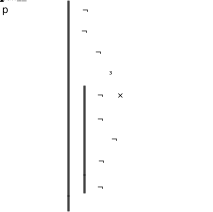
    </mixed-citation>
   </ref>
  </ref-list>
 </back>
</article>