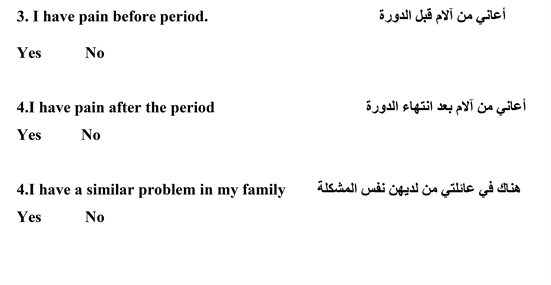
<?xml version="1.0" encoding="UTF-8"?><!DOCTYPE article  PUBLIC "-//NLM//DTD Journal Publishing DTD v3.0 20080202//EN" "http://dtd.nlm.nih.gov/publishing/3.0/journalpublishing3.dtd"><article xmlns:mml="http://www.w3.org/1998/Math/MathML" xmlns:xlink="http://www.w3.org/1999/xlink" dtd-version="3.0" xml:lang="en" article-type="research article"><front><journal-meta><journal-id journal-id-type="publisher-id">OJOG</journal-id><journal-title-group><journal-title>Open Journal of Obstetrics and Gynecology</journal-title></journal-title-group><issn pub-type="epub">2160-8792</issn><publisher><publisher-name>Scientific Research Publishing</publisher-name></publisher></journal-meta><article-meta><article-id pub-id-type="doi">10.4236/ojog.2022.128061</article-id><article-id pub-id-type="publisher-id">OJOG-118999</article-id><article-categories><subj-group subj-group-type="heading"><subject>Articles</subject></subj-group><subj-group subj-group-type="Discipline-v2"><subject>Medicine&amp;Healthcare</subject></subj-group></article-categories><title-group><article-title>
 
 
  Prevalence of Dysmenorrhea among Female Adolescents in Dubai: A Cross-Sectional Study
 
</article-title></title-group><contrib-group><contrib contrib-type="author" xlink:type="simple"><name name-style="western"><surname>Amal</surname><given-names>Al Mulla</given-names></name><xref ref-type="aff" rid="aff1"><sup>1</sup></xref><xref ref-type="corresp" rid="cor1"><sup>*</sup></xref></contrib><contrib contrib-type="author" xlink:type="simple"><name name-style="western"><surname>Ghassan</surname><given-names>Lotfi</given-names></name><xref ref-type="aff" rid="aff2"><sup>2</sup></xref></contrib><contrib contrib-type="author" xlink:type="simple"><name name-style="western"><surname>Amar</surname><given-names>Hassan Khamis</given-names></name><xref ref-type="aff" rid="aff3"><sup>3</sup></xref></contrib></contrib-group><aff id="aff3"><addr-line>Hamdan Bin Mohammed College of Dental Medicine, Mohammed Bin Rashid University of Medicine and Health Sciences, Dubai, United Arab Emirates</addr-line></aff><aff id="aff1"><addr-line>OBSGYN and Reproductive Medicine, Mediclinic Parkveiw Hospital, Dubai, United Arab Emirates</addr-line></aff><aff id="aff2"><addr-line>OBGYN Department, Dubai, United Arab Emirates</addr-line></aff><pub-date pub-type="epub"><day>02</day><month>08</month><year>2022</year></pub-date><volume>12</volume><issue>08</issue><fpage>686</fpage><lpage>705</lpage><history><date date-type="received"><day>5,</day>	<month>July</month>	<year>2022</year></date><date date-type="rev-recd"><day>31,</day>	<month>July</month>	<year>2022</year>	</date><date date-type="accepted"><day>3,</day>	<month>August</month>	<year>2022</year></date></history><permissions><copyright-statement>&#169; Copyright  2014 by authors and Scientific Research Publishing Inc. </copyright-statement><copyright-year>2014</copyright-year><license><license-p>This work is licensed under the Creative Commons Attribution International License (CC BY). http://creativecommons.org/licenses/by/4.0/</license-p></license></permissions><abstract><p>
 
 
  Objective:
   This study aimed to investigate the prevalence of dysmenorrhea 
  among adolescents in Dubai, and its effect on their academic and athletic performance. <b>Methods:</b> This was a cross-sectional study conducted in ten
   randomly selected private and government high schools in Dubai, United Arab Emirates. Using both the English and Arabic translated version of the Women’s Health Symptom Survey Questionnaire World, data was collected from 456 female students of grades 7
   
  -
   
  12, aged 11
   
  -
   
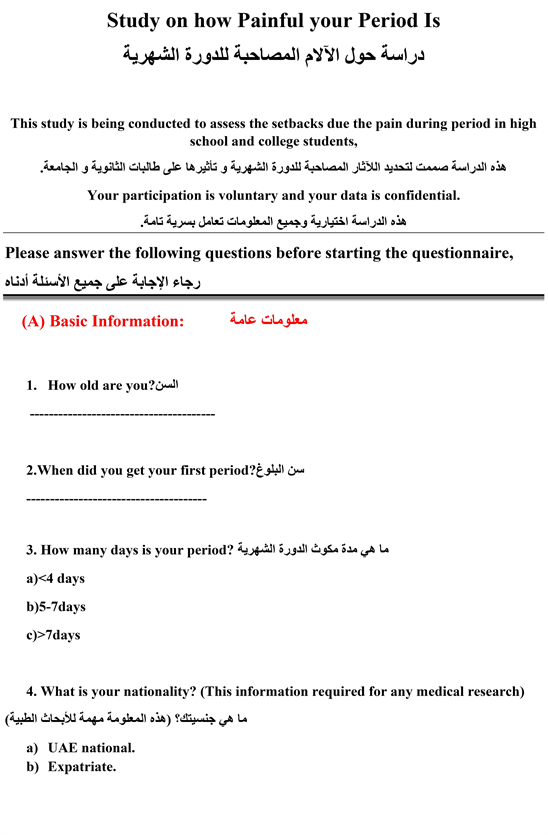
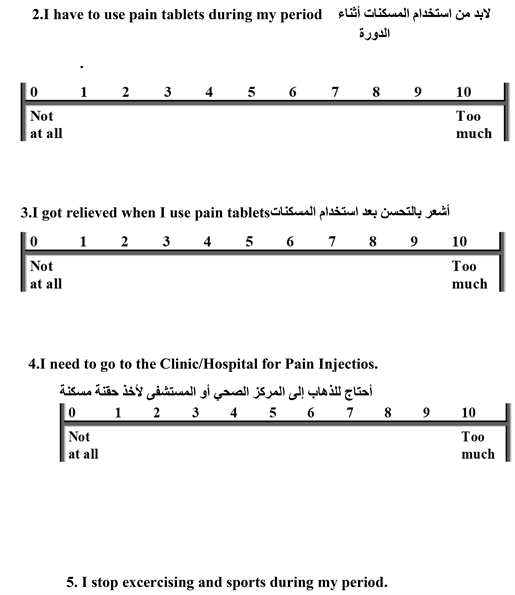
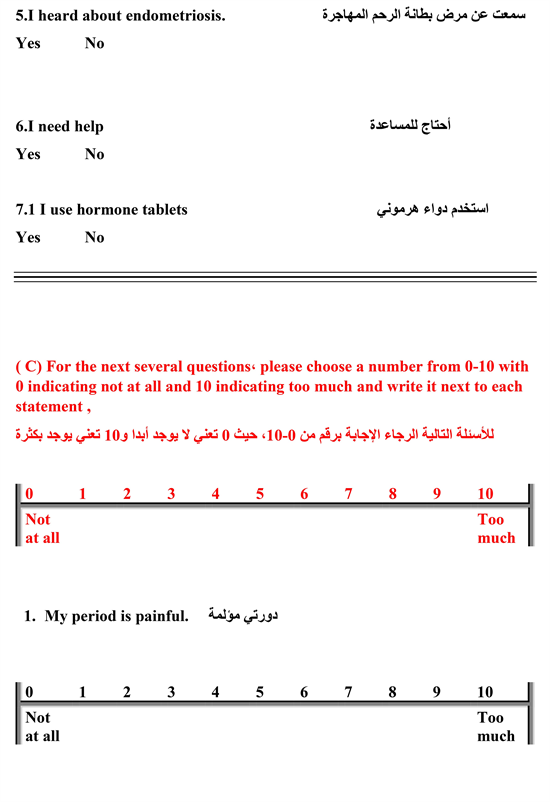
  19 years. <b>Results:</b> Dysmenorrhea was a crucial problem reported by 432 (94.7%) of the participants. Of the total number, 208 (45%) participants reported experiencing severe pain during menstruation and 152 (33.4%) students reported being absent from school during every menstrual cycle. Nonsteroidal anti-inflammatory drugs (NSAIDs) were used by 147 (32.3%) students, and majority reported no or little improvement. The percentage of students who experienced menstrual pain with micturition or defecation was 43.1% and 46.7%, respectively. None of the participants reported the use of hormonal agents. <b>Conclusion:</b> The unexpected high number of female adolescents who reported symptoms of primary dysmenorrhea necessitating treatment, as well as subsequent school absenteeism, calls for implementation of a screening questionnaire for early detection of persistent primary dysmenorrhea. Moving from surgical to clinical diagnosis of endometriosis can contribute greatly to improving the quality of life and reproductivity of female adolescents with severe dysmenorrhea.
 
</p></abstract><kwd-group><kwd>Adolescence</kwd><kwd> Dysmenorrhea</kwd><kwd> Endometriosis</kwd><kwd> Menstruation</kwd><kwd> Dubai</kwd><kwd> UAE</kwd></kwd-group></article-meta></front><body><sec id="s1"><title>1. Introduction</title><p>Dysmenorrhea in adolescents is a real dilemma, due to the existence of diagnostic challenges encountered during the investigation pathway, to identify any underlying cause.</p><p>In the majority of these cases, no underlying cause could be identified except primary dysmenorrhea. In 10%, dysmenorrhea will be secondary to another underlying pathology, mostly endometriosis or uterine anomalies [<xref ref-type="bibr" rid="scirp.118999-ref1">1</xref>] . Dysmenorrhea which involves pain during menstruation is a perturbing symptom that impairs the quality of life. The highest rate of dysmenorrhea is reported among adolescents. Therefore, it is considered the major reason for school absenteeism and limitation in activities that will ultimately result in poor academic performance and long-term burden on the national economic budget [<xref ref-type="bibr" rid="scirp.118999-ref2">2</xref>] .</p><p>Over a century has passed since endometriosis was first described by von Rokitansky in 1860. However, endometriosis is still not less of an enigmatic disease, where little progress has been done to identify the pathogenesis, or to find a cure for this disease [<xref ref-type="bibr" rid="scirp.118999-ref3">3</xref>] .</p><p>Owing to its chronic nature, endometriosis mostly can worsen over years, causing permanent damage to the female reproductive system. In addition, the perception of sever menstrual pain during adolescence has been historically “normalized” as a normal association with the menstrual cycle. Hence, it does not come as a surprise the recent publications showing advanced Endometriotic disease among young females during investigations for delayed conception [<xref ref-type="bibr" rid="scirp.118999-ref1">1</xref>] .</p><p>Stella et al. conducted an extensive literature review in Sweden and found that dysmenorrhea leads to a total loss of 230,000 working days, which causes a huge financial loss [<xref ref-type="bibr" rid="scirp.118999-ref4">4</xref>] .</p><p>Majority of adolescents suffer from primary dysmenorrhea, where no underlying cause could be identified. However, researchers suggest that abnormally high prostaglandin levels could be the underlying cause [<xref ref-type="bibr" rid="scirp.118999-ref5">5</xref>] . Persistence and/or severity of dysmenorrhea should prompt investigations to identify any underlying cause that could reveal secondary dysmenorrhea [<xref ref-type="bibr" rid="scirp.118999-ref6">6</xref>] .</p><p>Endometriosis was found in 62% of adolescents with secondary dysmenorrhea. In endometriosis, active endometrial glands and stroma are distributed in the pelvic cavity [<xref ref-type="bibr" rid="scirp.118999-ref4">4</xref>] , and can respond to hormonal influences. There is an intraperitoneal bleeding that mimics menstruation, which results in an intense and progressive inflammatory process [<xref ref-type="bibr" rid="scirp.118999-ref7">7</xref>] , constituting the cornerstone of the dense adhesions. This leads to a permanent destruction of the anatomical and functional potential of the reproductive capacity in adolescents [<xref ref-type="bibr" rid="scirp.118999-ref8">8</xref>] .</p><p>Regardless of the type of dysmenorrhea, its severity produces a debilitating effect that persists for a few days and recurs every month [<xref ref-type="bibr" rid="scirp.118999-ref4">4</xref>] . Adolescents with moderate to severe dysmenorrhea fail to enjoy activities of daily livings and may absent themselves from school [<xref ref-type="bibr" rid="scirp.118999-ref9">9</xref>] . Repeated absenteeism will ultimately result in poor school performance that will subsequently have a negative effect on the productivity of society [<xref ref-type="bibr" rid="scirp.118999-ref10">10</xref>] . Increasing evidence confirms that severe dysmenorrhea is a grave symptom that will have an unfavourable outcome on academic and athletic progress [<xref ref-type="bibr" rid="scirp.118999-ref11">11</xref>] .</p><p>The prevalence of dysmenorrhea varies worldwide. The reported incidence in 2017 was 72.2%, 89.1%, and 65%, among adolescents in Turkey, Iran, and India, respectively [<xref ref-type="bibr" rid="scirp.118999-ref12">12</xref>] , with similar incidence in gulf countries; however, data for the United Arab Emirates (UAE) are sparse. Reviewed literature revealed that the diagnosis of endometriosis was confirmed laparoscopically in 47% - 73% of adolescents with chronic pelvic pain, who did not respond to medical treatment [<xref ref-type="bibr" rid="scirp.118999-ref13">13</xref>] . This shows that diagnosing endometriosis is not easy, and requires about 12 years for the diagnosis. This difficulty is due to lack of screening tools. In addition, many adolescents perceive severe dysmenorrhea as a normal variant [<xref ref-type="bibr" rid="scirp.118999-ref14">14</xref>] . Therefore, every effort should be made to differentiate between primary and secondary dysmenorrhea to prevent severe outcomes [<xref ref-type="bibr" rid="scirp.118999-ref15">15</xref>] .<sup> </sup></p><p>Adenomyosis, is another possible reason for secondary dysmenorrhea in adolescence, where the endometrium invades the myometrium. Advances in imaging have led to the diagnosis of the disease among adolescents [<xref ref-type="bibr" rid="scirp.118999-ref16">16</xref>] . These findings may reveal that primary dysmenorrhea can be an early stage of adenomyosis [<xref ref-type="bibr" rid="scirp.118999-ref17">17</xref>] .<sup> </sup></p><p>In adolescents presenting with dysmenorrhea, symptomatic treatment should be initiated. Such treatments could involve non-steroidal Anti-inflammatory drugs (NSAIDS) and/or hormonal treatment [<xref ref-type="bibr" rid="scirp.118999-ref18">18</xref>] . Unresolved symptoms after 3 - 6 months necessitate further investigations for possible secondary causes [ACOG Committee Opinion 760] (<xref ref-type="fig" rid="fig1">Figure 1</xref>) [<xref ref-type="bibr" rid="scirp.118999-ref6">6</xref>] .<sup> </sup></p><p>This study aimed at investigating the prevalence of dysmenorrhea in Dubai and its effect on academic and athletic performance among participants.</p></sec><sec id="s2"><title>2. Methods</title><sec id="s2_1"><title>2.1. Subjects and Setting</title><p>Using a cross-sectional study design, students were randomly recruited from different high schools in Dubai, from both the government and private sectors, to participate in the study during the period between May 2018 to May 2019 academic year. A total of 10 schools participated, of which six were government schools and four were private schools. A total of 470 students were approached. Fourteen were excluded since they did not attain menarche. Therefore, 456 girl students in grades 7 - 12, aged 11 - 19 who met the inclusion criteria, i.e. those who started menstruating and those who agreed to participate in the study, were requested to complete a self-administered questionnaire written in both English and Arabic to match students’ preferences. The questionnaires were filled in their schools to allow further clarification where needed.</p><p>Written informed consent was obtained from parents and school authorities prior to the commencement of the study.</p></sec><sec id="s2_2"><title>2.2. Questionnaire and Other Materials</title><p>A questionnaire was prepared in English and Arabic version, based on questions obtained from the World Endometriosis Research Foundation using the Women’s Health Symptom Survey Questionnaire [<xref ref-type="bibr" rid="scirp.118999-ref19">19</xref>] .</p><p>The questionnaire was filled by 30 high school students and assessed prior to the study. Based on the feedback, modifications were made for difficult statements. Content validity was reviewed by two experts in this field.</p><p>Irrelevant questions for the study age group were excluded, considering the cultural and ethnic background of the country. Those questions were related to the use of contraception, occurrence of pregnancy, and information regarding sexual activity. The final questionnaire composed of 29 questions divided into three sections. The questionnaire included sociodemographic data and questions linked to menstrual cycle. These involved: age at menarche, regularity and duration of the cycle, the associated pain during menstruation and its severity, the use of analgesic, and the degree of relief in menstrual pain. School absenteeism and physical activity during the menstrual cycle were assessed. Further assessment included pain associated with defecation and urination during the menstrual cycle (Appendix 1).</p><p>Participants were asked to select between the options yes/no and to use a 1 - 10 Likert scale to grade the intensity of the menstrual pain. The scores were classified into mild (1 - 3), moderate (4 - 7), and severe (8 - 10) dysmenorrhea, using the Multi-dimensional Scoring system (MSS) grading of pain (Appendix 2).<sup> </sup></p><p>The questionnaire took about 20 minutes or less to complete, followed by an endometriosis awareness lecture.</p></sec><sec id="s2_3"><title>2.3. Data Analysis</title><p>Data were analysed using IBM-SPSS for windows, version 23.0 (SPSS Inc., Chicago, IL). Descriptive statistics are presented as frequencies with percentages, bar chart, pie graphs, measure of central tendency and dispersion.</p></sec><sec id="s2_4"><title>2.4. Ethical Approval</title><p>The study was approved by Dubai Research Scientific Ethical committee in Dubai Health Authority (Approval number: DSREC-03/2018_17). The study protocol was approved by the Ministry of Education (MOE) and Knowledge and Human Authority (KHDA). Informed consent was obtained from all participants.</p></sec></sec><sec id="s3"><title>3. Results</title><p>456 girl students in grades 7 - 12, aged 11 - 19 had completed a self-administered questionnaire. The answers to the questions were analysed, as follow.</p><sec id="s3_1"><title>3.1. Participants Characteristics</title><p>Participant characteristics with their menstrual cycle characteristics were assessed using the responses given on the questionnaire (<xref ref-type="table" rid="table1">Table 1</xref>).</p><table-wrap id="table1" ><label><xref ref-type="table" rid="table1">Table 1</xref></label><caption><title> Socio-demographic and menstrual characteristics of participants</title></caption><table><tbody><thead><tr><th align="center" valign="middle" >Variables</th><th align="center" valign="middle" >Number</th><th align="center" valign="middle" >Frequency or Percentage</th></tr></thead><tr><td align="center" valign="middle" >Age</td><td align="center" valign="middle"  rowspan="2"  >456</td><td align="center" valign="middle" >15.18 +/− 1.81 years</td></tr><tr><td align="center" valign="middle" >Mean age of menarche</td><td align="center" valign="middle" >12.23 +/− 1.25</td></tr><tr><td align="center" valign="middle" >Nationality Emirati Other</td><td align="center" valign="middle" >363 93</td><td align="center" valign="middle" >79.8% 20.2%</td></tr><tr><td align="center" valign="middle" >Mother Education Illiterate Primary or high school Higher Diploma University +/− Post Graduate Qualification</td><td align="center" valign="middle" >23 197 16 192</td><td align="center" valign="middle" >5.4% 46% 3.7% 44.8%</td></tr><tr><td align="center" valign="middle" >Mother’s occupation Housewife Employee</td><td align="center" valign="middle" >311 142</td><td align="center" valign="middle" >68.7% 33.3%</td></tr><tr><td align="center" valign="middle" >Family History of severe Dysmenorrhea and/or Endometriosis</td><td align="center" valign="middle" >218</td><td align="center" valign="middle" >47.9%</td></tr><tr><td align="center" valign="middle" >Menstrual Cycle duration 4 days 5 - 7 days &gt;7 days</td><td align="center" valign="middle" >49 264 130</td><td align="center" valign="middle" >10.8% 60.5% 28.7%</td></tr><tr><td align="center" valign="middle" >Severity of menstrual pain Mild Moderate Severe</td><td align="center" valign="middle" >105 117 208</td><td align="center" valign="middle" >23.1% 33% 45%</td></tr><tr><td align="center" valign="middle" >Perception of own period Normal Abnormal Didn’t Know</td><td align="center" valign="middle" >313 124 4</td><td align="center" valign="middle" >71% 28% 0.9%</td></tr></tbody></table></table-wrap><p>Majority of our participants (79.8%) were natives. There was almost an equal percentage of participants’ mothers with primary/high school degree and university degree, while majority of them were housewives (68.7%). Interestingly, nearly half the population (47.9%) had a family history of dysmenorrhea. A large percentage of the participants (60.5%) had clinically normal menstrual duration that ranged from 5 to 7 days. Dysmenorrhea was found in 94.7% of the total study population. A total of 208 participants (45%) reported severe pain during menstruation (<xref ref-type="fig" rid="fig2">Figure 2</xref>).</p><p>More than half of the participants (57.1%) did not use pain relieving medications such as paracetamol or NSAIDs for their menstrual cramps. Among the participants who used analgesia, surprisingly more than half (56.6%) reported no relief from pain, while a few (8.6%) with severe pain reported that they needed to go to the clinic or hospital for medical advice. None of the participants reported receiving hormonal treatment (<xref ref-type="fig" rid="fig3">Figure 3</xref>(a) &amp; <xref ref-type="fig" rid="fig3">Figure 3</xref>(b)).</p></sec><sec id="s3_2"><title>3.2. Effect of Dysmenorrhea on School Absenteeism and Hindrance to Physical activity</title><p>One fourth of the participants reported school absence with each menstrual cycle due to the severe pain associated with it; for the same reason, one third reported cessation of sport activities and missing training, which was frequent among those who were in the national team (<xref ref-type="fig" rid="fig4">Figure 4</xref>).</p></sec><sec id="s3_3"><title>3.3. Exploring Possible Symptoms That Strongly Suggesting Deep Infiltrating Endometriosis (DIE)</title><p>Among the participants, 74 (16.3%) and 57 (12.5%) reported pain during defecation and while passing urine, respectively, during each menstrual cycle. Further, 64 (14.1%) students reported persistence of pain after the menstrual cycle (<xref ref-type="fig" rid="fig5">Figure 5</xref>).</p><p>A total of 124 (28.1%) respondents have shown concern about their menstrual associated pain and were willing to follow up on future clinical assessments for their cases.</p></sec></sec><sec id="s4"><title>4. Discussion</title><p>The menstrual cycle is a physiological process that declares the potential capability of reproduction. Mild dysmenorrhea is common and expected, however moderate to severe dysmenorrhea is disabling. The problem of persistent dysmenorrhea is more pronounced in adolescents where the negative impact associated with pain can reflect on their academic and physical performance [<xref ref-type="bibr" rid="scirp.118999-ref4">4</xref>] .</p><p>The aim of our study was to detect the prevalence of dysmenorrhea among adolescents in Dubai. Therefore, this cross-sectional study was conducted with appreciably high response rate.</p><p>Interestingly 218 students mentioned a family history of dysmenorrhea.</p><p>Among the 456 students who submitted their responses, we have demonstrated a prevalence of dysmenorrhea in 430 participants, (94.7%), with variable severity (mild = 23.1%, moderate = 33%, and severe = 45%).</p><p>This was the highest rate among other studies conducted in the gulf and other Arab countries.</p><p>In Saudi Arabia, two studies revealed a prevalence of 70.6% (n = 197); severe (35.2%) and 74.4% (n = 256; mild = 21.1%, moderate = 41.4%, and severe = 37.5%) [<xref ref-type="bibr" rid="scirp.118999-ref20">20</xref>] [<xref ref-type="bibr" rid="scirp.118999-ref21">21</xref>] . In Kuwait, a study conducted by AL Matouq et al. [<xref ref-type="bibr" rid="scirp.118999-ref22">22</xref>] demonstrated a prevalence of 85.6% (n = 763). Another study in Egypt by Kamel et al. [<xref ref-type="bibr" rid="scirp.118999-ref12">12</xref>] reported a prevalence of 84% (269) among university students.</p><p>The severity of menstrual pain reported in our study (45%), was higher than that reported in Saudi Arabia at the King Abdul-Aziz University, which was 29% [<xref ref-type="bibr" rid="scirp.118999-ref23">23</xref>] , and that in Lebanon, which was 20% [<xref ref-type="bibr" rid="scirp.118999-ref24">24</xref>] .<sup> </sup></p><p>Several studies revealed a positive correlation between the severity of menstrual pain and school absenteeism; we found that 24.8% of participants missed their academic classes during the menstruation since they could not cope with the severity of the menstrual pain. Higher rates of 59.4% and 58.2% was reported by Abd El Mawgood et al. [<xref ref-type="bibr" rid="scirp.118999-ref21">21</xref>] and Al Matouq et al., [<xref ref-type="bibr" rid="scirp.118999-ref22">22</xref>] respectively.</p><p>A lower rate was however reported by Kamel et al., [<xref ref-type="bibr" rid="scirp.118999-ref12">12</xref>] where 16.8% of the students missed their classes.</p><p>Al Asadi and Abdul Qadir [<xref ref-type="bibr" rid="scirp.118999-ref25">25</xref>] revealed that dysmenorrhea affects concentration and distracts student’s attention, leading subsequently to poor academic performance.</p><p>In the current study 152 participants (33%) declared complete cessation of their regular training and physical activities during the menstrual period due to painful cramps. This matches approximately to Kamel et al., findings (39.5%) [<xref ref-type="bibr" rid="scirp.118999-ref12">12</xref>] .</p><p>Our study was unique in exploring symptoms that are strongly linked with endometriosis, which were painful micturition and defecation during the menstrual cycle. Painful micturition was reported by 43.1% of participants, which was really alarming since it could be a symptom for an underlying deep infiltrating endometriosis [<xref ref-type="bibr" rid="scirp.118999-ref26">26</xref>] .<sup> </sup></p><p>The other symptom that strongly related to endometriosis was painful defecation during the menstrual cycle and was reported by 46.7% of the participants with varying degrees. Recently Chapron et al. [<xref ref-type="bibr" rid="scirp.118999-ref27">27</xref>] identified this as an independent predictor for DIE, with 74.5% sensitivity and 68.8% specificity [<xref ref-type="bibr" rid="scirp.118999-ref28">28</xref>] .</p><p>NSAIDS is the first option for managing menstrual pain. To maximize its effectiveness, it should be taken 1 - 2 days before the onset of menses, to block prostaglandin synthesis by interrupting the action of cyclooxygenase enzyme [<xref ref-type="bibr" rid="scirp.118999-ref28">28</xref>] .</p><p>Failure to respond to NSAIDS may be due to the delay in starting dosage, or insufficient dose. This could be the reason for the high failure rate among the participants in the study. Adolescents with persistent dysmenorrhea should have an extensive evaluation to establish an underlying pathological element [<xref ref-type="bibr" rid="scirp.118999-ref29">29</xref>] .</p><p>A study by Kamel et al. [<xref ref-type="bibr" rid="scirp.118999-ref12">12</xref>] demonstrated high pain relief rate among the participants (87.2%) after using NSAIDS. This could be related to the age of the participants, since they were college students with a mean age of 20.4 &#177; 1.7 years.</p><p>Although hormonal therapy is recognized as an effective tool in treating dysmenorrhea worldwide, it is not widely accepted as a modality of treatment for adolescents in our community.</p><p>The American College of Obstetricians and Gynaecologists, in its committee opinion no. 760 reported that a positive family history of endometriosis in first-degree relative poses a 7 to 10-fold increase in the risk of developing endometriosis. The percentage reported in our study (47.9%) requires further evaluation [<xref ref-type="bibr" rid="scirp.118999-ref6">6</xref>] .<sup> </sup></p><p>Irrespective of the high rate of dysmenorrhea among participants, majority considered this pain to be a normal part of the menstrual cycle (<xref ref-type="fig" rid="fig6">Figure 6</xref>) [<xref ref-type="bibr" rid="scirp.118999-ref23">23</xref>] . This could be related to the cultural beliefs and rituals, which influence the interpretation of menstrual pain.</p><p>Knowing this fact, we conducted an awareness presentation for all participants from different schools, with the aim of rectifying their knowledge on menstrual pain [<xref ref-type="bibr" rid="scirp.118999-ref14">14</xref>] .<sup> </sup></p><p>Therefore, further surveys among female adolescents using approved screening tools should be encouraged with the aim of early recognition and treatment of endometriosis in adolescence.</p><p>Such implementation will have a tangible impact on the pathological progress of the disease and help avoid its negative effect on female fertility, hence improving the quality of life of these adolescents. It will also help in increasing awareness among those young population [<xref ref-type="bibr" rid="scirp.118999-ref14">14</xref>] .</p><p>The study is the first to provide information about the actual existence of dysmenorrhea in Dubai, UAE; thus, we believe it will help physicians to plan and develop strategies for improving reproductive health among this group.</p><p>In addition, it was unique in exploring symptoms that suggest endometriosis, therefore it supports moving the diagnosis of endometriosis from surgical to clinical to enhance early diagnosis and prevent grave sequalae [<xref ref-type="bibr" rid="scirp.118999-ref30">30</xref>] .</p><p>Our study had few limitations related to the use of a self-reported questionnaire. Moreover, it is a single-centre study, conducted in Dubai, which doesn’t represent the whole UAE.</p></sec><sec id="s5"><title>5. Recommendations</title><p>We believe that our study can pave the way for future investigations on a nation-wide scale to investigate the impact of the disease on the quality of life in adolescents. Future nation-wide surveys are needed to accumulate more data on the prevalence of primary dysmenorrhea among schoolgirls and its impact on their social life and physical wellbeing. This data will help formulate baseline information for future researches in endometriosis among adolescent girls in Dubai and other parts of emirates. The cohort of adolescents that presented with symptoms suggestive of endometriosis will require further follow up and clinical evaluations to prevent potential long-term morbidities. It is imperative that appropriate action be taken to educate and provide health services to avoid future impediment to fertility and/or surgical intervention and to prevent central sensitization on those patients.</p><p>Based on the results of this survey, awareness on endometriosis and lifestyle modifications were recommended for the study group through educational presentations and follow up meetings.</p><p>Further, educating mothers will have a positive impact on disease progression through early recognition and prompt medical consultation with specialists where needed.</p><p>Moving the diagnosis of endometriosis from surgical to clinical will undoubtedly shorten the long journey of diagnosing such debilitating disease among adolescents.</p></sec><sec id="s6"><title>Conclusion</title><p>Severe dysmenorrhea in Dubai is a crucial problem, and data obtained could reveal endometriosis as a secondary cause.</p></sec><sec id="s7"><title>Advances in Knowledge</title><p>This study found a surprisingly high prevalence of dysmenorrhea among female adolescents in Dubai.</p></sec><sec id="s8"><title>Application to Patient Care</title><p>This study calls for screening to identify young women who are strongly suspected to have endometriosis in order to alleviate their severe menstrual pain and improve their quality of life, thus reducing school absenteeism, which will have a positive impact on their academic achievement.</p></sec><sec id="s9"><title>Conflicts of Interest</title><p>The authors declare no conflicts of interest regarding the publication of this paper.</p></sec><sec id="s10"><title>Cite this paper</title><p>Al Mulla, A., Lotfi, G. and Khamis, A.H. (2022) Prevalence of Dysmenorrhea among Female Adolescents in Dubai: A Cross-Sectional Study. Open Journal of Obstetrics and Gynecology, 12, 686-705. https://doi.org/10.4236/ojog.2022.128061</p></sec><sec id="s11"><title>Appendix</title><p>1) The study questionnaire.</p><p><img src="//html.scirp.org/file/2-1432863x10.png?20220803093639553" /><img src="//html.scirp.org/file/2-1432863x9.png?20220803093639553" /></p><disp-formula id="scirp.118999-formula1"><graphic  xlink:href="//html.scirp.org/file/2-1432863x11.png?20220803093639553"  xlink:type="simple"/></disp-formula><disp-formula id="scirp.118999-formula2"><graphic  xlink:href="//html.scirp.org/file/2-1432863x12.png?20220803093639553"  xlink:type="simple"/></disp-formula><disp-formula id="scirp.118999-formula3"><graphic  xlink:href="//html.scirp.org/file/2-1432863x13.png?20220803093639553"  xlink:type="simple"/></disp-formula><p><img src="//html.scirp.org/file/2-1432863x17.png?20220803093639553" /><img src="//html.scirp.org/file/2-1432863x16.png?20220803093639553" /><img src="//html.scirp.org/file/2-1432863x15.png?20220803093639553" /><img src="//html.scirp.org/file/2-1432863x14.png?20220803093639553" /></p><disp-formula id="scirp.118999-formula4"><graphic  xlink:href="//html.scirp.org/file/2-1432863x18.png?20220803093639553"  xlink:type="simple"/></disp-formula><p><img data-original="//html.scirp.org/file/2-1432863x20.png?20220803093639553" /><img data-original="//html.scirp.org/file/2-1432863x19.png?20220803093639553" /></p><p>2) Multi-dimensional Scoring system (MSS) grading of pain.</p></sec></body><back><ref-list><title>References</title><ref id="scirp.118999-ref1"><label>1</label><mixed-citation publication-type="other" xlink:type="simple">Brosens, I., Puttemans, P. and Benagiano, G. (2018) Which Cell Defines Endometriosis? Human Reproduction, 33, 357-360. https://doi.org/10.1093/humrep/dey016</mixed-citation></ref><ref id="scirp.118999-ref2"><label>2</label><mixed-citation publication-type="other" xlink:type="simple">Bernardi, M., Lazzeri, L., Perelli, F., Reis, F.M. and Petraglia, F. (2017) Dysmenorrhea and Related Disorders. F1000 Research, 6, 1645.  
https://doi.org/10.12688/f1000research.11682.1</mixed-citation></ref><ref id="scirp.118999-ref3"><label>3</label><mixed-citation publication-type="other" xlink:type="simple">Acién, P. and Velasco, I. (2013) Endometriosis: A Disease That Remains Enigmatic. Obstetrics &amp; Gynecology, 2013, Article ID: 242149.  
https://doi.org/10.1155/2013/242149</mixed-citation></ref><ref id="scirp.118999-ref4"><label>4</label><mixed-citation publication-type="other" xlink:type="simple">Iacovides, S., Avidon, I. and Baker, F.C. (2015) What We Know about Primary Dysmenorrhea Today: A Critical Review. Human Reproduction Update, 21, 762-778.  
https://doi.org/10.1093/humupd/dmv039</mixed-citation></ref><ref id="scirp.118999-ref5"><label>5</label><mixed-citation publication-type="other" xlink:type="simple">Rimi, S. and Himabindu, N. (2016) A Study of Prevalence and Severity of Dysmenorrhea among University Students. Journal of Evolution of Medical &amp; Dental Sciences, 5, 4839-4842.</mixed-citation></ref><ref id="scirp.118999-ref6"><label>6</label><mixed-citation publication-type="other" xlink:type="simple">(2018) ACOG Committee Opinion No. 760: Dysmenorrhea and Endometriosis in the Adolescent. Obstetrics &amp; Gynecology, 132, e249-e258.  
https://doi.org/10.1097/AOG.0000000000002978</mixed-citation></ref><ref id="scirp.118999-ref7"><label>7</label><mixed-citation publication-type="other" xlink:type="simple">Klemmt, P.A. and Starzinski-Powitz, A. (2018) Molecular and Cellular Pathogenesis of Endometriosis. Current Women’s Health Reviews, 14, 106-116.  
https://doi.org/10.2174/1573404813666170306163448</mixed-citation></ref><ref id="scirp.118999-ref8"><label>8</label><mixed-citation publication-type="other" xlink:type="simple">Tanbo, T. and Fedorcsak, P. (2017) Endometriosis-Associated Infertility: Aspects of Pathophysiological Mechanisms and Treatment Options. Acta Obstetricia et Gynecologica Scandinavica, 96, 659-667. https://doi.org/10.1111/aogs.13082</mixed-citation></ref><ref id="scirp.118999-ref9"><label>9</label><mixed-citation publication-type="other" xlink:type="simple">Gagua, T., Tkeshelashvili, B. and Gagua, D. (2012) Primary Dysmenorrhea: Prevalence in Adolescent Population of Tbilisi, Georgia, and Risk Factors. Journal of the Turkish-German Gynecological Association, 13, 162-168.  
https://doi.org/10.5152/jtgga.2012.21</mixed-citation></ref><ref id="scirp.118999-ref10"><label>10</label><mixed-citation publication-type="other" xlink:type="simple">Armour, M., Parry, K., Manohar, N., Holmes, K., Ferfolja, T., Curry, C., et al. (2019) Prevalence and Academic Impact of Dysmenorrhea in 21,573 Young Women: A Systematic Review and Meta-Analysis. Journal of Women’s Health, 28, 1161-1171.  
https://doi.org/10.1089/jwh.2018.7615</mixed-citation></ref><ref id="scirp.118999-ref11"><label>11</label><mixed-citation publication-type="other" xlink:type="simple">Sahin, S., Ozdemir, K., Unsal, A. and Arslan, R. (2014) Review of Frequency of Dysmenorrhea and Some Associated Factors and Evaluation of the Relationship between Dysmenorrhea and Sleep Quality in University Students. Gynecologic and Obstetric Investigation, 78, 179-185. https://doi.org/10.1159/000363743</mixed-citation></ref><ref id="scirp.118999-ref12"><label>12</label><mixed-citation publication-type="other" xlink:type="simple">Kamel, D.M., Tantawy, S.A. and Abdelsamea, G.A. (2017) Experience of Dysmenorrhea among a Group of Physical Therapy Students from Cairo University: An Exploratory Study. Journal of Pain Research, 10, 1079-1085.  
https://doi.org/10.2147/JPR.S132544</mixed-citation></ref><ref id="scirp.118999-ref13"><label>13</label><mixed-citation publication-type="other" xlink:type="simple">Dun, E.C., Kho, K.A., Morozov, V.V., Kearney, S., Zurawin, J.L. and Nezhat, C.H. (2015) Endometriosis in Adolescents. Journal of the Society of Laparoscopic &amp; Robotic Surgeons, 19, e2015.00019. https://doi.org/10.4293/JSLS.2015.00019</mixed-citation></ref><ref id="scirp.118999-ref14"><label>14</label><mixed-citation publication-type="other" xlink:type="simple">Agarwal, S.K., et al. (2019) Clinical Diagnosis of Endometriosis: A Call to Action. American Journal of Obstetrics and Gynecology, 220, 354.e1-354.e12.  
https://doi.org/10.1016/j.ajog.2018.12.039</mixed-citation></ref><ref id="scirp.118999-ref15"><label>15</label><mixed-citation publication-type="other" xlink:type="simple">Casper, R.F. (2017) A Focus on the Medical Management of Endometriosis. Fertility and Sterility, 107, 521-522. https://doi.org/10.1016/j.fertnstert.2017.01.008</mixed-citation></ref><ref id="scirp.118999-ref16"><label>16</label><mixed-citation publication-type="other" xlink:type="simple">Benagiano, G., Brosens, I. and Habiba, M. (2015) Adenomyosis: A Life-Cycle Approach. Reproductive BioMedicine Online, 30, 220-232.  
https://doi.org/10.1016/j.rbmo.2014.11.005</mixed-citation></ref><ref id="scirp.118999-ref17"><label>17</label><mixed-citation publication-type="other" xlink:type="simple">Dietrich, J.E. (2010) An Update on Adenomyosis in the Adolescent. Current Opinion in Obstetrics and Gynecology, 22, 388-392.  
https://doi.org/10.1097/GCO.0b013e32833cefaf</mixed-citation></ref><ref id="scirp.118999-ref18"><label>18</label><mixed-citation publication-type="other" xlink:type="simple">Unsal, A., Ayranci, U., Tozun, M., Arslan, G. and Calik, E. (2010) Prevalence of Dysmenorrhea and Its Effect on Quality of Life among a Group of Female University Students. Upsala Journal of Medical Sciences, 115, 138-145.  
https://doi.org/10.3109/03009730903457218</mixed-citation></ref><ref id="scirp.118999-ref19"><label>19</label><mixed-citation publication-type="other" xlink:type="simple">The Original Questionnaire. https://www.endometriosisfoundation.org</mixed-citation></ref><ref id="scirp.118999-ref20"><label>20</label><mixed-citation publication-type="other" xlink:type="simple">Alsaleem, M.A. (2018) Dysmenorrhea, Associated Symptoms, and Management among Students at King Khalid University, Saudi Arabia: An Exploratory Study. Journal of Family Medicine and Primary Care, 7, 769-774.  
https://doi.org/10.4103/jfmpc.jfmpc_113_18</mixed-citation></ref><ref id="scirp.118999-ref21"><label>21</label><mixed-citation publication-type="other" xlink:type="simple">Abd El-Mawgod, M.M., Alshaibany, A.S. and Al-Anazi, A.M. (2016) Epidemiology of Dysmenorrhea among Secondary-School Students in Northern Saudi Arabia. Journal of the Egyptian Public Health Association, 91, 115-119.  
https://doi.org/10.1097/01.EPX.0000489884.20641.95</mixed-citation></ref><ref id="scirp.118999-ref22"><label>22</label><mixed-citation publication-type="other" xlink:type="simple">Al-Matouq, S., Al-Mutairi, H. and Al-Mutairi (2019) Dysmenorrhea among High-School Students and Its Associated Factors in Kuwait. BMC Pediatrics, 19, Article No. 80. https://doi.org/10.1186/s12887-019-1442-6</mixed-citation></ref><ref id="scirp.118999-ref23"><label>23</label><mixed-citation publication-type="other" xlink:type="simple">Ibrahim, N., Al Ghamdi, M., Al-Shaibani, A., AlAmri, F., Alharbi, H., Al-Jadani, A., et al. (2015) Dysmenorrhea among Female Medical Students in King Abdulaziz University: Prevalence, Predictors, and Outcome. Pakistan Journal of Medical Sciences, 31, 1312-1317. https://doi.org/10.12669/pjms.316.8752</mixed-citation></ref><ref id="scirp.118999-ref24"><label>24</label><mixed-citation publication-type="other" xlink:type="simple">Karout, N., Hawai, S.M. and Altuwaijri, S. (2012) Prevalence and Pattern of Menstrual Disorders among Lebanese Nursing Students. Eastern Mediterranean Health Journal, 18, 346-352. https://doi.org/10.26719/2012.18.4.346</mixed-citation></ref><ref id="scirp.118999-ref25"><label>25</label><mixed-citation publication-type="other" xlink:type="simple">Al Asadi, J. and Abdul Qadir, R. (2013) Dysmenorrhea, and Its Impact on Daily Activities among Secondary School Students in Basra, Iraq. Journal of the Faculty of Medicine Baghdad, 55, 339-344.</mixed-citation></ref><ref id="scirp.118999-ref26"><label>26</label><mixed-citation publication-type="other" xlink:type="simple">Liisu, S., Oskari, H., Aila, T. and Paivi, H. (2016) Deep Infiltrating Endometriosis Affecting the Urinary Tract—Surgical Treatment and Fertility Outcomes in 2004-2013. Gynecological Surgery, 13, 435-444.  
https://doi.org/10.1007/s10397-016-0958-0</mixed-citation></ref><ref id="scirp.118999-ref27"><label>27</label><mixed-citation publication-type="other" xlink:type="simple">Chapron, C., Barakat, H., Fritel, X., Dubuisson, J.-B., Bréart, G. and Fauconnier, A. (2005) Presurgical Diagnosis of Posterior Deep Infiltrating Endometriosis Based on a Standardized Questionnaire. Human Reproduction, 20, 507-513.  
https://doi.org/10.1093/humrep/deh627</mixed-citation></ref><ref id="scirp.118999-ref28"><label>28</label><mixed-citation publication-type="other" xlink:type="simple">Riazi, H., Tehranian, N., Ziaei, S., Mohammadi, E., Ebrahim, H. and Ali, M. (2015) Clinical Diagnosis of Pelvic Endometriosis: A Scoping Review. BMC Women’s Health, 15, Article No. 9. https://doi.org/10.1186/s12905-015-0196-z</mixed-citation></ref><ref id="scirp.118999-ref29"><label>29</label><mixed-citation publication-type="other" xlink:type="simple">Harel, Z. (2012) Dysmenorrhea in Adolescents and Young Adults: An Update on Pharmacological Treatments and Management Strategies. Expert Opinion on Pharmacotherapy, 13, 2157-2170. https://doi.org/10.1517/14656566.2012.725045</mixed-citation></ref><ref id="scirp.118999-ref30"><label>30</label><mixed-citation publication-type="other" xlink:type="simple">Soliman, A.M., Surrey, E., Bonafede, M., Nelson, J.K. and Castelli-Haley, J. (2018) Real-World Evaluation of Direct and Indirect Economic Burden among Endometriosis Patients in the United States. Advances in Therapy, 35, 408-423.  
https://doi.org/10.1007/s12325-018-0667-3</mixed-citation></ref></ref-list></back></article>