

Paper Menu >>
Journal Menu >>
 Psychology 2014. Vol.5, No.2, 99-103 Published Online February 2014 in SciRes (http://www.scirp.org/journal/psych) http://dx.doi.org/10.4236/psych.2014.52015 OPEN ACCESS 99 Influence of Age and Gender in Acquiring Social Skills in Portuguese Preschool Education Rosa Maria Silva Gomes, Anabela Sousa Pereira Education Department, University of Aveiro, Aveiro, Portugal Email: [email protected], [email protected] Received December 20th, 2013; revised January 23rd, 2014; accepted February 18th, 2014 Copyright © 2014 Rosa Maria Silva Gomes, Anabela Sousa Pereira. This is an open access article distributed under the Creative Co mmons Attribution License, which per mits unrestricted u se, distribution , and reproduction in any medium, provided the original work is properly cited. In accordance of the Creative Commons Attribu- tion License all C opyrights © 20 14 are reserved fo r SCIRP and the o wner of the intellectual propert y Rosa Ma- ria Silva Gomes, Anabela Sousa Pereira. All Copyright © 2014 are guarded by law and by SCIRP as a guardian. The specificity of educational contexts as mediators of social development through positive interactions is critical to children’s involvement in the kindergarten and therefore for their holistic development. The qualities of teacher-child interactions enhance the child’s self-esteem and autonomy, promoting peer ac- ceptance and providing a successful learning experience. The purpose of this study was to investigate whether the characteristic of gender and age are related to the acquisition of social skills of children at- tending kindergarten in a portuguese-speaking environment. The sample is composed of 581 children, age from 2 to 7 years old, who attended preschool education on average 18 months ago. Social Skills subscale (EAS) and Behavior Problems (EPC) was applied to the “Behavioral Scale for Preschool-PKBSpt” (Gomes & Pereira, 2012), Portuguese version of PKBS-2 (Merrell, 2002), Likert-type, four response levels, which seeks to assess the social and emotional skills, and behavior problems in early childhood, with the partici- pation of educators. The Statistical Package for Social Sciences (SPSS), version 17.0 for Windows. The main results show that there are gender differences in the level of social skills. The girls reveal behaviors based on Social Cooperation and Social Interaction. The boys show Attention Problems/Overactive and Antisocial Behavior/Aggressive. Older children have the highest average level Social Cooperation and Social Independence. In the dimensions of behavior problems, the youngest children (3 and 4 years) had higher mean values, either in the factor Attention Problem/Overactive or the Antisocial/Aggressive. Older children (6 years old) had statistically significant differences in the problems of the type Social With- drawal and Anxiety-Somatic problems. The child’s gender and age variables are important factors and should be included in educational practices, taking into account the development of social skills of chil- dren attending in preschool. Promoting articulated and differentiated development can prevent maladap- tive behaviors in young adults. Finally thoughts are given on the implications of this study in the level of children’s involvement within their educational contexts. Keywords: Social Skills; Problem Behavior; Child Psychology; Preschool Education; Education Psychology Introduction The curriculum of Preschool Education in Portugal is go- verned by the Curriculum Guidelines, which adopts a perspec- tive focused on indications for Educators and not in anticipation of learning to be performed by children. It assumes educators as builders and managers of curriculum and outlines the episte- mological principles that underlie the educational options for educators, by proposing an integrated and open in different areas of the curriculum. Personal and social development is one of those areas that fall within the curriculum, not only as a ne- cessity of children in this age group, but also as preparation for future learning. An analysis of learning preschool education’s impact in the later development of children concludes that the learning done at the level of Childhood Education is related to engagement in the tasks and social skills (Del Prette & Del Prette, 2005). The predispositions and feelings of the child contribute significantly to expand their skills and give back success in learning. The personal, social and emotional development is important (Tri- anes, 2002) for the realization of children as people and for their ability to be successful learners. In our concerted efforts to raise the educational level of children it is of primary impor- tance that we take into account how we support this develop- ment, through informed, effective and cross-curricular practices (Roberts, 2005). A study of Seçer, Çeliköz, Koçyiğit, Seçer, & Kayılı (2010), to assess the relationship between social skills and behavior problems through PKBS Merrell (2002) and cog- nitive style and reflexivity-impulsivity by KRISP scale devel- oped by Wright (1971), with 6-year-old children, attending Preschool Education showed that children with impulsive cog- nitive style show more behavior problems and children with cognitive style of reflexivity show more social skills. These studies show that impulsive children are less efficient than the reflective level of social skills, such as social cooperation, so 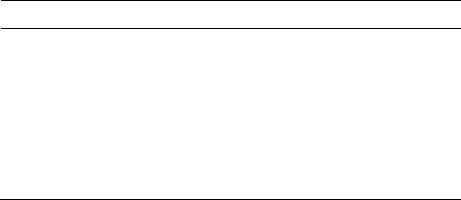 R. M. S. GOMES, A. S. PEREIRA OPEN ACCESS 100 cial interaction and social autonomy. In modern societies, we continue to witness directly or indi- rectly, situations that demonstrate that many children grow in contexts and situations that constitute threats to their psycho- logical health. When facing stressful situations and risk in their daily lives, they may develop emotional disorders and conduct problems, becoming vulnerable. However, it is observed that not all children who experience the same risk situations present problems. On the contrary, some of them are able to adapt and overcome these situations, demonstrating, among others, social skills (Cecconello & Koller, 2000). Social skills are learned and understood in given a situation and encompass personal, situational and cultural dimensions (Del Prette & Del Prette, 2001). To have a good repertoire of social skills does not guarantee a socially responsible perfor- mance by itself. Campbell (1995) considers that the initial be- havior problems for children in the kindergarten remain rela- tively stable and predicts not only problems in school but also serious health and behavioral problems in adolescence, includ- ing depression and anxiety. In the case of negative social interactions, children tend to be rejected among peers. This pattern of social behavior will trig- ger a reaction from others according to the perceived default, whether positive or negative. Study Domènech-Llaberia (2008) found that physical aggression is the most common, followed by verbal aggression and that aggression among peers is asso- ciated with three-year old male children. A study conducted in Brazil by Cecconello (2000), to as- sess social competence and empathy in children (6 to 9 years old), living in poverty, showed that girls are more socially competent and more empathic than boys. Likewise, the most empathetic children tend to be more socially responsible than others. In general, the studies emphasized the importance of these two characteristics as protective factors contributing to resilience and adaptation, in situations of stress and vulnerabil- ity. The girls prove to be more competent in the use of strate- gies of conflict resolution, using significantly less often want to retaliation or physical aggression (Walker, Irving, & Berthelsen, 2002; Gomes, Pereira, Abrantes, Inocêncio, Merrel, & An- dreucci, 2011). The investigation (Simões & Sanches, 2006), about age and gender in conflict resolution, with 3 to 14-year- old children, showed that age has an influence on the strategies used in conflict resolution and the older children have more elaborate types of responses. For the authors, the strategies are aggression, authority, social withdrawal and pro-social res- ponses. Studies of Walker (2005), with 3 to 5-year-old children, showed that children aged 4, typically developing, are able to make inferences about the beliefs and desires of others, use this information and interpret its behavior. The boys are seen as more aggressive and girls as more tolerant, dialoguing and pro- social, although the studies of Simões (2006) have not found a significant effect of interpersonal conflict on gender differences. Also the quality of interpersonal relationships among peers seems to influence social development of children from early ages. Through positive interactions with peer groups in the early years of life, children develop the best fit social skills such as sensitivity, empathy, ability to engage in different contexts and answer social problems (Lopes, Rutherford, Cruz, Mathur, & Quinn, 2011). Poor interactions among peers, resulting in rejec- tion, can trigger poor social, emotional, academic adjustment, reflected even in adjustment problems in adulthood. Studies of Asher & Coie (1990) show that those children from preschool make their friendship choices based on observable behaviors. The pairs showing positive behaviors establish positive interac- tions, but the pairs showing negative behaviors are rejected and are not choosen as partners. Children who are not accepted can cause anger and aggression as a response to unfair treatment or they may choose social isolation, as a result of anxiety and social insecurity (Lopes et al., 2011). The aim of this study was to evaluate if gender and age are related to the acquisition of social skills of children attending the preschool education, in Portuguese-speaking educational con- texts. Method Parti cipa nt s This research involved 581 children, female (52.3%) and male (47.7%), aged 2 to 7, who attend Preschool Education in public institutions (37.2%), private institutions of social soli- darity—IPSS (34.6%) and private institutions (28.2%) on aver- age for 18 months. Most educators who applied to the instru- ment were female (99.7%), were on average 35 years with an average age of 35, and had been practicing for an average of 10 years (s ee Table 1). Measures The Behavioral Scale for Preschool (PKBSpt) was adapted for the Portuguese population by Gomes, Pereira & Merrell (200 9), and validated by Gomes & Pereira (2014) from Preschool and Kindergarten Behavior Scale, PKBS 2—Merrell (2002) and is used to evaluate the social skills and problem behaviours of chi ld- ren. The instruments contain 67 Likert-scale questions. The children’s social skills were assessed using the Social Skills Scale—EAS. It is a 29-item, explaining 53.47% of the total variance and the overall value of the Cronbach’s alpha coefficient was .95. The school seeks to assess the social and emotional behaviors of children attending garden for children aged between 3 and 6. The dimensions of the Social Coopera- tion scale are a 12-item, which explains 38.2% of the variance and the coefficient value of Cronbach’s alpha was .92. It as- sesses behaviors of cooperation with peers, assertiveness and self; Social Interaction is a 7-item, explaining 5.2% of the va- riance and the coefficient value of Cronbach’s alpha was .76, which evaluates respect, friendliness and courtesy pipelines primarily for colleagues. The Social Independence factor is a 10-item, which explains 10.1% of the variance and the value of Cronbach’s alpha coefficient was .89. It assesses attitudes of autonomy, adaptation and acceptance both among peers and Table 1. Sample distribution according to age and gender. Years 2 3 4 5 6 7 Boys N 3 37 78 106 49 - % 1.1 13.6 28.6 38.8 17.9 Girls N 0 52 75 126 45 1 % - 17.4 25.1 42.1 15.1 0.3 N (total) 3 89 153 239 94 1 % (total) 0.5 15.4 26.4 41.3 16.2 0.2  R. M. S. GOMES, A. S. PEREIRA OPEN ACCESS 101 between adults. Behavior problems were assessed by the Beha- vior Problems Scale (EPC), a 38-item, which seeks to assess the social and emotional behavior level of children attending the kindergarten. Behavior Problems Scale (EPC), the factors are distributed by externalizing behavior problems (EPC’I) and internalizing behavior problems (EPC’I). The EPC’E consists of factor Self- centered/Explosive and it is a 6-item, explaining 55% of the variance and Cronbach’s alpha value was .87; Factor Attention Problem/Overactive is a 9-item explaining 5% of the variance and Cronbach’s alpha value was .92; Factor Antisocial/Aggressive is a 10-item explaining 5% of the variance and Cronbach’s alpha value was .93. Internalizing behavior problems (EPC’I) are constituted by- Factor Social Withdrawal is a 6-item, explaining 45.08% of variance, with the value of Cronb a c h’s alpha .85; Factor Anxiety/ Somatic Problems is a 7-item, explaining 10.22% of variance, with the value of Cronbach’s alpha .83.The answers were given taking into account a Likert-type, response options range from 0 (never) to 3 (often). Procedure The study was applied to a population of children attending preschool, whose native language is Portuguese. The sampling took place during the second quarter of 2009, in the educational contexts of Portugal, Brazil and Cabo Verde, through anonym- ous questionnaires and confidential self-report. For this purpose a group of educators and/or monitors was formed according to the reality of each country developing teaching activities in Kindergarten which applied the EAS and EPC questionnaire assessing children in their rooms in each of the items, supported by observations made in the last three months, as indicated in the questionnaire form. Ethical issues were respected, participation was voluntary and each questionnaire was accompanied by explanatory in- formation of the objectives, the conditions of research, confi- dentiality and anonymity of the data being secured. The SPSS (Statistical Package for Social Sciences), version 17.0 for MS Windows was used for data analysis. Results The results concerning the characterization of the target pop- ulation, children age Preschool show a homogeneous distribu- tion as a function of female (52.3%) and male (47.7%), with ages ranging from 2 to 7 years (M = 4.58, SD = 0.96). Geographically, these institutions are distributed in Portugal, Brazil and Cabo Verde: in Portugal 39.9% of children attending preschool in the district of Aveiro, 13.9% in the district of Porto and 11.0% in the district Santarém, in Brazil, 23.4% attending preschool located in Botucatu, State of São Paulo and 11.7% attending in kindergarten in the different islands of Cabo Verde. Most educators who applied to the instrument are on average 35 years old (M = 34.87, SD = 10.03), have been practicing for an average of 10 years (M = 10.51, SD = 8.95) varying the service time between 1 and 33 years. The recording of observa- tions concerning the behavior of each child was produced within the educational room (62%) and in the kindergarten (38%). If we consider the parametric correlation coefficient, Pearson correlation between the EAS subscale and the gender and age variables, we find that the positive associations are weak, but significant (p ≤ .01), ranging between .165 and .217, in Social Cooperation. We also found statistically significant differences between Social Interaction and gender and Social Independence although weaker (p ≤ .05) (see Table 2). In the EPC subscale there were significant (p ≤ .01) weak negative associations but between gender and the factors: At- tention Problem/Overactive behavior and Antisocial/Aggressive. The variable age of children also has a weak negative associa- tion with the factor Attention Problem/Overactive and weak positive association with Social Withdrawal factor (see Table 3). There are still strong and significant positive associations (p ≤ .01), among the factors of each of the scales EAS and EPC. The results of the parametric t-student PKBSpt test showed that comparing the factors of Social Skills, statistically signifi- cant differences by gender were found. Girls had higher level of Social Cooperation mean (M = 27.96, SD = 5.70, t = −3.96, df = 558, p = .000) and Social Interaction (M = 15.66, SD = 3.84, t = −3.29, df = 563, p = .001). Regarding EPC also statistically significant differences between genders were found. However, it were the boys who had higher mean values, either in the fac- tor Attention Problem/Overactive (M = 12.79, SD = 7.13, t = 5.56, df = 564, p = .000) or the Antisocial/Aggressive factor (M = 9.74, SD = 7.41, t = 5.51, df = 562, p = .000) of EPC’E. These values seem to indicate that the gender variable may be associated with some of the social skills and behavior problems. However, these are not related to the problems of Anxiety/ Somatic Problems (see Table 4). By the analysis of variance ANOVA significant differences between age and EAS factors wer e a lso found. Old er chi ldren are the ones who have the hi ghest average in Social Cooperation (M = 28.39, S D = 6. 31, F = 7. 13, p = .000) and S oci al I nd e pen de nc e ( M = 25.17, SD = 5.09, F = −3.50, p = .004), social skills. In the di- mensions of behavior problems the youngest children (3 and Table 2. Intercorrelations among EAS and gender and age variables. Factors Gender Age Social Cooperation Social Interaction Social Independence Gender 1 Age - 1 Social Coope r ation .165** .217** 1 Social Interaction .137** - .554** 1 Social Independence .088* - .592** .645** 1 **p ≤ .01; N = 581; *p ≤ .05. 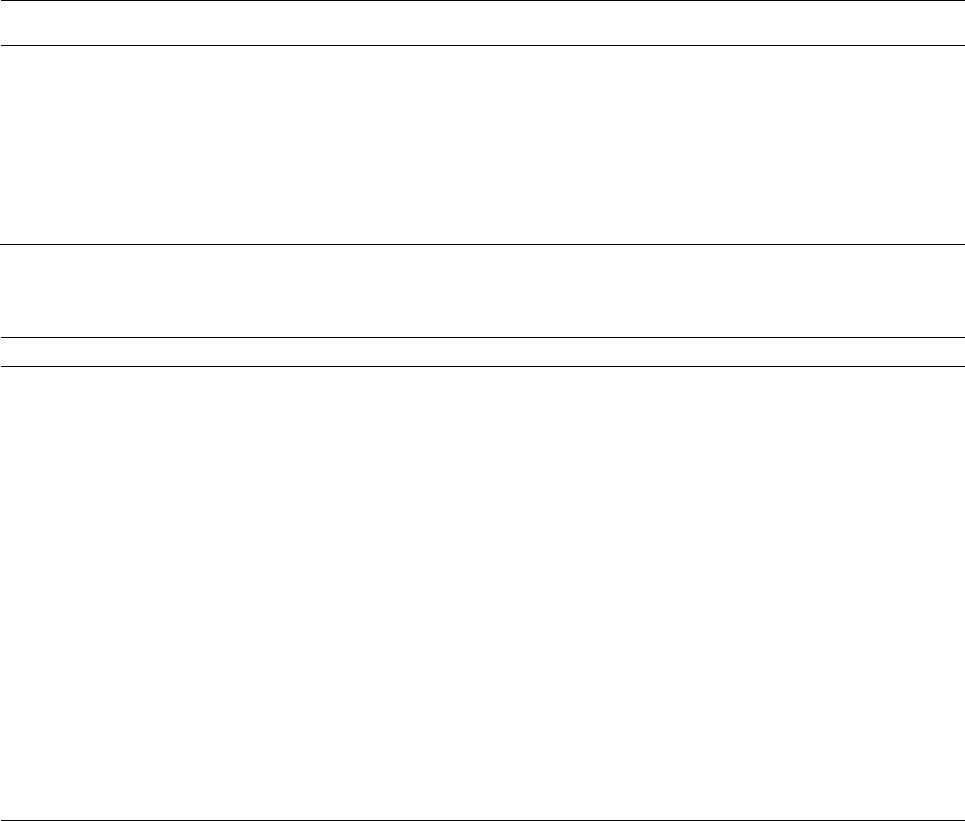 R. M. S. GOMES, A. S. PEREIRA OPEN ACCESS 102 Table 3. Intercorrelations among EPC and gender and age variables. Factors Gender Age Self-Centered/ Explosive Attention Problem/Overactive Antisocial/ Aggressive Social Withdrawal Anxiety/Somatic Problems Gender 1 Age - Self -Centered/Explosive −.089* - 1 Attention Problem/Overactive −.228** −.121** .795** 1 Antisocial/Aggressive −.226** −.90* .786** .862** 1 Social Withdrawal - .135** .541** .411** .433** 1 Anxiety/Somatic Problems - - .687** .525** .500** .670** 1 **p ≤ .01; N = 581; *p ≤ .05. Table 4. Comparati ve among dimensions and gender. Subscale Factors Gend er M SD t gl ƿ EPC Self-Cent ered/Explosive boy 6.66 4.48 2.12 560 .034 girl 5.87 4.35 Attention Problem/Overactive boy 12.79 7.13 5.56 564 .000 girl 9.58 6.61 Antisocial/Aggressive boy 9.74 7.41 5.51 562 .000 girl 6.48 6.65 Social Withdrawal boy 5.31 4.21 1.88 558 .060 girl 4.65 4.15 Anxiety/SomaticPro blems boy 7.45 4.64 0.577 563 .564 girl 7.23 4.57 EAS Social Coope r ation boy 25.88 6.72 -3.96 558 .000 girl 27.96 5.71 Social Interaction boy 14.63 3.54 -3.29 563 .001 girl 15.66 3.84 Social Independenc e boy 24.22 5.09 -2.08 560 .038 girl 25.07 4.60 4 years) were the ones with higher mean values, either in the Attention Problem/Overactive factor (M = 12.60, SD = 6.75, F = −3.29 , p = . 006 ) or the Antisocial/Aggressive (M = 9.76, SD = 7.41, F = −3.450, p = .005) E PC one. Older children (6 years old) had significant differences in the problems of the Social Withdrawal behaviors type (M = 7.04, SD = 4.45, F = −5.75, p = .000) and Anxiety/Somatic problems (M = 9.01, SD = 4.83, F = 4.00, p = .001). Discussion Through studies of correlations and parametric tests between the gender variables and factors of the Scale of Social Skills, it was found that girls showed more social skills based on cooper- ation and social interaction than boys. These results confirm some studies such as Cecconello and Koller (2000), Gomes et al. (2011). In Scale Behavior Problems the boys have higher average values in Attention Problem/Overactive and Antisocial/Ag- gressive behaviors. These data seem to indicate that age and gender may be associated with some of the social skills. Beha- vior Problems, however, are not correlated with anxiety prob- lems. These data can be explained by the fact that the girls prove to be more competent in the use of strategies in resolving conflicts, using significantly less often want to retaliation or physical aggression (Walker, Irving, & Berthelsen, 2002). The results also indicate that the age of children is correlated with social withdrawal. Study (Simões & Sanches, 2006) showed that age has an influence on the strategies used in conflict reso- lution and the older children had more elaborate types of res- ponses. For the authors, the strategies were aggression, appeal to authority and avoidance or escape responses of pro-social nature. Gomes (2012) shows that early childhood educators with more years of service develop teaching activities in public in- stitutions which value more the social behaviors of the coopera- tion and social interaction kind between children. However, educators with less service time had more difficulty in dealing with children with behavior problems Self-centered/Explosive, Attention Problem/Overactive, Antisocial/Aggressive, Social  R. M. S. GOMES, A. S. PEREIRA OPEN ACCESS 103 Withdrawal and Anxiety/Somatic Problems. For instance, Zhang and Sun (2011) found reciprocal relations between externaliz- ing problems and teacher-child conflict in preschool education. Hence the need to intervene in specialized training. Some au- thors (Alarcão, 2003; Alonso, 2003; Craft, 2004), show that professionalism reflects on the ability of early childhood edu- cators to, through a critical and creative analysis, regulate their practice, deepen their knowledge and adapt their educational action to specificity of students and the school. Educators as professionals can help in the resolution of be- havioral and emotional problems in children in an educational context (Herrera & Little, 2005; Gomes, Pereira, & Vagos, 2013). Not to intervene in a reductive way, but proactively in order to provide children, even at an early stage, with tech- niques and set methods, such as cooperative learning, how to deal with anger, how to reduce stress, especially for children with predisposition to aggressive responses through relaxation techniques, self-monitoring and cognitive coping strategies, techniques of self-dialogue and troubleshooting. It’s very im- portant to create healthy and constructive environments where children participate. This must be a concern of current educa- tional societies, because experiential components in self-regu- lation, such as enjoyment of an activity, would be associated with well-being. Acknowledgemen ts This study was supported by Research Centre Didactics and Technology in Education of Trainers (CIDTFF), University of Aveiro. REFERENCES Alarcão, I. (2 003). Professores reflexivos em uma esco la reflexiva. São Paulo: Cortez Editora. Alonso, L. (2003). Desenvolvimento profissional dos professores e ino- vação educativa: Contexto, concepções e práticas (pp. 167-185). Gui- marães: Centro de Formação de Francisco de Holanda. Asher, S. R., & Coie, J. D. (1990). Peer rejection in childhood. New York: Cambridge University Press. Campbell, S. B. (1995). Behaviour problems in preschool children: A review of recent research. Journal of Child Psychology and Psychia- try, 36, 113-149. http://dx.doi.org/10.1111/j.1469-7610.1995.tb01657.x Cecconello, A. M., & Koller, S. H. (2000). Competência social e em- patia: Um estudo sobre resiliência com crianças em situação de pobreza. Estudos de Psicologia, 5, 71-93. http://dx.doi.org/10.1590/S1413-294X2000000100005 Craft, A. (2004). A universalização da criatividade. In Cadernos de criatividade: Criatividade e educação (pp. 11-30). Lisboa: AEDC. Del Prette, A., & Del Prette, Z. A. P. (2001). Psicologia das relações interpess oais. V ivên cias p ara o t raba lho em grupo. Pe trópolis: V ozes. Del Prette, Z. A. P., & Del Prette, A. (2005). Psicologia das habi- lidades sociais na infância: Teoria e práticas. Petrópolis: Vozes. Domènech-Llaberia, E., Jané, M. C., Corbella, T., Ballespí, S., Mit- javila, M., & Canals, J. (2008). Teacher reports of peer aggression in preschool: Its relationship to DSM-IV externalizing symptoms. The Spanish Journal of Psychology, 11, 433-442. Gomes, R. M., & Pereira, A. S. (2014). Escalas comportamentais para crianças em idade Pré-Escolar, PKBSpt: manual. Aveiro: Universi- dade de Aveiro. Gomes, R. M., Pereira, A., & Vagos, P. (2013). Avaliação dos proble- mas de comportamento e m crianças da educação pré-esc olar. In B. D. Silva, L. S. Almeida, A. Barca, M. Peralbo, A. Franco, & R. Monginho (Eds.), Atas do XII congresso internacional galego-por- tuguês de psicopedagogia (pp. 4068-4080). Braga: Universidade do Minho. Gomes, R. M. (2012). (Re)configuração das práticas educativas na prevenção do stresse na infância. Ph.D. Thesis, Aveiro: Univer- sidade de Aveiro. Gomes, R. M., Pereira, A. S., & Merrell, K. (2009). Avaliação sócio emocional: Estudo exploratório do PKBS-2 de merrell aplicado a crianças portuguesas em idade pré-escolar. In B. D. Silva, L. S. Almeida, A. Barca, & M. Peralbo (Eds.), Actas do X congresso internacional galego-português de psicopedagogia (pp. 2759-2767). Braga: Unive rsidade do Minho. Gomes, R. M., Pereira, A . S., Abrantes, N., Inocêncio, L., Merrell, K., & Andreucci, L. (2011). Avaliação das aptidões sociais e com- portamentais de crianças em idade Pré-Escolar: estudo comparativo entre Portugal, Brasil e Cabo Verde. In C. S. Reis, & F. S. Neves (Eds.), Livro de atas do XI congresso da sociedade portuguesa de ciências da educaçã o (pp. 155-160). Guarda: Instituto Politécnico da Guarda. Herrera, M., & Little, E. (2005). B ehaviour problems across home and kindergarten in an Australian sample. Australian Journal of Educa- tional & Developmental Psychology, 5, 77-90. http://www.newcastle.edu.au/Resources/Research%20Centres/SORT I/Journals/AJEDP/Vol%205/v5-herrera-little.pdf Lopes, J., R utherfo rd, R., Cru z, M. C, Mathur, S ., & Quinn, M. (2011). Competências sociais: Aspectos comportamentais, emocionais da aprendizagem. Braga: Psiquilíbrios Edições. Merrell, K. W. (2002). Preschool and kindergarten behavior scales. 2nd Edition, Austin, TX: PRO-ED. Roberts, R. (2005). Pensando em mim, mesmo e nos outros: Desen- volvimento pessoal e social. In I. Siraj-Blatchford (Ed.), Manual do desenvolvimento curricular para a educação de infância. Lisboa: Texto Editores. Seçer, Zarife, Çeliköz, Nadir, Koçyiğit, Sezai, Seçer, Fahri, &Kayılı, Gökhan (2010). Social skills and problem behaviours of children with different cognitive styles who attend preschool education. Aus- tralian Journal of Guidance and Counselling, 20, 91-98. http://dx.doi.org/10.1375/ajgc.20.1.91 Simões, M. C., Dias, M. L., & Sanches, M. D. (2006). Estratégias de resolução de conflitos interpessoais: Alguns dados empíricos. In M. C. Simões, M. T. Machado, M. L. Dias, & L. I. Lima (Eds.), Psicologia do desenvolvimento: Temas de investigação (pp. 77-93). Coimbra: Edições Almedina. Trianes, M. V., & Correa, A. G. (2002). Educación socio-afectiva y pre- vención de conflictos interpersonales en los centros escolares. Re- vista Interuniversitaria de Formación del Profesorado, 44, 175-189. Walker, S., Irving, K., & Berthelsen, D. (2002). Gender influences on preschool children’s social problem-solving strategies. The Journal of Genetic Psychology, 163, 197-209. http://search.ebscohost.com/login.aspx?direct=true&db=a9h&AN=6 879508&site=ehost-live http://dx.doi.org/10.1080/00221320209598677 Walker, S. (2005). Gender differences in the relationship between young children’s peer-related social competence and individual dif- ferences in theory o f mind. The Journal of Genetic Psy chology, 166, 297-312. http://search.ebscohost.com/login.aspx?direct=true&db=a9h&AN=1 8291111&site=ehost-live http://dx.doi.org/10.3200/GNTP.166.3.297-312 Wright, J. C. (1971). KRISP (Kansas reflection-impulsivity scale for preschoolers). Lawrence: University of Kansas,. Zhang, X., & Sun, J. (2011). The reciprocal relatio ns between teachers’ perceptions of children’s behavior problems and teacher-Child Re- lationships in the first preschoo l. The Journa l of Genetic Psychology, 172, 176-198. http://dx.doi.org/10.1080/00221325.2010.528077 |