

Paper Menu >>
Journal Menu >>
 Open Journal of Depression 2014. Vol.3, No.1, 18-23 Published Online February 2014 in SciRes (http://www.scirp.org/journal/ojd) http://dx.doi.org/10.4236/ojd.2014.31006 Association between Depression and Social Demographic Factors in a Nigerian Family Practice Setting R. O. Shittu1*, L. O. Odeigah2, B. A. Issa3, G. T. Olanrewaju3, A. O. Mahmoud4, M. A. Sanni5 1Department of Family Medicine, Kwara State Specialist Hospital, Sobi, Ilorin, Nigeria 2Department of Family Medicine, University of Ilorin Teaching Hospital, Ilorin, Nigeria 3Department of Behavioural Sciences, University of Ilorin Teaching Hospital, Ilorin, Nigerias 4Department of Ophthalmology, University of Ilorin Teaching Hospital, Ilorin, sNigeria 5Department of Haematology, Kwara State Specialist Hospital, Sobi, Ilorin, Nigeria Email: *[email protected], lodeigah@yahoo.com, [email protected], Received December 7th, 2013; revised January 11th, 2014; accepted January 20th, 2014 Copyright © 2014 R. O. Shittu et al. This is an open access article distrib uted under the Creative Commons At- tribution License, which permits unrestricted use, distribution, and reproduction in any medium, provided the original work is properly cited. In accordance of the Creative Commons Attribution License all Copyrights © 2014 are reserved for SCIRP and the owner of the intellectu al property R. O. Shittu et al. All Copyright © 2014 are guarded by law and by SCIRP as a guardian. Objectives: Although depression is one of the more common illnesses in outpatients’ clinic, it is often overlooked. Besides accurate identification and treatment is challenging. As pertinent as demographic factors are in explaining the variability of depressive symptoms, there is paucity of data in Nigeria in par- ticular, and West Africa in general, hence the need to bring into lime light the association between de- pression symptoms and socio-demographic factors in a General Outpatients Clinic in Nigeria, West Afri- ca. Methods: Following institutional ethics committee approval, four hundred newly registered patients who attended the General Out Patients Department (GOPD) of Kwara State Specialist Hospital, Ilorin, Nigeria, were selected by systematic random sampling and studied. The Patients Health Questionnaire-9 (PHQ-9) specifically developed for use in primary care with acceptable reliability, validity, sensitively was used. Association between each socio-demographic factor and depression was sought. Results: One hundred and seventy eight (44.5%) out of the four hundred respondents were found to have one form of depression or the other. There was minimal depression in 119 (29.8%), mild in 54 (13.4%), moderate in 2 (0.5%), and severe in 3 (0.8%). There was strong statistical association between depression and age group, sex, marital status, level of education, occupation and monthly income, p-values 0.008, 0.000, 0.000, 0.003, 0.000, 0.001 respectively. However, religion (p = 0.541) and ethnicity (p = 0.567) were of no sta- tistical importanc e. Conclusion: The prevalence of depressive symptoms among patients attending family practice clinics was high. There was also strong association between depression and socio-demographic factor. Family physician should have high index of suspicion to patients with vague somatic complaints and the aforementioned socio-demographic factors. Early detection of depression can be enhanced by screening patients for this disorder, when they attend the hospital for other reasons. Keywords: Depression; Social Demographic Factors; Nigerian; Family Practice Setting Introduction Depression is among the leading causes of disability in adults. It affects individuals, families, business, and society (USPSTF 2010). The Task Force of Community Preventive Services re- commended clinic-based depressive care management to reduce depression in older adults on the basis of sufficient evidence and home base depressive care management (USPSTF 2010). In 2002, the US Preventive Services Task Force (USPSTF) found at least fair evidence to recommend that adults should be screened for depression in clinical practices that have system in place to ensure accurate diagnosis, effective treatment and fol- low up (Corson, Gerrity, & Dobscha, 2004). Depressive symptoms in family practice clinics are often un- detected, despite the fact that they constituted a major presenta- tion in general outpatients clinics (Morakinyo, 2002; Ohaeri & Jegede, 1991; Jegede, 1999; Krupinski & Tiller, 2001). The pre- valence rates of depression range between 11.7% and 34.4% in Nigeria (Morakinyo, 2002). Ohaeri & co-workers (1991) report- ed 49% at University College Hospital, Ibadan, Nigeria. The prevalence rates of depression are higher in Nigerians because of bio-psycho-social factors (Morakinyo, 2002), which included abject poverty, poor socio-economic factor, lack of social cohe- sion, numerous stressful life events and high rates of infectious diseases. Based on previous studies, risk factors for depressive illness in the elderly can be grouped into psychosocial, biological, per- sonality characteristics, medication and socio-demographic fac- *Corresponding author. OPEN ACCESS 18  R. O. SHITTU ET AL. tors. Psychosocial factors include stressful life events e.g. be- reavement, financial failures, loneliness etc. (Bruce, 2001). Bi- ological factors include: female gender, folate and vitamin B12 deficiency, “vascular depression” where stroke is implicated and chronic or severe physical pain. Personality traits include: low self esteem, extreme dependency and pessimism. Medica- tion include: anxiolytics, tranquilizers, anti inflammatory, anti- infective agents, beta and calcium channel blockers, hormonal agents, cardio tonic drugs and alcohol. Finally, low socio-eco- nomic status, poor educational background and widowhood are socio-demographic factors associated with depression (Mills & Henretta, 2001). Depression tends to be marked in Africans by somatic symp- toms, which may explain why it is under-diagnosed or under- recognized (Ohaeri & Jegede, 1991). Early detection of depres- sion can be enhanced by screening person for the disorder when they attend a hospital for other reasons (Edward, 2000). The fa- mily practice clinic provides an excellent opportunity for this, as most patients present first at the clinic for all types of illness- es. Despite the high prevalence of depression, there is a paucity of data among patients seen in family practice clinics in North- Central Nigeria in partic ular and West African in gene ral. There- fore, this study was undertaken to provide data on the effects of socio-demographic factors on depression among patients at- tending the General Out-Patients Department (GOPD) of Kwa- ra State Specialist Hospital Nigeria. Methodology This study was conducted at the General Outpatients Clinic of Kwara State Specialist Hospital, Ilorin, North Central Nige- ria. The target populations were the newly registered patients attending the clinic, which serve as a referral Hospital for Oyo, Osun and Kogi State of Nigeria. The sample size was estimated using the Fisher’s Formular (Araoye, 2003), ( ) 2 2 Zp1 p ne − = Therefore: ( )() ( ) 2 2 1.960.59 10.59 n 371.7 0.05 − = = Using 59.6% from a previous study (Afolabi & co-workers, 2008), as the best estimate of depressive disorders among pa- tient s in a Nigeria Fami ly practice populati on, a minimum sa m- ple size of 371 was calculated, but 400 was used to increase the reliability of the study. A systematic random sampling method was used in recruit- ing respondents for this study. Thirty new patients were regis- tered daily, making a total of 210 patients per week and 840 for the period of study from October 30 to November 30, 2013. Using a systematic random sampling method, a sampling in- terval of 4 was obtained (840/210 = 4). Already identified de- pressed subjects who were on treatment and those who refused to give consent were excluded from the study. Pretesting was carried out at the Kwara State Civil Service Hospital, using 40 respondents (10% of the sample size). Ethical approval was ob- tained from the Ethical Review Committee of the Kwara State Ministry of Health before commencement of the study. The re- spondents were adequately informed about the nature of the study and its benefits. An interviewer administered question- naire was used. The Patients Health Questionnaire (PHQ-9) (Krooenke, Spit- zer, & Williams, 2003) is a bri ef, 9-item, patients self-report de- pression assessment tool that was derived from the interview- based PRIME-MD (Spitzer and colleagues, 1994). It was speci- fically developed for use, in primary care general medical set- tings. Many depression screening and severity tools have been used in primary care, with good results. The PHQ-9, however, offers several advantages to other tools. Because the items and the scoring of items on the PHQ-9 are identical to the symp- toms and signs of DSM-4 major depression, the tool is easily understood with very high face validity for patients and clini- cians in primary care. Many other instruments use a 1-week time frame, but the PHQ-9 uses a 2-week time frame, which conforms to DSM-4 criteria. It is the only tool that was specifi- cally developed for use as a patient self-administered depres- sion diagnostic tool, rather than as a severity or screening tool. It is the only short self-report tool that can reasonably be used both for diagnosis of DSM-4 major depression as well as for tracking of severity of major depression over time (Kroenke, Spitzer, & Williams 2001). Psychometric evaluation of the PHQ-9 revealed a sensitivity ranging from 62% - 92% and a specificity between 74% - 88% (Kroenke, 2003; Spitzer, 1994). All subjects screened positively for depression using Patients Health Questionna ire—2 (PHQ-2), which was the first t wo ques- tions of PHQ-9, triggered full diagnostic interviews by the be- havioural scientists. The PHQ-9 was administered to all the respondents, to screen for depression, until the estimated sample size of 400 was obtained. Respondents who scored one and more were as- sessed clinically for depression. Scoring and level of depression was assessed viz: (1-4). Mini mal depression, (5-9) Mild depres- sion, (10-14) Moderate depression, (15-19). Moderately severe depression, and (20-27). Severe depression. Some direct de- pression care, such as care support, coordination, case manage- ment, and treatment was embarked on. Completed questionnaire and measurements were entered into a computer data base. The data were analyzed using the epidemiological information (Epi-info) 2005 software package of Center for Disease Control and Prevention (CDC). The 2 by 2 contingency tables were used to carry out Chi-square test and to find out the level of significance and values less than 0.05 were regarded as statistically significant. Results Table 1, displays the socio-demographic characteristics of the respondents. Females 139 (78.0%) out numbered male 39 (22.0%). Depression was more prominent in the age group 51- 60 years more married than single. Depression was also com- mon among respondents’ without formal education. Those with low income or no income constituted the majority of depressed patients. Figure 1, depicted that 178 (44.5) were depressed. 119 (29.8%) had minimal depression, 54 (13.5%) mild, 2 (0.5%) moderate while 3 (0.8%) were severely depressed. Table 2, shows that there was strong statistical association between age, sex, marital status, level of education, occupation, and monthly income, (p -values 0.008, 0.000, 0.000, 0.003, 0. 000 and 0.001 respectively) while religion (p-value 0.541) and eth- nicity (p-value 0.567) were not significant. Table 3, shows the clinical evaluation of the patient health questionnaire-9 (PHQs-9) of the respondents. Fifty respondents OPEN ACCESS 19 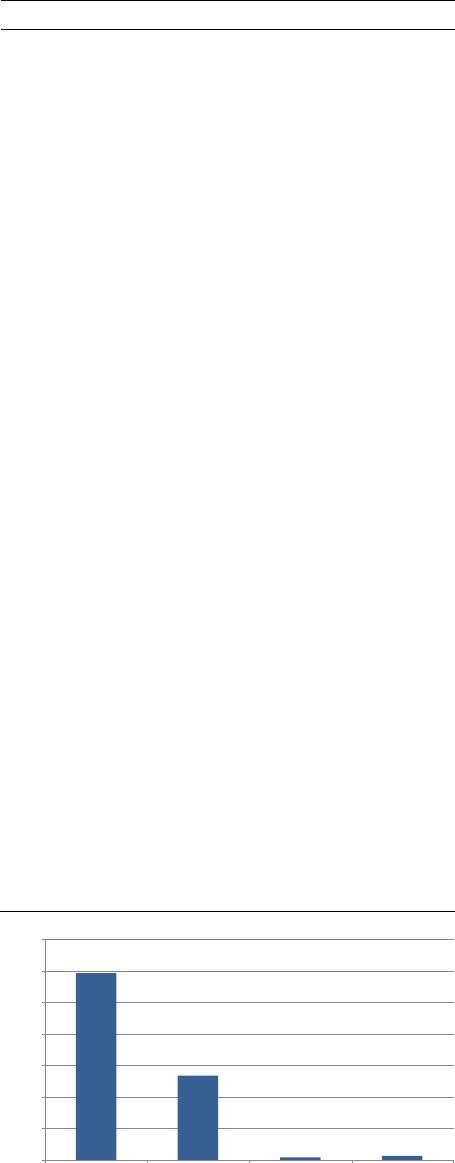 R. O. SHITTU ET AL. Table 1. Socio-demographic characteristics of the respondents. Age Group 21 - 30 24(13.5) 31 - 40 23(12.9) 41 - 50 47(26.4) 51 - 60 51(26.7) > 61 33(18.5) Sex Male 39(22.0) Female 139 (78 .0) Marital status Married 1 02(57 .3) Single 12(6.7) Divorced 6(3.3) Separated 12(6.7) Religion Christianity 27(15.2) Islam 151(84.8) Education Non-formal 1 08(60 .7) Primary 22(12.4) Secondary 25(14.0) Tertiary 23(12.9) Occupati on Trader 56(31.5) Civil servant 27(15.2) Self employed 73(41.0) Unemployed 19(10.7) Student 3(1.6) Monthly Income (N) No Income 28(15.7) ≤20000 129 (72. 5) 20001 - 30000 10(5.6) 30001 - 40000 6(3.4) 40001 - 50000 3(1.7) >50000 2(1.1) Figure 1. Spectrum of de pression of the respon dents. attested to feeling down, depressed, or hopeless on several days while 58, had little interest or pleasure in doing things. Seventy eight had trouble falling or staying asleep, or sleeping too much. Though none thoughts of hurting self, 43 feel bad or failure to self an d t o t he family . Discussion In this study one hundred and seventy-eight subjects (44.5%) were found to have one form of depression or the other. There was minimal depression in 119 (29.8%), mild in 54 (13.5%), moderate in 2 (0.5%) and severe depression in 3 (0.8%). This prevalence was comparable to the 49% reported by Ohaeri & Jegede at Ibadan, South Western Nigeria in 1991, and also to the 40% reported by Patel (1998) in Zimbabwe, but lower than Dolittle & Farrell (2001) who reported a prevalence rate of 62% in the United States. Differences between the observed prevalence in this study and the values cited from the more recent US and Zimbabwe studies may reflect a variation in local rates of predisposing factors for depression in the various communities, as had also been suggested b y (Judd et al., 2002). Probable reasons for these differences included the effects of a severely depressed national economy on the psychological state of the subjects. There had been a general decline in per capital income from $1000 in 1988, the period when Ohaeri & Jegede (1991), conducted their studies, to $260 in 1998. Nigeria is classified as a low-middle income country with a Gini Index of 43.7 and income per capi- tal of $1490 (Okechukwu et al., 2012). There are also wide- spread and increasing levels of poverty in Nigeria. This is in consonant with the WHO, who cited poverty as a recognized factor in the increasing prevalence of depression worldwide (WHO, 2006; WDR, 2001). In this study, a significant association existed between de- pression and low income (p = 0.001). This was comparable to other studies (Patel, 1999; Kahn, 2000; Araya, 2003). This was similar to the findings in the province of Ontario, in Canadian Health Survey, where the highest prevalence of depression (18.4%), was seen in household, with an income level of less than $10,000 per year (Offord et al., 1996). Income is the most significant social determinants of health, because it determines one’s overall living conditions, affect one’s psychological con- dition, and help shape one’s diet and eating habits. Low-income people living in poverty cannot afford healthy food, sufficient clothing and good housing all of which are necessary precondi- tions of good health. Depression was found to be commoner among the subjects with no formal education. Seventy-one of those without formal education had minimal depression while 37 presented with mild level of depression. On the other hand, 16 of those with tertiary level of education had minimal, 4 had mild while 2 had mod- erate level of depression. This was statically important (p = 0.003). This findings was in concord with other studies, in which low level of education was strongly linked with depres- sion (Okulate, 1999; Barkow, 2003; Shiels, 2004). Education is a critical social determinants of health because, people with hi- gher levels of education are often healthier than people with lo- wer levels of educational attainment. Moreover, the findings of this study revealed that depression was more common in the age group 51 - 60 years, with strong association between age and depression (p = 0.008). This was in agreement with other studies (Sinha, 1997; Gomez et al., 0 20 40 60 80 100 120 140 Minimal Mild Mo derate severe Levelof depression Frequency OPEN ACCESS 20  R. O. SHITTU ET AL. Table 2. Association between socio-demographic variables and depression. DEPRESSION Total Minimal Depression Mild Depression Moderate Depression Severe Depression Chi-square Age 21 - 30 15 6 2 1 24 0.008 31 - 40 13 8 0 2 23 41 - 50 36 11 0 0 47 51 - 60 31 20 0 0 51 >=61 24 9 0 0 33 Total 119 54 2 3 178 SEX Male 33 3 0 3 39 0.000 Female 86 51 2 0 139 Total 119 54 2 3 178 ETHNICITY Hausa 116 51 2 3 172 0.567 Yoruba 3 1 0 0 4 Igbo 0 2 0 0 2 Others 0 2 0 0 2 Total 119 54 2 3 178 RELIGION Christianity 21 6 0 0 27 0.541 Islam 98 48 2 3 151 Total 119 54 2 3 178 MARITAL STATUS Married 73 27 2 0 102 0.000 Single 7 2 0 3 12 Divorced 5 1 0 0 6 Separated 6 6 0 0 12 Widow 28 18 0 0 46 Total 119 54 2 3 178 LEVEL OF EDUCATION Non - formal 71 37 0 0 108 0.003 Primary 16 6 0 0 22 Secondary 16 7 0 2 25 Tertiary 16 4 2 1 23 Total 119 54 2 3 178 OCCUPATION Trader 38 18 0 0 56 0.000 Civil servant 19 4 2 2 27 Self employed 45 28 0 0 73 Unemployed 15 4 0 0 19 Student 2 0 0 1 3 Total 119 54 2 3 178 0.001 Monthly Income (N) No Income 24 2 1 1 28 ≤20000 79 50 0 0 129 20001 - 30000 8 1 0 1 10 30001 - 40000 5 1 0 0 6 40001 - 50000 2 0 1 0 2 >50000 1 0 0 1 3 Total 119 54 2 3 178 OPEN ACCESS 21  R. O. SHITTU ET AL. Table 3. The patient health questionnaire -9 (PHQ-9)12-14. Over the las t 2 weeks, how often have you been bothered by any of the following problems? Not at all Sever al days More than half the days Nearly every day Total 1. Little interest or pleasure in doing thing s 338 58 4 0 400 2. Feeling d own, depressed, or hopeless 330 50 18 2 400 3. Trouble falling or staying asleep, or sleeping too much 288 78 27 7 400 4. Feeling tired or havi ng l ittle energy 279 85 33 3 400 5. Poor appetite or overeating 3 29 51 17 3 400 6. Feeling ba d about your s elf-or that you are a failure or have let yo urs elf or your family down 3 51 43 3 3 400 7. Trouble concentrating on things, such as rea di ng the newspaper or watching television 367 30 3 0 400 8. Moving or speaking so slow l y that other people could have noticed, or the opposite-being so fidgety or restless that you have been moving around a lot more tha n us ual 392 5 3 0 400 9. Thoughts t hat you woul d be better off dead, or of hurt i ng yourself in some way. 397 0 3 0 4 00 2004). Gomez-Restrepo et al. (2004) reported a higher preva- lence of depression in person older than 45 years. Similarly, de- pression symptoms was reported to be twice in the older age group than in younger adults in Butajira, Ethiopia (Kebede et al., 2003). This was contrary to the finding of Noori and co-work- ers, who reported highest prevalence range in the age group of 20 to 24 years and the lowest rate in the age group of 75 years and above. Plausible reason for this could be biological because of hormonal variation in menopause and andropause. It could also be as a result of stressful life events like bereavement, fi- nancial failures and loneliness (Bruce, 2001; Mills, 2001). Con- trary to the above, a study in Nigeria (Ihezue & Kumaraswany, 1986) found out that there was no significant association be- tween depression and age, which was similar to a Harvard Me- dial School study reported that, depression could occur at any age, and that individual, might experience depression at differ- ent times of their lives for different reasons (President and Fel- lows of Harvard College, 2007), hence, there were no signifi- cant differences between age group and depression. Occupation status was found to have a significant relation- ship with depression in this study. (p = 0.000), with 15(8.4%) of the unemployed having minimal depression while 4(2.2) had mild depression. This was in support of other studies that found a significant association between employment status and de- pression (Prause, 2001; Comino, 2000; Roos, 2005). This was similar to another study, where depressive features were more common among the unemployed. Depression resulting from unemployment had increased over the years (President and Fellows of Harvard College, 2007), but contrary to the study of Afolabi and colleagues (2008) who found no association be- tween employment and depression. Unemployment leads to poor physical mental health in a number of ways. When pa- tients become unemployed, it is a stressful event that affects their self-esteems. Since employment generates income, a posi- tive identity and the ability to live healthy lifestyles, unem- ployment leads to impoverishment, psychological stress and participate in health-threatening coping behaviours such as to- bacco consumption, alcohol abuse, promiscuity. Furthermore, in this study, marital status had a negative sig- nificant association with depression (p = 0.000). This was in support of the findings of Brown et al. who established that ma- rital status had no bearing on the experience of depression (Brown & co-workers, 2000), but contrary to the findings of Afolabi and colleagues (2008) at Obafemi Awolowo Teaching Hospital Complex (OAUTHC), in Ile-Ife, Nig eria, West A fric a; were marriage was indeed extremely beneficial. There was significant association between depression and gender in this study (p = 0.008). One hundred and thirty-nine females (78%) had depression, compared to 39 males (22%). This was contrary to the study of Afolabi and colleagues (2008). Women were more likely to experience depression than men because they carry the double burden of raising children and household work. Gender inequity needs to be regarded as a social determinant of depression. Thus there is a need to pay more attention to gender as determinants of depressive mood. Conclusion The proportion of patients with depressive symptoms in fam- ily practice clinics is high and highly correlates with socio-de- mographic factors and low socio-economic status. Coping me- chanism for depression in resource-limited economies, like those of most West African countries, is an important area that needs to be studied further. Increased awareness, information, advocacy and access to healthcare services, especially for the early detection and preventive care of depression, are of c ritical importance. The family as a focus for health promotion will re- quire the development of practical approaches that employ so- cial variables in the analysis of health and human development strategies, and the recognition of the power of these social va- riables in the analysis of health and human development strate- gies, and the recognition of the power of these social variables in influencing mental health. REFERENCES Afolabi, M. O., Abioye-Kuteyi, E. A., Fatoye, F. O., Bello, I. S., & Adewuya, A. O. (2008). Pattern of depression among patients in a Nigeria family practice population. South African Family Practice, 50, 63-69. Araoye, M. O. (2003). Data collection in: Research methodology with OPEN ACCESS 22  R. O. SHITTU ET AL. statistics for health and social sciences. Ilorin: Nathadex Publishers, 130-159. Araya, R., Lewis, G., Rojas, G., & Fritscho, R. (2003). Education and income: Which is mor e i mportant for mental health? Journal of Epi- demiology & Community Health, 57, 501-505. http://dx.doi.org/10.1136/jech.57.7.501 Barkow, K., Maie r, W., Uatun, T. B., Gansicke, M., Wi tchen, H. Y., & Heun, R. (2003). Risk factors for depression at 12-month follow-up in adult primary health care p atients with major depress ion: An inter- national prospective study. Journal of Affective Disorders, 76, 157- 169. http://dx.doi.org/10.1016/S0165-0327(02)00081-2 Brown, A. C., Brody, G. H., & Stoneman, Z. (2000). Rural black wo- men and depression: A con textual analysis. Journal of Marriage and Family, 62, 187-198. Bruce, M. L. (2001). Psychological risk factor for depressive disorder in late life. Biological Psychiatry, 52, 175-184. Comi no, E. J., Harris, E., Silove, D., Maricavas agar, V., & Harris, M. F. (2000). Prevalence, detection and management of anxiety and de- pressive symptoms in unemployed patients attending general practi- tioners. Australian & New Zealand Journal of Psychiatry, 34, 107- 113. http://dx.doi.org/10.1046/j.1440-1614.2000.00645.x Corson, K., Gerrity, M.S., & Dobscha, S. K. (2004). Screening for de- pression and Suicidality in a VA primary setting: 2 items are better than 1 item. American Journal of Manage d C ar e, 10, 839-45. Edward, J. G. (2000). Evidence-based approaches to prevention of de- pression. Paper presented to medical of Practitioners in Meboume, Sydney and Brishare. Gomez-Restrepo, C., Bohorquez, A., Pinto, M., et al. (2004). The pre- valence of and factors associated with depression in Colombia. Re- vista Panamericana de Salud Pública, 16, 378-386. Ihezue, U. H., & Kumaraswany, N. (1986). Socio-de mographic charac- teristics of depressive illness among Nigerians. Acta Psychiatrica Scandinavica, 73, 128-132. http://dx.doi.org/10.1111/j.1600-0447.1986.tb10577.x Jegede, R. O. (1999). Depression in Africans revisited: A critical review of literature. African Journal of Medical Science, 8, 125-132. Judd, F. K., Jackson, H. J., Komiti, A., Murray, G., Hodgins, G., & Fra- ser, C. (2002). Hig h Prevalence disorders in urb an and rural commu- nities. Australian & New Zealand Journal of Psychiatry, 36, 104-107. http://dx.doi.org/10.1046/j.1440-1614.2002.00986.x Kahn, R. S., Wise, P. H., Kennedy, B. P., & Kawachi, I. (2000). State income inequality, house hold income, and maternal mental and phy- sical health: Cross-sectional national survey. British M edical Jo urnal, 321, 1311-1315. http://dx.doi.org/10.1136/bmj.321.7272.1311 Kebede, D., Alem, A, De yassa, N., Shibra, T., Legash, A., Beyero , T., et al. (2003). Socio-demography correlates of depressive disorder in Butajgra, rural Ethiopia. Central African Journal of Medicine, 49, 78-83. Kroenke, K., Spitzer, R. L., & Williams, J. B. W. (2001). The PHQ-9: Validity of a brief depression severity measure. Journal of General Internal Medicine, 16, 606-613. http://dx.doi.org/10.1046/j.1525-1497.2001.016009606.x Krooenke, K., Spitzer, R. L., & Williams, B. (2003). The patient health questionnaire 2 : Validity of a two-item depression screener. Medical care, 41, 1284-1294. http://dx.doi.org/10.1097/01.MLR.0000093487.78664.3Cc Krupinski, J., & Tiller, J. (2001). Identification and treatment of d ep res- sion by general practitio ners. Australian and New Zealand Journal of Psychiatry, 35, 827-832. http://dx.doi.org/10.1046/j.1440-1614.2001.00960.x Mills, T. N., & Henretta, J. C. (2001). Racial, ethnic an d sociodemogra- phic differences in the level of psychosocial difference among older Americans. Research on Ageing, 23, 131-152. http://dx.doi.org/10.1177/0164027501232001 Morakinyo, O. (2002). The nature and diagnosis of depressive diso rders in Africans. In O. Morakinyo (Ed.), Handbook for students on mental health posting (pp. 68-69). Ile-Ife: The Department of Mental Health, Obafemi Awolowo Univ ersity/Obafemi Awolowo Univ ersity Teach- ing Hospital Complex. Offord, D. R., Boyle, M. H., Campbell, D., Goering, P., Lin, E., Wong, M., Racine, Y. A. et al. (1996). One year prevalence of psychiatric disorder in Ortarians 15 to 64 years of age. Canadian Journal of Psy- chiatry, 41, 559-563. Ohaeri, J. U., & Jegede, R. O. (1991). Depression and the general med- ical practitioner in Nigeria. Medicare, 6, 7-11. Okechukwu, S. O., Ikechi, O., Innocent, I. C., Joshua, O. A., Basden, J. C., Ayodele, O. F. et al. (2012). Blood pressure, prevalence of hy- pertension and hypertension related complications in Nigerian Afri- cans: A review World. Journal of Cardiology, 4, 327-340. Okulate, G. T. (1999). Psychiatric morb idity in private general practice in Lagos, Nigeria. Nigerian Quarterly Journal of Hospital Medicine, 9, 124-126. http://dx.doi.org/10.4314/nqjhm.v9i2.12392 Patel, V., Araya, R., Lima, M. S., Ludermir, A., & Todd, C. (1999). Women, poverty and common mental disorders in four restructuring societies. Social Science Medicine, 49, 1461-1471. http://dx.doi.org/10.1016/S0277-9536(99)00208-7 Patel, V., Todd, C. H., & Winston, M. (1998). The outcome of common men tal disorders in Harare, Zimbabwe. British Journal o f Psych iatry, 172, 53-57. http://dx.doi.org/10.1192/bjp.172.1.53 Prause, J., & Doole, Y. D. (2001). Favou rable employment sta tus change and psychological depression: A two-year follow-up analysis of the National Longitudinal Survey of Yo uth. Applied Psychology: An In- ternational Review, 50, 282-304. http://dx.doi.org/10.1111/1464-0597.00059 President and Fellows of Harvard College (2007). Depression, sex and age. Cambridge, MA: Harvard Health Publications, 1-5. Roos, E., Lahel ma, E., Saasta moinen, P., & Elstad, J. I. (2005). The as- sociation of employment status and family status with health among women and men in four Nordic countries. Scandinavia Journal of Public Health, 33, 250-260. http://dx.doi.org/10.1080/14034940510005680 Shiels, C., Gabbay , M., Cowrick, C., & Hulbert, C. (2004). Depression in men attending a rural general p ractice: factors ass ociated with pre- valence of depressive symptoms and diagnosis. British Journal of Psychiatry, 185, 239-245. http://dx.doi.org/10.1192/bjp.185.3.239 Sinha, D. (1997). Psychological concomitants of poverty and their im- plications for education. In Y. Atal (Ed.), Perspectives of educating the poor (pp. 57-118). New Delhi: Abhinav Publications. Spitzer, R. L., Williams, J. B., Kroenke, K., Lin zer, M., deGruy, F. V., Hahn, S. R., et al. (1994). Utility of a new procedure for diagnosing mental disorders in primary care. The PRIME-MD 1000 study. The Journal of the American Medical Association, 272, 1749-1756. http://dx.doi.org/10.1001/jama.1994.03520220043029 US Preventive Services Task Fo rce (2010). Screening for depression in adults: Recommendation statement. American Family Physician, 82, 976-979. World Bank Development Indicators (2005). Income Per Capita. http://www.finfacts.ie/biz10globaworldincomepercapital.htm World Development Report 2000/2001 (2001). Atta cking poverty. New York: Oxford University Press. OPEN ACCESS 23 |