

Paper Menu >>
Journal Menu >>
 Vol.3, No.4, 208-213 (2013) Journal of Diabetes Mellitus http://dx.doi.org/10.4236/jdm.2013.34032 S troke in type 2 diabetes mellitus p atient s admitted to emergency unit in Central African country (Congo): Preliminary findings* Bertrand Fikahem Ellenga-Mbolla1,2#, Henri Germain Monabeka2, Paul Macaire Ossou-Nguiet2, Gilbert Fabrice Otiobanda3, Kryste Chancel Mahoungou Guimbi3, Thierry Raoul Gombet2,4, Suzy-Gisèle Kimbally-Kaky1,2, Benjamin Longo Mbenza5 1Department of Cardiology, University Hospital of Brazzaville, Brazzaville, Congo; #Corresponding Author: [email protected] 2Department of Medicine, Faculty of Health Sciences, Marien Ngouabi University, Brazzaville, Congo 3Intensive Care Unit, University Hospital of Brazzaville, Brazzaville, Congo 4Emergengy Unit, University Hospital of Brazzaville, Brazzaville, Congo 5Faculty of Health Sciences, Walter Sisulu University, Mthatha, South Africa Received 5 October 2013; revised 2 November 2013; accepted 9 November 2013 Copyright © 2013 Bertrand Fikahem Ellenga-Mbolla et al. This is an open access article distributed under the Creative Commons Attribution License, which permits unrestricted use, distribution, and reproduction in any medium, provided the original work is properly cited. ABSTRACT Background: The cardiovascular risk factors including type 2 diabetes mellitus (T2DM) are a public health problem in sub-Saharan Africa. The aim of this study is to determine the preva- lence and factors associated with stroke in T2DM p atients admitted to the emergency Unit in Brazzaville. Patients and Methods: This is the preliminary findings of a cross-sectional study including patients with T2DM, admitted in Emer- gency Unit of University Hospital of Brazzaville from January to April 2011. One hundred and seven patients were included. Sex ratio was 1.5. Results: The mean age was 60.3 ± 10.2 years (range 40 - 80 years). S troke story was noted in 5 cases (4.6%). The main pathologies were meta- bolic complications (n = 51; 47.6%) and cardio- vascular diseases (n = 36; 33.6%), dominated by stroke (17 cases). Epidemiological factors asso- ciated with stroke were high standard living (OR = 3, 95% CI: 1.02 - 8.9, p = 0.03), polypharmacy (OR = 3.7, 95% CI: 1.27 - 10.8, p = 0.01), previous hospitalization (OR = 3.1, 95% CI: 1.07 - 8.9, p = 0.03), and the absence of antiplatelet therapy (OR = 4.2, 95% CI 1.2 to 15, p = 0.03). Clinical associated factors were coma (OR = 3.3, 95% CI 1.14 to 9.6, p = 0.02) and the presence of severe hypertension (OR = 4, 95% CI: 1.2 - 12, p = 0.02). Finally, prognostic factors were the transfer in intensive care unit (O R = 9.8, 95% CI: 2.7 - 34, p < 0.001). Conclusion: The f irst card iovascular co m- plication in p atient s with T2DM admitted in emer- gency at University Hospital of Brazzaville is stroke. Primary prevention in high-risk patients is still inadequate. Keywords: Type 2 Diabetes Mellitus; Stroke; Emergency; Brazzaville 1. INTRODUCTION The type 2 diabetes mellitus (T2DM) is a public health problem in sub-Saharan Africa (SSA) where its preva- lence constantly increases and the complications of this disease become concerned [1]. The stroke represents a serious and frequent complication of T2DM because of its lethality, disability and relapse [2]. T2DM patient of- ten has multiple risk factors, which lead to frequent oc- currence of cardiovascular complications [1]. Thus, a comprehensive and efficient management of T2DM pa- tients, includes the management of all risk factors. Sev- eral predictors of stroke have been described in black patient with T2DM. Among them, there is an increase in blood pressure, presence of infection, poor medical care, the addictions and occurrence of microvascular compli- cations [3]. In SSA, the management of T2DM is diffi- cult because of poverty, poor access to medical care, lack of equipment and qualified healthcare professionals [4, *Competing interests: None. Copyright © 2013 SciRes. OPEN ACCESS 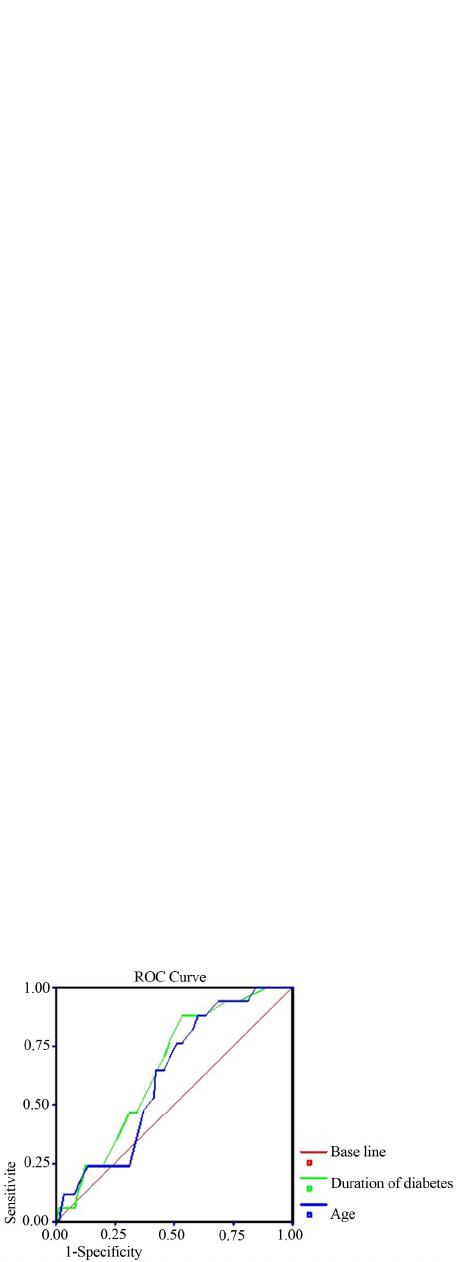 B. F. Ellenga-Mbolla et al. / Journal of Diabetes Mellitus 3 (2013) 208-213 209 5]. The aim of this study is to determine the prevalence and factors associated with stroke in T2DM patients ad- mitted to the emergency Unit in Brazzaville. 2. PATIENTS AND METHODS It is a cross-sectional study, conducted from January to April 2011 (4 months) in the emergency Unit of Univer- sity Hospital of Brazzaville. We included all patients admitted with a diagnosis of T2DM, with records including at least of standard boil- ogy, an electrocardiogram and chest X-ray. A CT scan performed within 48 hours was required for the diagnosis of stroke. 2.1. Variables Anal yzed They were epidemiological (age, sex, anthropometry, diabetes follow up, duration of diabetes, clinical history, outpatient treatment, adherence and reference), clinical (signs and diagnosis) and prognostic (transfer in inten- sive care unit and death). 2.2. Definitions Obesity was defined as a body mass index greater than 30 kg/m2. Polypharmacy was seen when taking more than three medications in outpatient treatment. Poor compliance was indicated by irregular intake of treat- ment. Reference represented patients addressed by a sec- ondary health center. The high standard of living was based on occupation and monthly salary. Major hyper- glycemia was defined when glycemia ≥5 g/L. Severe hypertension was defined when blood pressure ≥180/110 mm Hg. 2.3. Statistical Analysis Data were treated with EPI INFO 3.3.2 software (CDC Atlanta, USA) and SPSS 10.0 for Windows (Chocago, IL, USA). Quantitative variables were expressed as mean and standard deviation, and qualitative staffing percent- age. The chi-square test was used to compare qualitative variable and ANOVA for quantitative variable. The uni- variate risk of stroke was assessed in calculating Odds ratio (OR) with 95% confidence intervals (95% CI). Multivariates analyses such as logistic regression models were used to assess the independent determinants of stroke. The receiving operating characteristic (ROC) curve to predict stroke was plotted. The significance level was 0.05. 3. RESULTS One hundred and seven patients were included. They were 65 women (60.7%), the sex ratio was 1.5. The mean age was 60.3 ± 10.2 years (range 40 and 80 years). The mean age by sex was 60.4 ± 9.8 years (range: 40 - 78 years) for women and 60.3 ± 11 years (range: 40 - 80 years) for men (p = 0.98). In ROC curve (Figure 1), age >62.5 ans to predict stroke (sensitivity 64.7%, specificity 57.8%) was no significant. 3.1. Epidemiological Status High standard living was noted in 45 cases (42%), in- cluding 22 women (33.8%) and 23 men (54.8%). Patients were referred from a secondary health center in 26 cases (24.3%). The mean duration of T2DM was 7.6 ± 5.4 years (range 0 - 22 years), respectively 5 ± 7.7 years (range 0 - 2 years) for women and 7.6 ± 6 years (range 0 - 22 years) for men (p = 0.6). Duration of diabetes >10.5 years in ROC curve (Figure 1) was predicted stroke with sensibility 35.3% and specificity 74.4% (p = 0.048). The history of diabetes was known in 96 cases (90%), respec- tively 59 cases (90.8%) for women and 37 (88%) for men. Previous hospitalization was noted in 33 cases (30.8%). The distribution of patients by sex, duration of diabetes, poor adherence, polypharmacy and the number of medications is reported in Table 1. Diabetes treatment included an oral antidiabetic alone in 63 cases (58.9%), insulin alone in 16 cases (15%) and both associated in 10 cases (9.3%). There wasn’t diabetes treatment in 18 cases (16.8%). A history of stroke was noted in 5 cases (4.6%). The antiplatelet therapy was ongoing in 13 patients (12.1%). 3.2. Clinical Features The clinical signs presented by patients on admission are reported in Table 2. Seventeen cases of cerebral ischemia divided in 16 constituted strokes and one transient ischemic attack Figure 1. ROC curve of age and duration of diabetes to predict stroke. For age, area under curve (AUC) = 0.622 (95% CI: 0.497 - 0.747; p = 0.112). For duration of diabetes AUC = 0.652 (95% CI: 0.538 - 0.774). Copyright © 2013 SciRes. OPEN ACCESS  B. F. Ellenga-Mbolla et al. / Journal of Diabetes Mellitus 3 (2013) 208-213 210 Tabl e 1. Sex distribution, monitoring of diabetes, poor adher- ence, polypharmacy, and the number of drugs being. Females (n = 65) Males (n = 42) All (n = 107) Diabetes monitoring Although monitoring 26 (40) 12 (28.6) 38 (35.5) Poorly monitored 33 (50.8) 24 (57.1) 57 (53.3) Not followed 6 (9.2) 6 (14.3) 12 (11.2) Poor compliance 26 (40) 15 (35.7) 41 (38.3) Drug None 4 (6.2) 7 (16.7) 11 (10.3) 1 24 (36.9) 14 (33.3) 38 (35.5) 2 15 (23.1) 9 (21.4) 24 (22.4) Polypharmacy 23 (35.4) 12 (28.6) 35 (32.7) Table 2. Clinical signs listed in the admission of patients. n % Major hyperglycemia Coma Polyuri polydipsia signs Fever Dyspnea Severe hypertension Dehydration Hemiplegia Cough Psychomotor agitation State of shock Convulsions Hypoglycemia Vomiting Abdominal pain Brief loss of consciousness Heart rhythm disorders Aphasia 45 37 32 26 23 17 17 15 13 12 10 10 10 7 7 6 5 3 42.1 34.6 30 24.3 21.5 15.8 15.8 14 12.1 11.2 9.3 9.3 9.3 6.5 6.5 5.6 4.6 2.8 were registered. It represents the first condition beyond those attributable to glycemic control (major hypergly- cemia and hypoglycemia). All patients with cerebral ischemia were hypertensive (p < 0.0001) and were know diabetics (p = 0.06). The mean age of patients with stroke was 64.2 ± 7.8 years vs 59.6 ± 10.5 for other patients (p = 0.09). The mean duration of diabetes in patients with stroke was 9.7 ± 4.8 years vs 7.2 ± 5.4 years for other (p = 0.04). Diabetes follow up was regular in patients with stroke in 12 cases (70.6%) vs. 26 cases (28.9%) for oth- ers (p < 0.01). The distribution of the main diseases is reported in Table 3. Tab le 4 shows univariates Odds of stroke. Any vari- Table 3. Synopsis of pathologies. n % Metabolic Complications Decompensation of diabetes Diabetic coma Hypoglycemia Cardiovascular disease Stroke and transcient ischemic attack Hypertensive encephalopathy Heart failure Arteriopathy Infectious diseases Bronchopulmonary infection Diabetic foot Gastrointestinal infection Urinary tractus infection Septicemia Myositis Erysipelas Other Uremic syndrome 51 28 16 7 36 17 11 6 1 26 8 7 5 2 2 1 1 1 1 47.6 26.2 15 6.5 33.6 15.8 10.3 5.6 0.9 28 7.5 6.5 4.7 1.9 1.9 0.9 0.9 0.9 0.9 able was independent determinant of stroke in logistic regression (Ta bl e 5 ). In ROC curve, only polypharmacy (Figure 2) was significant to predict stroke: sensitivity 58.8%, specificity 72.2% (p = 0.043). The average duration in emergency unit was 32.5 ± 20 hours (range 12 to 96 hours). This duration was 47.4 ± 23.5 hours for patient with stroke vs 29.6 ± 18.5 hours for others (p < 0.001). A treatment in Intensive care Unit of University Hospital of Brazzaville was required in 13 cases (12.1%). Three cases of deaths were recorded (2.8%), including 2 cases of stroke (OR 11.8, 95% CI 1.01 to 139, p = 0.03). 4. DISCUSSION 4.1. Study Limitations The study we conducted in an emergency unit, we were able to raise the profile of T2DM and other risk factors. It’s a preliminary finding. The best would be to conduct a cohort study to determine the long-term prog- nosis. Indeed, glucose and blood pressure levels, recur- rent stroke, readmissions and mortality are important to assess the real risk of morbidity and mortality. In addi- tion, we had included the outcome of patients after ori- entation in intensive care unit or department of diabetol- ogy. 4.2. Epidemiological Aspects The profile of our patients reflects the socio-demo- graphic and epidemiological realities in SSA. Indeed, the low standard of living (58%), poor reference (24.3%), Copyright © 2013 SciRes. OPEN ACCESS  B. F. Ellenga-Mbolla et al. / Journal of Diabetes Mellitus 3 (2013) 208-213 Copyright © 2013 SciRes. OPEN ACCESS 211 Table 4. Univariates factors associated with stroke. Stroke (n = 17)Without stroke (n = 90)OR 95% IC p-value Epidemiological aspects Female Age >75 years High standard of living Polypharmacy History of stroke Anterior hospitalization Without antiplatelet Poor compliance 12 (70.6) 3 (17.6) 11 (64.7) 10 (58.8) 2 (11.8) 9 (52.9) 5 (29.4) 5 (29.4) 53 (58.9) 9 (10) 34 (37.8) 25 (27.8) 3 (3.3) 24 (26.7) 8 (8.9) 36 (40) 1.67 1.92 3.01 3.7 3.86 3.09 4.2 0.6 0.54 - 5.1 0.46 - 8 1.02 - 8.9 1.27 - 10.8 0.59 - 25 1.07 - 8.9 1.2 - 15 0.2 - 1.9 0.26 0.19 0.03 0.01 0.1 0.03 0.03 0.29 Clinical aspects Obesity Severe hypertension Coma Major hyperglycemia 16 (94.1) 6 (35.3) 10 (58.8) 3 (17.6) 70 (77.8) 11 (12.2) 27 (30) 42 (46.7) 4.5 4 3.3 0.24 0.5 - 36 1.2 - 12 1.14 - 9.6 0.06 - 0.91 0.06 0.02 0.02 0.01 Prognosis Transfer in intensive care unit 7 (41.2) 6 (6.7) 9.8 2.7 - 34 <0.001 Table 5. Independents determinants of stroke by logistic regression. Independant variables β coefficient Standard errorWald Χ2 OR (95% CI) p-value Age (years) Age >75 years (yes vs no) Duration of diabetes Anterior hospitalization (yes/no) Coma (yes vs no) Major glycemia (yes vs no) Severe hypertension (yes vs no) HSL (yes vs no) Obesity (yes vs no) Polypharmacy (yes vs no) Transfert intensive care (yes/no) Sex (male vs female) 0.026 –0.274 0.042 1.138 2.069 –14.59 1.001 1.247 1.27 0.734 14.23 –1.464 0.047 1.418 0.081 0.92 1.159 253.8 0.842 0.777 1.229 0.855 253.8 0.875 0.559 –0.382 0.519 1.237 1.784 –0.05 1.188 1.605 1.033 0.858 0.056 –1.672 1.02 (0.93 - 1.12) 0.58 (0.03 - 9) 1.04 (0.88 - 1.22) 3.12 (0.51 - 19) 7.92 (0.81 - 76) <0.01 (0 - >105) 2.72 (0.52 - 14) 3.48 (0.75 - 15) 3.56 (0.32 - 39) 2.08 (0.38 - 11) >105 (<105 - >105) 0.23 (0.04 - 1.28) 0.575 0.701 0.603 0.216 0.074 0.954 0.234 0.108 0.301 0.39 0.955 0.094 HSL: High standard of living. poor adherence (64.5%), demonstrate the realities of ma- nagement of cardiovascular disease in our environment [6]. Among metabolic complications, glycemic imbalance was found in 51.4% of cases and 42.1% of major hyper- glycemia. It is recognized that the major hyperglycemia is pejorative in the acute stage of cardiovascular compli- cations of T2DM [7]. It plays also a role in the early de- velopment of complications [8]. The specificity of this major hyperglycemia in the black people is the presence of ketosis, thus defining the ketosis prone T2DM [1,9]. The others complications is represented by hypoglyce- mia (9.3%). It is often secondary to poor adherence to treatment, but also the low status and illiteracy [6]. Associated pathologies, we identified cardiovascular disease with stroke in the foreground and infectious dis- eases. There were mainly represented by the broncho- pulmonary infections and diabetic foot. The diabetic foot is often mixed in our context with a tricky treatment, sometimes leading to amputation in 20% of cases ac- cording to Longo-Mbenza et al. [10] and 43% reported by Monabeka et al. [11]. 4.3. Stroke Cardiovascular complications were mainly represented by stroke (15.8%) and hypertensive encephalopathy (10.3%). Any studied factor was independent determi- nant of stroke in our study. Many factors were commonly independently associated with ischemic stroke in T2DM patients [12]. Arboix et al., identified hypertension, atrial  B. F. Ellenga-Mbolla et al. / Journal of Diabetes Mellitus 3 (2013) 208-213 212 Figure 2. ROC curve to predict stroke for polypharmacy (AUC = 0.655; 95% CI: 0.508 - 0.803) Coma (AUC = 0.644; 95% CI: 0.497 - 0.791; p = 0.06) severe hypertension (AUC = 0.615; 95% CI: 0.457 - 0.774; p = 0.133) anterior hospitalization (AUC = 0.631; 95% CI: 0.481 - 0.782; p = 0.07). fibrillation, congestive heart failure, and valvumopathy was causes of stroke [12]. The female sex was signifi- cantly associated with stroke and mortality [12]. This aspect was not significant in our study. According to Mbanya et al., the prevalence of cardiovascular compli- cations varies from 4 to 28 in diabetes, and 15% of pa- tients with stroke have diabetes, and 5% of diabetes de- velop stroke [1]. In our series, the number of stroke ap- pears to be limited, because we included only patients who had realized the CT brain scan. However, in Braz- zaville, 50% of hypertensive emergencies are represented by stroke [13]. The diagnosis of stroke remains difficult in SSA. Indeed, the lack of equipment and qualified healthcare professionals limit the diagnosis and man- agement [5]. It is certain that the achievement of CT scan improves the initial emergency treatment and prognosis [14]. The poor glycemic control in patients contributes to the early onset of complications including stroke [8], and alters the prognosis [7] what motivated the transfer re- suscitation in a large number in our series. In addition, the social level of patients limit access to care [6]. In our series, stroke is univariate factor of mortality in T2DM patients. In addition, stroke is the leading cause of car- diovascular emergencies at University Hospital of Braz- zaville [15]. Given these aspects, primary prevention using the lifestyle measures involving diet and physical activity reduces the risk of occurrence of complications especially stroke [16,17]. In primary prevention, the oc- currence of diabetes is significantly lower in subjects with regular physical activity in addition to appropriate diet [16]. 5. CONCLUSION The risk of stroke is higher in T2DM. Given the diffi- culties of management of cardiovascular risk factors in sub-Saharan Africa, an active primary prevention would not only lessen the cost of treatment, but also reduce the occurrence of complications. 6. ACKNOWLEDGEMENTS We thank Dr Charley Elenga Bongo for his contribution in the manuscript translation. REFERENCES [1] Mbanya, J.C., Motala, A.A., Sobngwi, E., Assah, F.K. and Enoru, S.T. (2010) Diabetes in sub-Saharan Africa. Lan- cet, 375, 2254-2266. http://dx.doi.org/10.1016/S0140-6736(10)60550-8 [2] Sagui, E. (2007) Stroke in sub Saharan Africa. Médecine Tropicale, 67, 596-600. [3] Longo-Mbenza, B., Mombo Ngimbi, R., Vangu Ngoma, D., Mbungu Fuele, S. and Buassa-bu-Tsumbu, B. (2008) Risk factors of stroke in blacks congolese patients with type 2 diabetes mellitus. Annales de Cardiologie et d’An- géologie, 57, 37-43. [4] Gning, S.B., Thiam, M., Fall, F., Ba-Fall, K., Mbaye, P.S. and Fourcade L. (2007) Diabetes mellitus in sub Saharan Africa: Epidemiological aspects and management issues. Médecine Tropicale, 67, 607-611. [5] Chin, J.H. (2012) Stroke in Sub-Saharan Africa: An ur- gent call for prevention. Neurology, 78, 1007. http://dx.doi.org/10.1212/WNL.0b013e318248df95 [6] Gombet, T.R., Ellenga Mbolla, B.F., Ikama, M.S., Ekoba, J. and Kimbally-Kaky G. (2009) Cost of emergency car- diovascular care at the university hospital center in Braz- zaville, Congo. Médecine Tropicale, 69, 45-47. [7] Longo-Mbenza, B., Lelo Tshinkwela, M. and Mbuilu Pu- kuta, J. (2008) Rates and predictors of stroke-associated case fatality in Black Central African Patients. Cardio- vascular journal of Africa, 19, 72-76. [8] Tuei, V.C., Maiyoh, G.K. and Ha, C.E. (2010) Type 2 diabetes mellitus and obesity in sub-Saharan Africa. Dia- betes and Metabolic Research and Review, 26, 433-445. http://dx.doi.org/10.1002/dmrr.1106 [9] Djrolo, Fr., Amoussou-Guenou, D., Wanvoegbe, A. and Glitho, S. (2011) Diabète sucré à tendance cétosique à Cotonou. Louvain Médical, 130, 97-98. [10] Longo Mbenza, B., Ndungo Kidinda, F., Buassa-Bu- Tsumbu, B., Mbungu Fuele, S. and Vunga Ngoma, D. (2009) Epidemiological and clinical profil of diabetic foot in General Hospital of Kinshasa. Médecine d’Afrique Noire, 56, 401-409. [11] Monabeka, H.G. and Nsakala Kibangou, N. (2001) Epi- demiological and clinical aspects of diabetic foot (CHU Brazzaville). Bulletin de la Société de Pathologie Exoti- que, 94, 246-248. [12] Arboix, A., Milian, M., Oliveres, M., Garcia-Eroles, L. and Massons, J. (2006) Impact of female gender on prog- nosis in type 2 diabetic patients with ischemic stroke. European Neurology, 56, 6-12. http://dx.doi.org/10.1159/000094249 [13] Ellenga Mbolla, B.F., Gombet, T.R., Mahoungou Guimbi, Copyright © 2013 SciRes. OPEN ACCESS  B. F. Ellenga-Mbolla et al. / Journal of Diabetes Mellitus 3 (2013) 208-213 Copyright © 2013 SciRes. OPEN ACCESS 213 K.C., Otiobanda, G.F., Ikama, M.S., Kimbally-Kaky, G. and Etitiele, F. (2011) Hypertensives emergencies in Uni- versity hospital of Brazzaville (Congo). Médecine Tropi- cale, 71, 97-98. [14] Ossou-Nguiet, P.M., Otiobanda, G.F., Obondzo Aloba, K., Ellenga Mbolla, B.F., Bandzouzi-Damba, B. and Makos- so, E. (2013) Contribution of CT scan on epidemiology and management of stroke in a Central African country. International Journal of Stroke, 8, E27. http://dx.doi.org/10.1111/ijs.12118 [15] Gombet, Th., Ellenga Mbolla, B.F., Ikama, M.S., Okiemy, G. and Etitiele, F. (2007) Cardiovascular emergencies at Teaching Hospital of Brazzaville. Médecine d’Afrique Noire, 54, 505-511. [16] Lloyd, C.E. and Barnett, A.H. (2008) Physical activity and risk of diabetes. Lancet, 371, 5-6. http://dx.doi.org/10.1016/S0140-6736(08)60044-6 [17] Feigin, V.L. and Krishnamurthi, R. (2011) Stroke preven- tion in the developing world. Stroke, 42, 3655-3658. http://dx.doi.org/10.1161/STROKEAHA.110.596858 |